


Secondary sourceBook1899
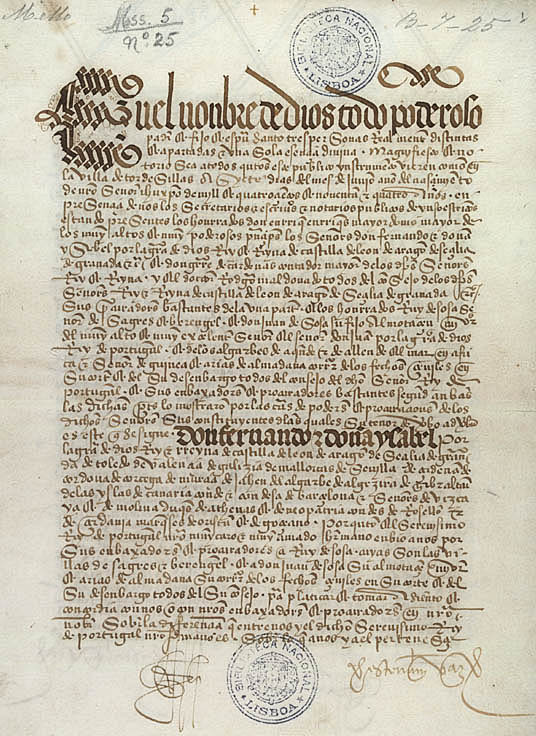
The Lines of Demarcation of Pope Alexander VI and the Treaty of Tordesillas, 1899
Samuel Edward Dawson · 1899
An 1899 scholarly study by Samuel Edward Dawson of the 1493 and 1494 lines that divided the newly found lands between Portugal and Spain. These lines supported Portugal's later claim to Brazil.
This study explains the 1493-1494 demarcation lines that underpinned Portugal's claim to Brazil, the land Cabral reached in 1500.
Free Humy account · No credit card · 124,284 sources to read
About this source
What it is
This is a scholarly article by Samuel Edward Dawson, published in 1899 in the Transactions of the Royal Society of Canada. It studies the demarcation lines set by Pope Alexander VI in 1493 and the Treaty of Tordesillas of 1494. The article also includes an inquiry into ancient and medieval measurement systems. The scanned copy was digitized by the Internet Archive in 2009.
Why it matters
The lines divided lands outside Europe between Portugal and Spain. Portugal relied on the 1494 treaty when it claimed Brazil, which Cabral reached in 1500. Dawson wrote this study more than four hundred years after these agreements, so he interprets them from later sources. Students can see how a historian of 1899 understood the legal basis of Portuguese claims.
Look closer
- What does the author say the papal decision was meant to achieve?
- Why might a historian in 1899 be interested in measurement systems from the Middle Ages?
- Whose claims and interests does this article explain, and whose does it leave out?
This book is part of the curated material that grounds the AI version of Pedro Álvares Cabral and Pope Alexander VI on Humy.ai — when students ask about related events, the AI can quote it and cite it.
More Pedro Álvares Cabral sources
Browse all 83 →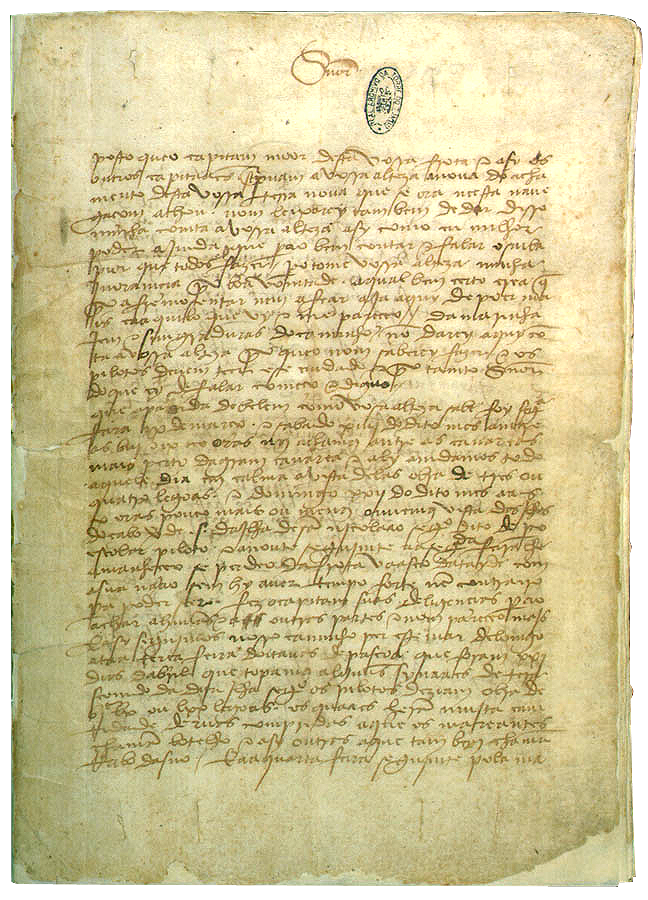 Letter
Primary source
Letter of Pero Vaz de Caminha
Pero Vaz de Caminha · 1 May 1500
 Letter
Primary source
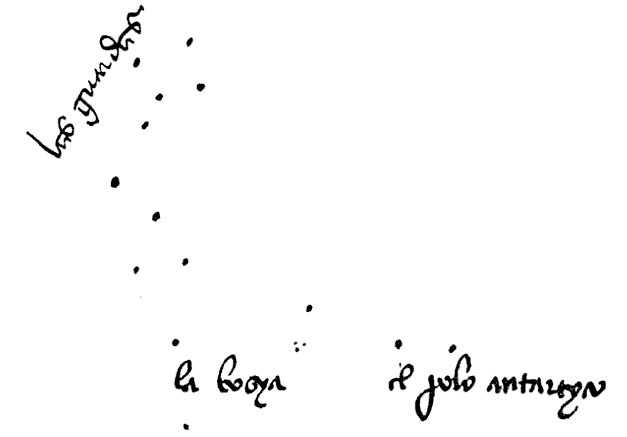
Letter of Mestre João Faras to King Manuel I
Mestre João Faras · 1 May 1500
 Document
Primary source
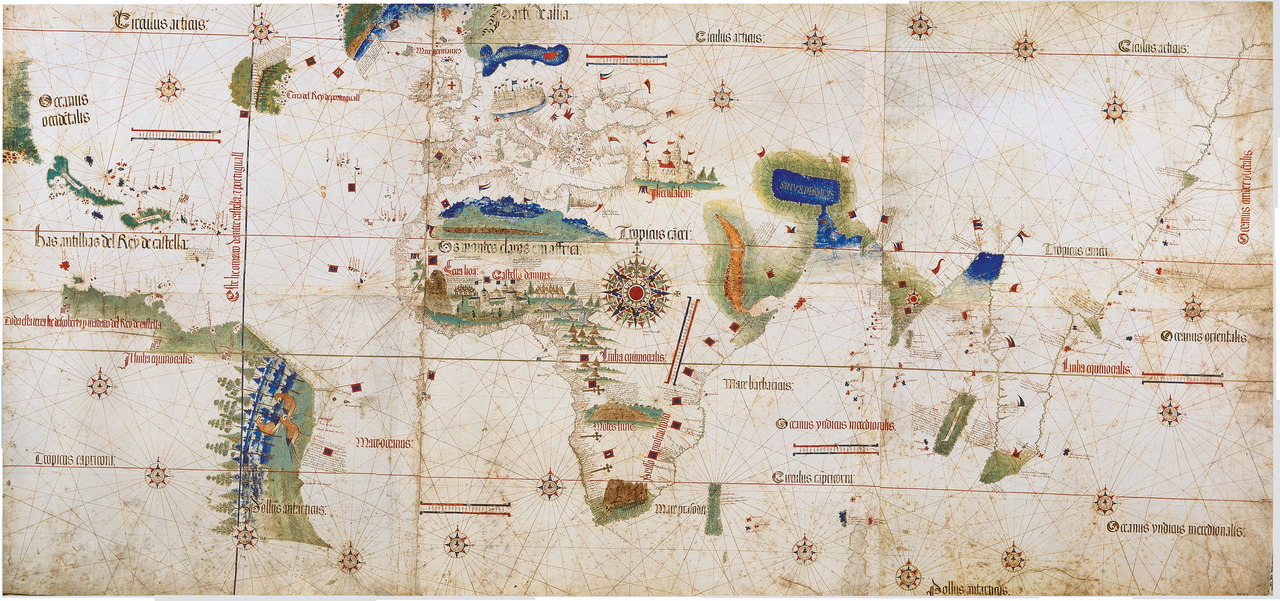
Cantino Planisphere
Anonymous Portuguese cartographer · 1502
 Painting
Secondary source
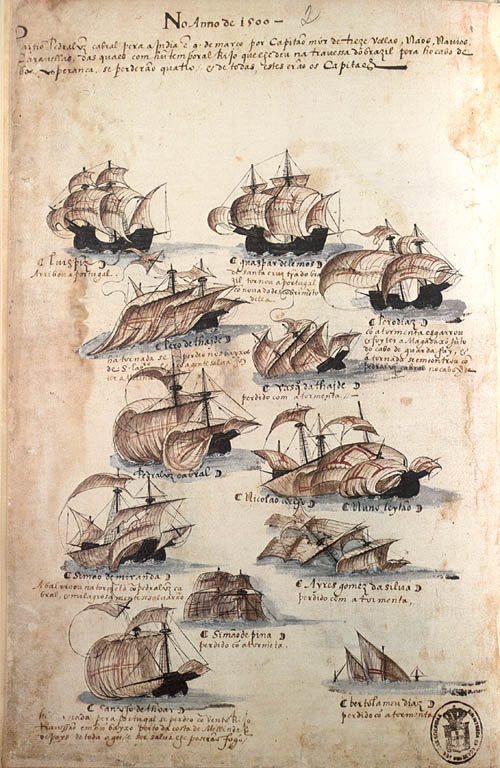
Cabral Armada of 1500 (Livro das Armadas)
Unknown author · 16th century
Free account
Read every Pedro Álvares Cabral source
Sign up free →
Ready when you are
Start chatting with Pedro Álvares Cabral now.
20 messages free · No credit card · Available in 50+ languages.