


Primary sourcePainting1568
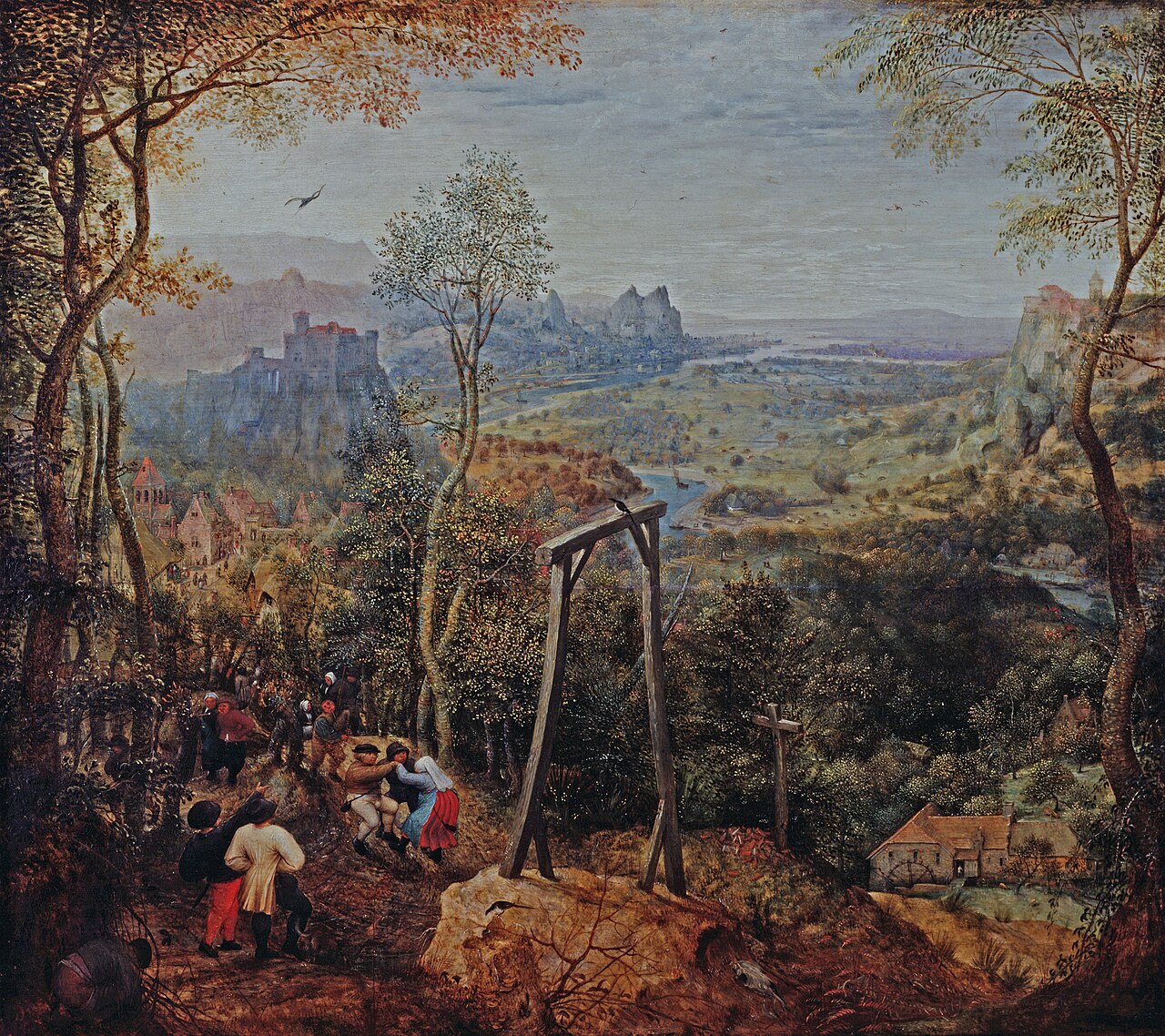
The Magpie on the Gallows
Pieter Bruegel the Elder · 1568
A 1568 oil-on-wood painting by Pieter Bruegel the Elder showing peasants dancing near a gallows with a magpie perched on it.
One of Bruegel's last paintings, reportedly kept by his wife on his instructions, showing his late, politically coded style.
About this source
What it is
This small oil painting on wood panel was made in 1568 by Pieter Bruegel the Elder. It shows a woodland clearing where peasants dance to bagpipe music beside a gallows topped by a magpie. It is now held at the Hessian State Museum Darmstadt.
Why it matters
According to the early biographer Van Mander, Bruegel asked his wife to keep this painting when he died, and to burn others — a sign of how much it meant to him. Painted the year after the Duke of Alba arrived to suppress the Dutch Revolt, the gallows and the gossiping magpie are thought to warn about how careless talk could lead to execution in a dangerous political moment.
Look closer
- Why might Bruegel hide such a serious political message inside a cheerful dancing scene?
- What does the strange, almost impossible shape of the gallows do to the mood of the picture?
- Why do you think Bruegel wanted his wife to keep this particular painting?
This painting is part of the curated material that grounds the AI version of Pieter Bruegel the Elder on Humy.ai — when students ask about related events, the AI can quote it and cite it.
More Pieter Bruegel the Elder sources
Browse all 96 →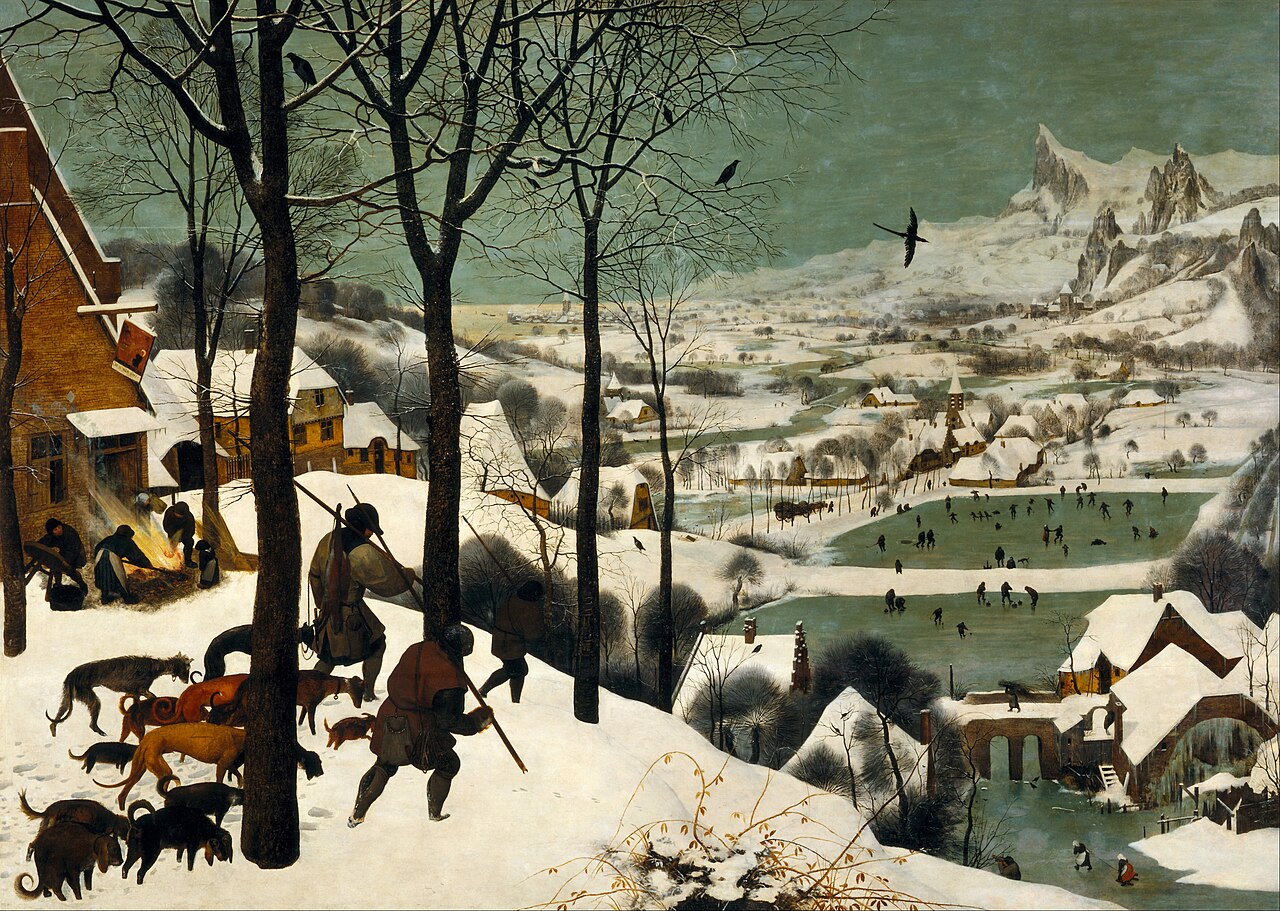 Painting
Primary source
The Hunters in the Snow
Pieter Bruegel the Elder · 1565
 Painting
Primary source
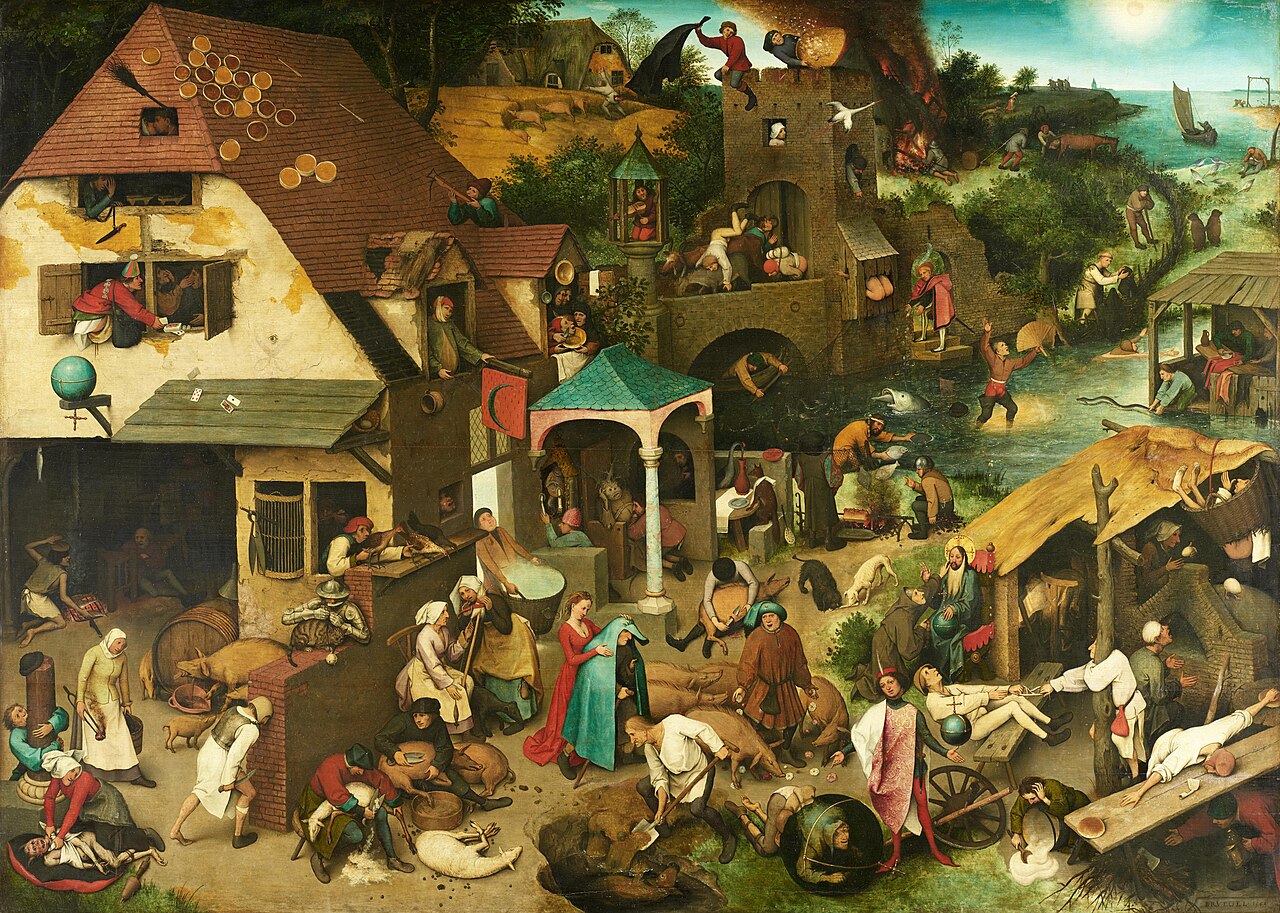
Netherlandish Proverbs
Pieter Bruegel the Elder · 1559
 Painting
Secondary source
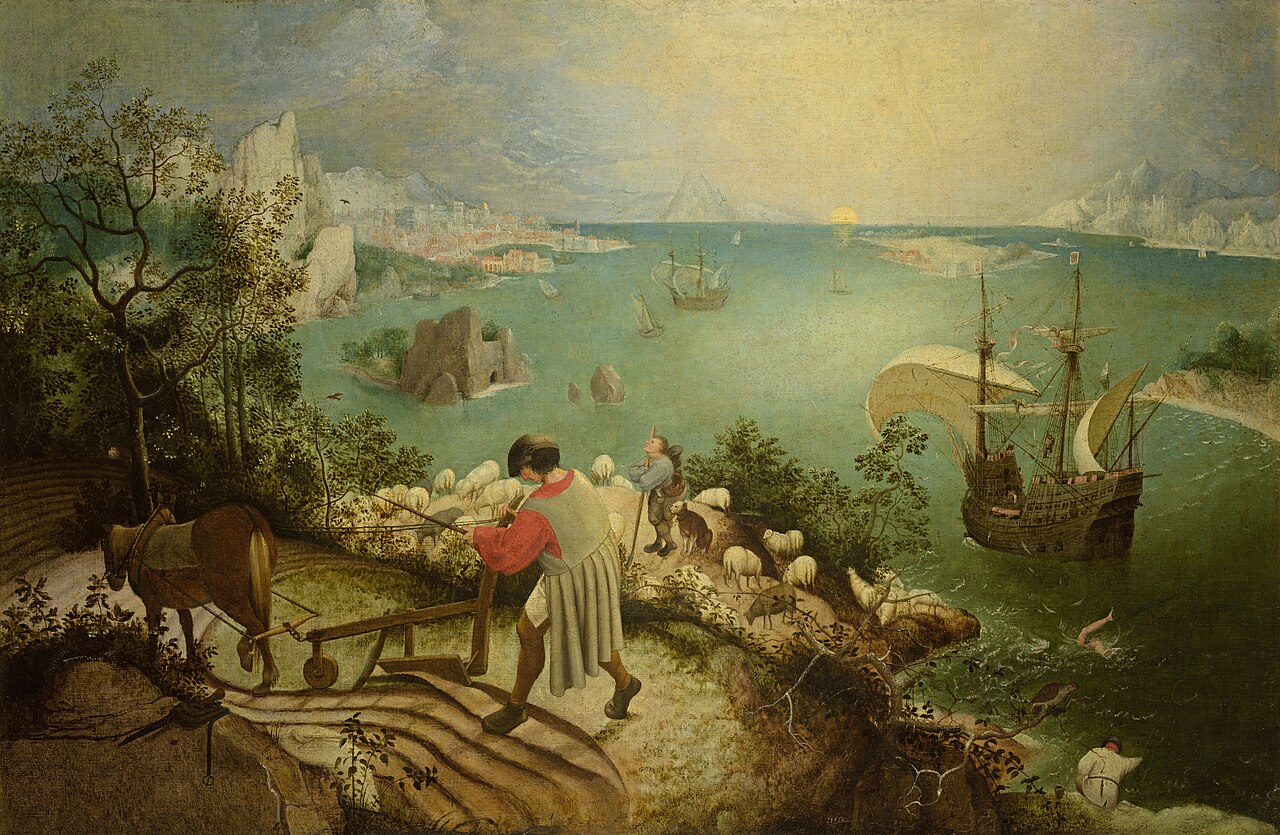
Landscape with the Fall of Icarus
Unknown (circle of Pieter Bruegel the Elder) · c. 1560s
 Painting
Primary source
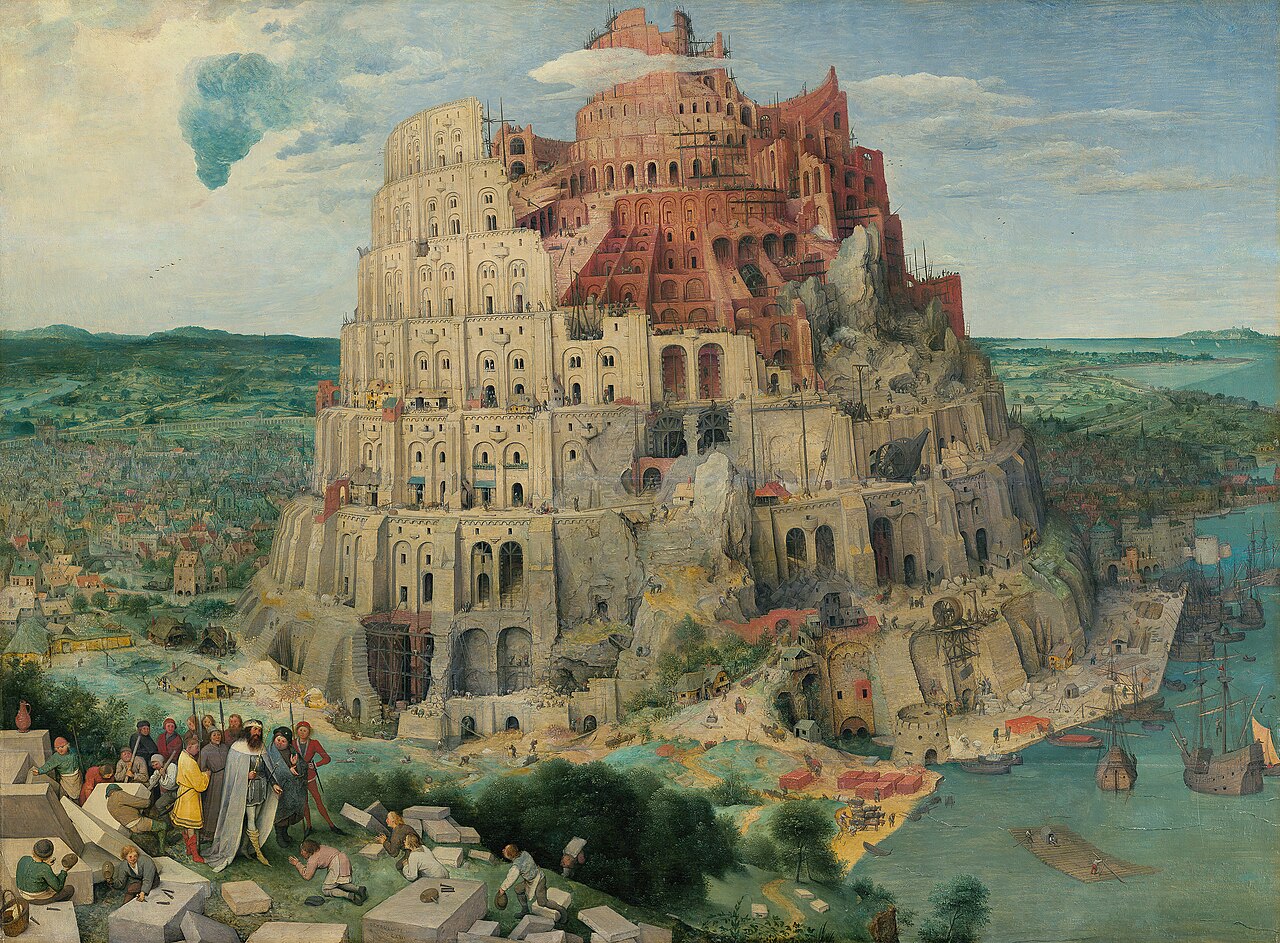
The Tower of Babel
Pieter Bruegel the Elder · 1563
Free account
Read every Pieter Bruegel the Elder source
Sign up free →
Ready when you are
Start chatting with Pieter Bruegel the Elder now.
20 messages free · No credit card · Available in 50+ languages.