


Secondary sourcePainting
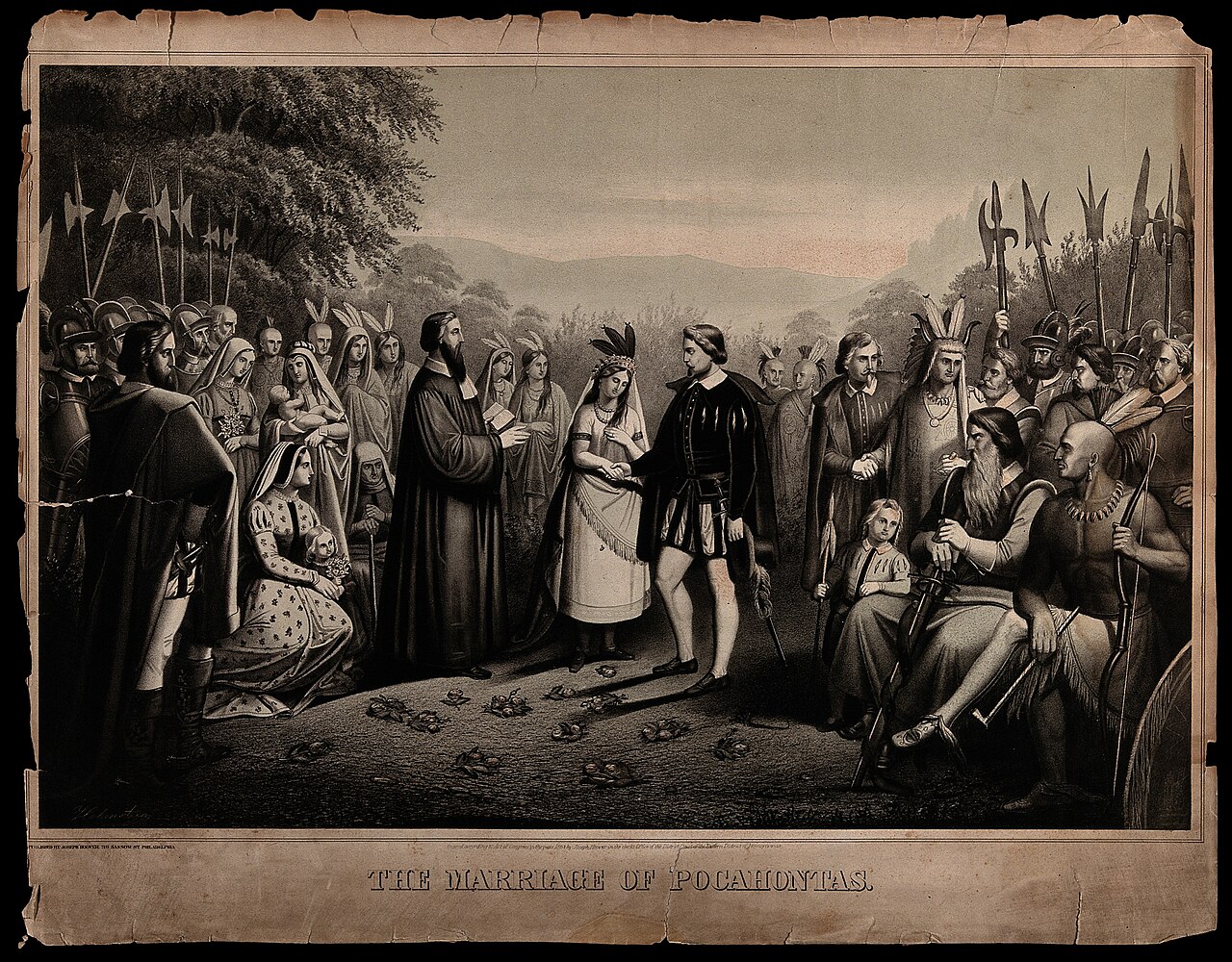
The Marriage of Pocahontas, lithograph by Anton Hohenstein
Anton Hohenstein
A 19th-century lithograph imagining the wedding of Pocahontas and John Rolfe before a Christian clergyman.
This lithograph depicts Pocahontas's marriage to John Rolfe, a key event in her later life used to symbolize colonial-Native unity.
About this source
What it is
This lithograph by Anton Hohenstein shows the marriage of Pocahontas to the English colonist John Rolfe. A European clergyman performs the ceremony outdoors, with both Native and European onlookers gathered around.
Why it matters
The marriage of Pocahontas and John Rolfe was a real historical event, often remembered as a symbol of peace between English colonists and Native peoples of Virginia. This image, made long after the fact, reflects how the wedding became a popular and symbolic subject in American art, emphasizing reconciliation and Christian conversion.
Look closer
- Why might artists have chosen to depict this wedding so often?
- What does the setting and clothing tell you about how the artist wanted viewers to see this event?
- What parts of the real history might this idealized image leave out?
This painting is part of the curated material that grounds the AI version of Pocahontas on Humy.ai — when students ask about related events, the AI can quote it and cite it.
More Pocahontas sources
Meet the AI Pocahontas →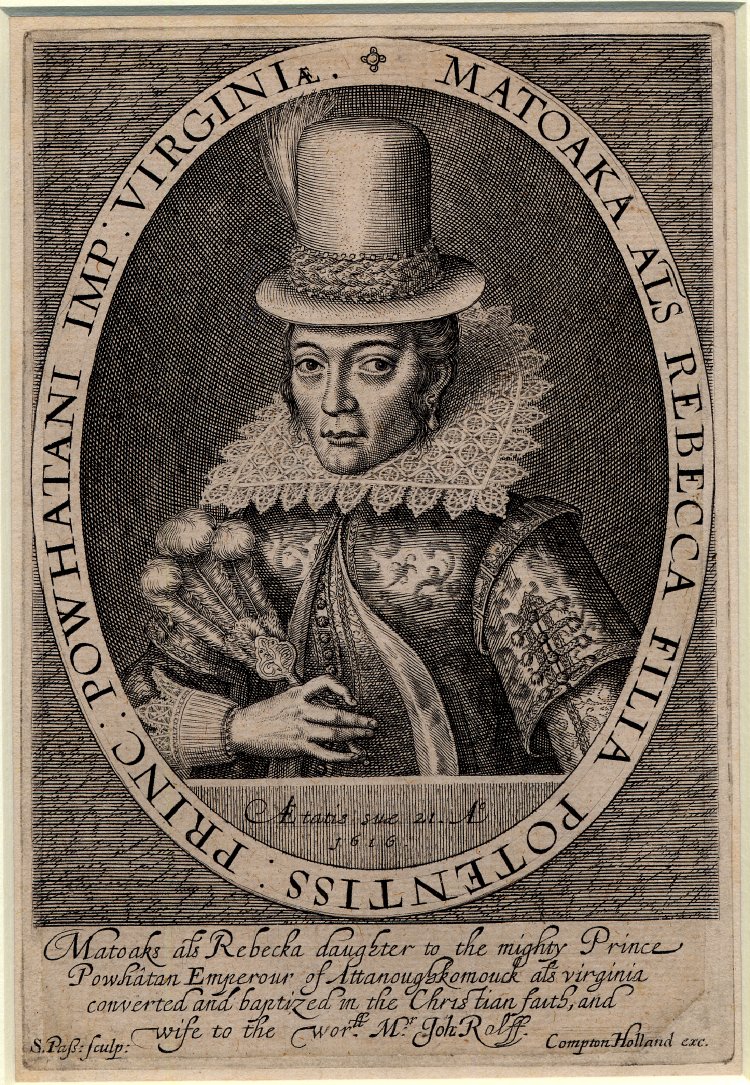 Painting
Primary source
Matoaka alias Rebecca Engraving
Simon van de Passe · 1616
 Painting
Secondary source
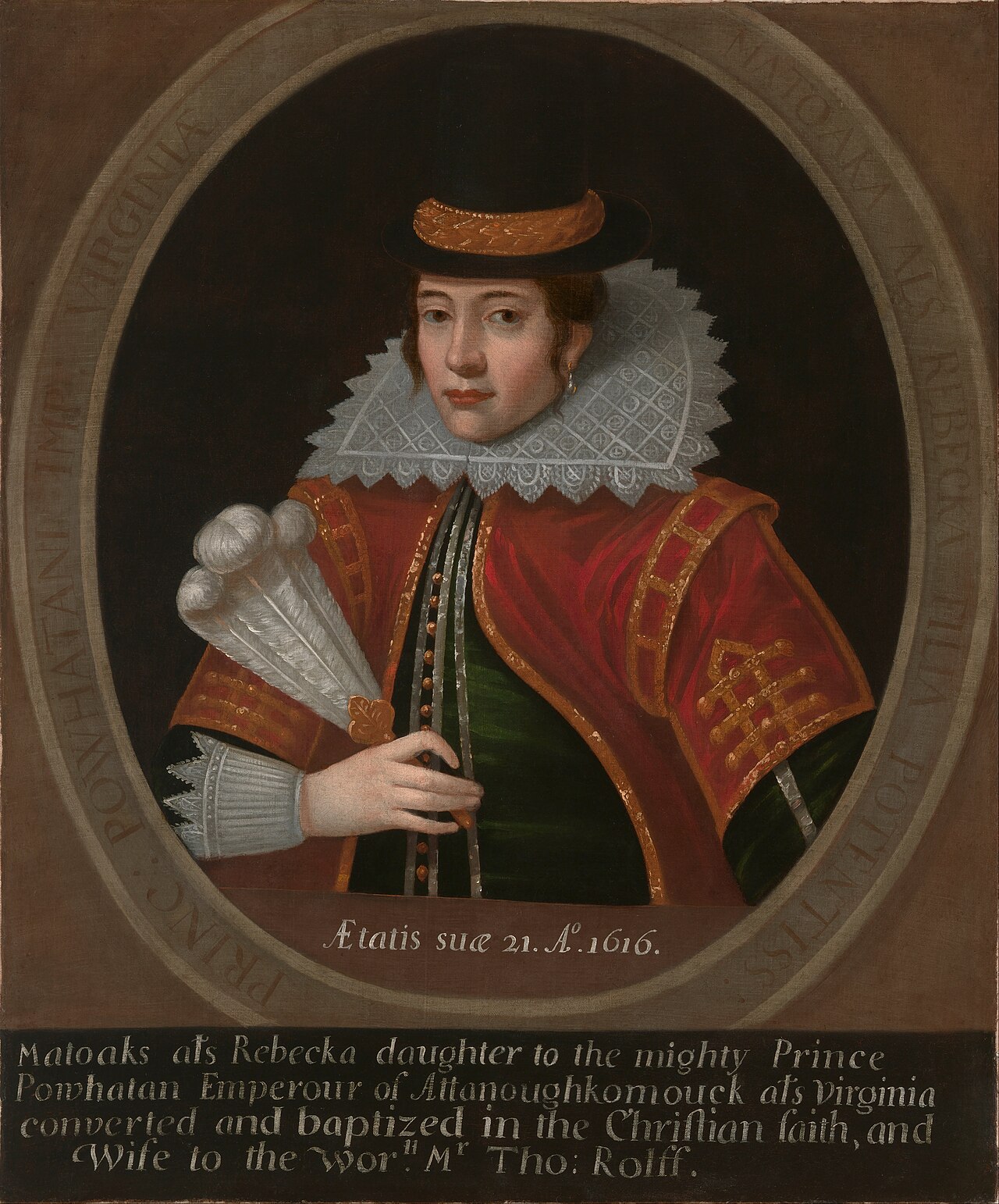
Pocahontas (Oil Portrait after van de Passe)
Unidentified Artist · 1616
 Book
Primary source
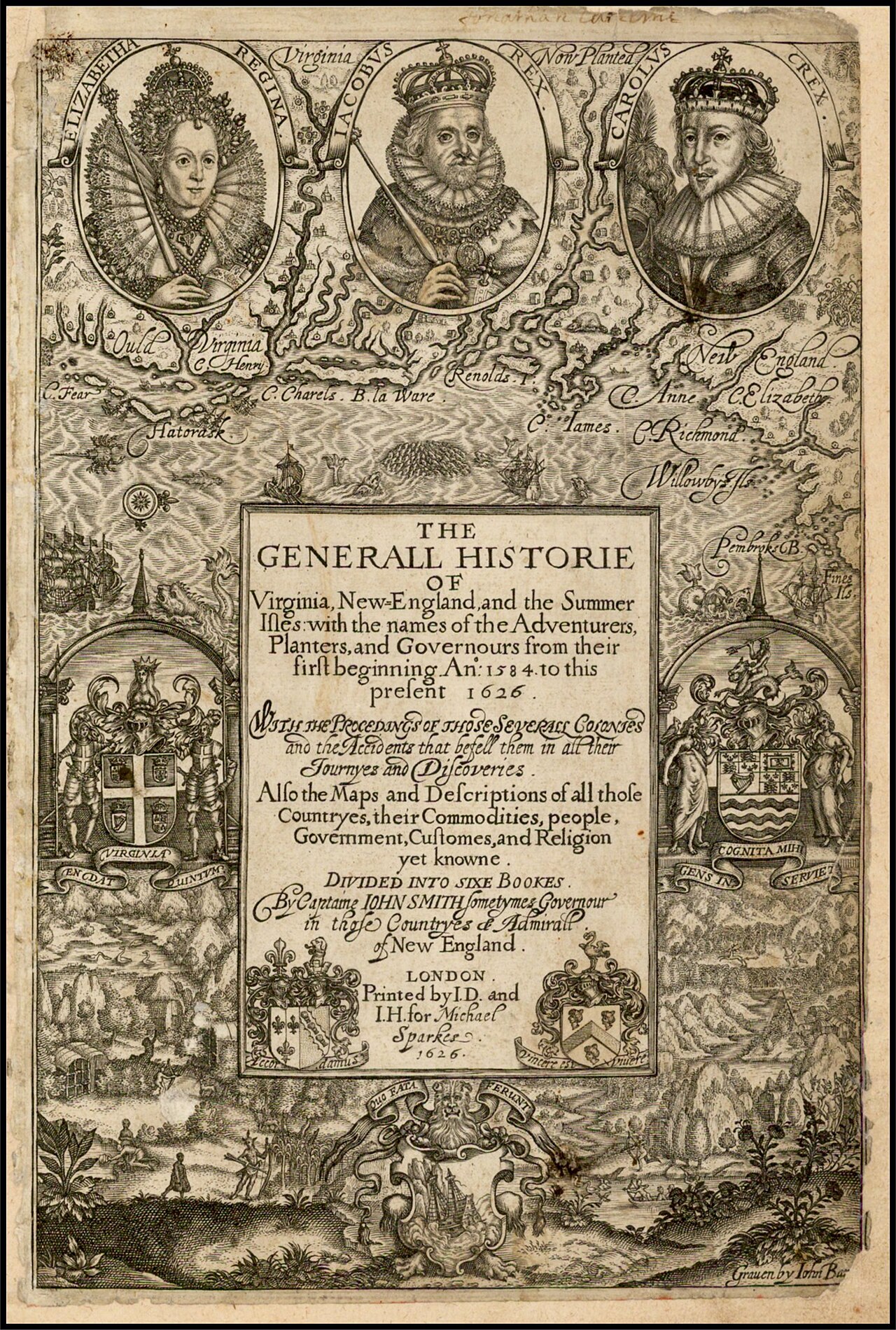
The Generall Historie of Virginia, New-England, and the Summer Isles
John Smith · 1624
 Book
Primary source
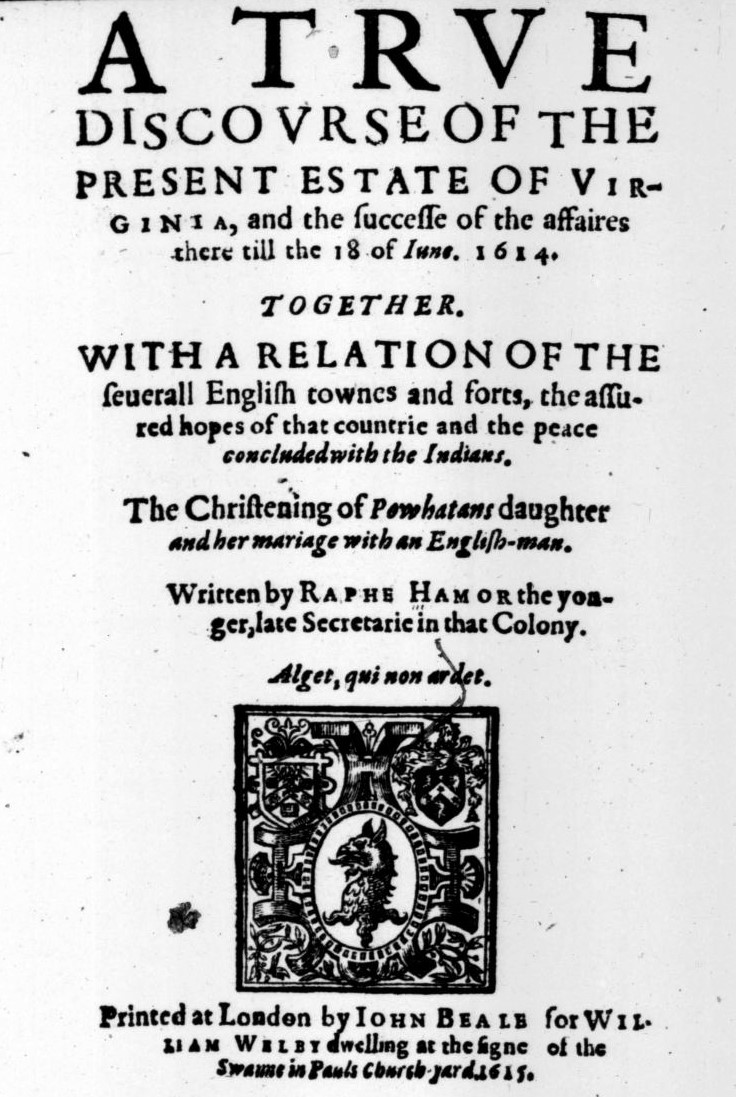
A True Discourse of the Present Estate of Virginia
Ralph Hamor · 1615
 Painting
Secondary source
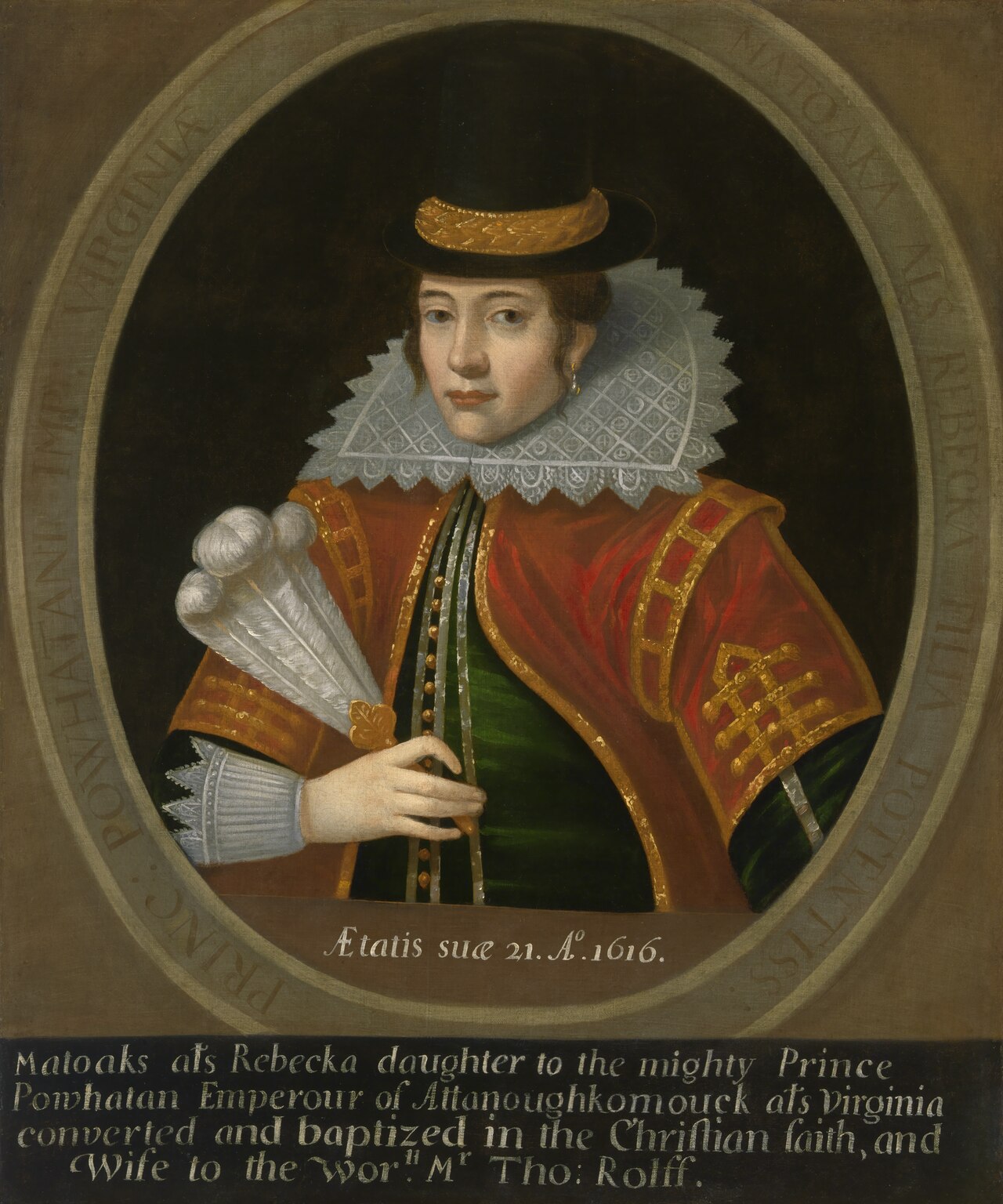
Portrait of Pocahontas
1616
Ready when you are
Start chatting with Pocahontas now.
20 messages free · No credit card · Available in 50+ languages.