


Primary sourcePaintingearly 18th century
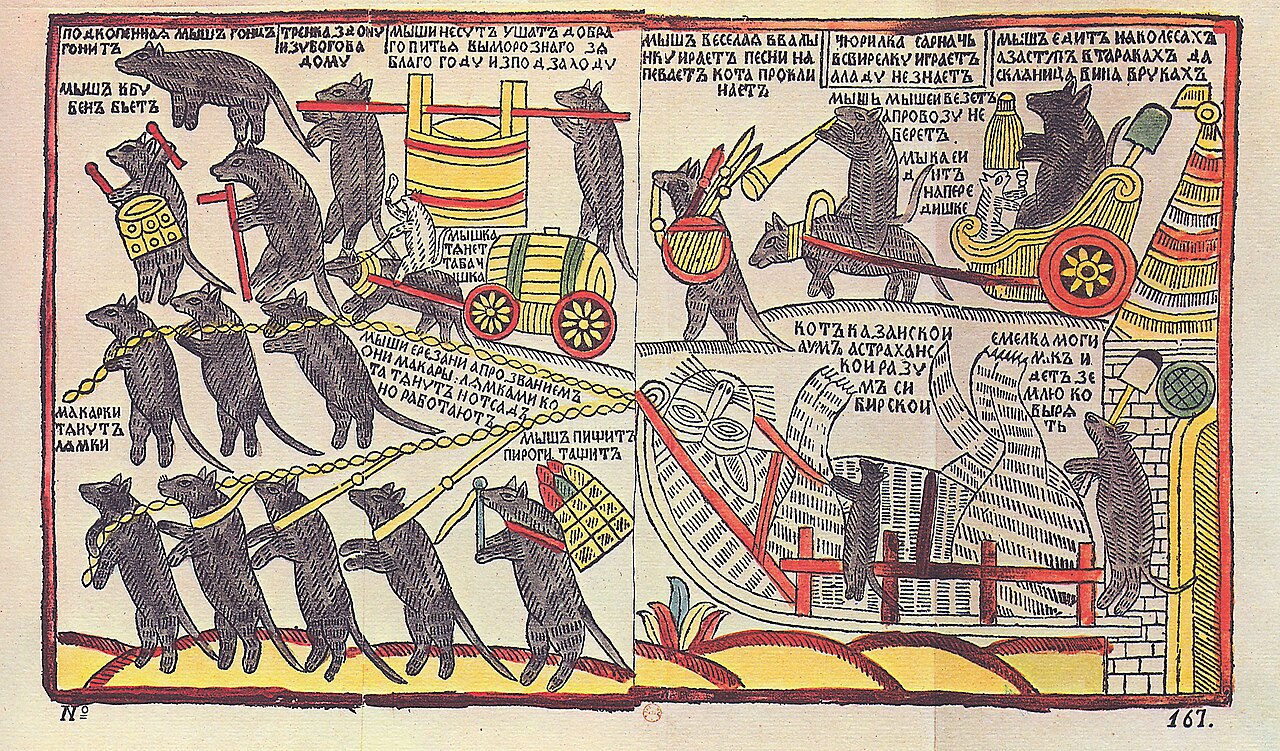
The Mice Bury the Cat
early 18th century
A hand-coloured Russian lubok print showing mice burying a cat. Many researchers read it as a caricature of Peter the Great's funeral, though others see it as carnival inversion.
Possibly a satire of Peter's funeral, it reflects the popular culture of his reign and the folk responses to his reforms.
About this source
What it is
This is a hand-coloured Russian lubok woodcut, a popular print with short Cyrillic captions, numbered 161. Two panels show mice in clothing. On the left they pull a cart and carry a coffin-like load. On the right they play music and dance, while a cat lies in a wooden coffin-like sled drawn by mice. The maker is anonymous, and the print is dated to the early 18th century. Its home is the Russian State Library.
Lubki were cheap printed pictures that told humorous stories. The caption above the cat, 'The Cat of Kazan, the Mind of Astrakhan, the Wisdom of Siberia', parodies the titles of Russian tsars.
Why it matters
Many historians have read the print as a satire of Peter the Great's funeral, made by opponents of his reforms. Other researchers argue it shows carnival inversion, 'turning the world upside down', and do not link it to Peter at all. The debate shows how hard it is to know what ordinary people thought of Peter from a single picture.
Look closer
- What do the mice's clothing, the coffin-like sled and the music suggest about the mood of the scene?
- Why might a printmaker have used animals instead of naming real people?
- What evidence would you need to decide whether this print mocks Peter or only tells a folk tale?
This painting is part of the curated material that grounds the AI version of Peter the Great on Humy.ai — when students ask about related events, the AI can quote it and cite it.
More Peter the Great sources
Meet the AI Peter the Great →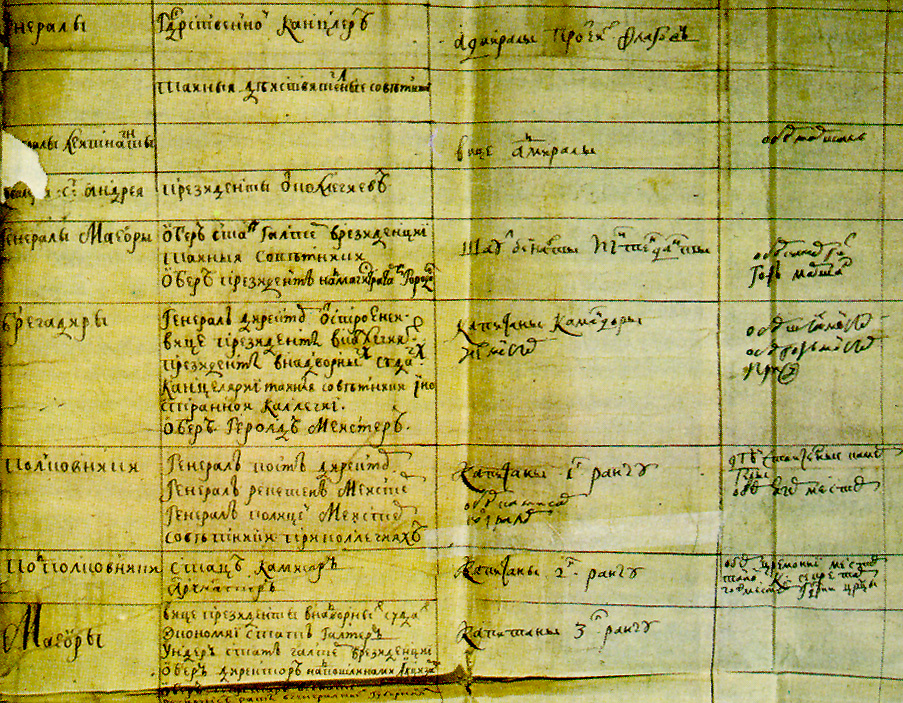 Document
Primary source
Table of Ranks
Peter the Great · 1722
 Document
Primary source
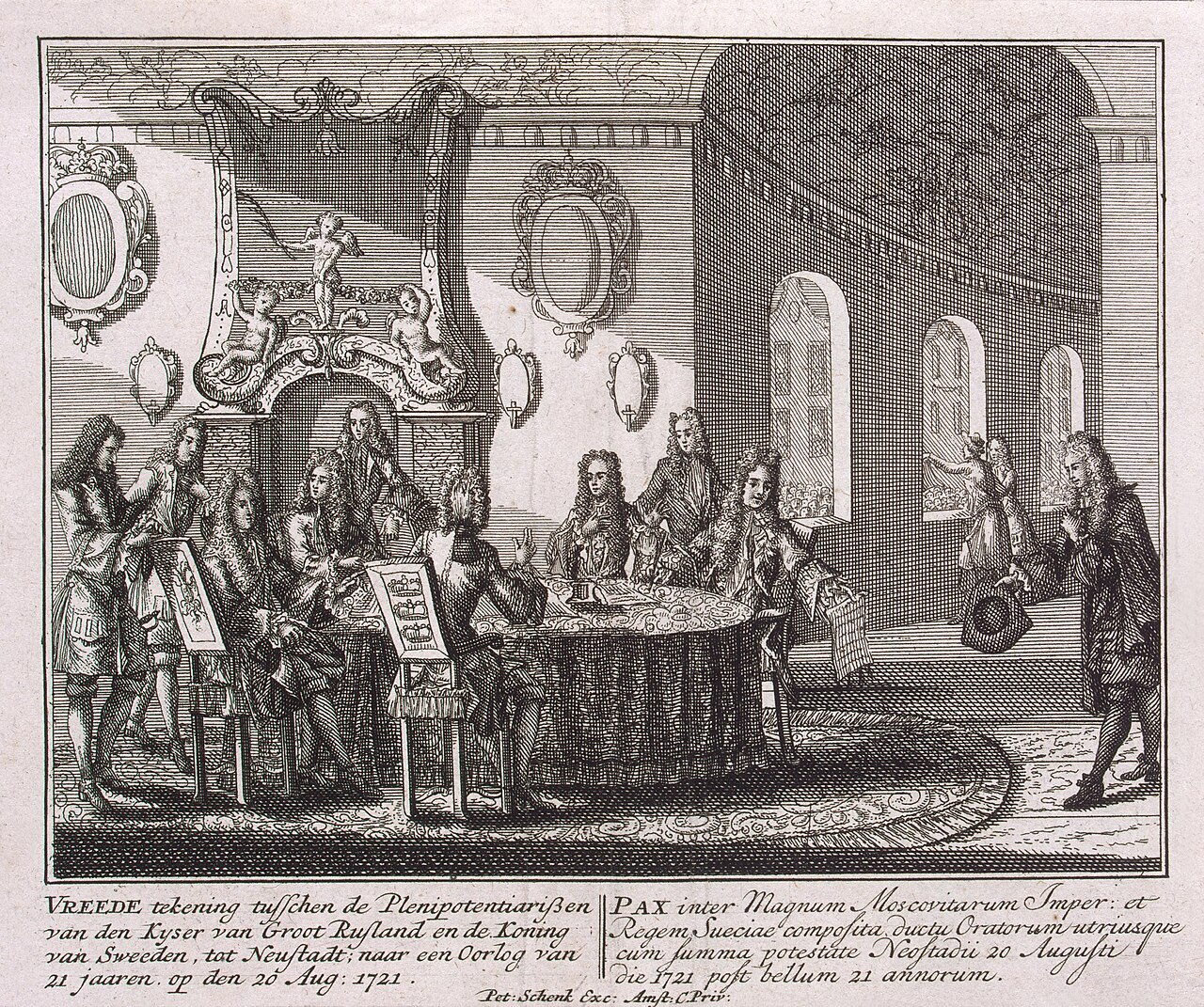
Treaty of Nystad
1721
 Painting
Primary source
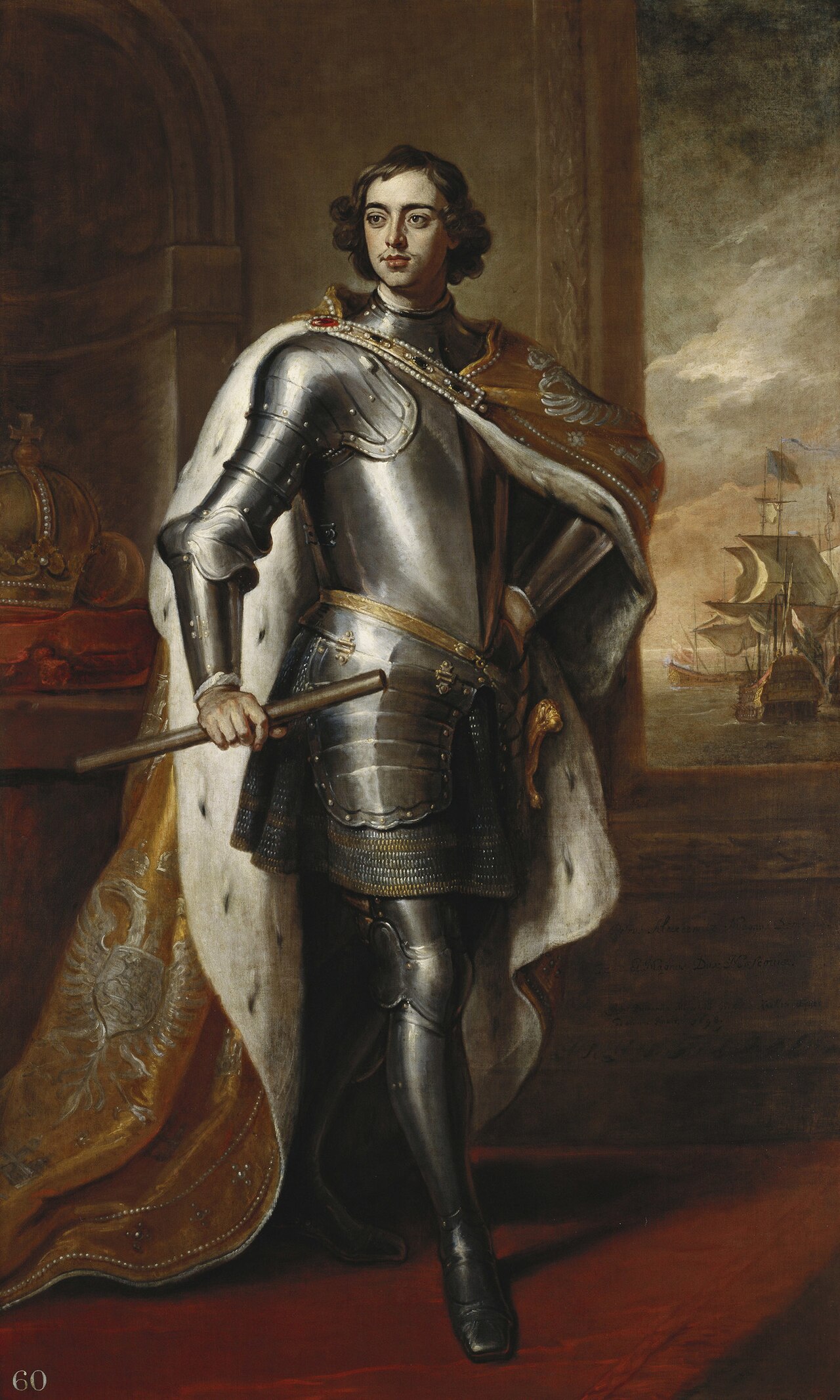
Peter the Great, Tsar of Russia (1672-1725)
Godfrey Kneller · 1698
 Diary entry
Primary source
Diary of an Austrian Secretary of Legation
Johann Georg Korb · 1700
 Artifact
Primary source
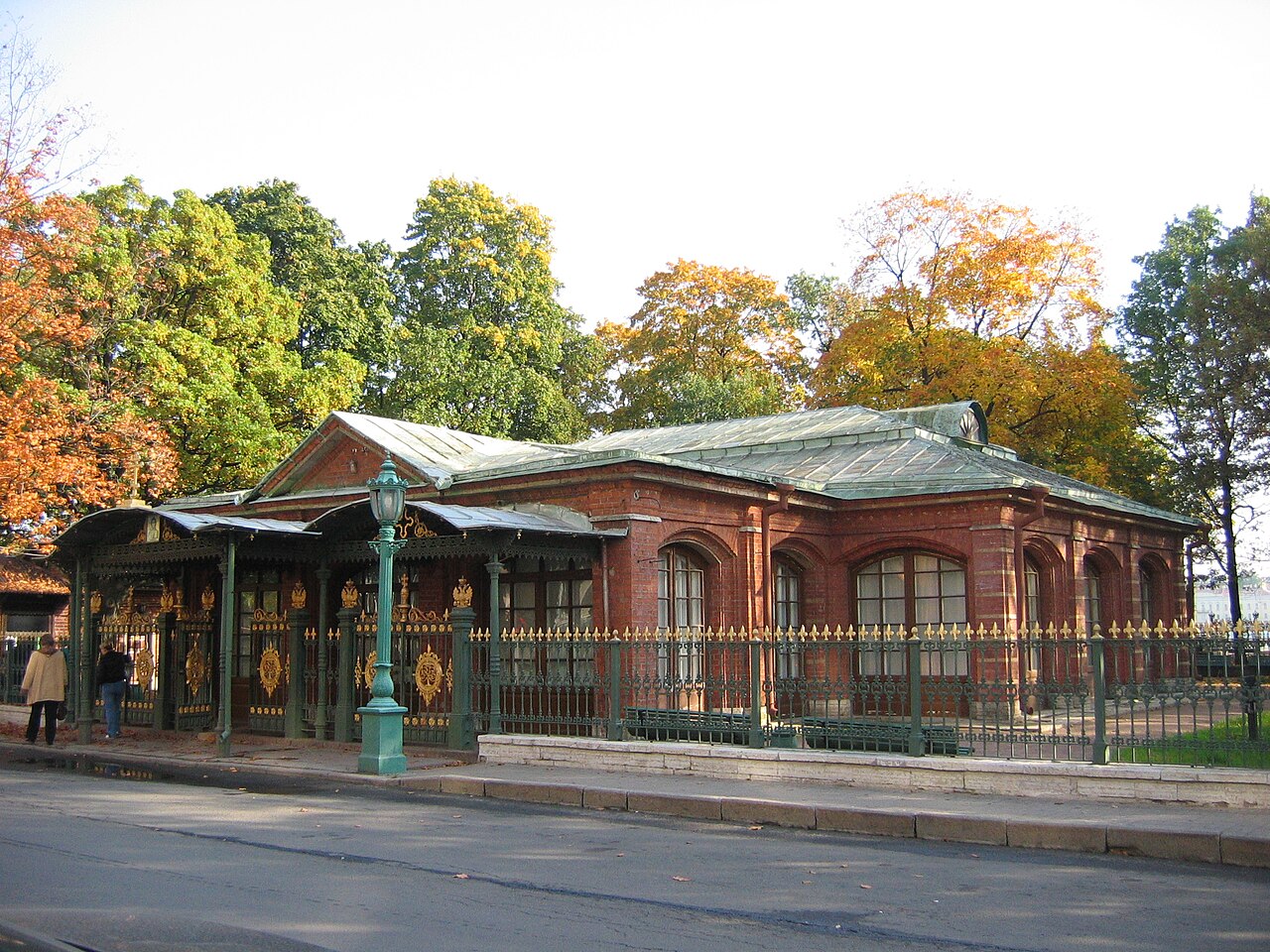
Cabin of Peter the Great
1703
Ready when you are
Start chatting with Peter the Great now.
20 messages free · No credit card · Available in 50+ languages.