


Primary sourcePaintingc. 1658-1661
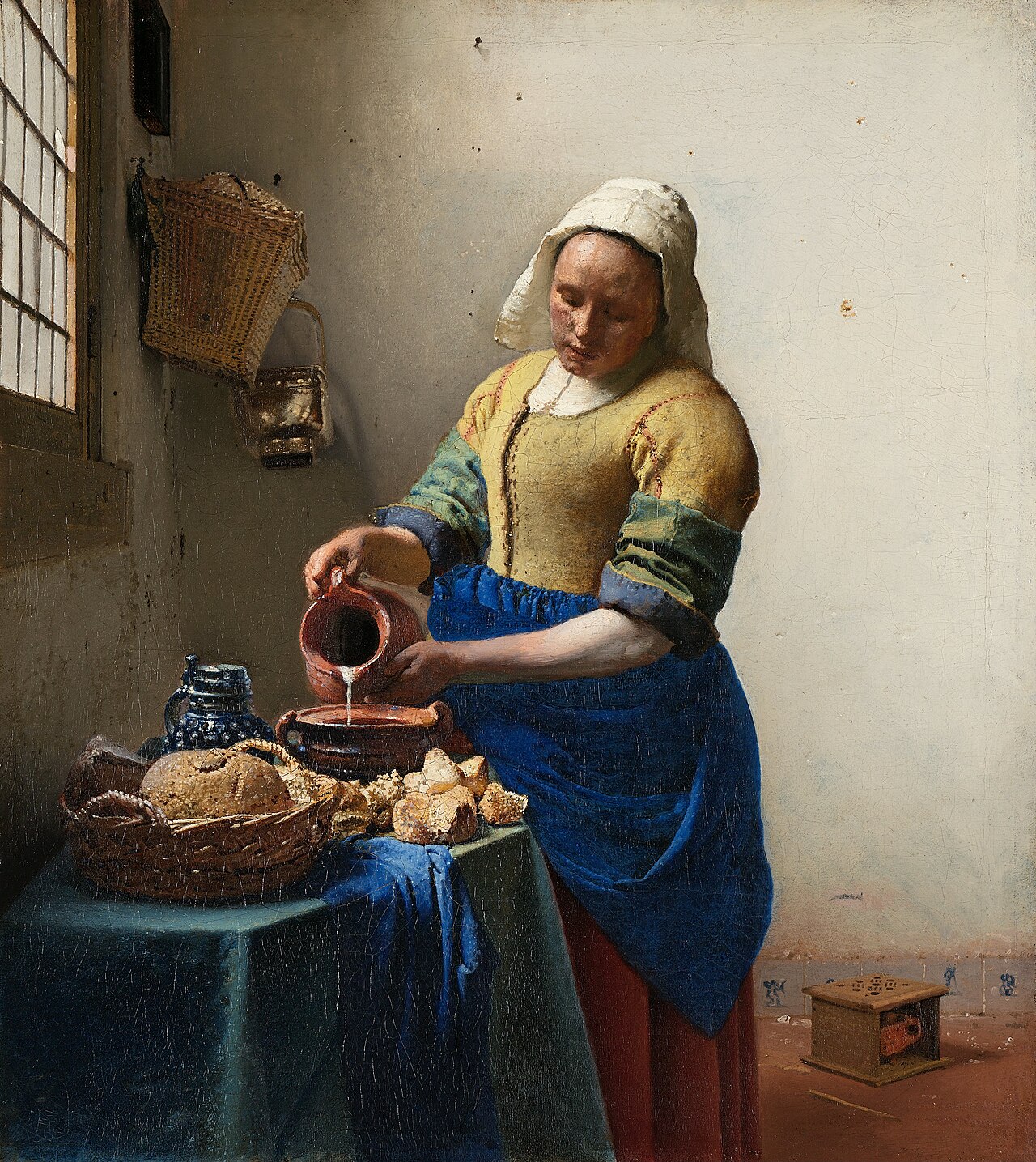
The Milkmaid
Johannes Vermeer · c. 1658-1661
Vermeer's painting of a domestic kitchen maid pouring milk, treated with unusual dignity for its time.
Vermeer painted this famous domestic scene, showing his skill in rendering light and everyday Dutch life.
About this source
What it is
This oil-on-canvas painting by Johannes Vermeer, made around 1657–1661, shows a maid pouring milk in a plain room, surrounded by bread and simple household objects. It is held in the Rijksmuseum in Amsterdam, which considers it one of its finest works.
Why it matters
Maids were often shown in Dutch art of this period as symbols of lust or comedy. Vermeer's painting is unusual for depicting the woman with empathy and quiet dignity, though some traditional symbols of romance remain. The careful rendering of light and texture shows Vermeer's skill, and the painting raises questions about how everyday labour and working women were viewed in 17th-century Dutch society.
Look closer
- What mood does the woman's expression and posture create, and how does the light help create it?
- Why might objects like bread and a foot warmer have been included?
- How does this image compare with the way maids were usually shown in paintings of the time?
This painting is part of the curated material that grounds the AI version of Johannes Vermeer on Humy.ai — when students ask about related events, the AI can quote it and cite it.
More Johannes Vermeer sources
Browse all 95 →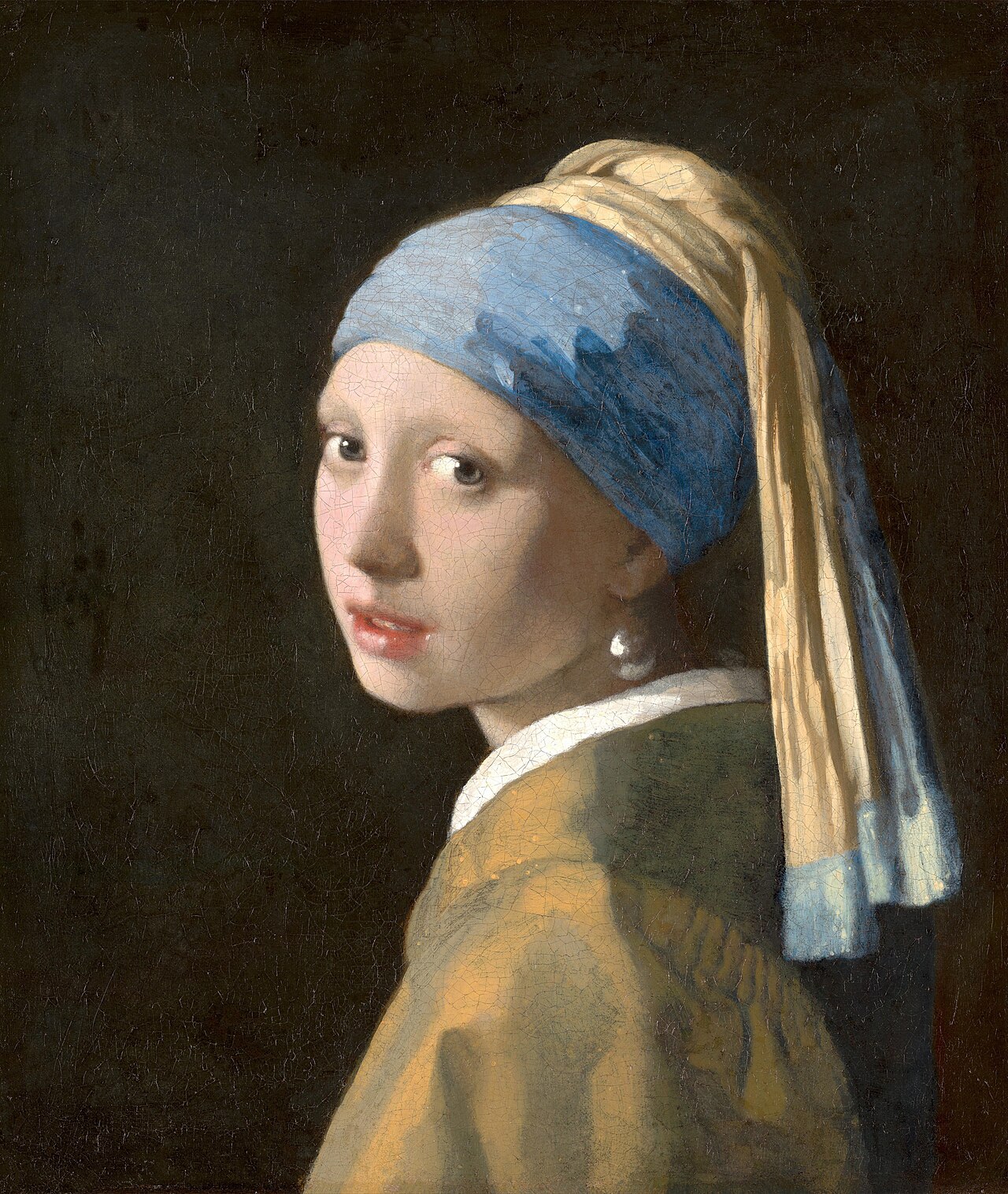 Painting
Primary source
Girl with a Pearl Earring
Johannes Vermeer · c. 1665
 Painting
Primary source
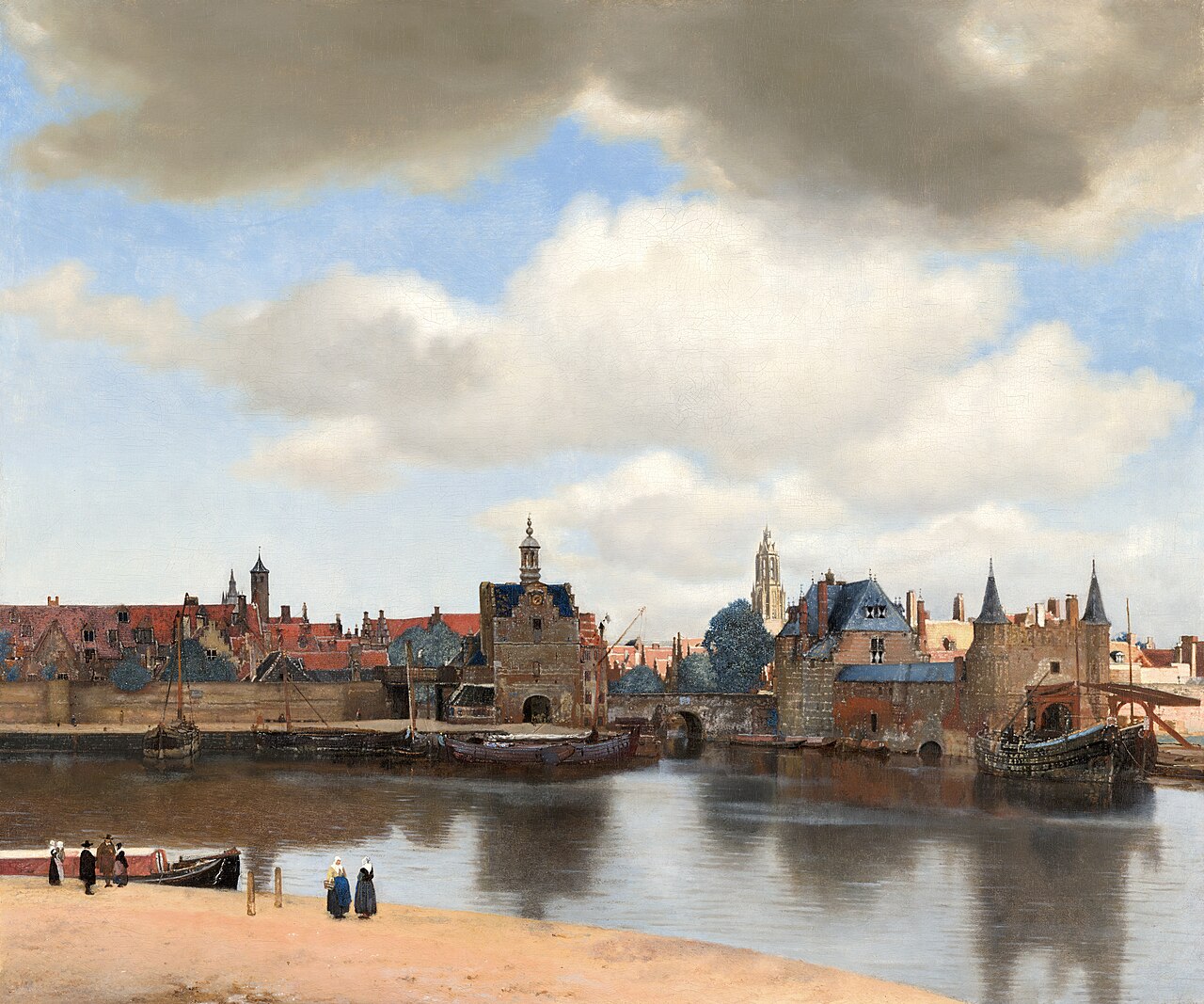
View of Delft
Johannes Vermeer · c. 1659-1661
 Painting
Primary source
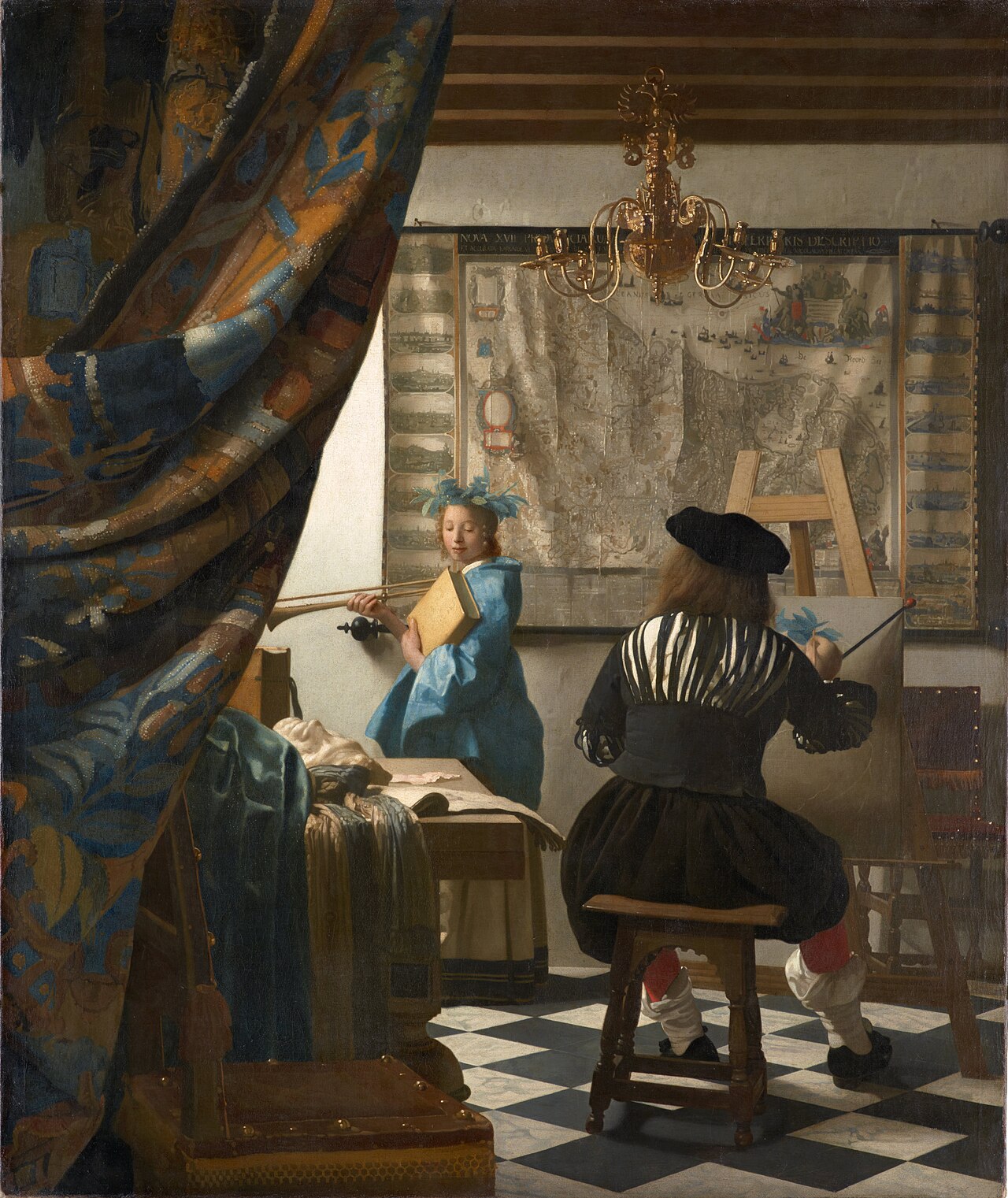
The Art of Painting
Johannes Vermeer · c. 1665-1668
 Painting
Primary source
Portrait of Johannes Vermeer
Johannes Vermeer
Free account
Read every Johannes Vermeer source
Sign up free →
Ready when you are
Start chatting with Johannes Vermeer now.
20 messages free · No credit card · Available in 50+ languages.