


Primary sourceBook1786
The Morals of Chess
Benjamin Franklin · 1786
Franklin's 1786 essay comparing chess to life, drawing lessons in foresight, caution and fair play from his favourite game.
Written by Franklin, this essay reflects his lifelong love of chess and his habit of drawing moral lessons from everyday pursuits.
About this source
What it is
This essay on chess was written by Benjamin Franklin and first published in the Columbian Magazine in December 1786, though he had outlined it decades earlier, around 1732. Franklin played chess from at least 1733 and was considered an above-average, though not top-level, player.
Why it matters
After a short history of the game, Franklin compares chess to life, arguing that it teaches foresight, circumspection and caution. He also lays out moral rules for players, such as not cheating and not disturbing an opponent. The essay is one of the earliest chess-related texts published in the United States and was later reproduced internationally. Franklin was inducted into the US Chess Hall of Fame in 1999.
Look closer
- Why might Franklin wait more than fifty years to publish an essay he had planned so long before?
- What do his rules about honesty and courtesy in chess suggest about his values more generally?
- How does comparing a game to life help make a moral argument more memorable?
This book is part of the curated material that grounds the AI version of Benjamin Franklin on Humy.ai — when students ask about related events, the AI can quote it and cite it.
More Benjamin Franklin sources
Meet the AI Benjamin Franklin →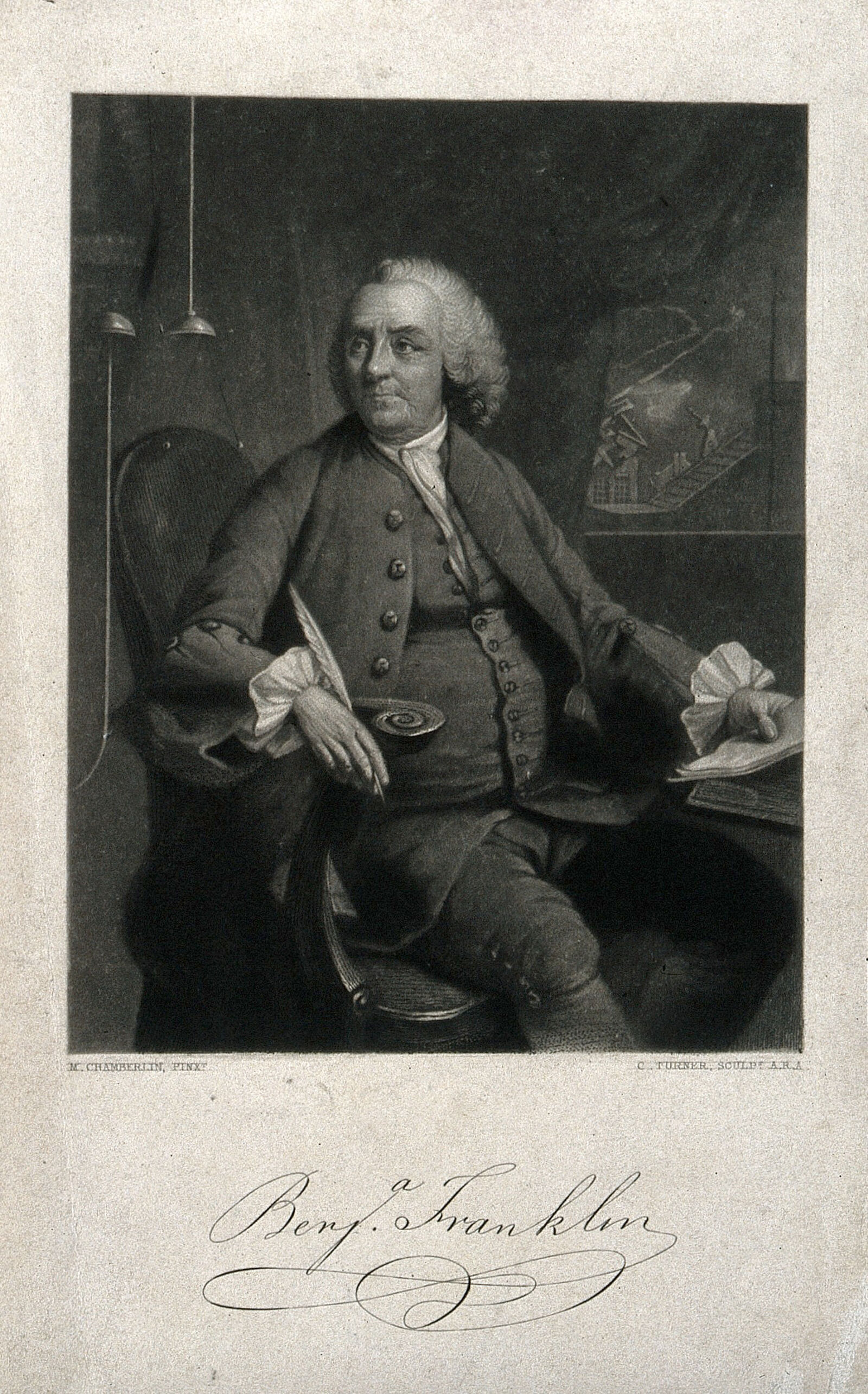 Painting
Primary source
Benjamin Franklin, mezzotint by C. Turner after M. Chamberlin
Mason Chamberlin · 1762
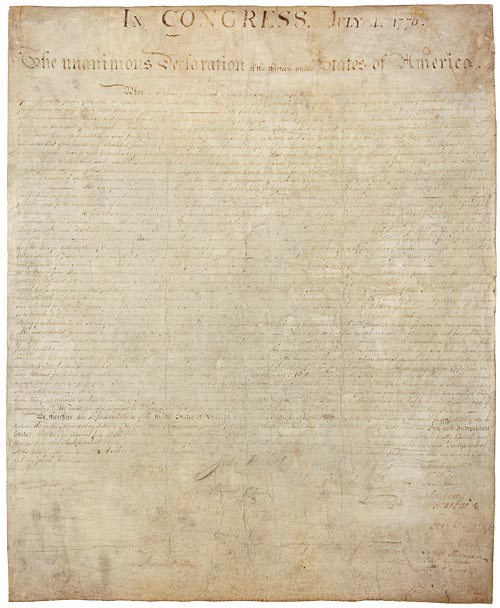 Document
Primary source
Declaration of Independence
Continental Congress (drafted by Thomas Jefferson) · 1776
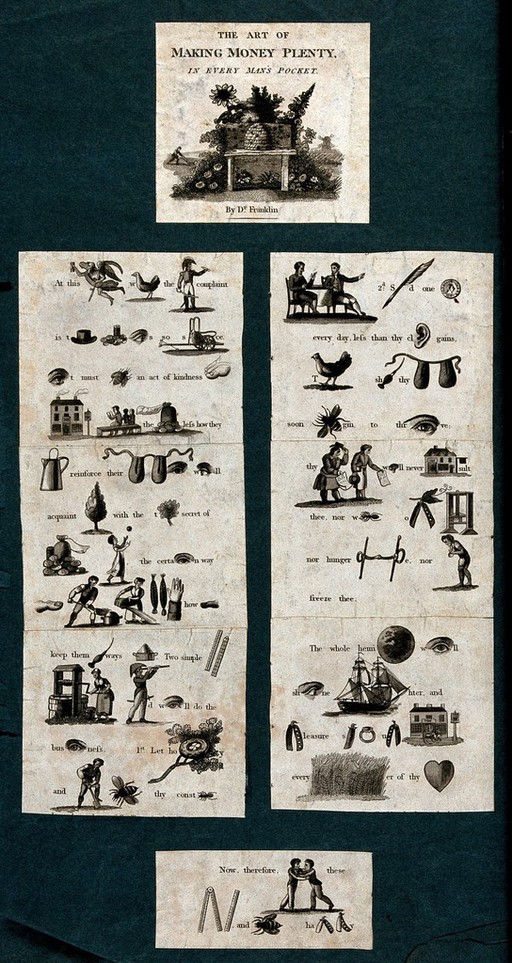 Artifact
Primary source
The Art of Making Money Plenty, In Every Man's Pocket
Benjamin Franklin
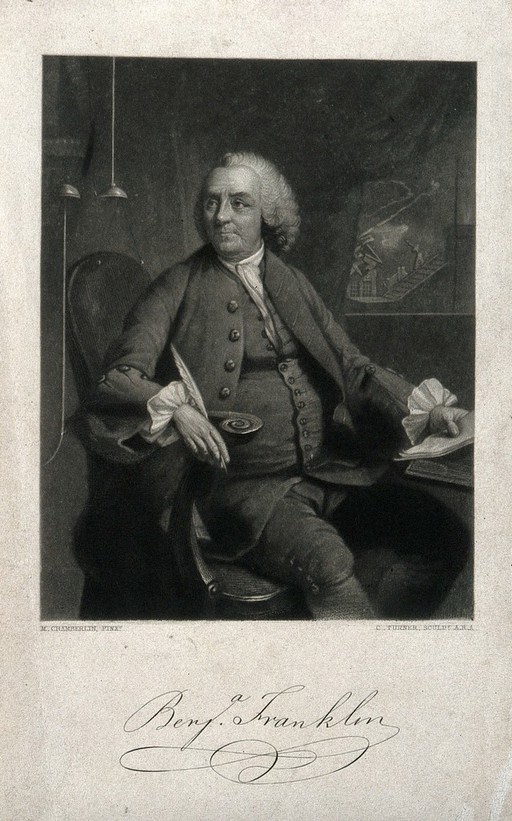 Painting
Primary source
Benjamin Franklin, engraving after Mason Chamberlin
Mason Chamberlin · 1762
 Painting
Primary source
Benjamin Franklin, after J. J. Caffieri
Jean-Jacques Caffieri · 1777 (bust); print later
Ready when you are
Start chatting with Benjamin Franklin now.
20 messages free · No credit card · Available in 50+ languages.