


Primary sourceBook1889/1890
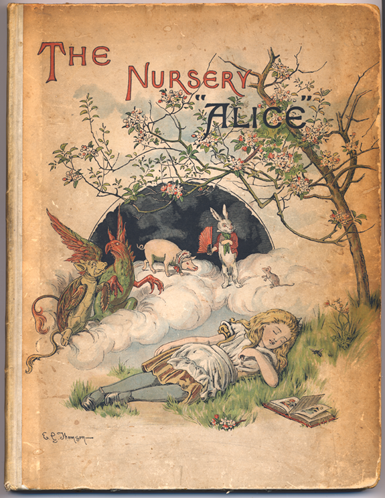
The Nursery Alice
Lewis Carroll · 1889/1890
Lewis Carroll's own simplified version of Alice's Adventures in Wonderland, made for very young children with coloured pictures.
Carroll personally adapted his own famous story here for the youngest readers, showing his direct hand in reshaping his work.
About this source
What it is
The Nursery Alice (1889/90) is Carroll's own abridged retelling of Alice's Adventures in Wonderland, aimed at children 'from nought to five'. It uses twenty of John Tenniel's original illustrations, redrawn, enlarged and coloured by Tenniel himself. The cover was designed by E. Gertrude Thomson, a friend of Carroll's, and the book was printed by Edmund Evans. It was published by Macmillan a quarter-century after the original Alice.
Why it matters
Unlike a simple shortened text, it is written as if being read aloud to a small child, with Carroll adding questions and comments about the pictures. It shows how Carroll thought about adapting his most famous work for very different readers, and his collaboration with illustrators Tenniel and Thomson.
Look closer
- How does writing for very young children change the way a story is told?
- Why might Carroll ask questions directly to the child reader in the text?
- What does the choice of colourful pictures suggest about the intended audience?
This book is part of the curated material that grounds the AI version of Lewis Carroll on Humy.ai — when students ask about related events, the AI can quote it and cite it.
More Lewis Carroll sources
Meet the AI Lewis Carroll →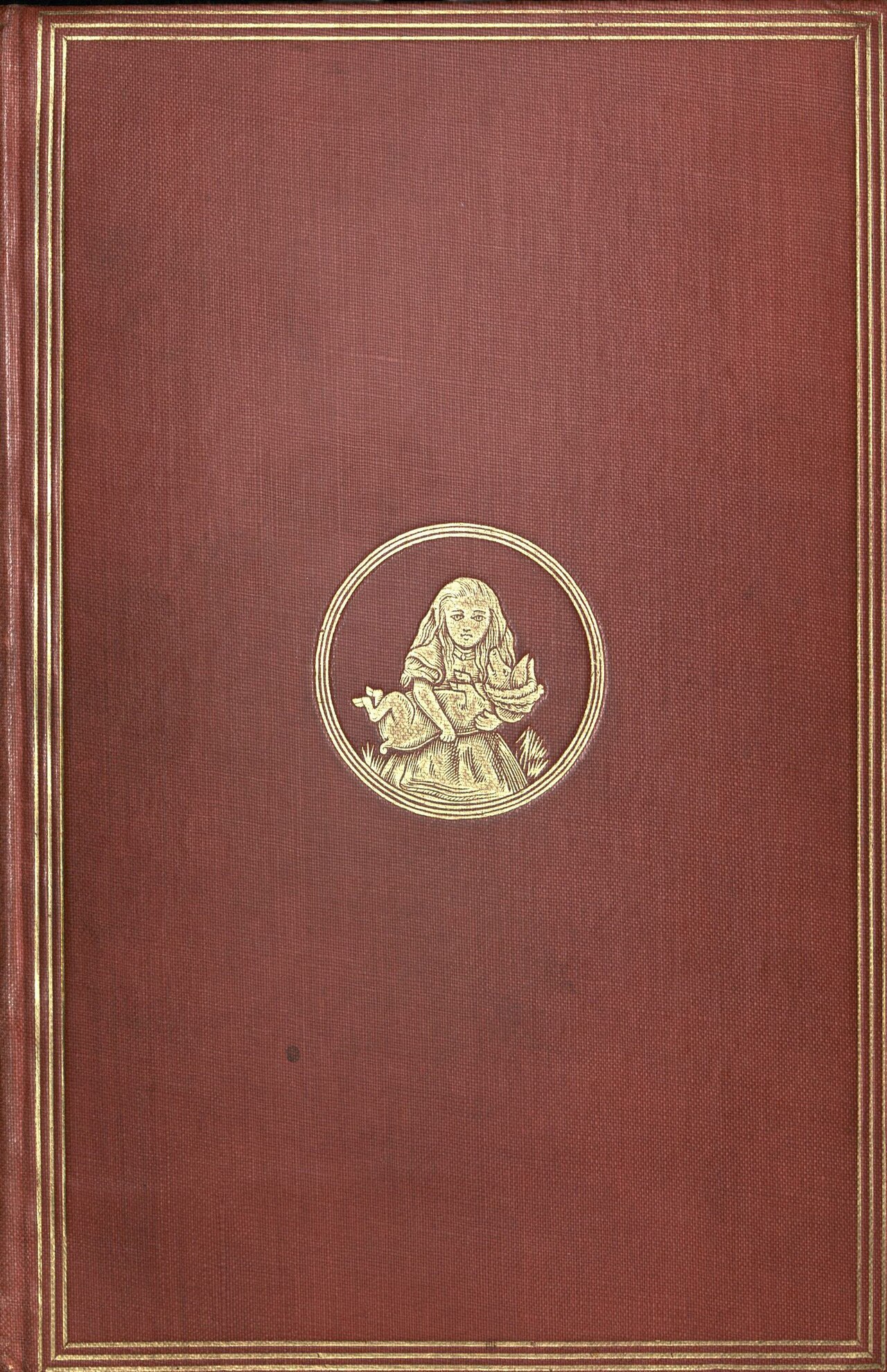 Book
Primary source
Alice's Adventures in Wonderland
Lewis Carroll · 1865
Primary source
Alice's Adventures Under Ground
Lewis Carroll · 1864
 Book
Primary source
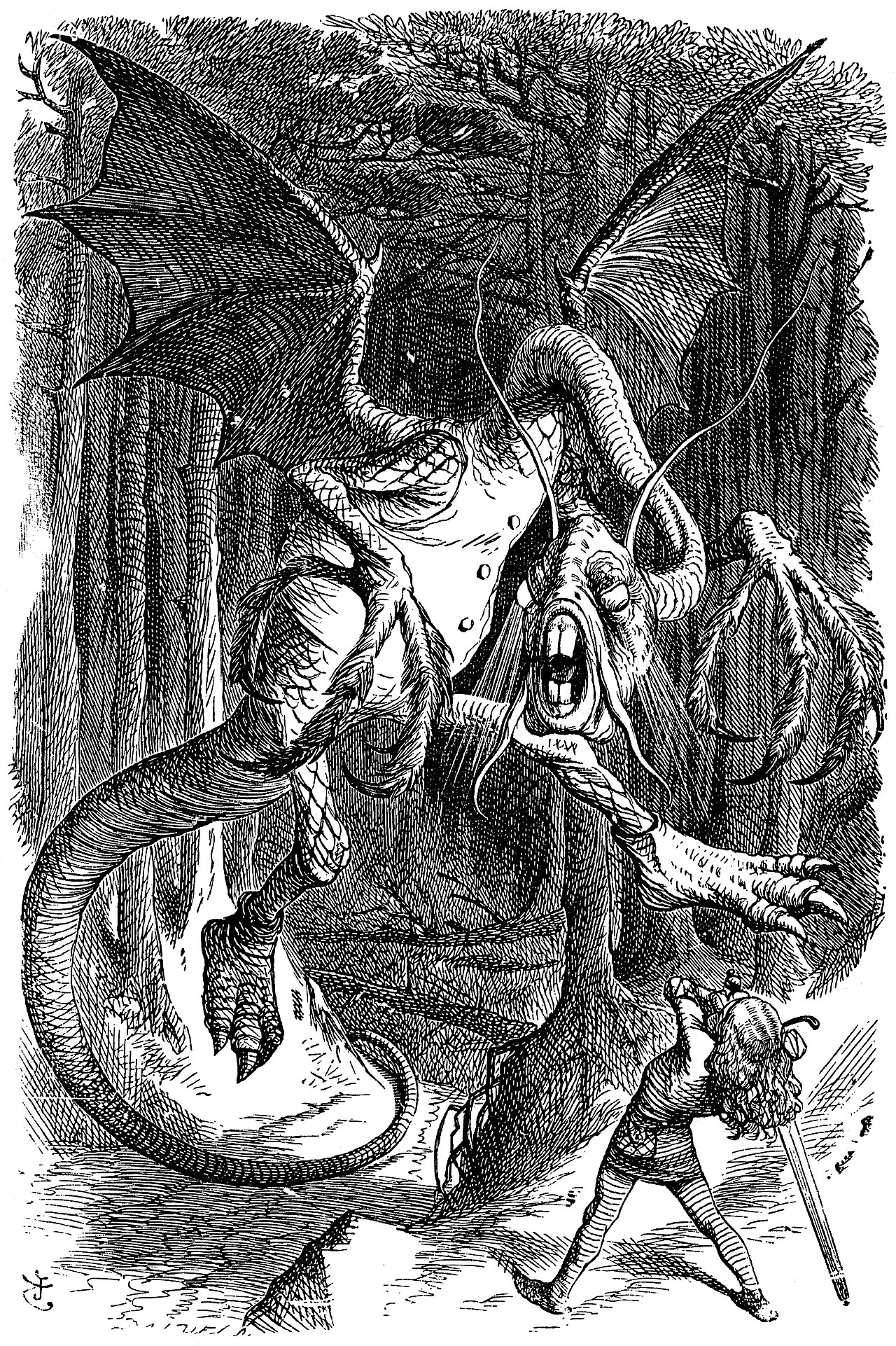
Jabberwocky
Lewis Carroll · 1871
 Book
Primary source
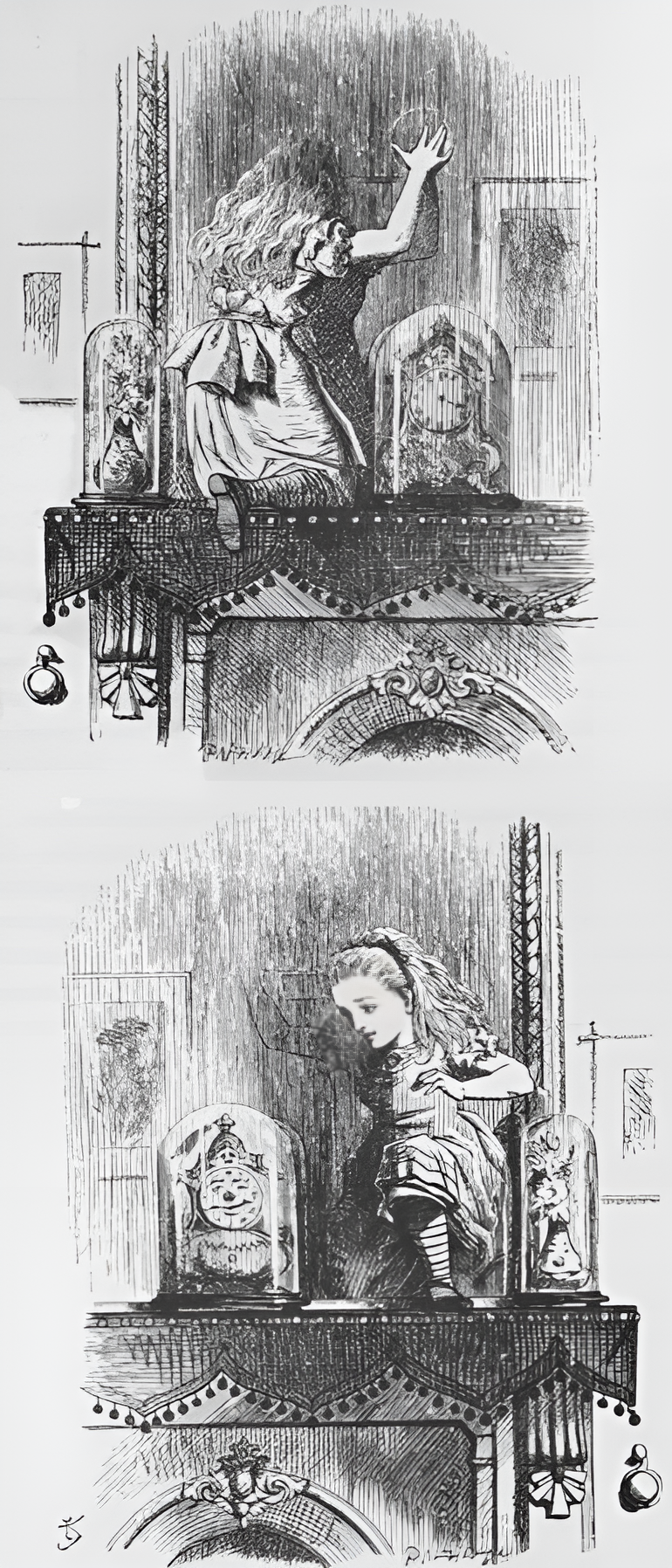
Through the Looking-Glass
Lewis Carroll · 1871
 Book
Primary source
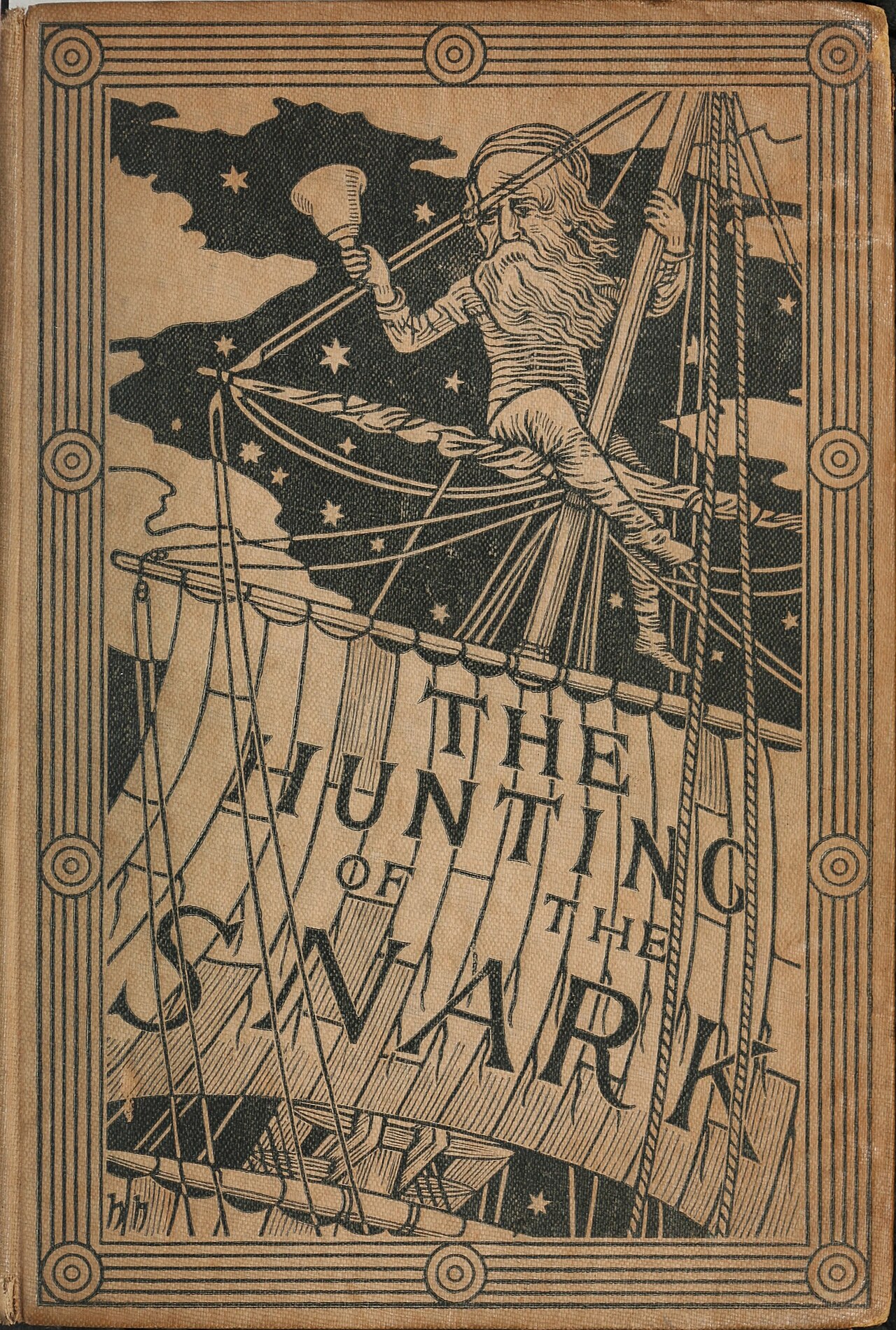
The Hunting of the Snark
Lewis Carroll · 1876
Ready when you are
Start chatting with Lewis Carroll now.
20 messages free · No credit card · Available in 50+ languages.