


Primary sourcePainting1766
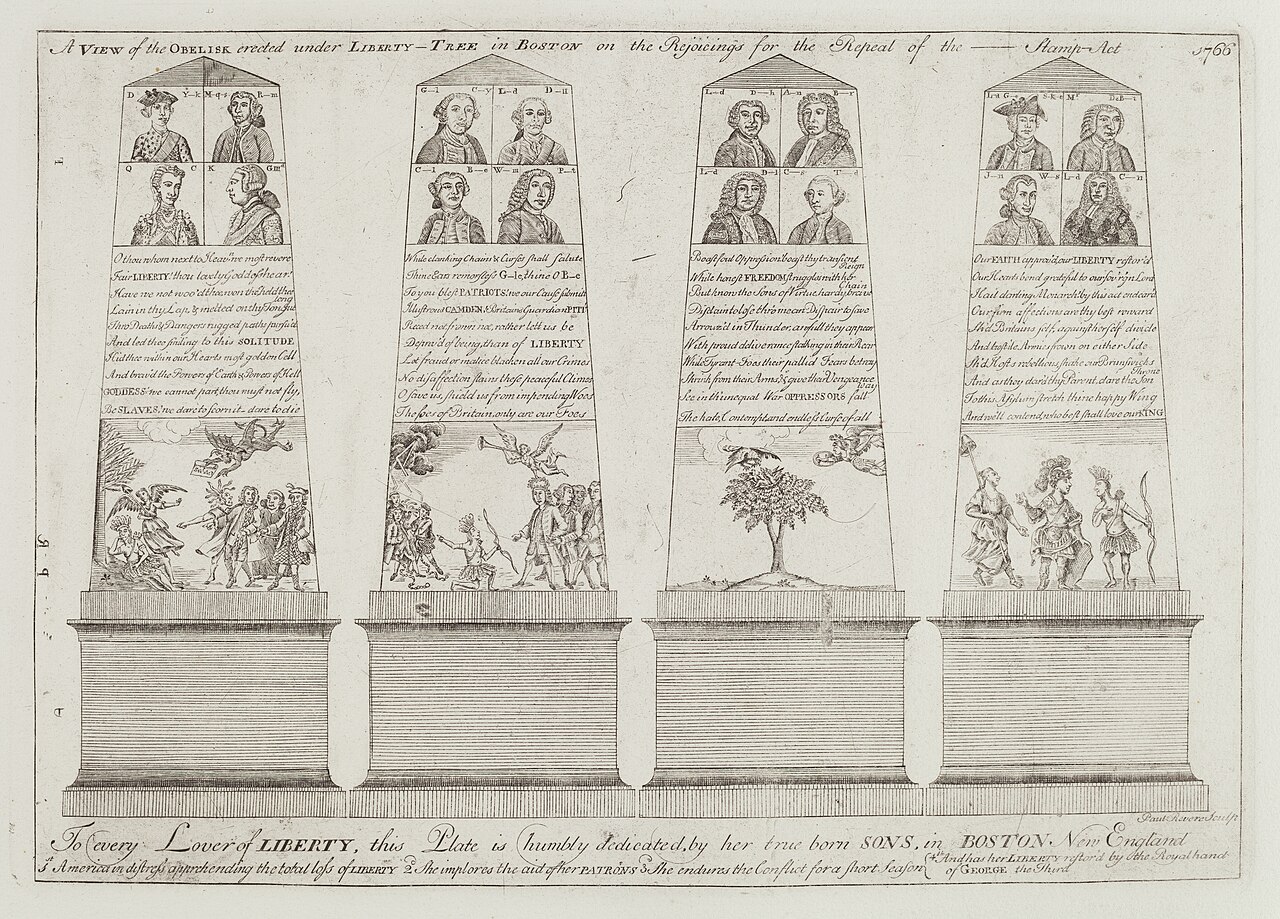
The Obelisk under the Liberty Tree, Boston
Paul Revere · 1766
An engraved print designed by Paul Revere celebrating the repeal of the Stamp Act, one of his earliest political images.
Revere designed and engraved this print, showing his early role as a political propagandist for the Patriot cause.
About this source
What it is
This is an engraved print made by Paul Revere, showing a design for an illuminated obelisk that stood under Boston's Liberty Tree. It is dated 1766 and is held in the Rosenwald Collection at the National Gallery of Art.
The print shows a four-sided obelisk decorated with portrait medallions, verses, and allegorical scenes, standing on a stepped pedestal.
Why it matters
The obelisk celebrated the repeal of the Stamp Act, a tax the colonists had strongly opposed. Revere, already active in Boston's resistance movement, used his skills as an engraver to spread political messages through images that ordinary people could understand, even before the Revolution began.
Look closer
- What symbols or figures can you find on the obelisk, and what might they represent?
- Why might an artist use an image like this instead of just writing about politics?
- What does this tell you about how news and opinions spread in colonial Boston?
This painting is part of the curated material that grounds the AI version of Paul Revere on Humy.ai — when students ask about related events, the AI can quote it and cite it.
More Paul Revere sources
Meet the AI Paul Revere →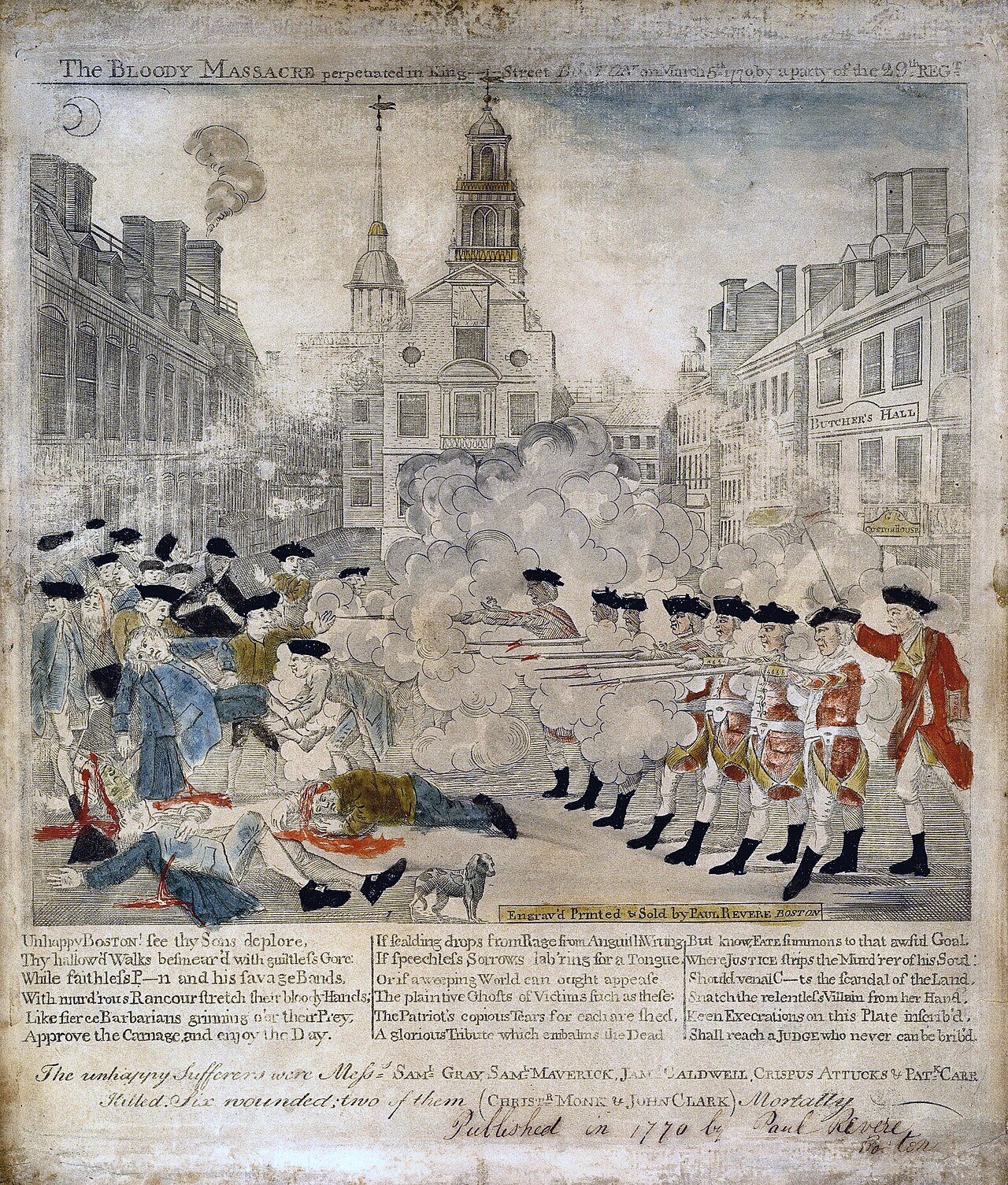 Painting
Primary source
The Bloody Massacre
Paul Revere · 1770
 Painting
Primary source
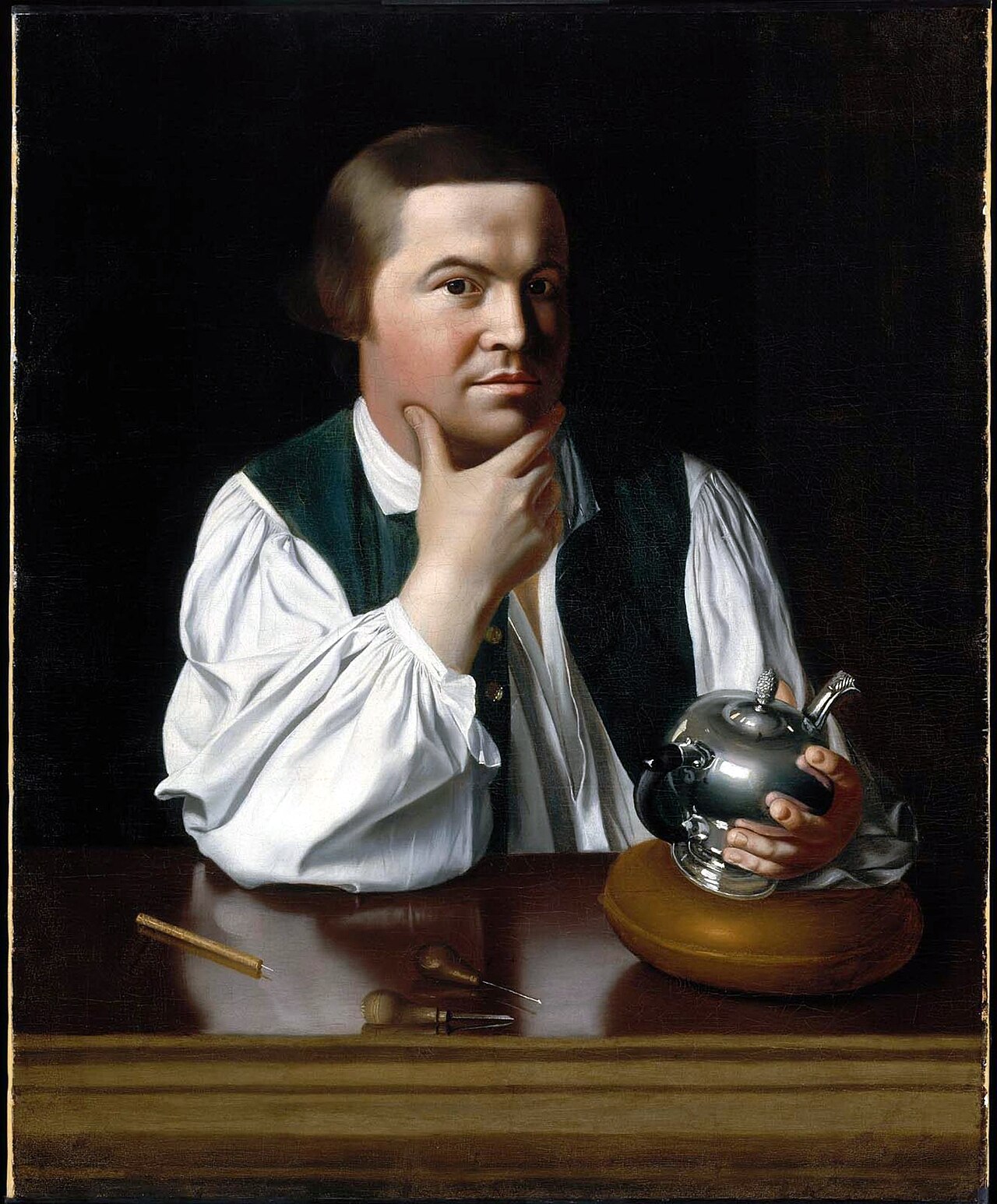
Portrait of Paul Revere
John Singleton Copley · 1768
 Artifact
Primary source
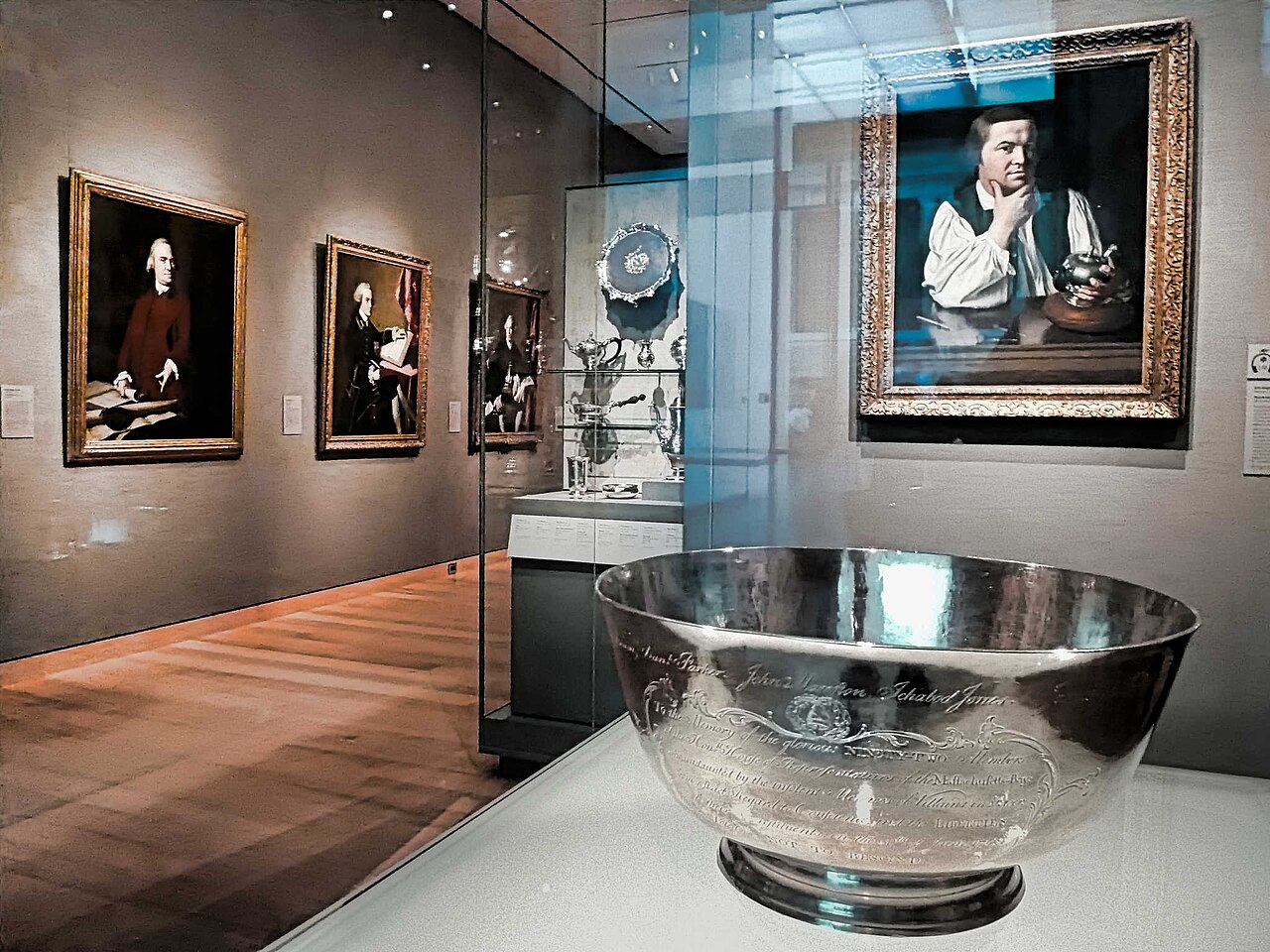
Sons of Liberty Bowl
Paul Revere · 1768
 Book
Secondary source
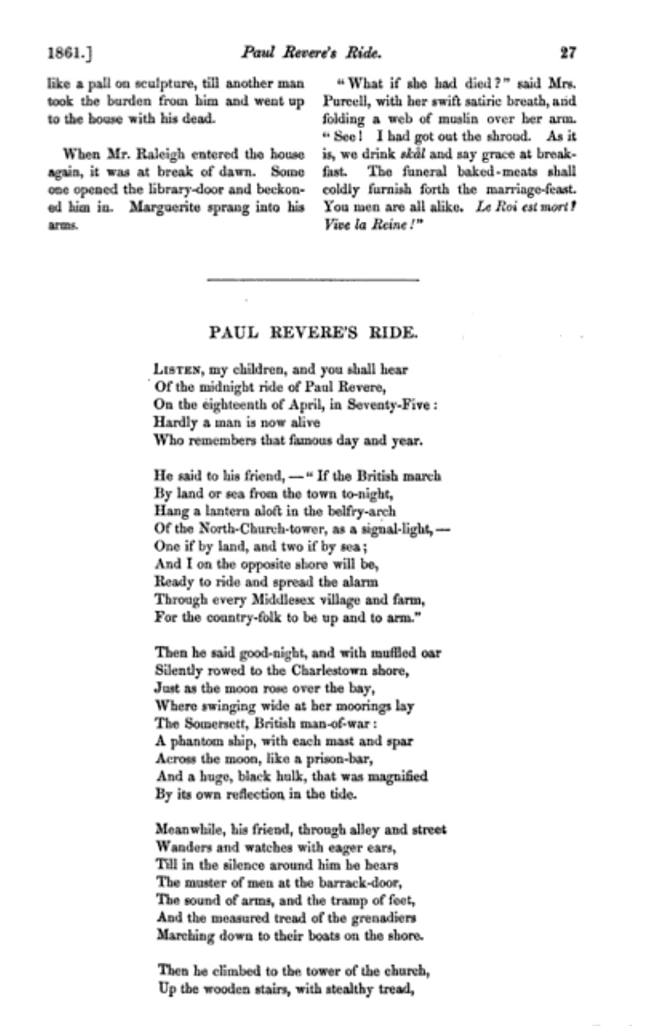
Paul Revere's Ride
Henry Wadsworth Longfellow · 1860
 Artifact
Primary source
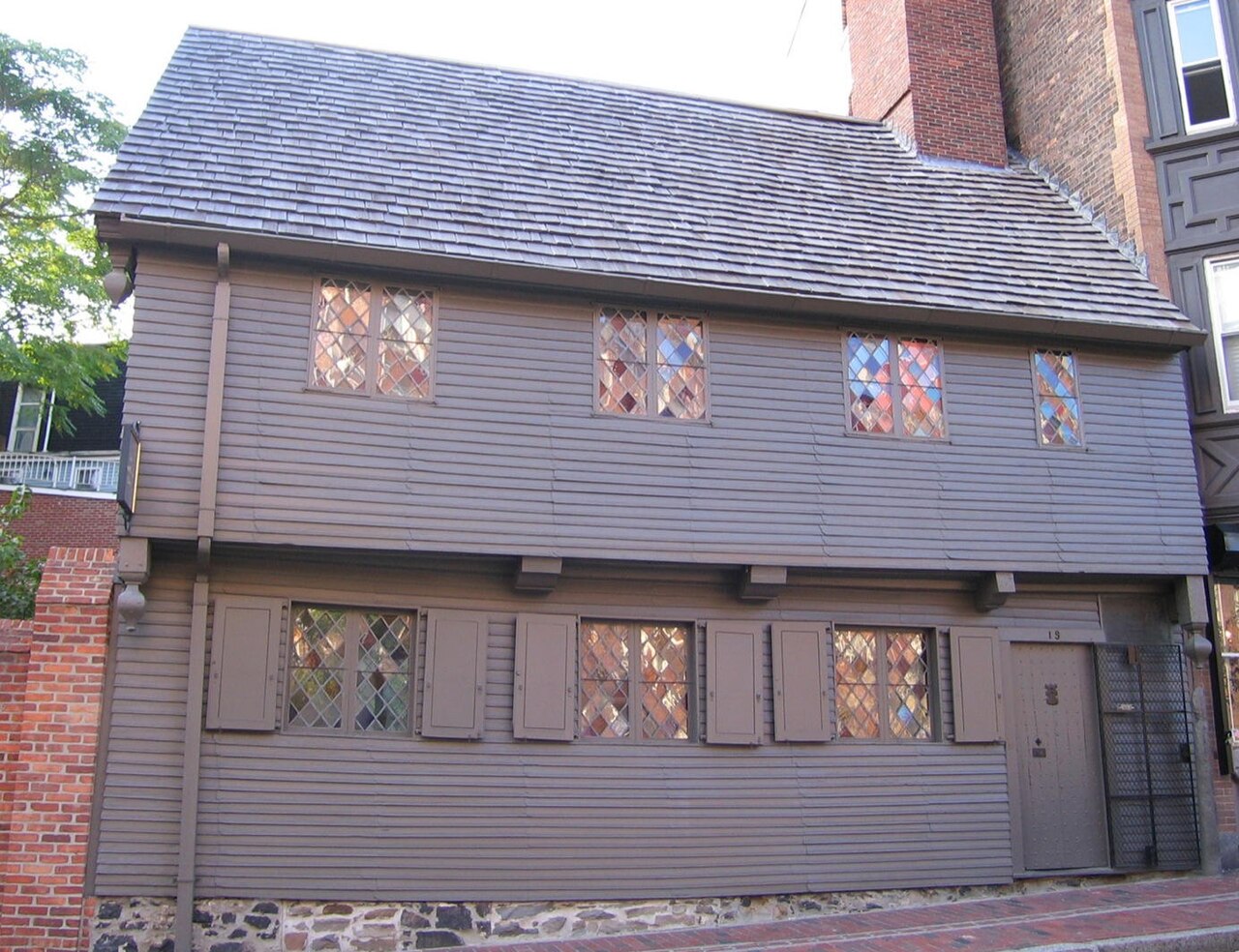
Paul Revere House
c. 1680
Ready when you are
Start chatting with Paul Revere now.
20 messages free · No credit card · Available in 50+ languages.