


Primary sourceBookPublished 1633 in Songs and Sonnets
The Paradox
John Donne · Published 1633 in Songs and Sonnets
A poem by John Donne from Songs and Sonnets built on the idea that a true lover cannot speak of love. It is the poet's own work.
A poem by Donne himself, printed in his posthumous Songs and Sonnets, showing his playful use of paradox in love poetry.
Free Humy account · No credit card · 118,535 sources to read
About this source
What it is
“The Paradox” is a poem by John Donne. It opens with the claim that no lover says “I love,” and goes on to argue that a perfect lover cannot be judged by others. The poem uses death as an image, saying that “who loved last did die” and ending with the speaker dying of love. The listed edition is Songs and Sonnets (1633), published after Donne’s death in 1631.
Why it matters
The title announces a paradox, an idea that seems contradictory but holds an argument. Donne builds his poem on that tension between silence and speech, and between life and death. The poem is typical of the clever, argumentative style that marks much of his love poetry and helped shape English poetry in the seventeenth century.
Look closer
- How does the poem make a claim that seems to contradict itself, and does it persuade you?
- Why might a poet of Donne’s time write about love in terms of death and epitaphs?
- Whose voice speaks in the poem, and what might it leave out about real love?
This book is part of the curated material that grounds the AI version of John Donne on Humy.ai — when students ask about related events, the AI can quote it and cite it.
More John Donne sources
Browse all 83 →Primary source
Poems
John Donne · 1633
Primary source
Death Be Not Proud
John Donne · 1609 (published 1633)
 Book
Primary source
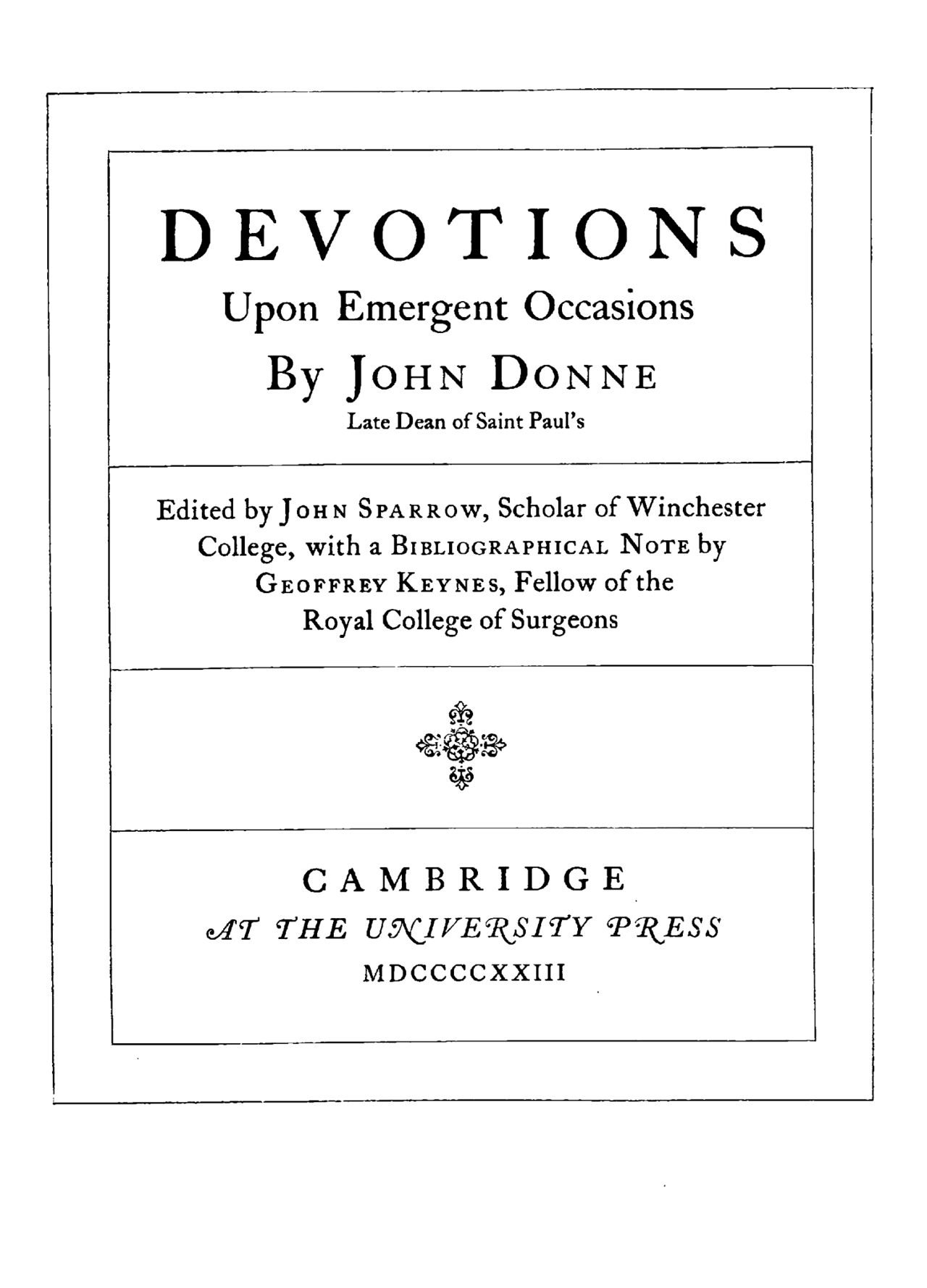
Devotions upon Emergent Occasions
John Donne · 1624
 Book
Primary source
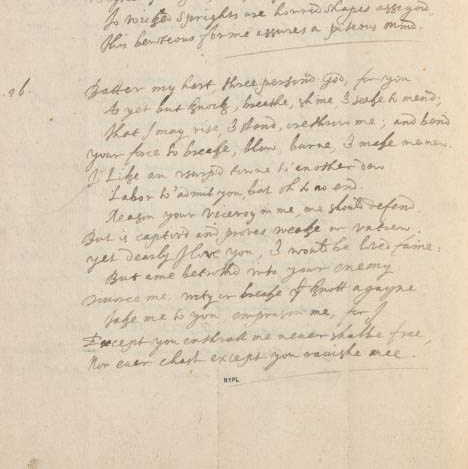
Holy Sonnets
John Donne · c. 1609-1620 (published 1633)


Free account
Read every John Donne source
Sign up free →
Ready when you are
Start chatting with John Donne now.
20 messages free · No credit card · Available in 50+ languages.