


Primary sourcePaintingc. 1567
The Peasant Dance
Pieter Bruegel the Elder · c. 1567
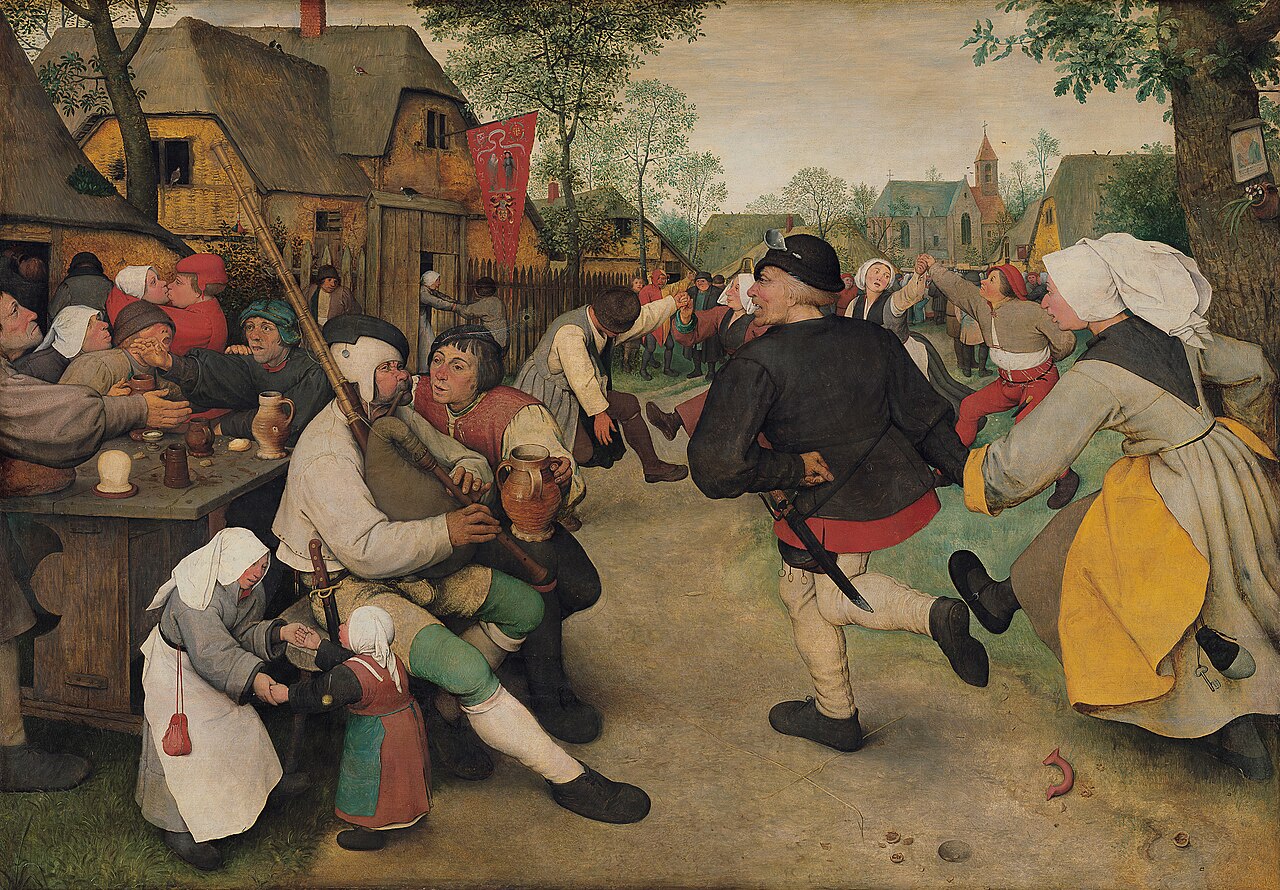
A large late painting by Bruegel of villagers dancing, drinking and feasting at a saint's day festival.
A late masterwork by Bruegel exploring peasant festivity with possible moral commentary on gluttony and vanity.
About this source
What it is
Painted around 1567 by Pieter Bruegel the Elder, this unsigned oil-on-panel shows a village festival with peasants dancing, drinking and eating outside a tavern, a church in the background. It was looted by Napoleon Bonaparte in 1808 and returned in 1815; it now hangs in the Kunsthistorisches Museum in Vienna.
Why it matters
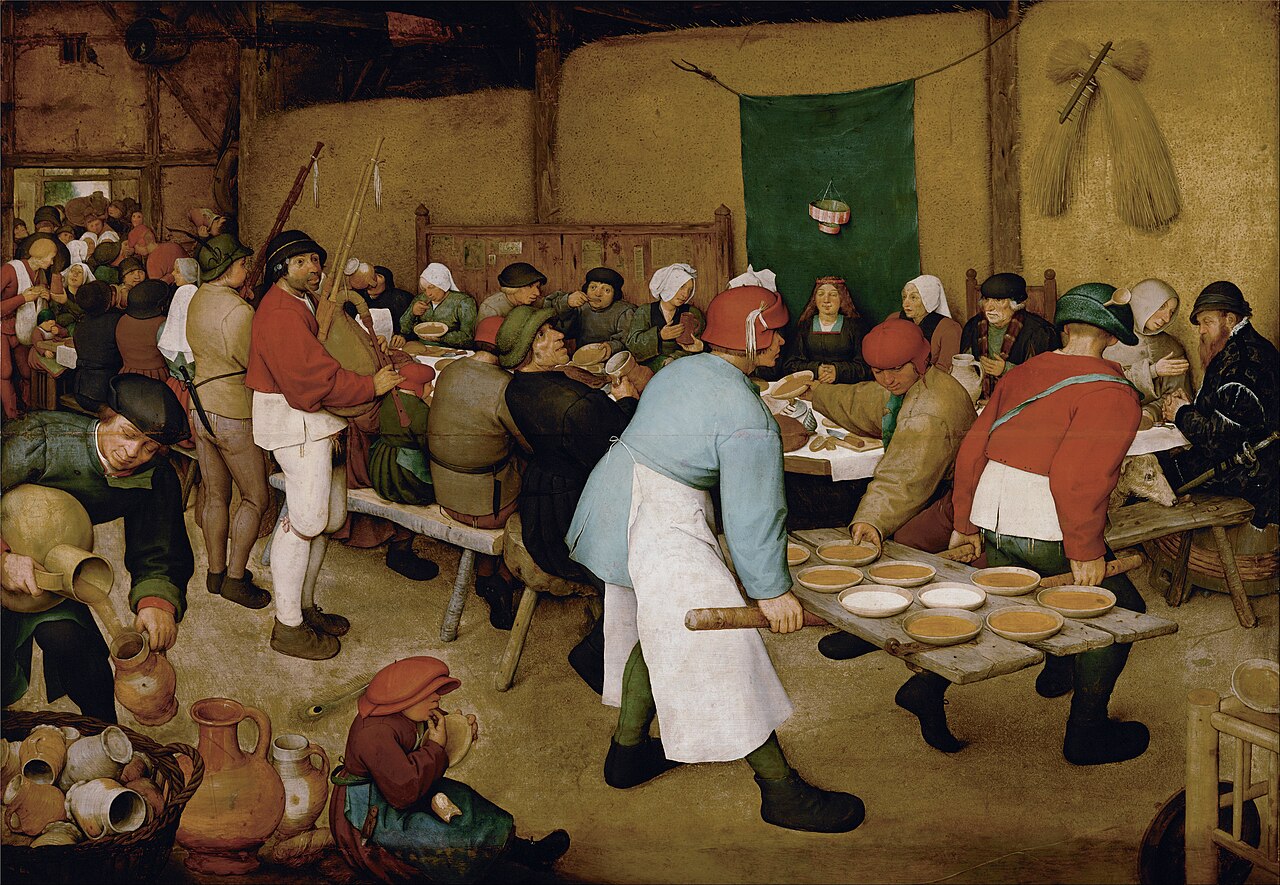
Painted at the same time and size as The Peasant Wedding, it may have been intended as a companion piece. Scholars read it as more than a simple celebration of rural life — symbols like a peacock feather hint at vanity, while the dancers turning their backs on the church suggest a moral message about neglecting spiritual matters for material pleasure.
Look closer
- What clues suggest this scene has a moral message rather than just showing a fun celebration?
- Why might the church in the background be important to the painting's meaning?
- How does Bruegel use faces and body language to show the mood of the festival?
This painting is part of the curated material that grounds the AI version of Pieter Bruegel the Elder on Humy.ai — when students ask about related events, the AI can quote it and cite it.
More Pieter Bruegel the Elder sources
Browse all 96 →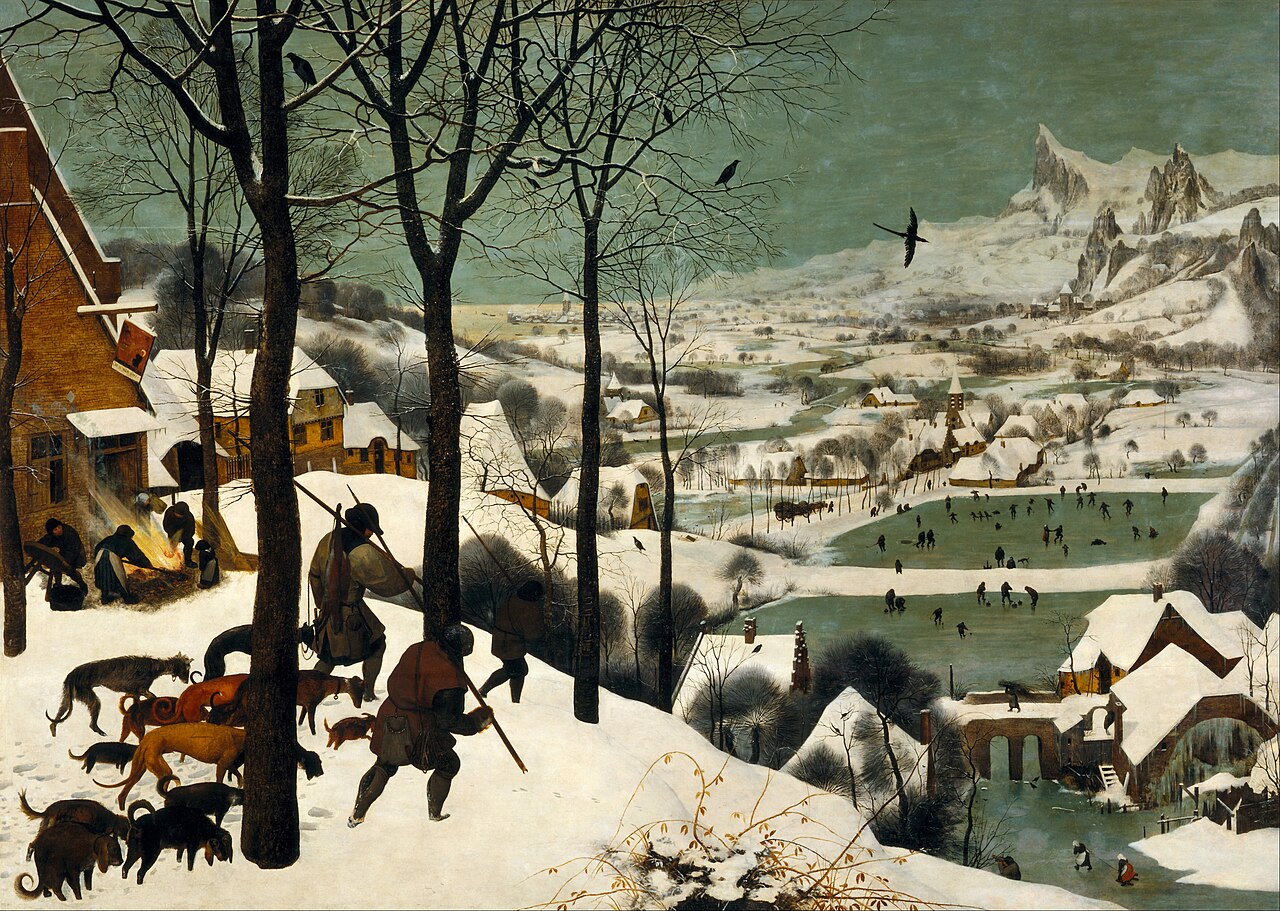 Painting
Primary source
The Hunters in the Snow
Pieter Bruegel the Elder · 1565
 Painting
Primary source
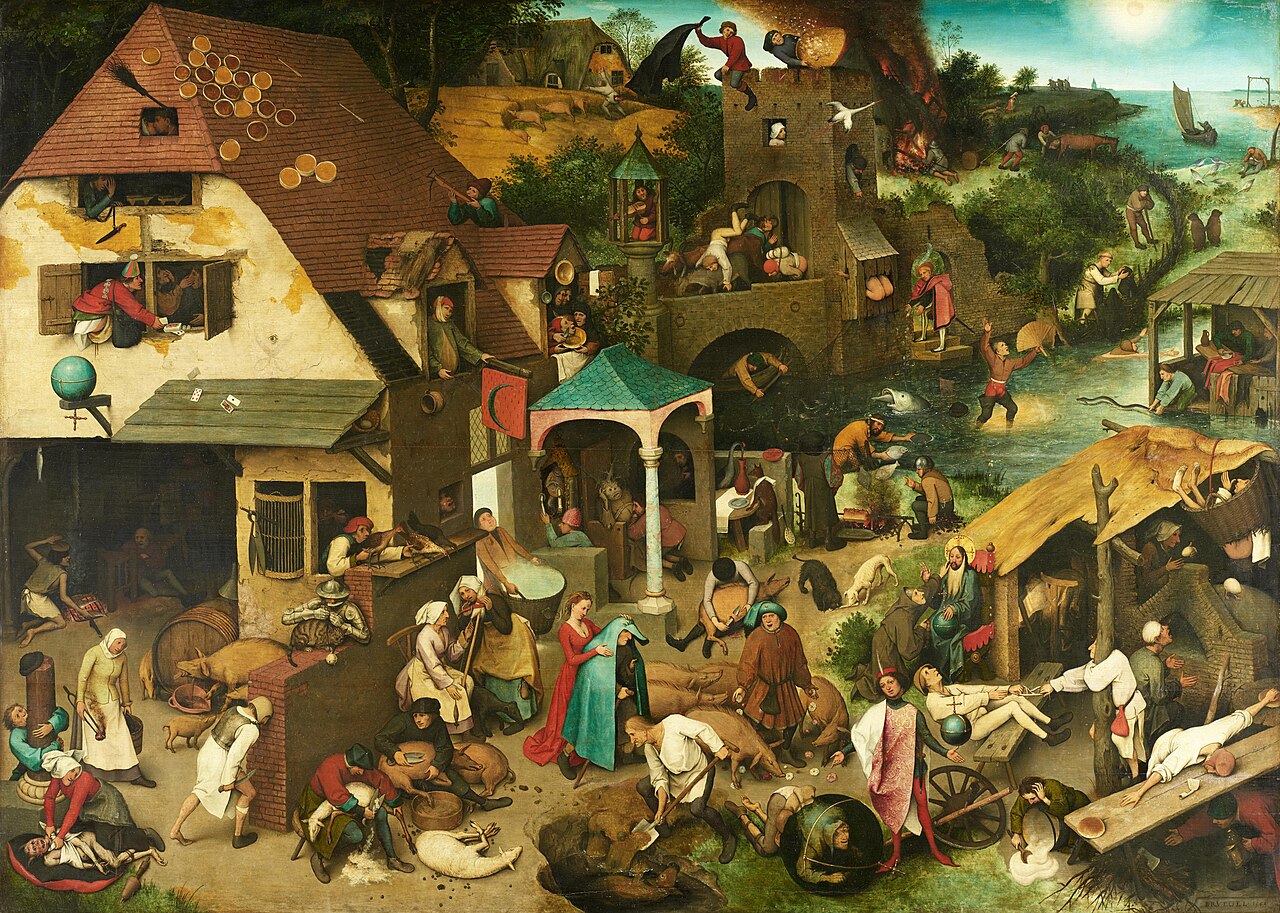
Netherlandish Proverbs
Pieter Bruegel the Elder · 1559
 Painting
Secondary source
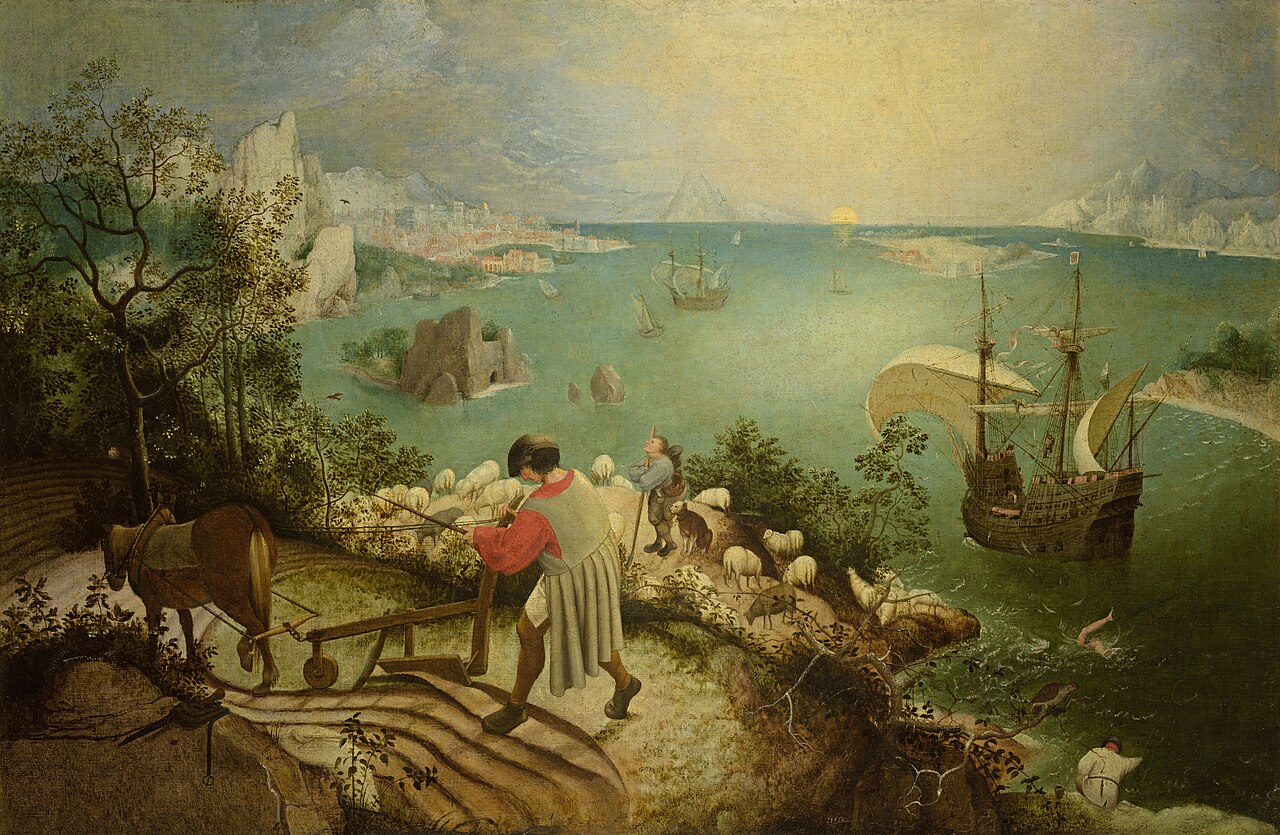
Landscape with the Fall of Icarus
Unknown (circle of Pieter Bruegel the Elder) · c. 1560s
 Painting
Primary source
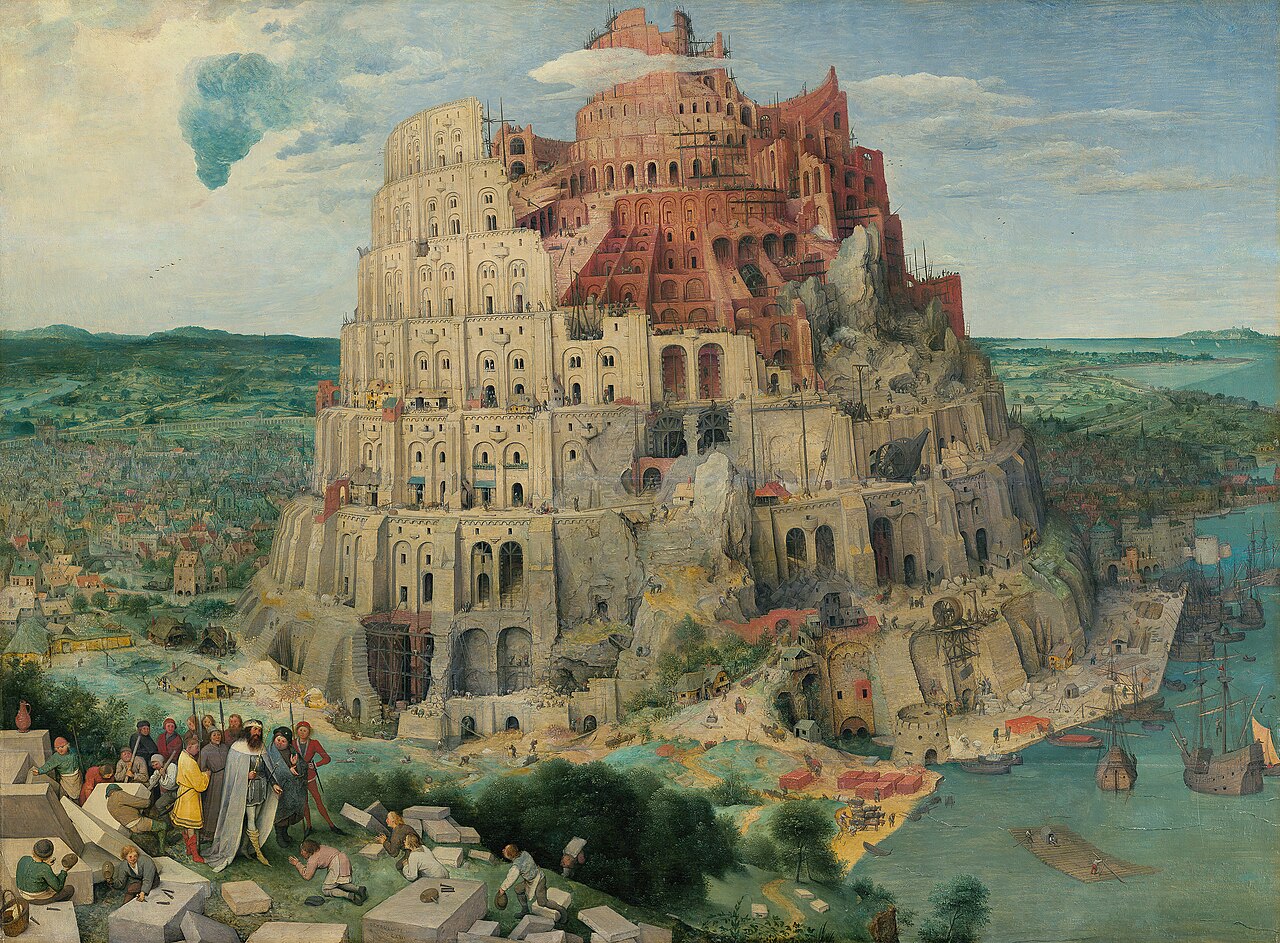
The Tower of Babel
Pieter Bruegel the Elder · 1563
Free account
Read every Pieter Bruegel the Elder source
Sign up free →
Ready when you are
Start chatting with Pieter Bruegel the Elder now.
20 messages free · No credit card · Available in 50+ languages.