


Secondary sourcePainting17th century
The Penitent Saint Peter
Francisco de Zurbarán · 17th century
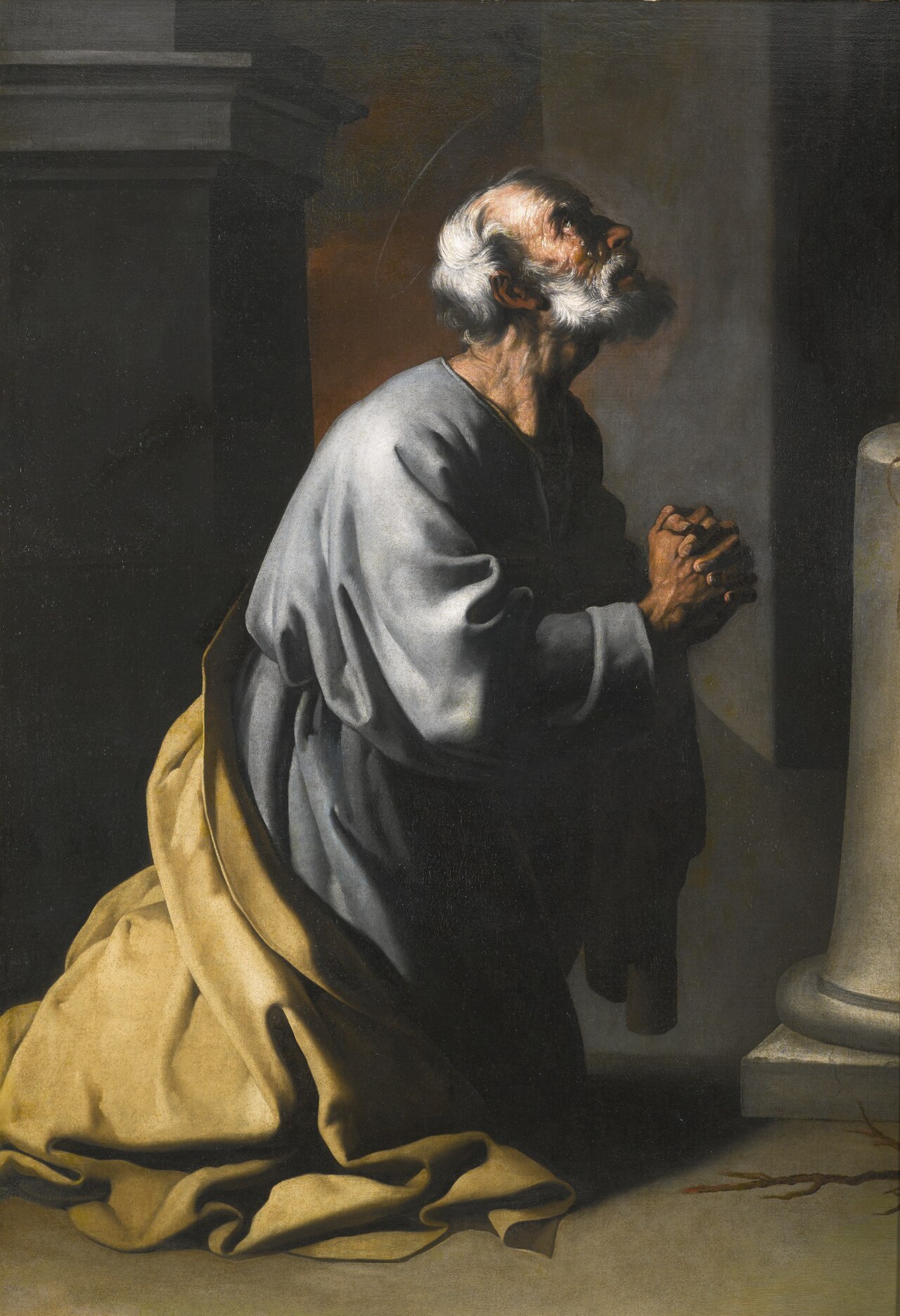
A seventeenth-century Spanish painting by Francisco de Zurbarán showing Peter kneeling in penitence after denying Jesus. It is a later artistic portrait of the apostle.
Peter is shown kneeling in penitence, a moment from his life after he denied Jesus, as later artists imagined it.
About this source
What it is
This is a painting by Francisco de Zurbarán, a Spanish artist, dated to the seventeenth century. It shows an elderly bearded man with white hair kneeling in prayer, hands clasped and gazing upward. He wears a grey robe over a dark garment, and a yellow-ochre cloak lies draped on the floor. A white column stands at right against a dark background.
Why it matters
The painting shows Peter in penitence after he denied knowing Jesus, a moment described in the Gospels. Zurbarán lived in a Spain where the Catholic Church was very powerful, and images of repentant saints were used in devotion. The picture reveals how Counter-Reformation painters wanted viewers to feel sorrow and faith when they looked at a holy figure.
Look closer
- How do the dark background and the light on the figure direct your attention?
- What does the kneeling pose and upward gaze tell you about Peter's feelings?
- Why might a church or patron have wanted a picture of a penitent apostle?
This painting is part of the curated material that grounds the AI version of Saint Peter on Humy.ai — when students ask about related events, the AI can quote it and cite it.
More Saint Peter sources
Browse all 95 →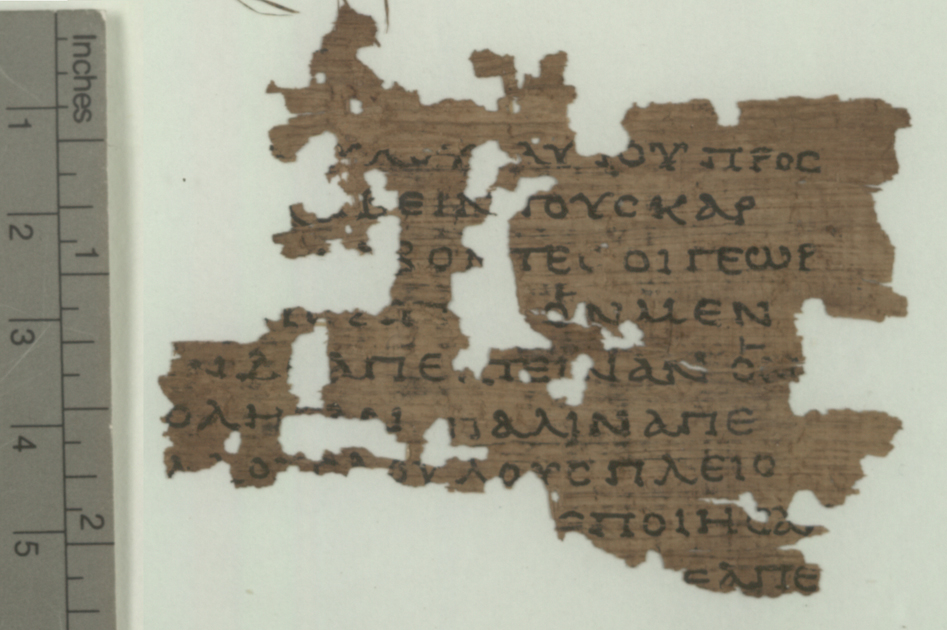 Book
Secondary source
Gospel of Matthew
Matthew the Apostle · late 1st century AD
 Book
Secondary source
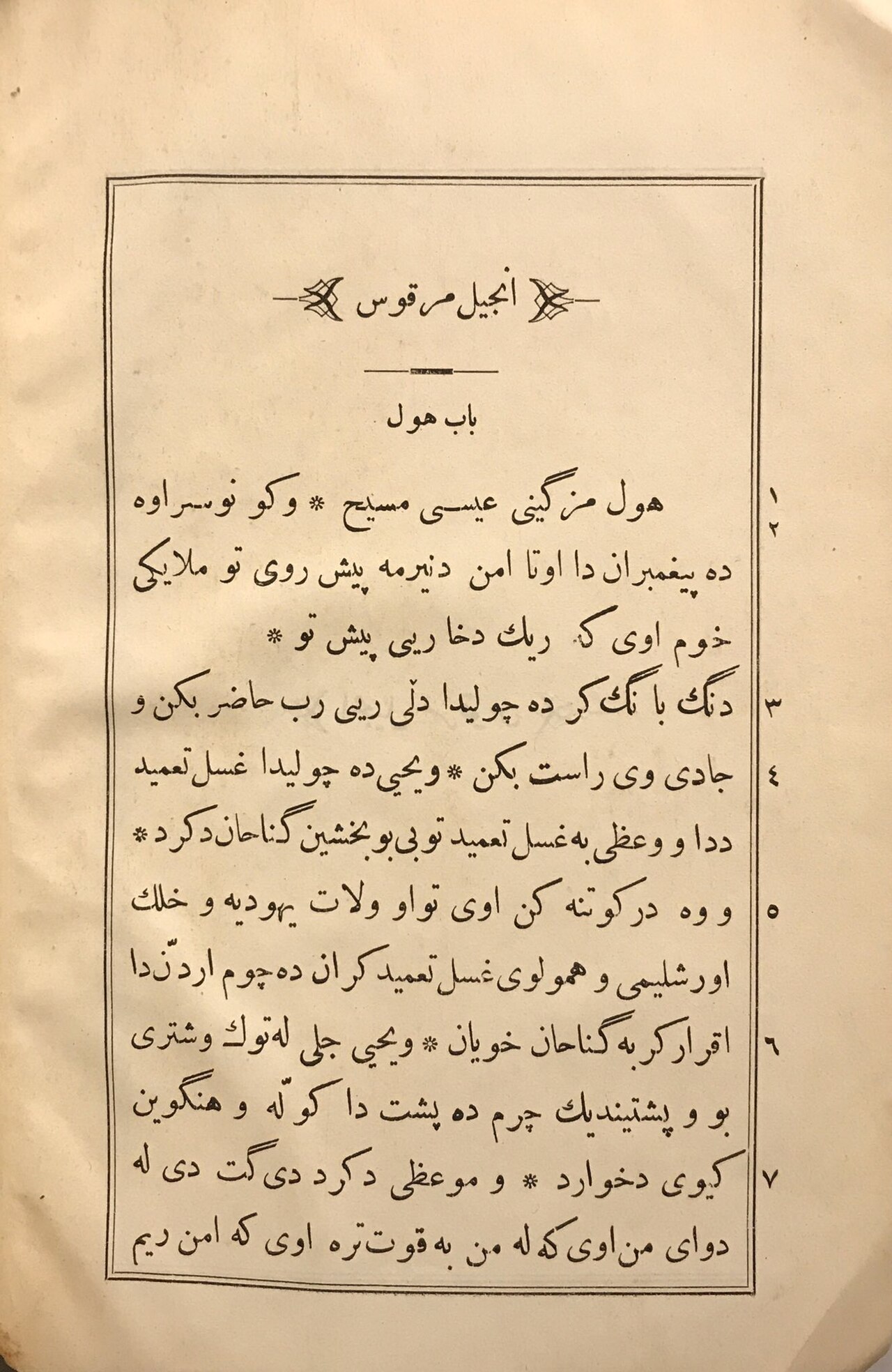
Gospel of Mark
Mark the Evangelist · c. AD 66-75
 Book
Secondary source
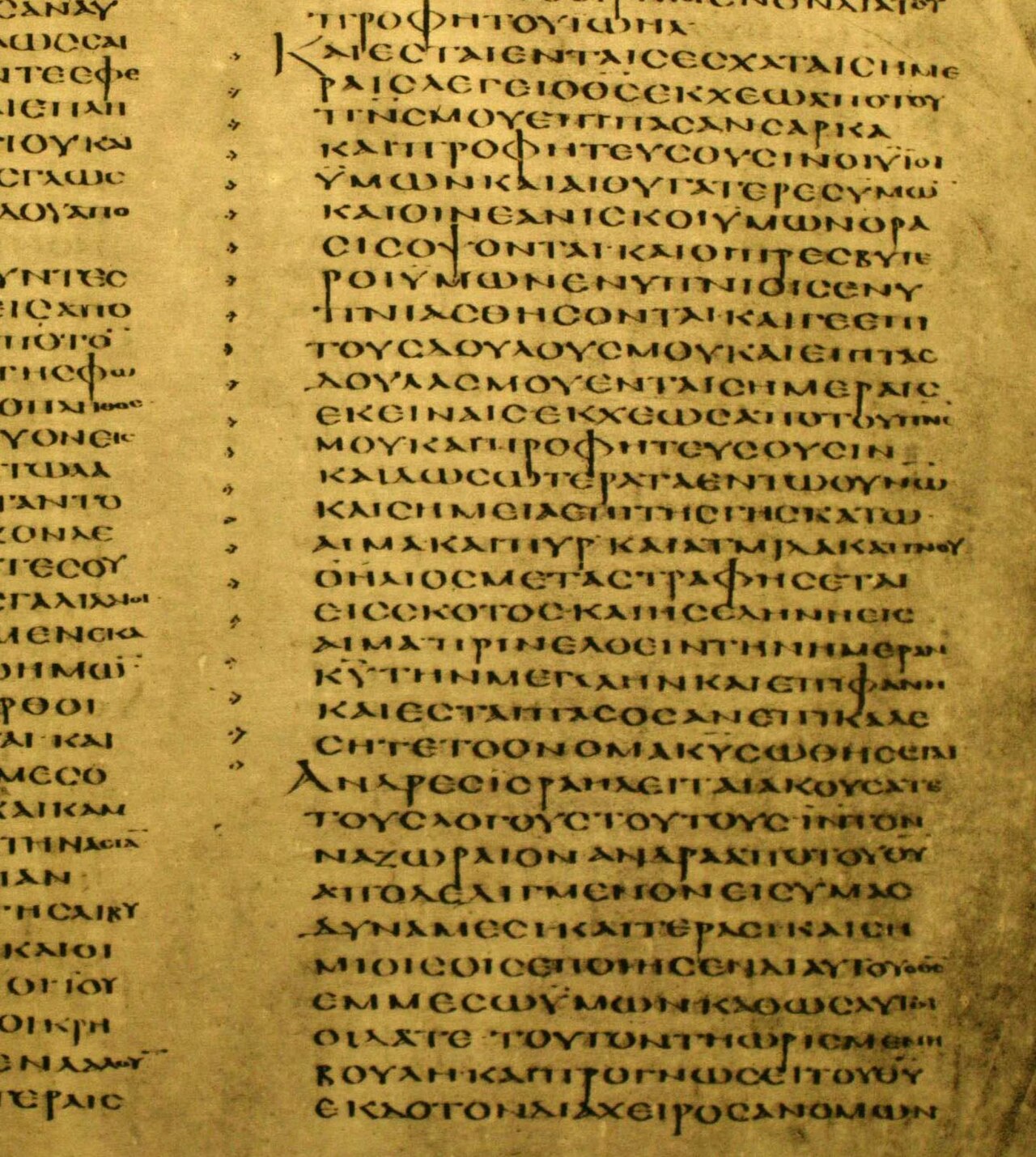
Acts of the Apostles
Luke the Evangelist · c. 80-90 AD
 Letter
Primary source
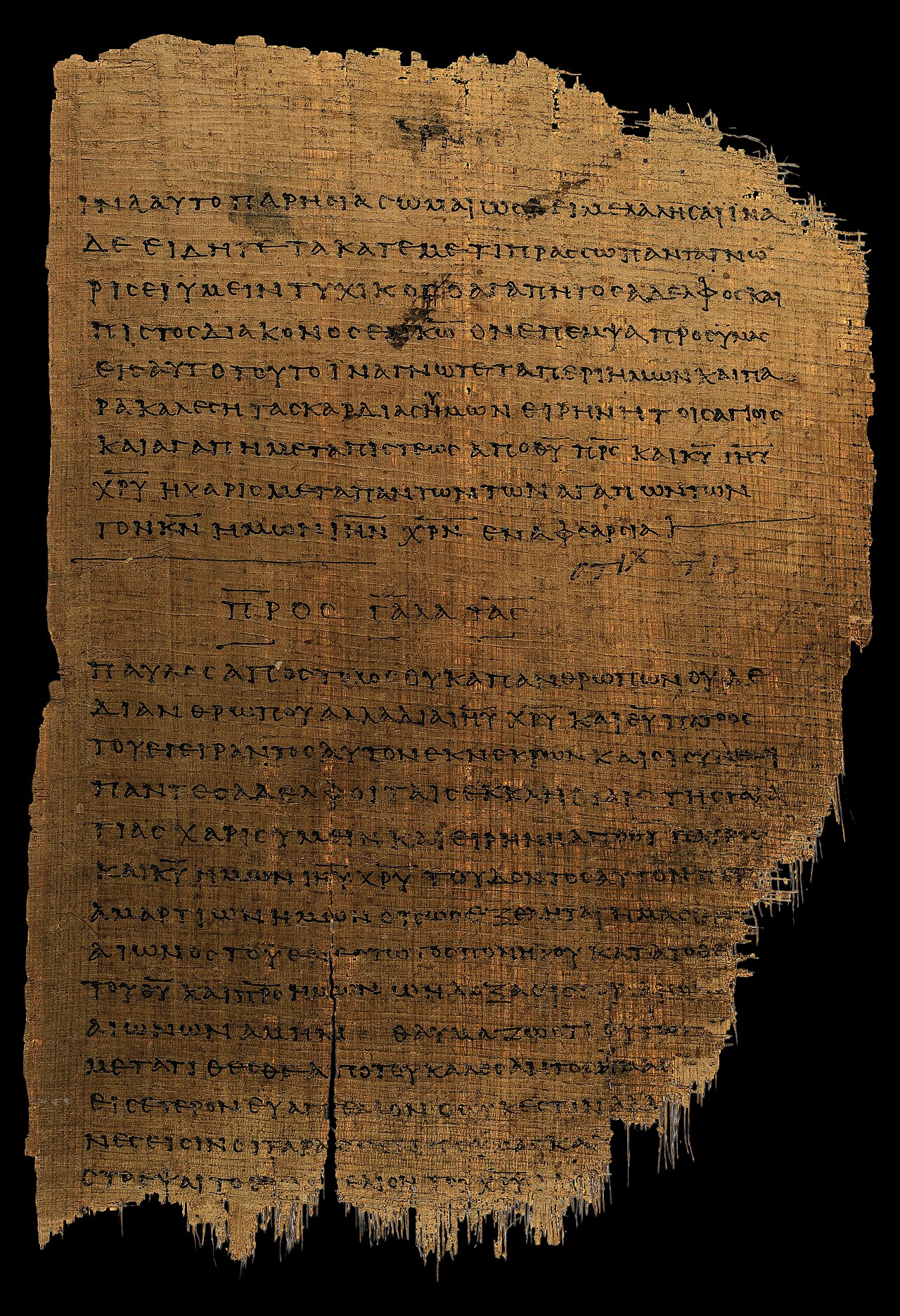
Epistle to the Galatians
Paul the Apostle · c. AD 48

Free account
Read every Saint Peter source
Sign up free →
Ready when you are
Start chatting with Saint Peter now.
20 messages free · No credit card · Available in 50+ languages.