


Primary sourceBook1898
The Perfect Wagnerite
George Bernard Shaw · 1898
Shaw's 1898 commentary interpreting Wagner's Ring cycle as an allegory of capitalism's collapse, drawing on his years as a music critic.
Shaw wrote this commentary on Wagner's Ring, drawing on his career as a music critic to argue a socialist reading of the opera.
Free Humy account · No credit card · 120,912 sources to read
About this source
What it is
The Perfect Wagnerite: A Commentary on the Niblung's Ring is a philosophical commentary by George Bernard Shaw, published in London in 1898, on Richard Wagner's opera cycle Der Ring des Nibelungen. Shaw wrote it to help enthusiastic Wagner fans who struggled to follow the ideas behind the work and the character of Wotan.
Why it matters
The book shows Shaw applying his skills as a leading music critic to interpret Wagner's Ring in Marxist terms, as an allegory for the internal collapse of capitalism. It is also notable for identifying a shift in Wagner's musical style partway through the cycle, from pure musical drama back towards conventional opera. The work reveals how Shaw connected art, politics and his own socialist convictions.
Look closer
- Why might Shaw have felt the need to explain an opera cycle to its own admirers?
- What does reading Wagner's Ring as being about capitalism reveal about Shaw's own political views?
- What might a musicologist, rather than a socialist critic, say differently about the Ring?
This book is part of the curated material that grounds the AI version of George Bernard Shaw on Humy.ai — when students ask about related events, the AI can quote it and cite it.
More George Bernard Shaw sources
Browse all 94 →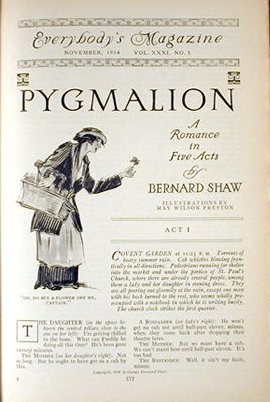 Book
Primary source
Pygmalion
George Bernard Shaw · 1912
 Book
Secondary source
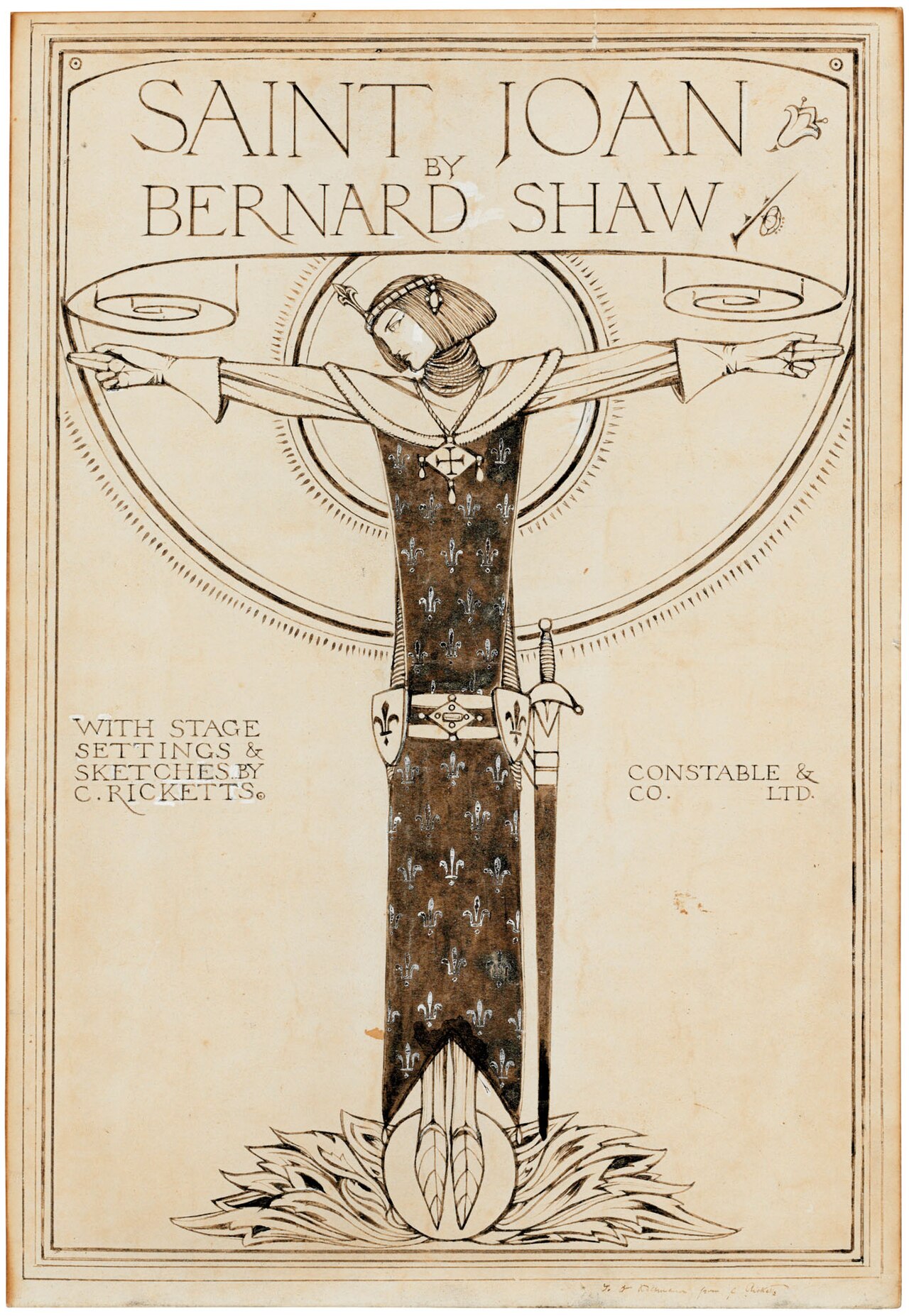
Saint Joan
George Bernard Shaw · 1923
Primary source
Man and Superman
George Bernard Shaw · 1903
Primary source
Major Barbara
George Bernard Shaw · 1905

Free account
Read every George Bernard Shaw source
Sign up free →
Ready when you are
Start chatting with George Bernard Shaw now.
20 messages free · No credit card · Available in 50+ languages.