


Primary sourceBook6 November 1880
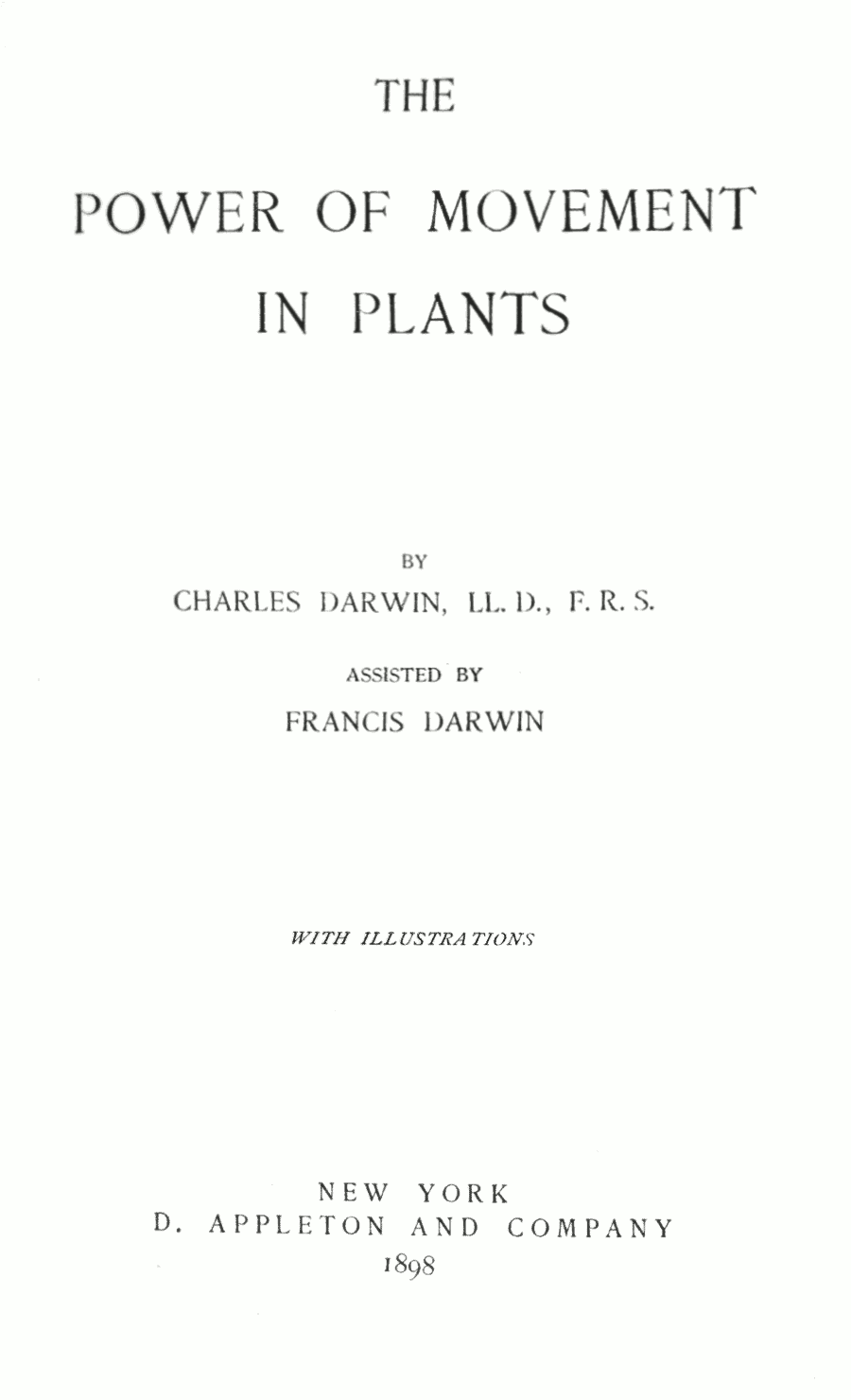
The Power of Movement in Plants
Charles Darwin, with Francis Darwin · 6 November 1880
A book by Darwin, written with his son Francis, studying how plants move in response to light, touch and gravity.
Co-written by Darwin late in life, this book shows him still developing his theory of natural selection through plant studies.
About this source
What it is
Published on 6 November 1880, this book was written by Charles Darwin with the help of his son Francis Darwin, who specialised in botany, and the assistance of George Romanes in editing. It studies how plants move, including their response to light (phototropism), touch, and gravity, and follows on from Darwin's earlier books on climbing plants and insectivorous plants.
Why it matters
The book continues Darwin's long project of showing how natural selection explains the adaptations of living things, this time in plant movement rather than animal form. Darwin identified a type of circular growth movement he called circumnutation as an important ability letting plants adapt to almost any environment, and he pointed out similarities between plants and animals in their sensitivity to touch, light and gravity. It shows Darwin, late in life, working as part of a father-son scientific team and still pushing his theory into new areas of biology.
Look closer
- Why might Darwin have needed his son's help to finish this book?
- What does Darwin's comparison between plant and animal responses suggest about how he saw the whole living world?
- What kind of patient, repeated experiments would be needed to study slow plant movements like these?
This book is part of the curated material that grounds the AI version of Charles Darwin on Humy.ai — when students ask about related events, the AI can quote it and cite it.
More Charles Darwin sources
Meet the AI Charles Darwin →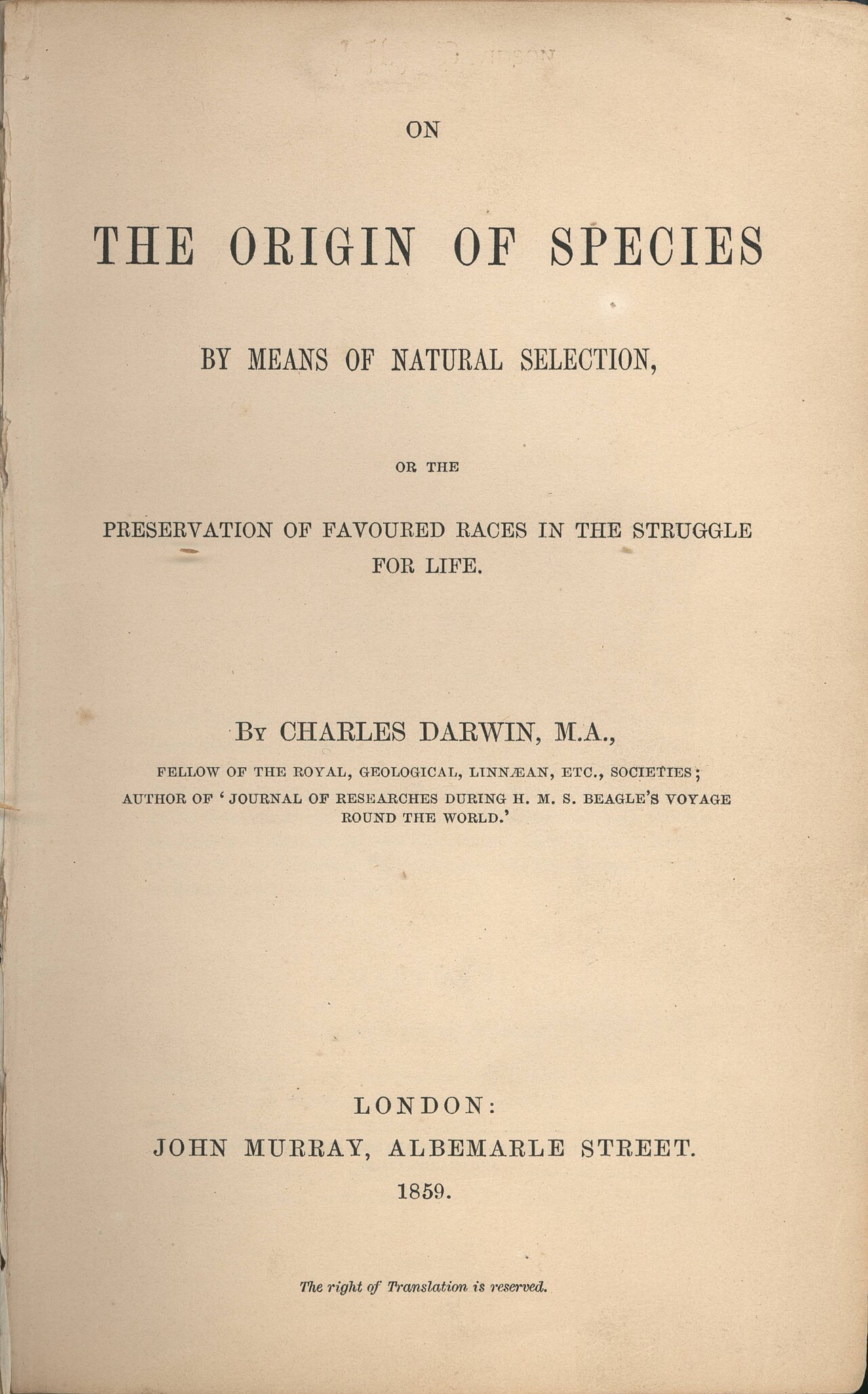 Book
Primary source
On the Origin of Species
Charles Darwin · 1859
 Diary entry
Primary source
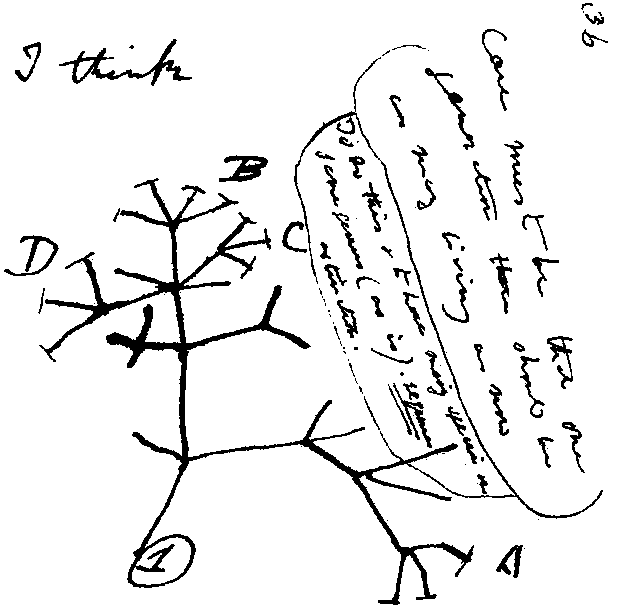
Notebook B 'I think' Tree of Life Sketch
Charles Darwin · c. July 1837
 Document
Primary source
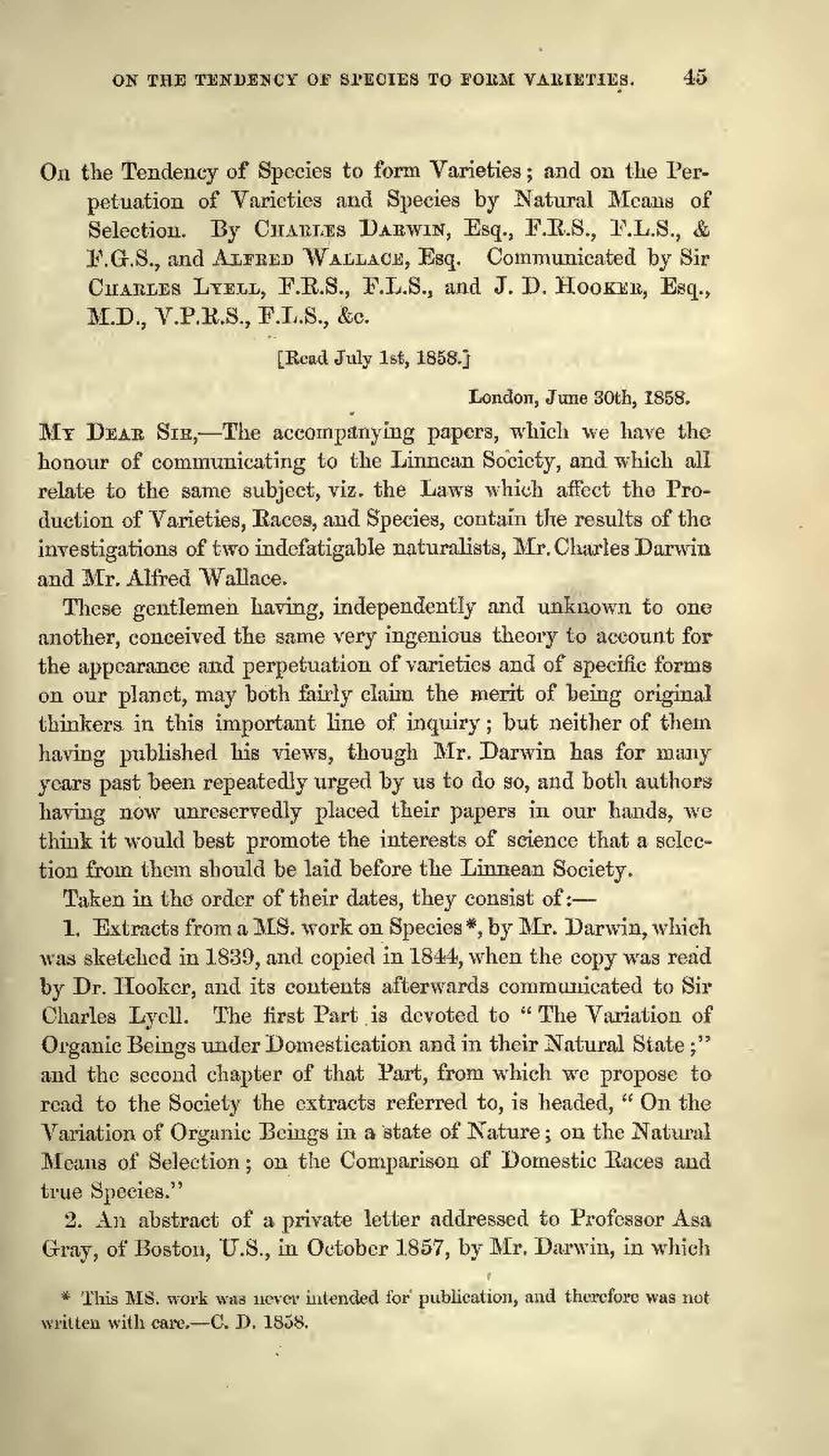
On the Tendency of Species to Form Varieties
Charles Darwin / Alfred Russel Wallace · 1858
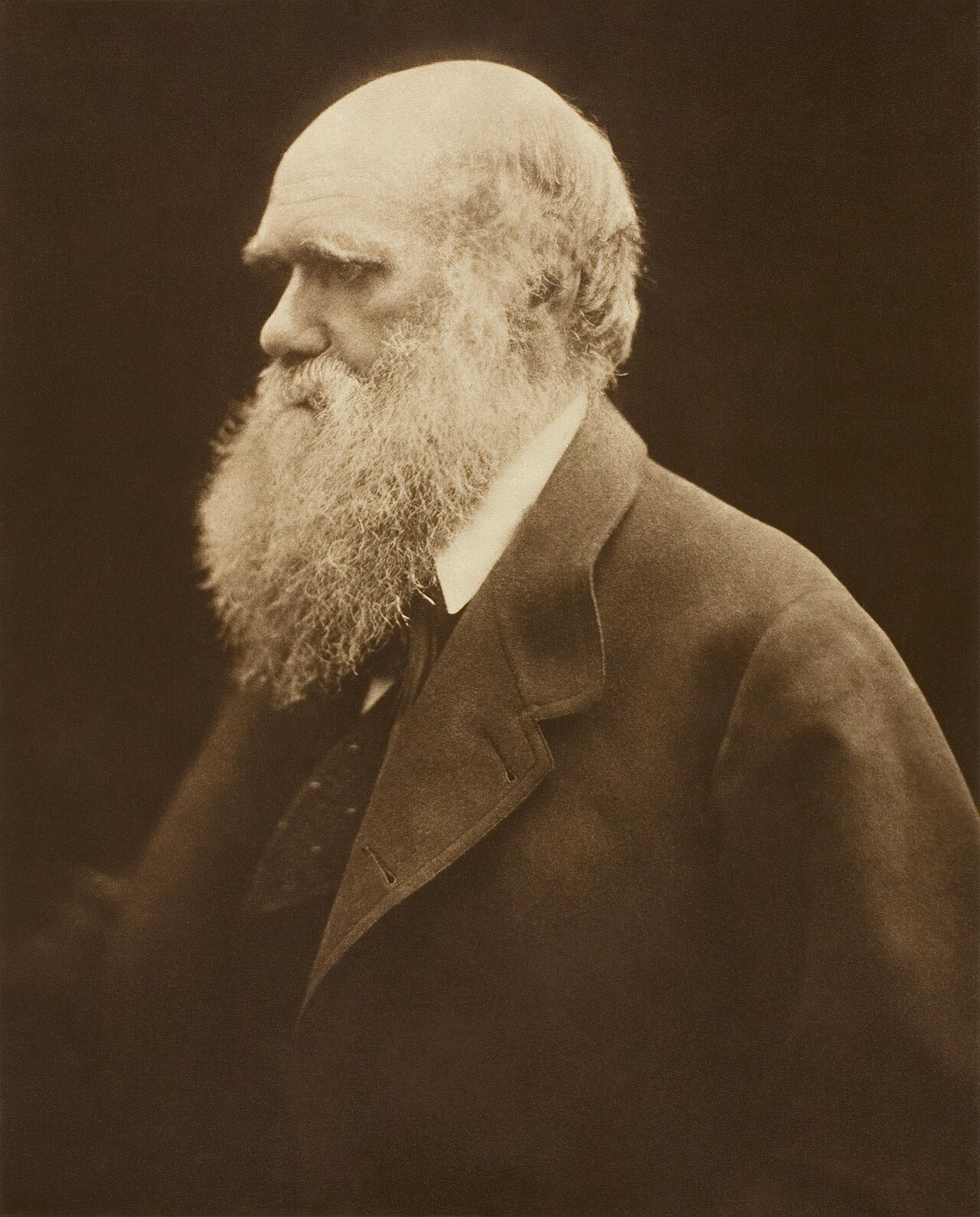 Photograph
Primary source
Charles Darwin by Julia Margaret Cameron
Julia Margaret Cameron · c. 1868
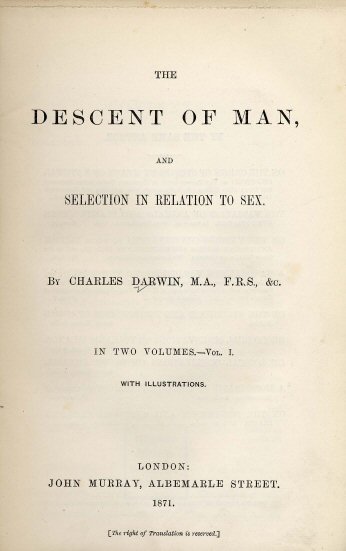 Book
Primary source
The Descent of Man, and Selection in Relation to Sex
Charles Darwin · 1871
Ready when you are
Start chatting with Charles Darwin now.
20 messages free · No credit card · Available in 50+ languages.