


Primary sourcePainting1793
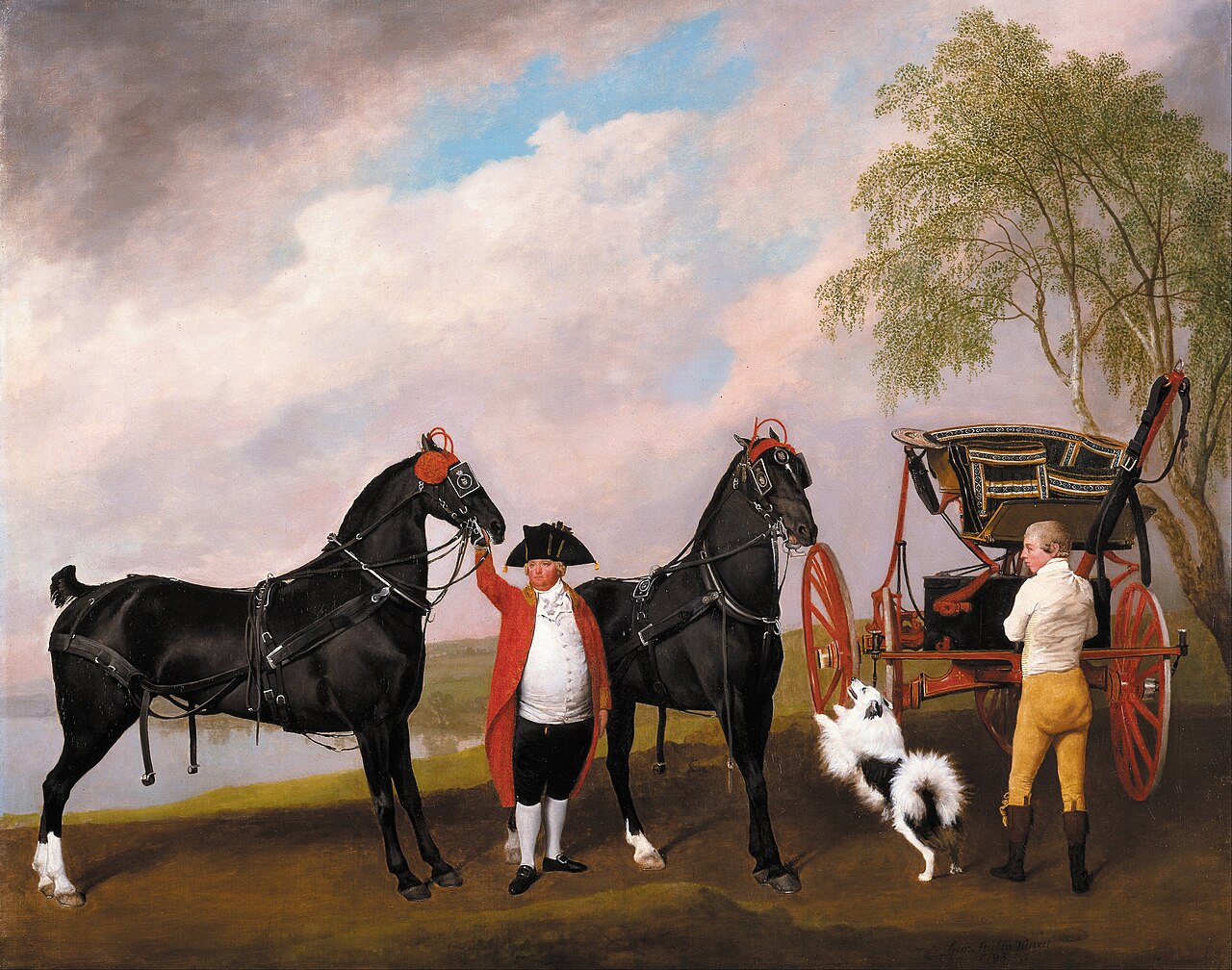
The Prince of Wales's Phaeton
George Stubbs · 1793
A painting by George Stubbs of the Prince of Wales's racing carriage, horses, coachman and dog, commissioned by the future George IV.
George IV, then Prince of Wales, commissioned this painting of his own carriage and horses.
About this source
What it is
This oil painting on panel was made in 1793 by the British artist George Stubbs. It shows a phaeton, a fashionable racing carriage, along with two horses, the coachman Samuel Thomas in livery, and the prince's dog Fino. It hung at Carlton House and later Royal Lodge, and remains in the Royal Collection today.
Why it matters
The painting was commissioned by the Prince of Wales, later George IV, as part of a series of works he ordered from Stubbs. It reflects the prince's love of horses, carriages and lavish display, giving a glimpse into the extravagant lifestyle of the future king long before he took the throne.
Look closer
- What details in the painting suggest wealth and status?
- Why might the prince have wanted his carriage and servants painted so carefully?
- What does the choice of subject tell you about what mattered to him?
This painting is part of the curated material that grounds the AI version of George IV on Humy.ai — when students ask about related events, the AI can quote it and cite it.
More George IV sources
Browse all 97 →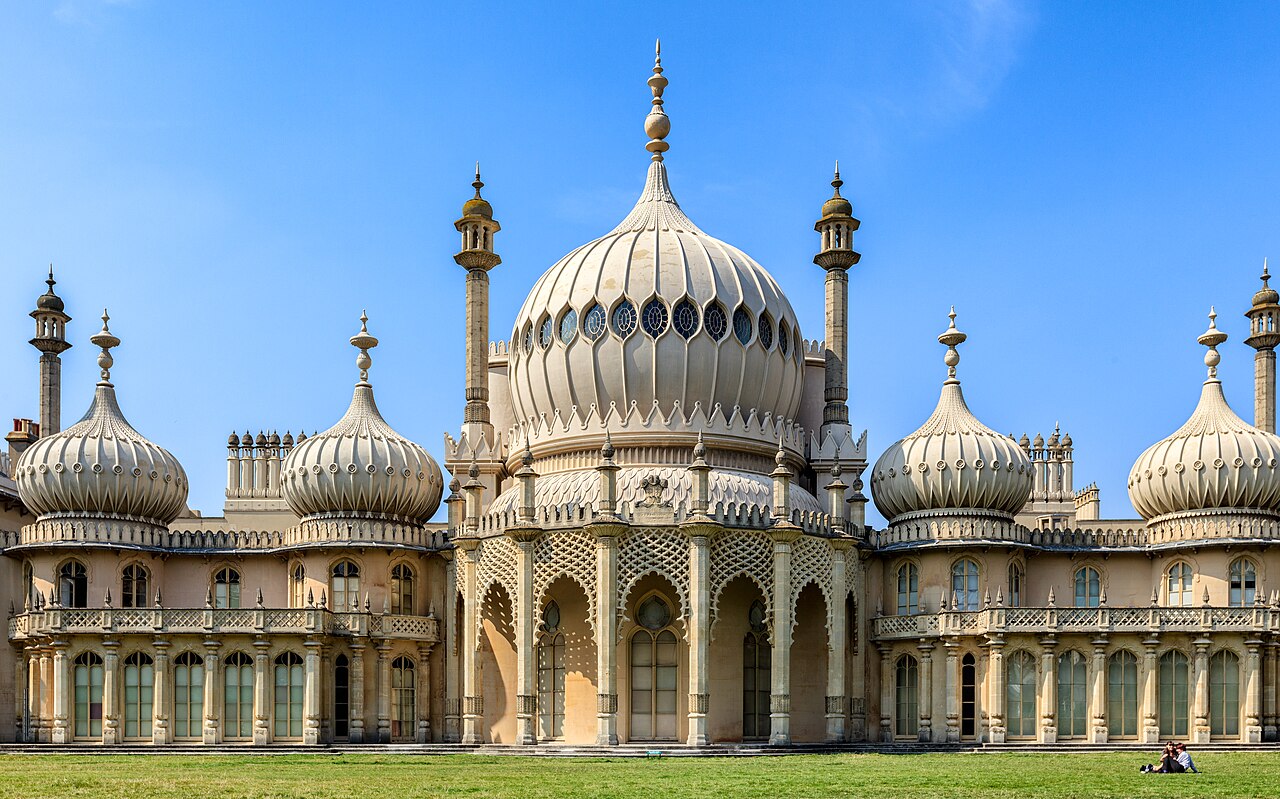 Artifact
Primary source
Royal Pavilion
John Nash · 1787 (extended 1815-1822)
 Painting
Primary source
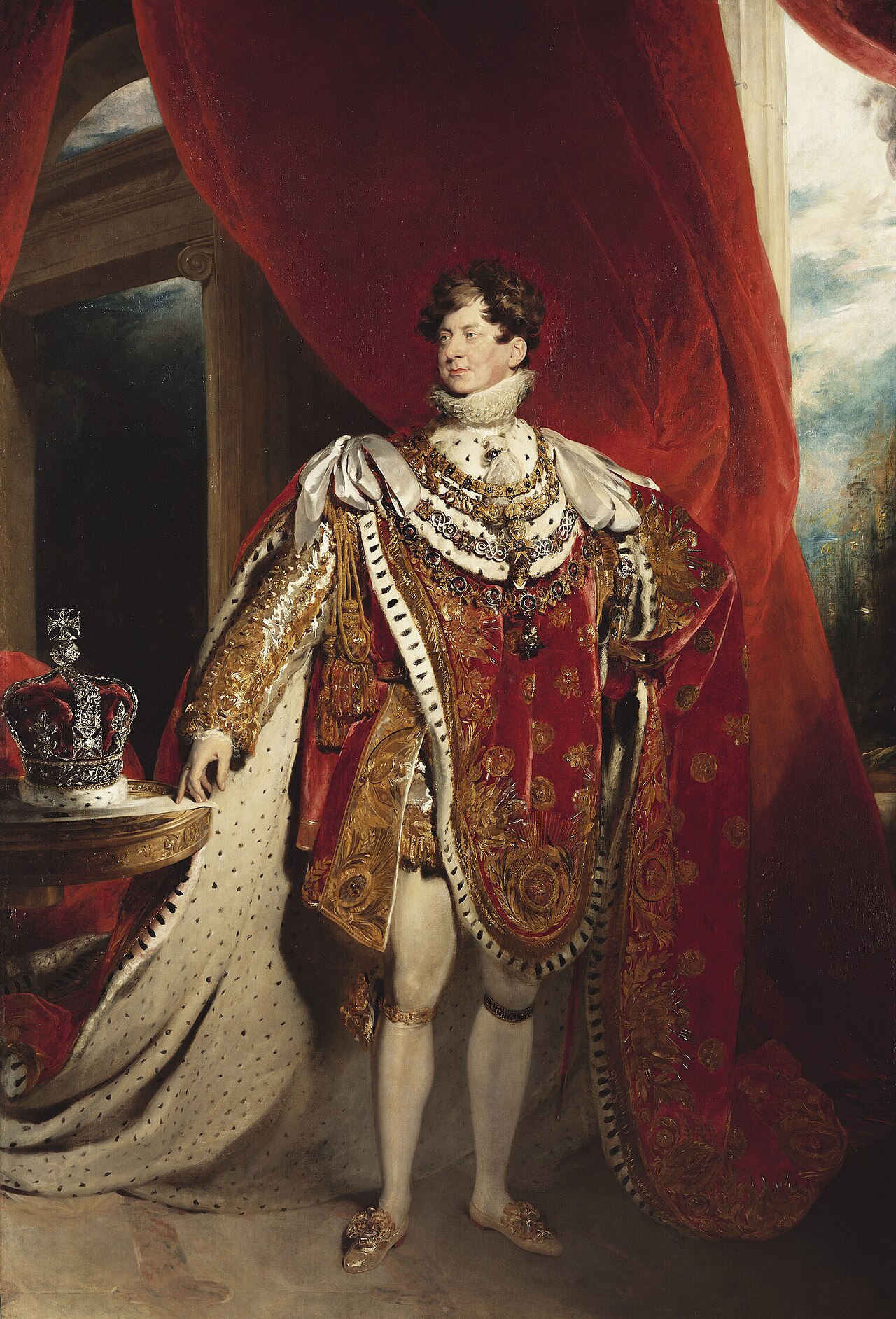
George IV
Thomas Lawrence · 1821
 Painting
Primary source
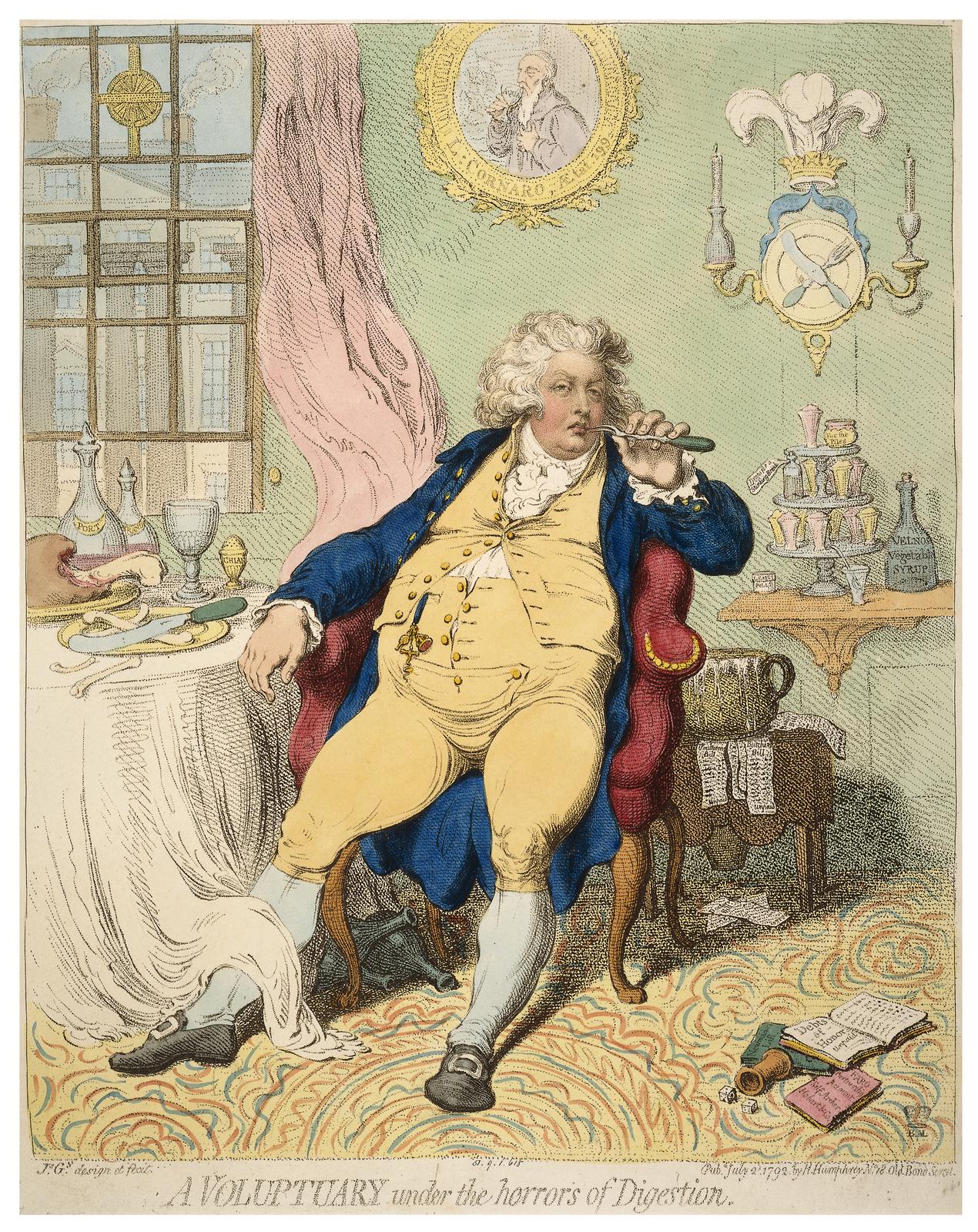
A Voluptuary under the Horrors of Digestion
James Gillray · 1792
 Document
Primary source
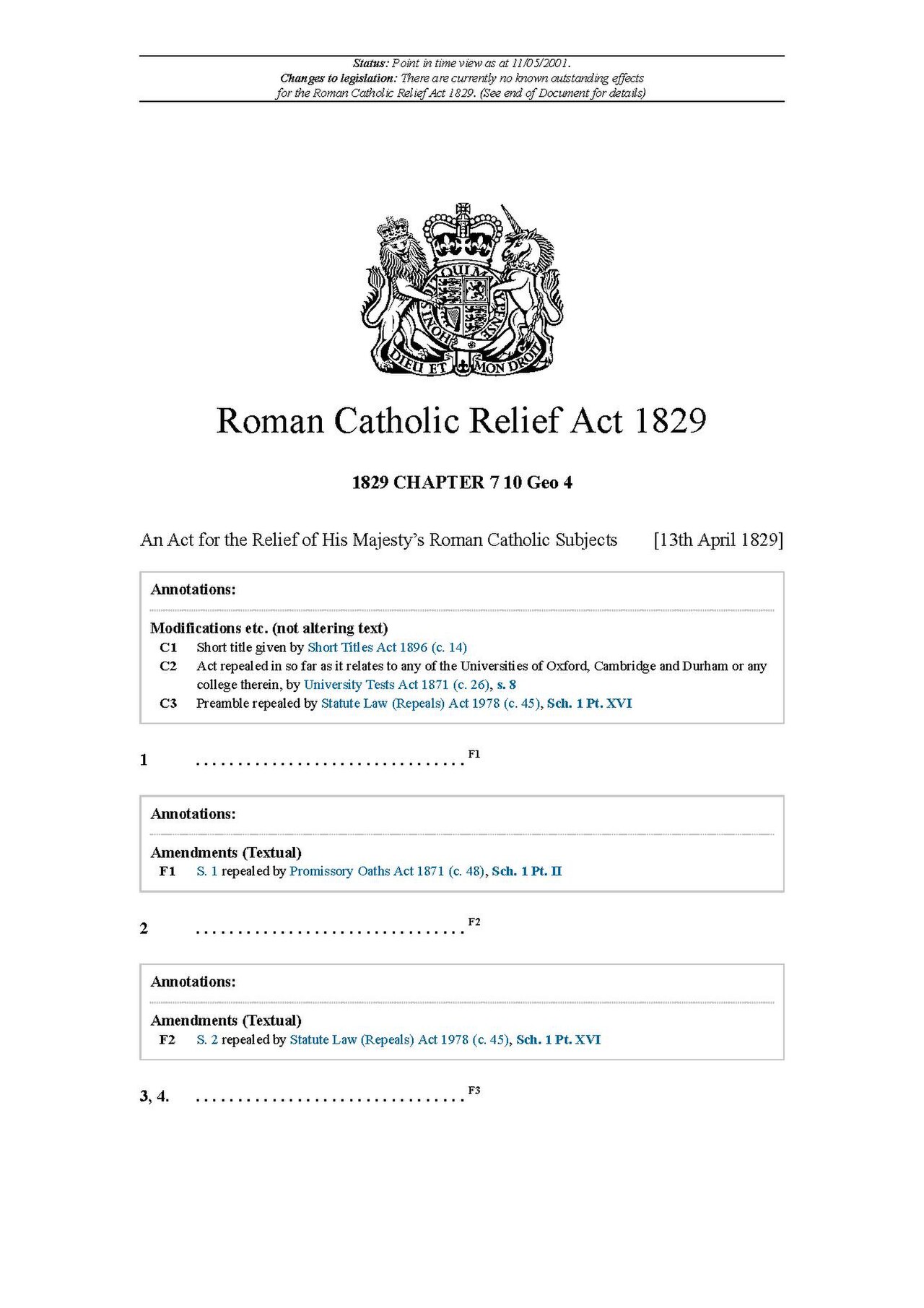
Roman Catholic Relief Act 1829
1829
Free account
Read every George IV source
Sign up free →
Ready when you are
Start chatting with George IV now.
20 messages free · No credit card · Available in 50+ languages.