


Primary sourceDocument1909
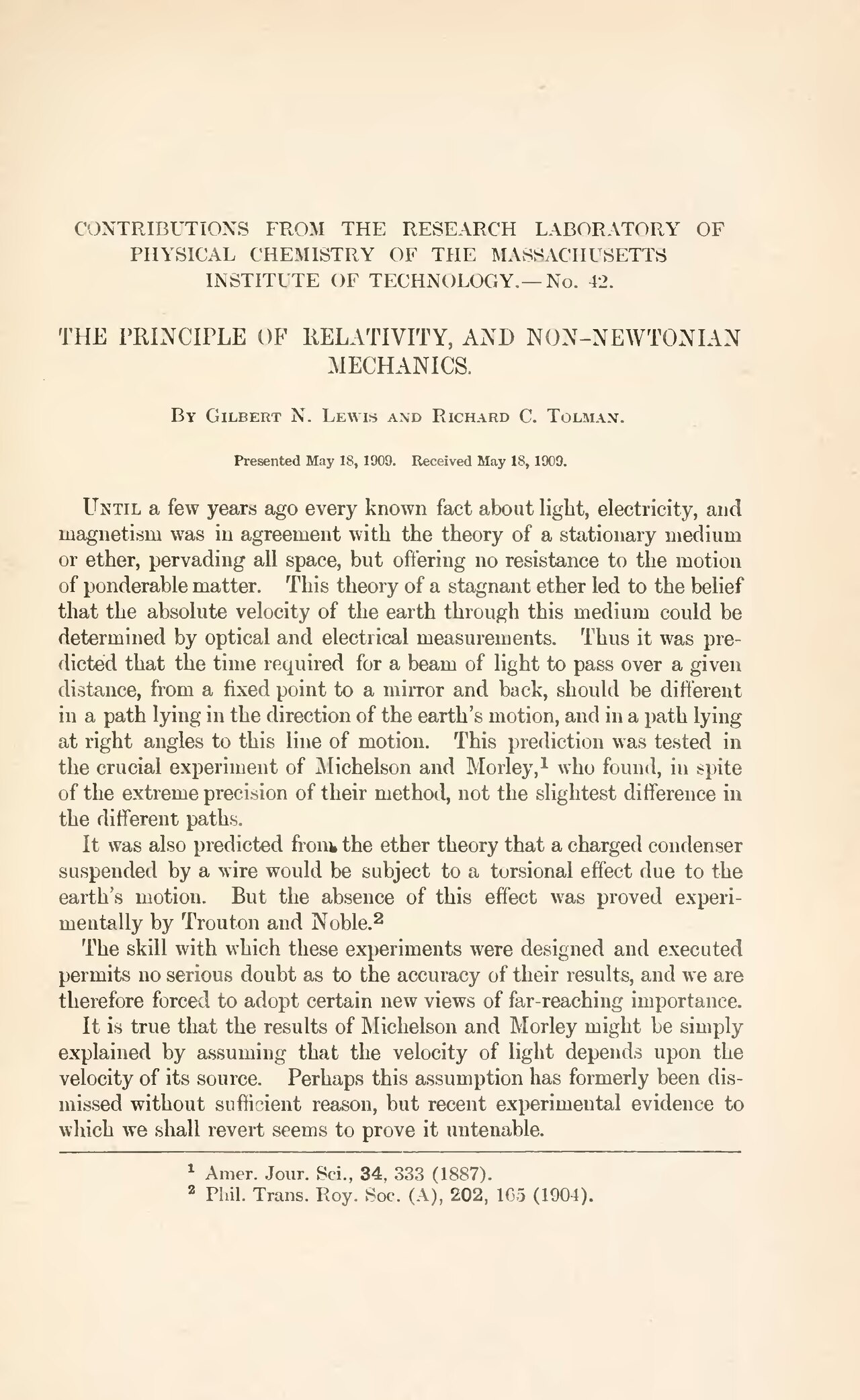
The Principle of Relativity, and Non-Newtonian Mechanics
Gilbert N. Lewis and Richard C. Tolman · 1909
A 1909 paper by Gilbert N. Lewis and Richard C. Tolman, one of the earliest American studies of special relativity.
Lewis co-authored this early American paper on relativity, revealing his identity as a physicist as well as a chemist.
Free Humy account · No credit card · 120,912 sources to read
About this source
What it is
This is the first page of a 1909 paper written by Gilbert N. Lewis and Richard C. Tolman, published in an academic journal connected to the Massachusetts Institute of Technology's Research Laboratory of Physical Chemistry.
Why it matters
The paper discusses the Michelson-Morley experiment and the principle of relativity, showing that Lewis, though trained as a chemist, also worked seriously as a physicist. It is considered one of the earliest American treatments of Einstein's theory of relativity, highlighting the collaborative and cross-disciplinary nature of early 20th-century science.
Look closer
- Why does the paper begin by describing the older idea of a stationary ether?
- What does the mention of the Michelson-Morley experiment tell you about how scientists test theories?
- Why might two scientists from different specialties, Lewis and Tolman, work together on this topic?
This document is part of the curated material that grounds the AI version of Gilbert N. Lewis on Humy.ai — when students ask about related events, the AI can quote it and cite it.
More Gilbert N. Lewis sources
Browse all 14 →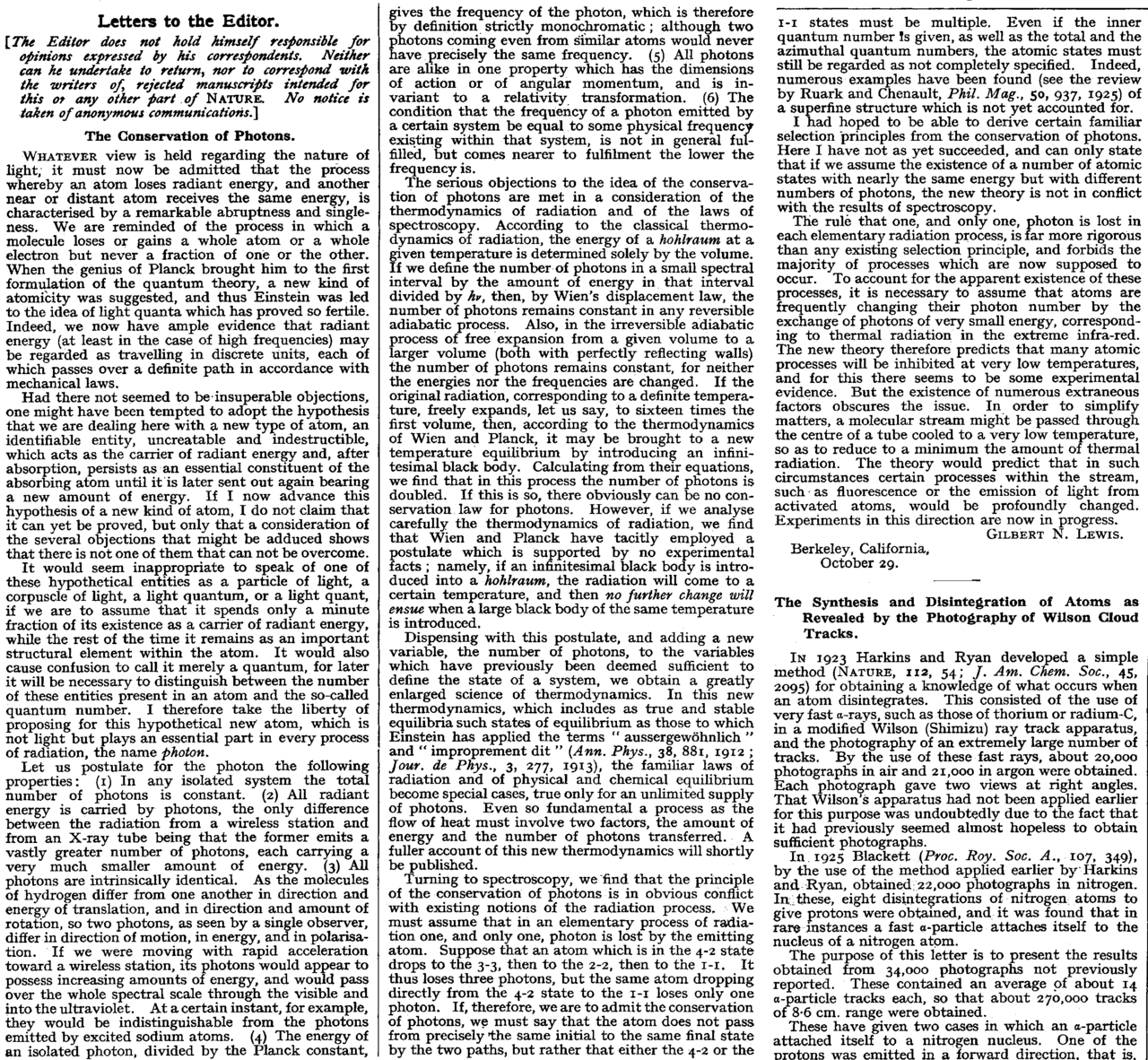 Letter
Primary source
Letter Introducing the Word Photon
Gilbert N. Lewis · 18 December 1926
 Artifact
Primary source
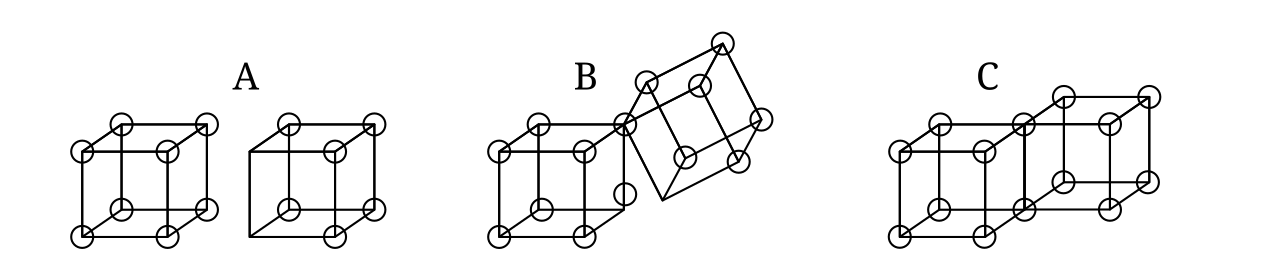
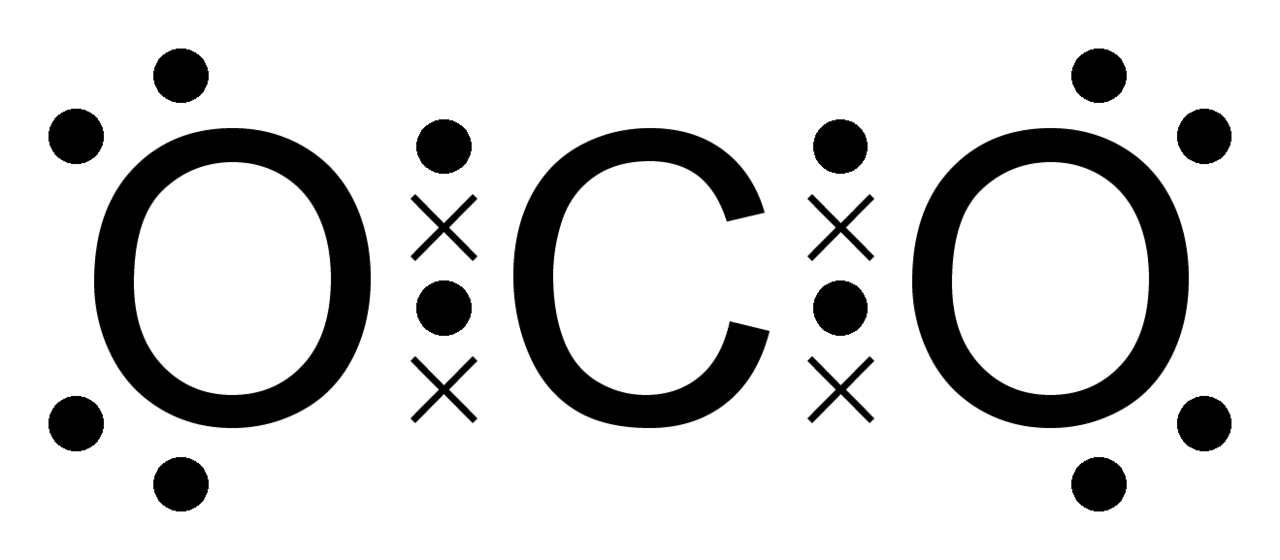
Cubical Atom Diagram
Gilbert N. Lewis · 1902
 Photograph
Tertiary source
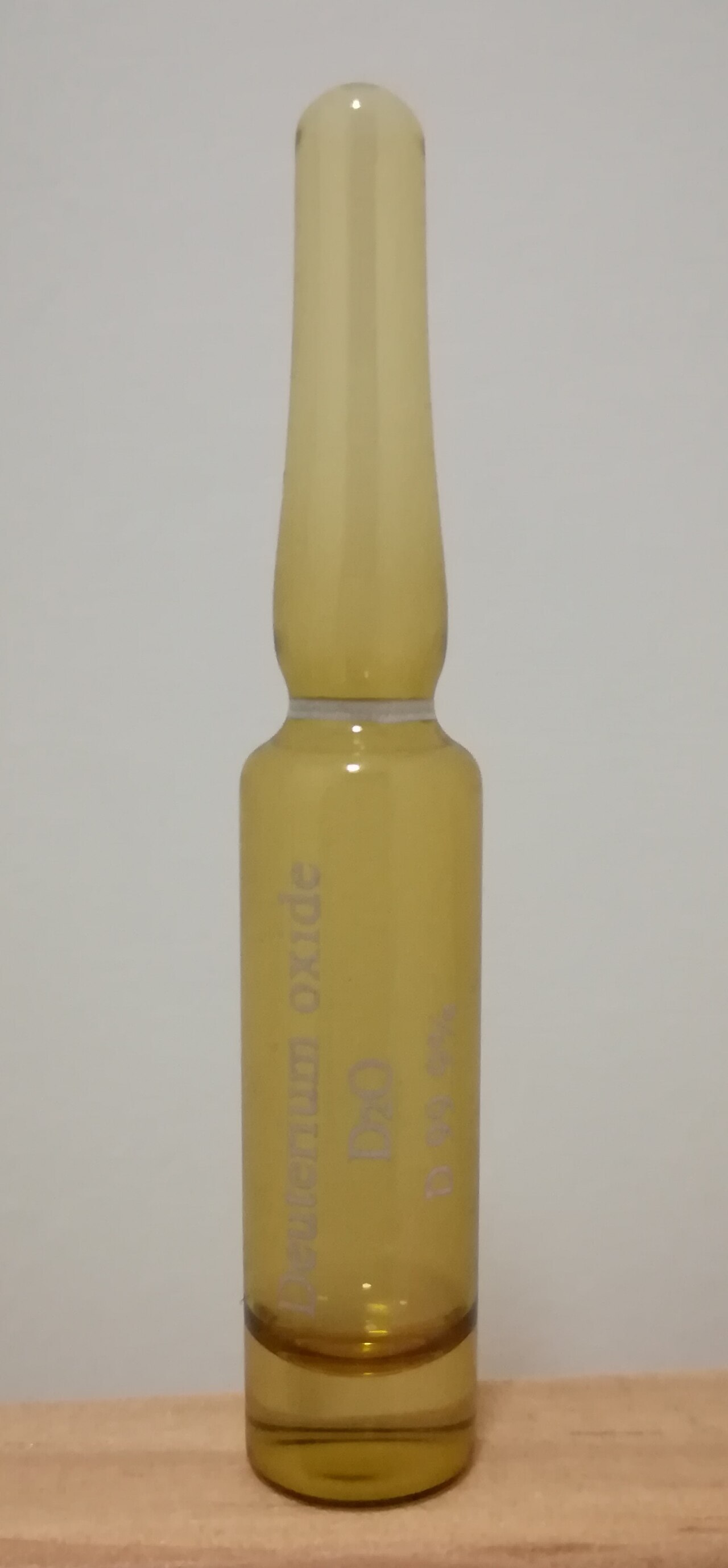
Heavy water (D2O) sample
Leiem · 3 November 2018
 Letter
Primary source
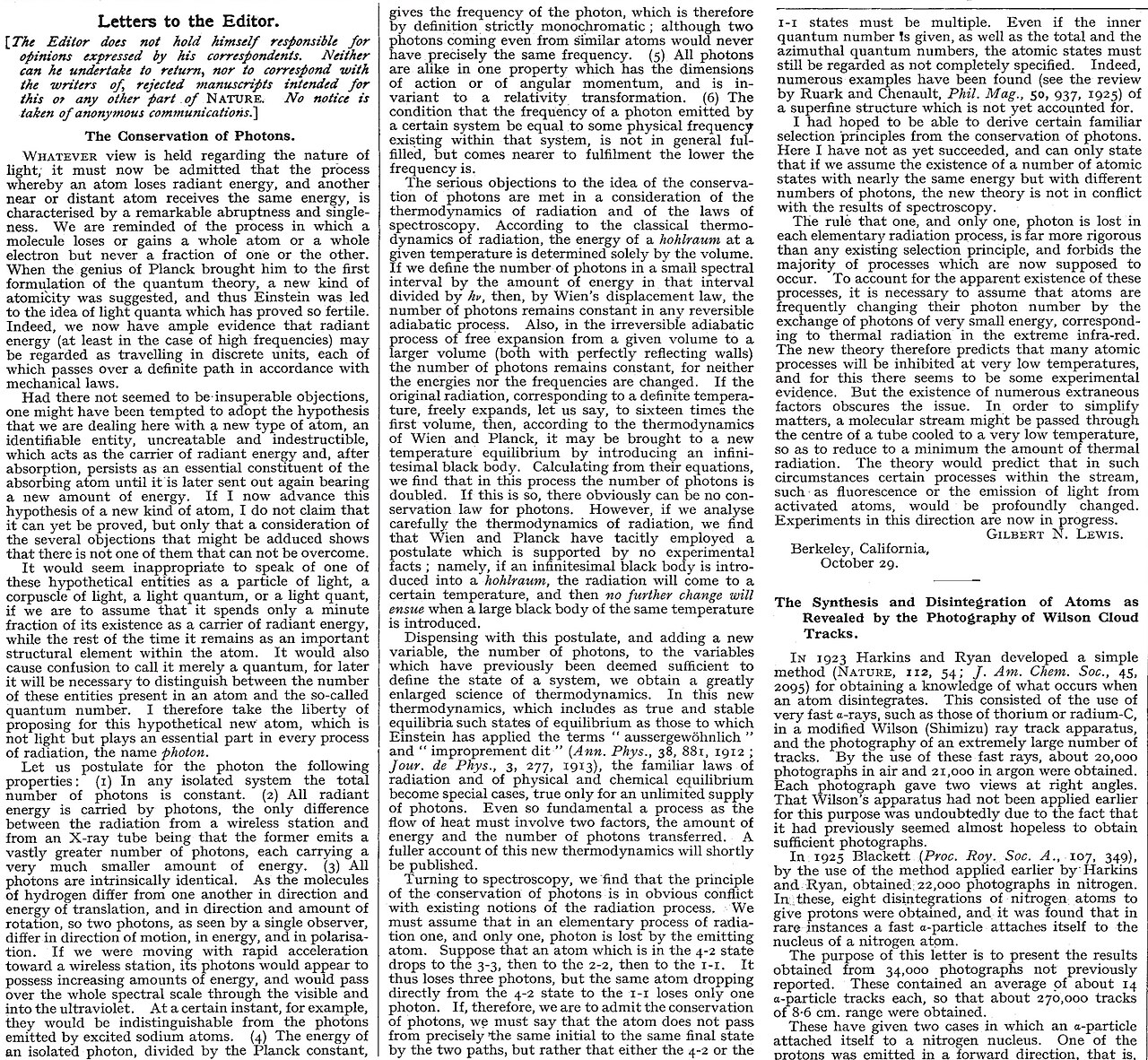
The Conservation of Photons
Gilbert N. Lewis · 1926

Free account
Read every Gilbert N. Lewis source
Sign up free →
Ready when you are
Start chatting with Gilbert N. Lewis now.
20 messages free · No credit card · Available in 50+ languages.