


Primary sourceBook1890
The Principles of Psychology
William James · 1890
William James's two-volume founding text of American psychology, introducing the 'stream of consciousness' and the James–Lange theory of emotion.
James wrote this founding textbook of psychology, presenting his theories of consciousness, habit, and emotion.
About this source
What it is
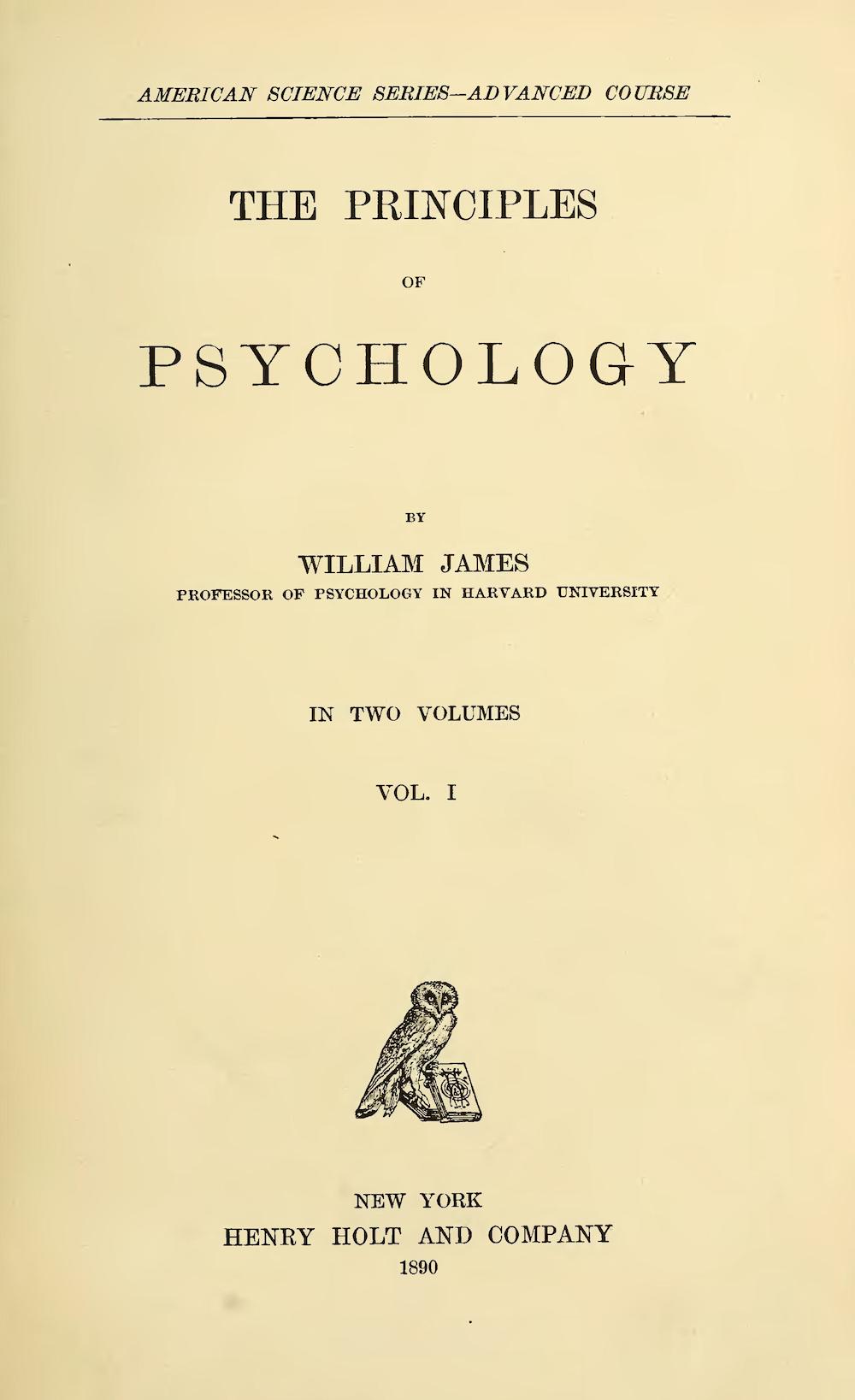
The Principles of Psychology is an 1890 book by William James, published in two volumes by Henry Holt and Company in New York. James, who had trained as a physician before turning to psychology, wrote it over twelve years while teaching at Harvard University.
Why it matters
The book summarized the whole field of psychology as it stood in 1890 and helped establish psychology as a credible science in the United States. It introduced ideas still taught today: the mind as a continuous 'stream of consciousness', the James–Lange theory that bodily reactions produce emotions, and the power and difficulty of changing habits. It reveals James as both a careful scientific observer and a writer concerned with deeply personal questions, including free will.
Look closer
- Why might James have worried about the book's great length, as he says in his preface?
- How does describing thought as a 'stream' change the way we imagine the mind, compared to a 'chain' of ideas?
- What does the title page tell you about who the book was written for?
This book is part of the curated material that grounds the AI version of William James on Humy.ai — when students ask about related events, the AI can quote it and cite it.
More William James sources
Meet the AI William James →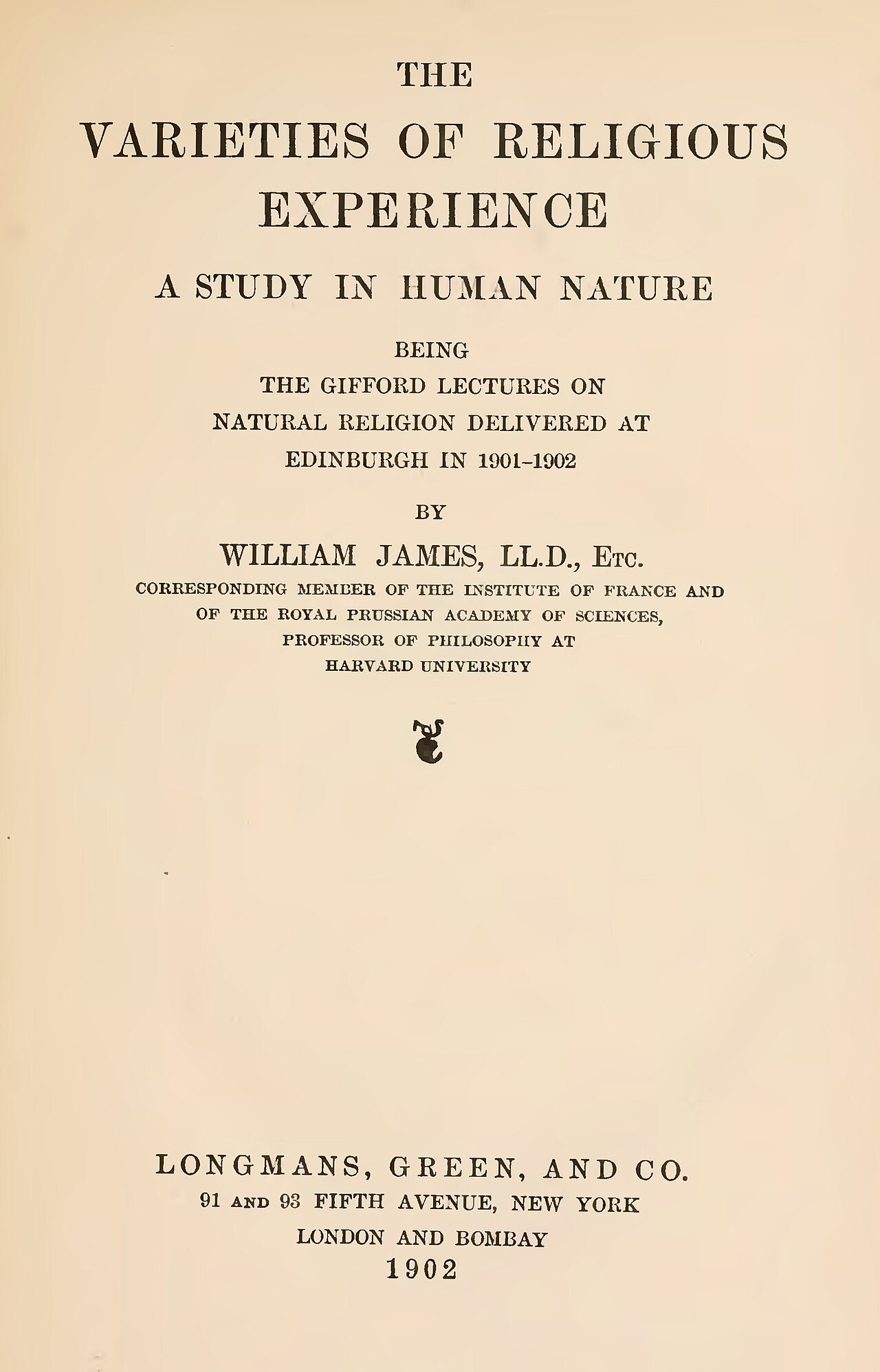 Book
Primary source
The Varieties of Religious Experience
William James · 1901-1902
Primary source
Pragmatism: A New Name for Some Old Ways of Thinking
William James · 1907
Primary source
The Will to Believe
William James · 1896
 Painting
Primary source
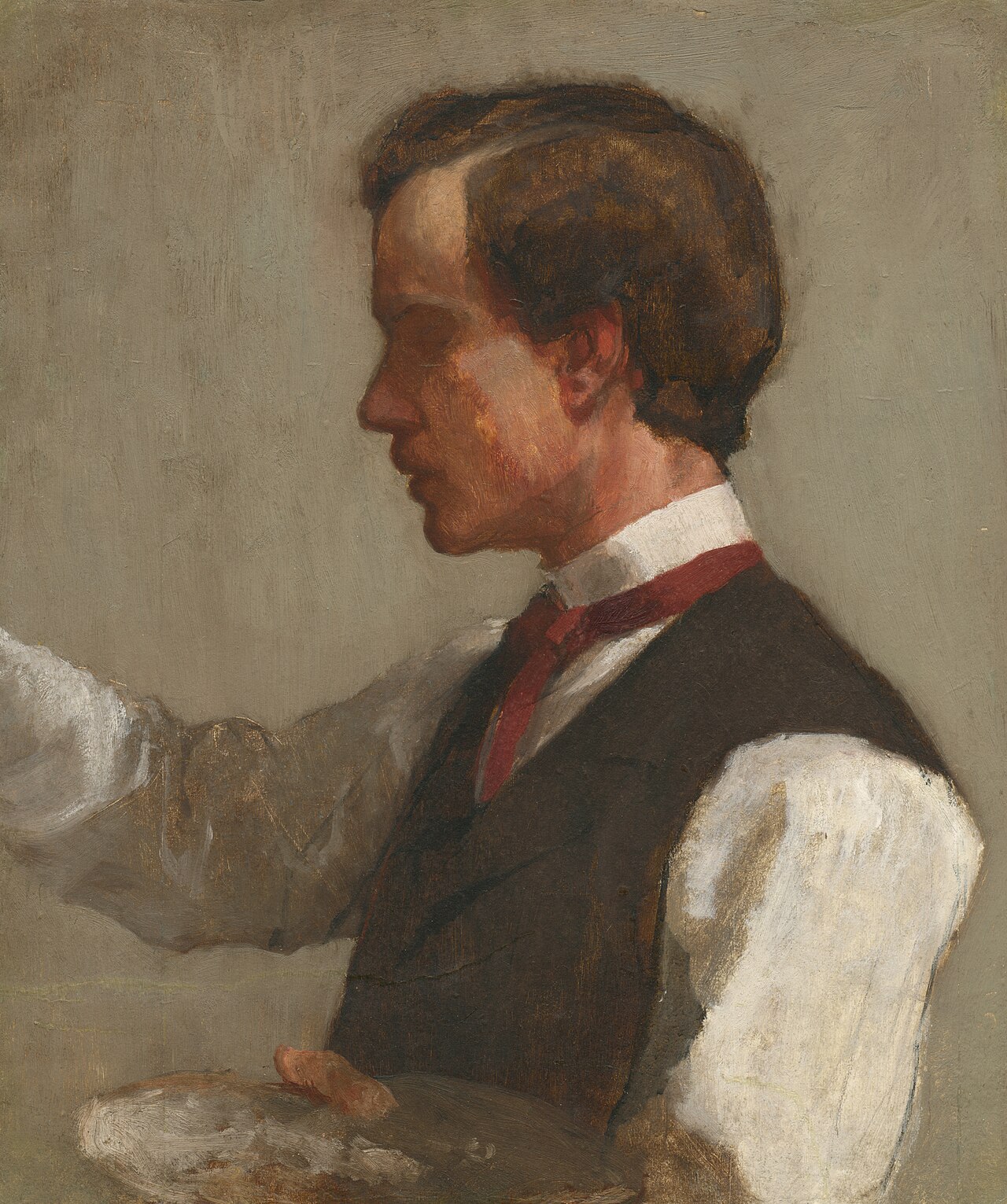
William James
John La Farge · 1859
 Photograph
Primary source
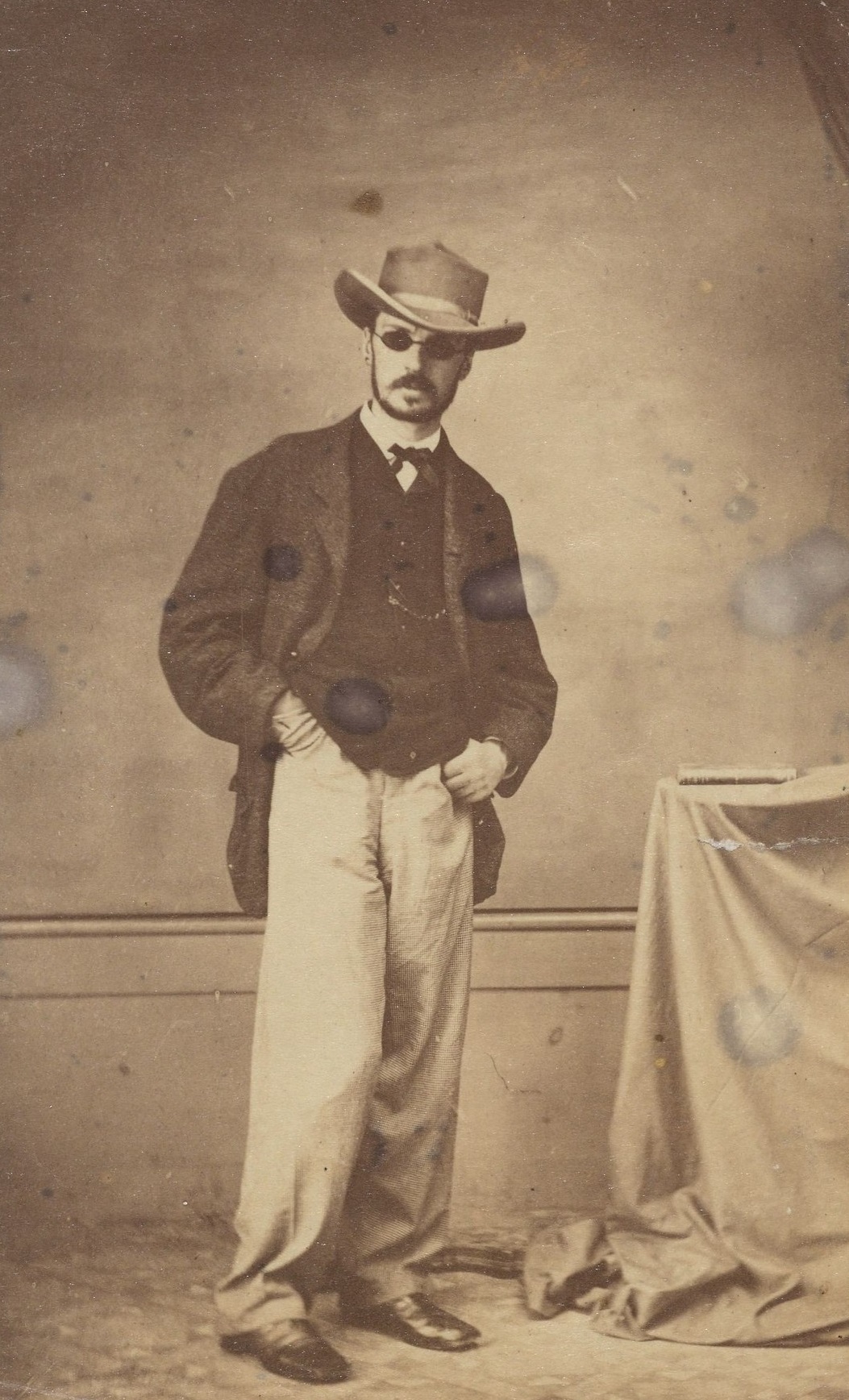
William James in Brazil after the Attack of Small-Pox
Photographer unidentified · 1865
Ready when you are
Start chatting with William James now.
20 messages free · No credit card · Available in 50+ languages.