


Primary sourceSpeech1896
The Will to Believe
William James · 1896
William James's 1896 lecture defending the right to hold religious belief when evidence alone cannot settle the question.
James delivered this lecture defending the rationality of religious faith without complete evidence.
About this source
What it is
The Will to Believe is a lecture by William James, first published in 1896. In it, James defends the rationality of adopting a belief, including religious faith, even without sufficient evidence, when a choice is 'live, forced and momentous.'
Why it matters
James argues that in certain genuine options we cannot avoid choosing, and that waiting for complete evidence is itself a kind of choice. He compares this to confidence needed to accomplish difficult tasks, including scientific work itself. The lecture became, alongside William K. Clifford's opposing essay on the ethics of belief, a key text in debates over faith, evidence, and when it is reasonable to believe without proof.
Look closer
- What does James mean by calling an option 'live,' 'forced,' and 'momentous'?
- Why might James have chosen to address this lecture to students, opening with jokes about Harvard and Yale?
- Do you find his argument convincing for religious belief specifically, or only for everyday confidence?
This speech is part of the curated material that grounds the AI version of William James on Humy.ai — when students ask about related events, the AI can quote it and cite it.
More William James sources
Meet the AI William James →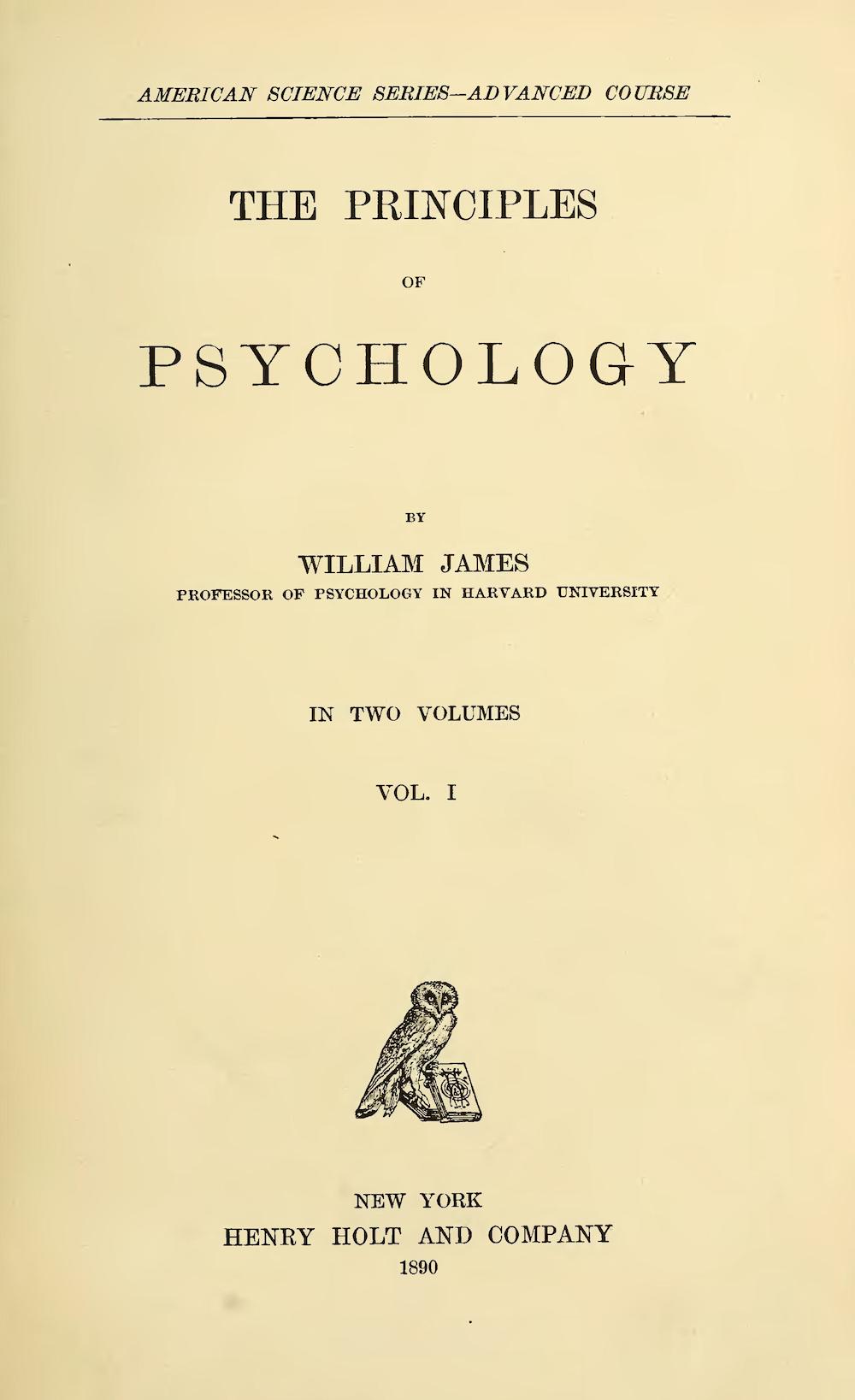 Book
Primary source
The Principles of Psychology
William James · 1890
 Book
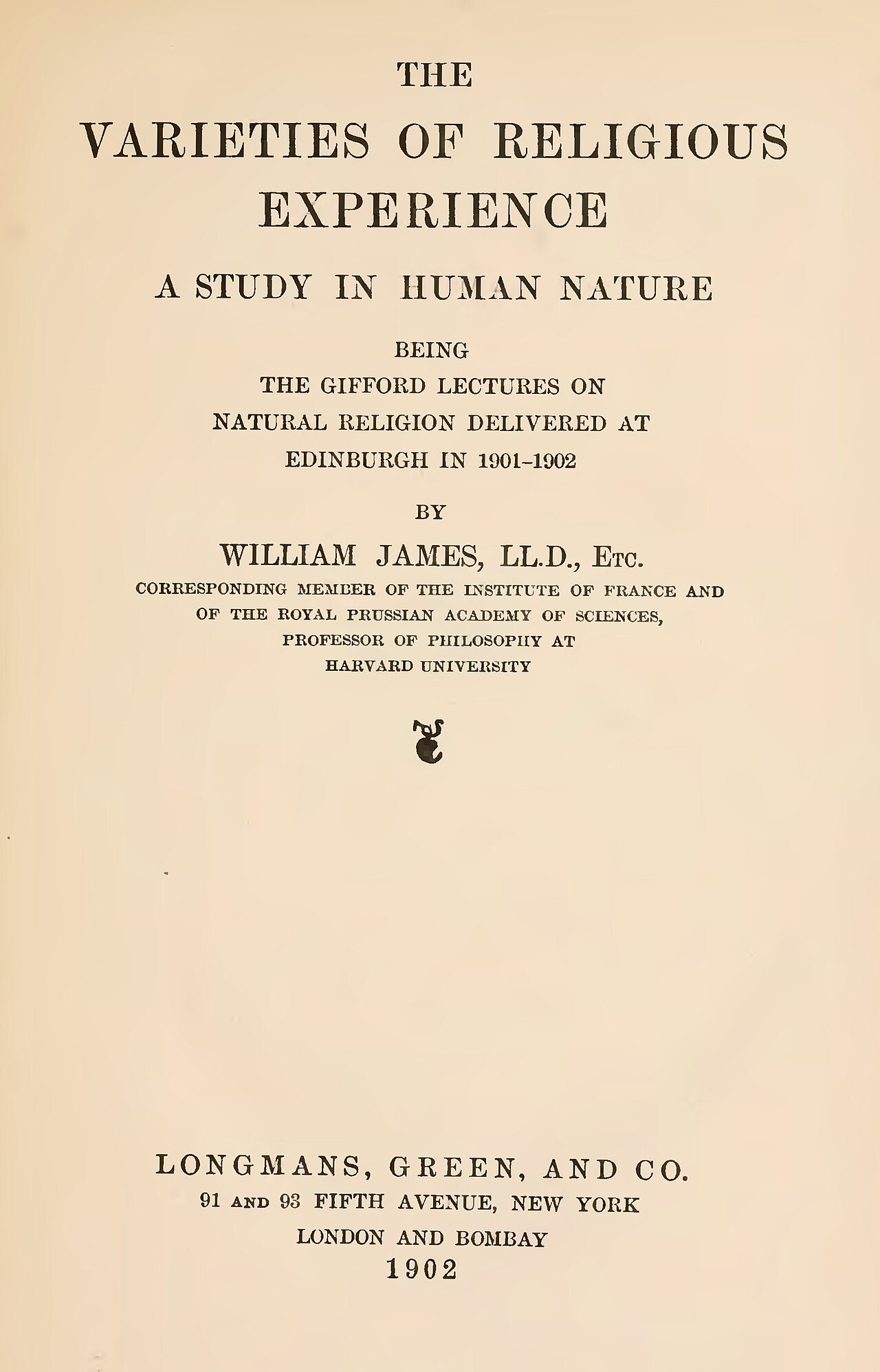
Primary source
The Varieties of Religious Experience
William James · 1901-1902
Primary source
Pragmatism: A New Name for Some Old Ways of Thinking
William James · 1907
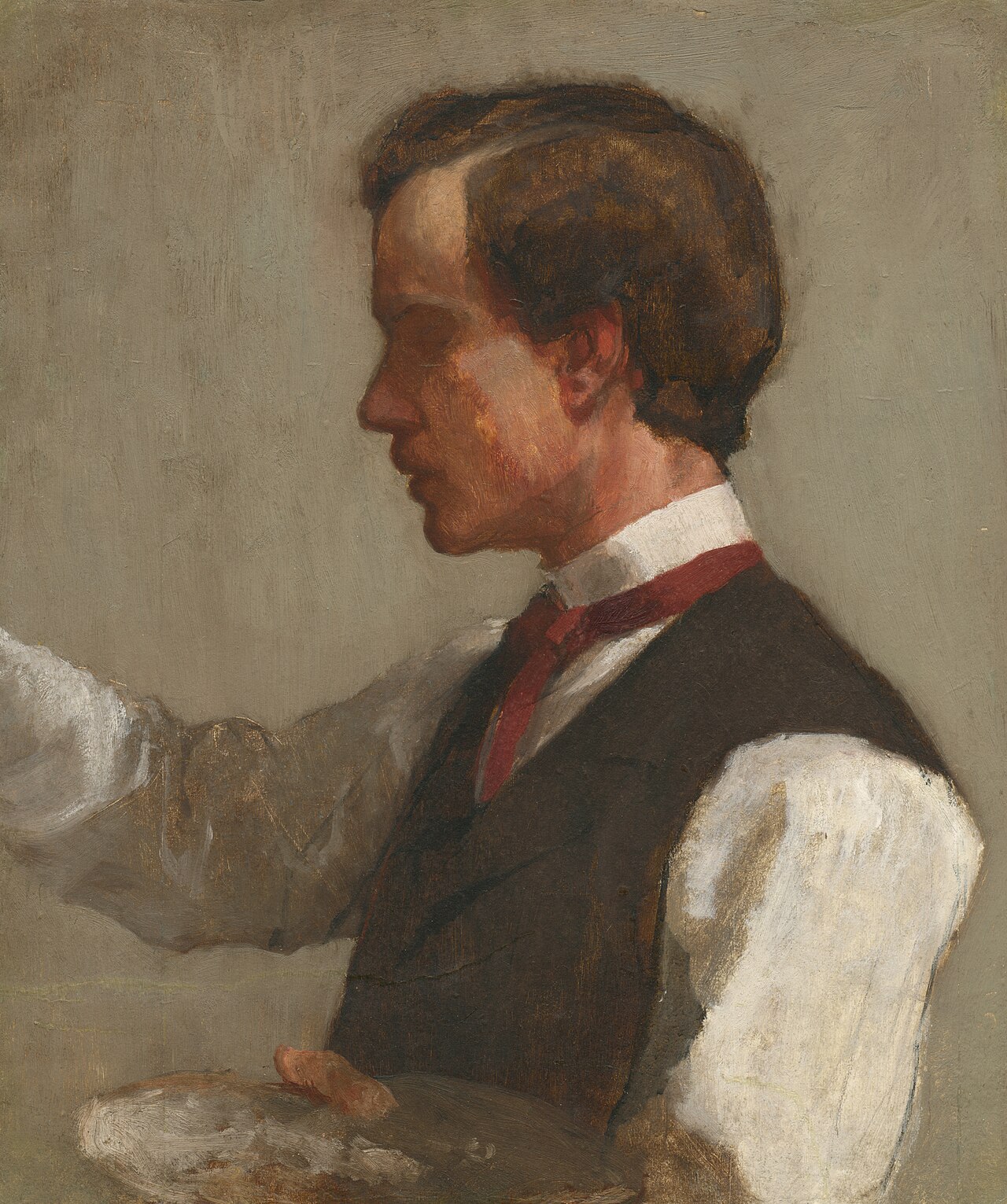 Painting
Primary source
William James
John La Farge · 1859
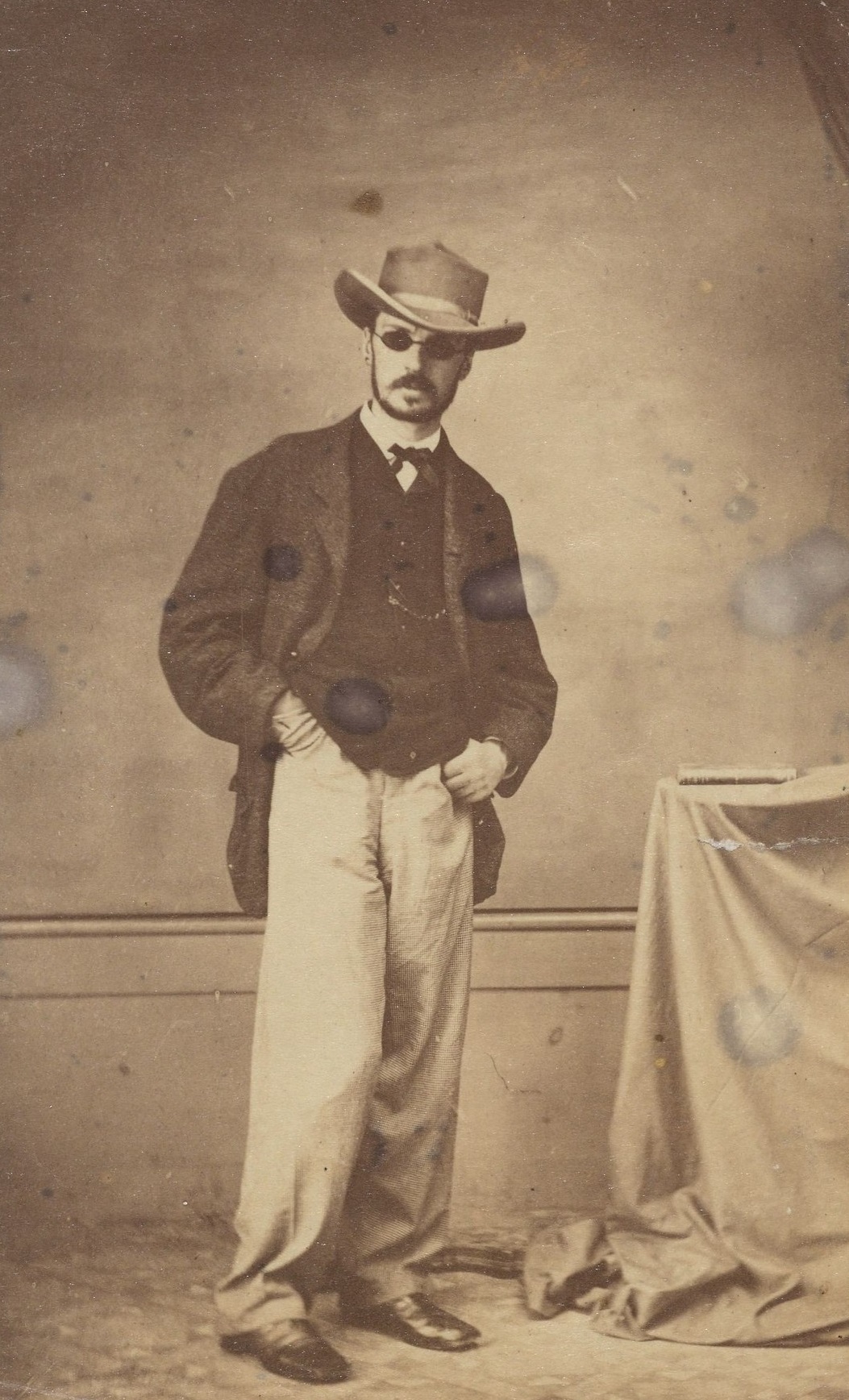 Photograph
Primary source
William James in Brazil after the Attack of Small-Pox
Photographer unidentified · 1865
Ready when you are
Start chatting with William James now.
20 messages free · No credit card · Available in 50+ languages.