


Primary sourceBook
The Prisoner
Emily Brontë
A visionary poem by Emily Brontë about a captive whose spirit remains free despite physical chains.
One of Emily's own poems, central to her reputation as a visionary writer exploring the soul's freedom.
Free Humy account · No credit card · 120,288 sources to read
About this source
What it is
This is a poem by Emily Brontë, subtitled 'A Fragment', describing a narrator visiting a prisoner in a dungeon who speaks of being unbreakable despite her chains.
Why it matters
The poem is often used to show Emily's interest in the soul's freedom even under suffering, a theme readers connect to her reputation as a visionary, almost mystical poet. It reflects the Romantic imagination that shaped much of her writing, alongside her sisters Charlotte and Anne.
Look closer
- How does the captive's calm response to suffering differ from what the narrator expects?
- What might the prison and chains symbolize beyond a literal dungeon?
- Why might Emily have chosen to leave the poem as a 'fragment' rather than complete it?
This book is part of the curated material that grounds the AI version of Emily Brontë on Humy.ai — when students ask about related events, the AI can quote it and cite it.
More Emily Brontë sources
Browse all 60 →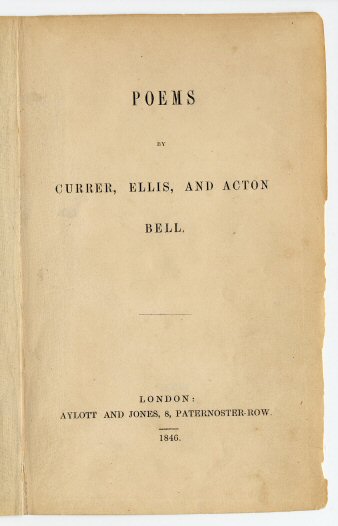 Book
Primary source
Poems by Currer, Ellis, and Acton Bell
Charlotte, Emily and Anne Brontë · 1846
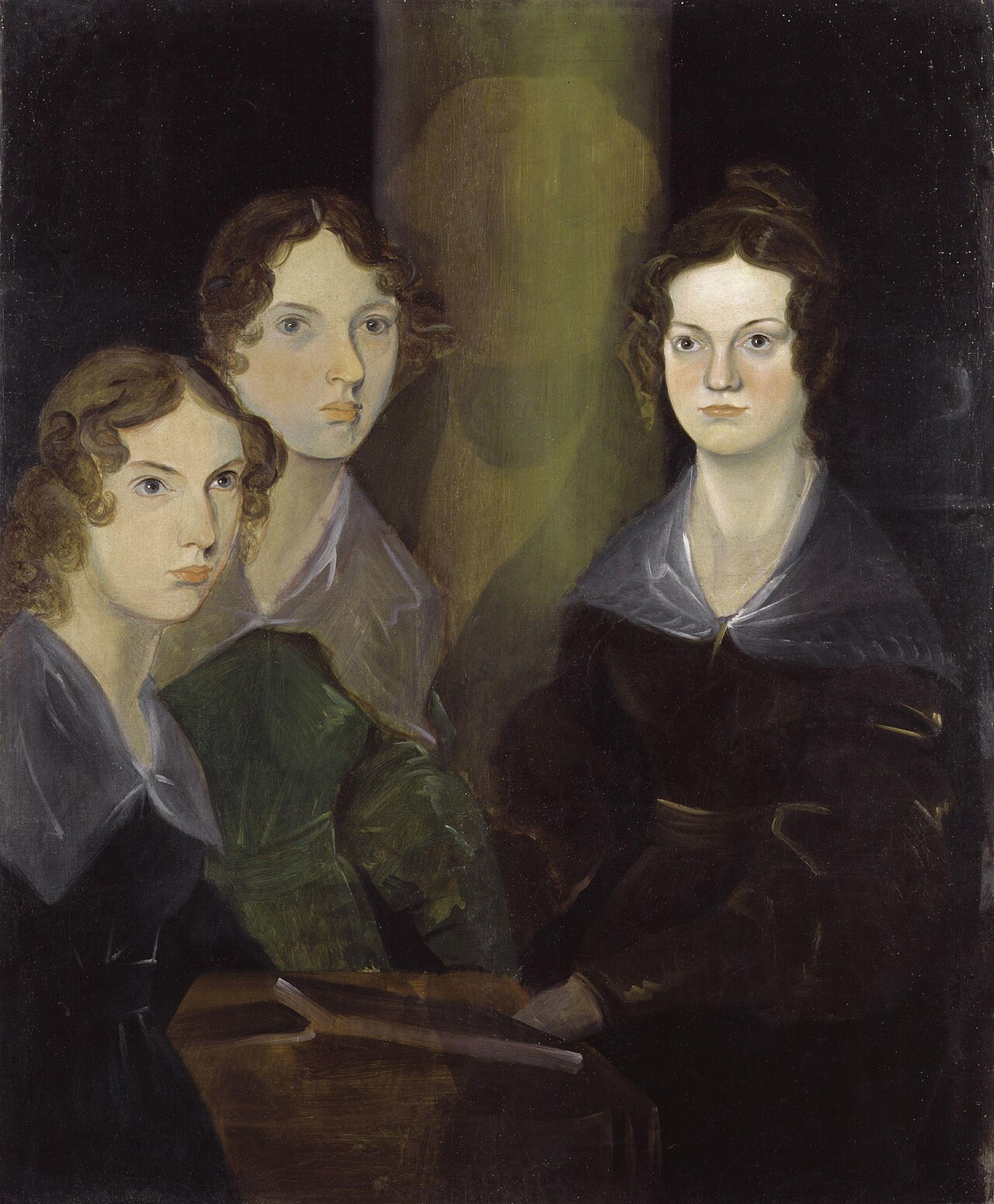 Painting
Primary source
The Brontë Sisters
Branwell Brontë · c. 1834
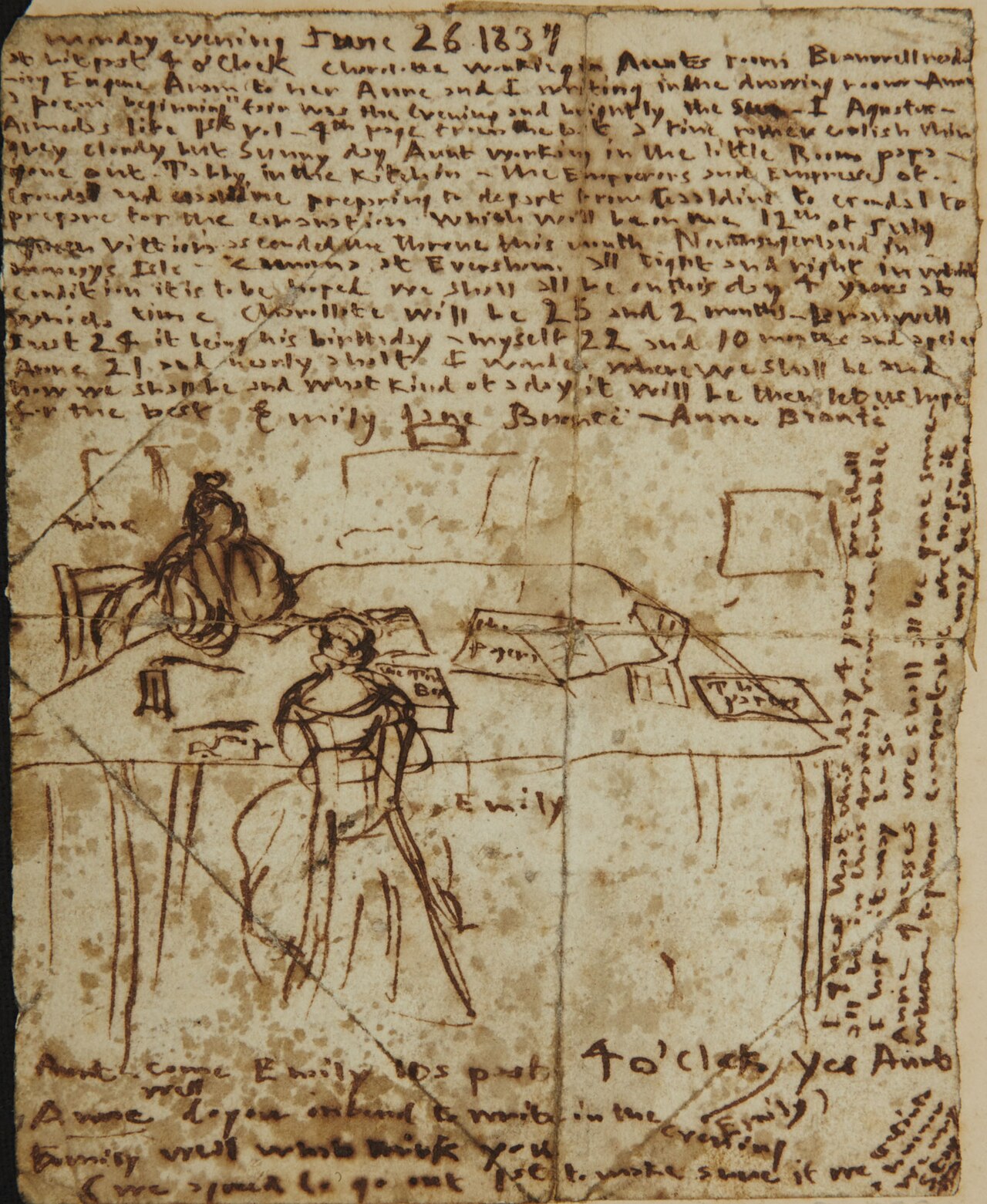 Diary entry
Primary source
Diary Paper of Emily Brontë, 26 June 1837
Emily Brontë · 26 June 1837
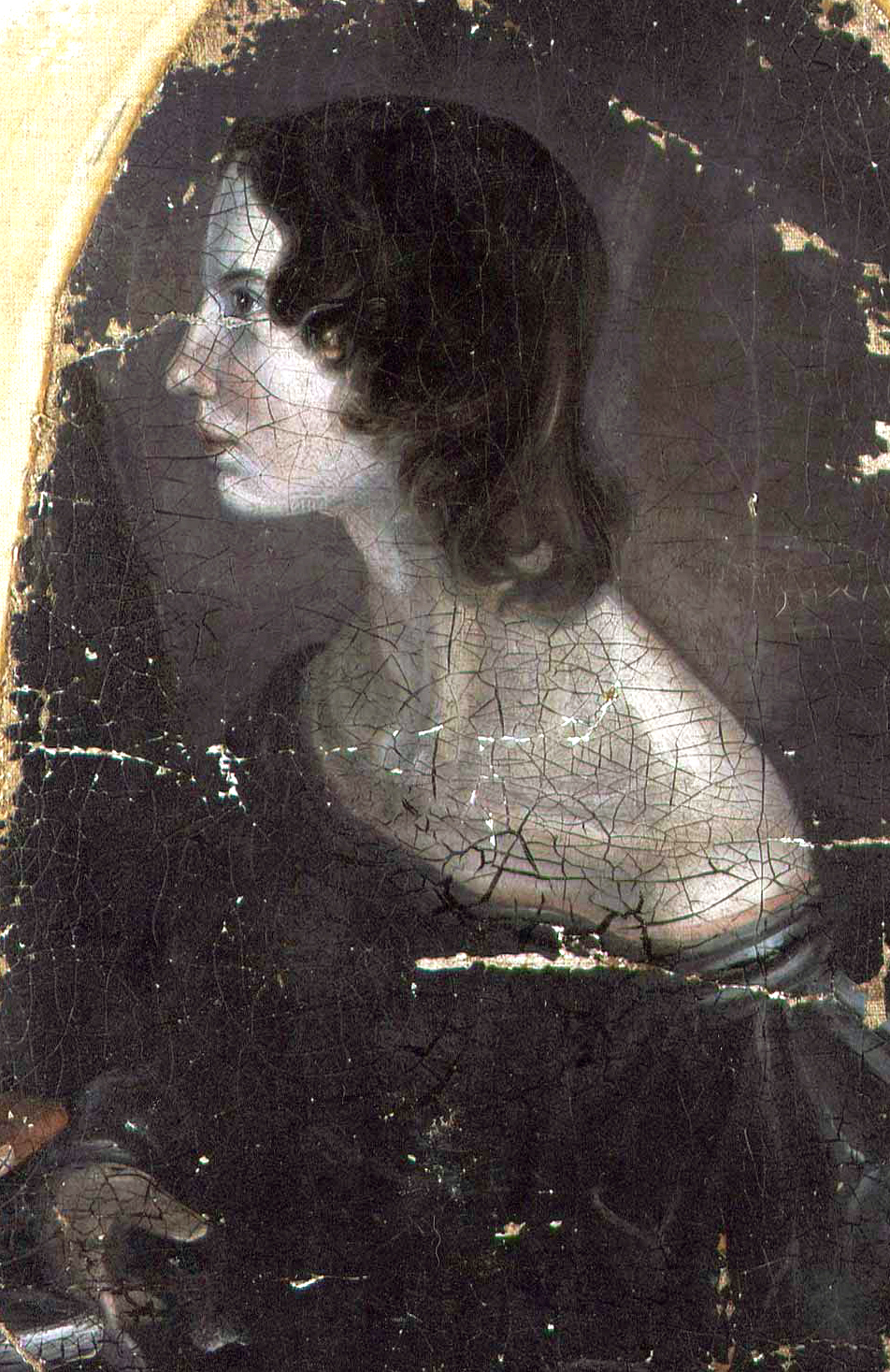
Primary source
No Coward Soul Is Mine
Emily Brontë · 1846
Free account
Read every Emily Brontë source
Sign up free →
Ready when you are
Start chatting with Emily Brontë now.
20 messages free · No credit card · Available in 50+ languages.