


Primary sourceArtifact1496
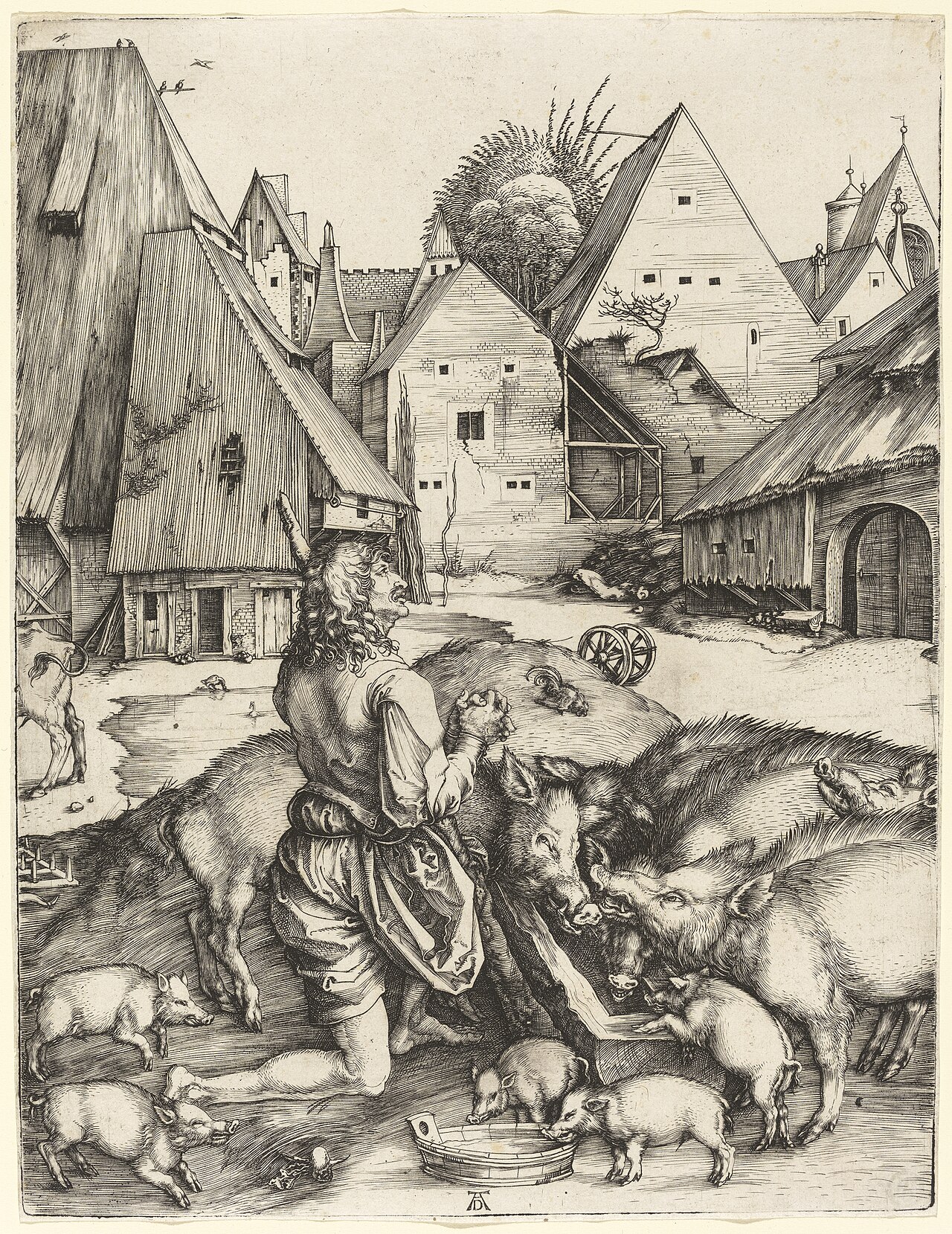
The Prodigal Son
Albrecht Dürer · 1496
An engraving by Dürer from 1496 showing the Biblical prodigal son kneeling among pigs, set in a German farmyard, later praised by Vasari.
Dürer engraved this early print, praised later by Vasari, showing his skill in setting Biblical scenes in local life.
About this source
What it is
This engraving by Albrecht Dürer, made in 1496, shows a ragged man kneeling among pigs at a trough, set among German farm buildings. It is held among the prints of the National Gallery of Art.
Why it matters
The subject comes from the Biblical parable of the Prodigal Son, but Dürer set it in a contemporary German farmyard rather than a distant Biblical land. The Italian art historian Vasari later singled out this early print for praise, showing how Dürer's work was recognized beyond Germany.
Look closer
- Why might Dürer have chosen to set a Biblical story in a familiar German setting?
- What details in the buildings and farmyard tell you about everyday life at the time?
- How does the man's posture and clothing convey his situation?
This artifact is part of the curated material that grounds the AI version of Albrecht Dürer on Humy.ai — when students ask about related events, the AI can quote it and cite it.
More Albrecht Dürer sources
Meet the AI Albrecht Dürer →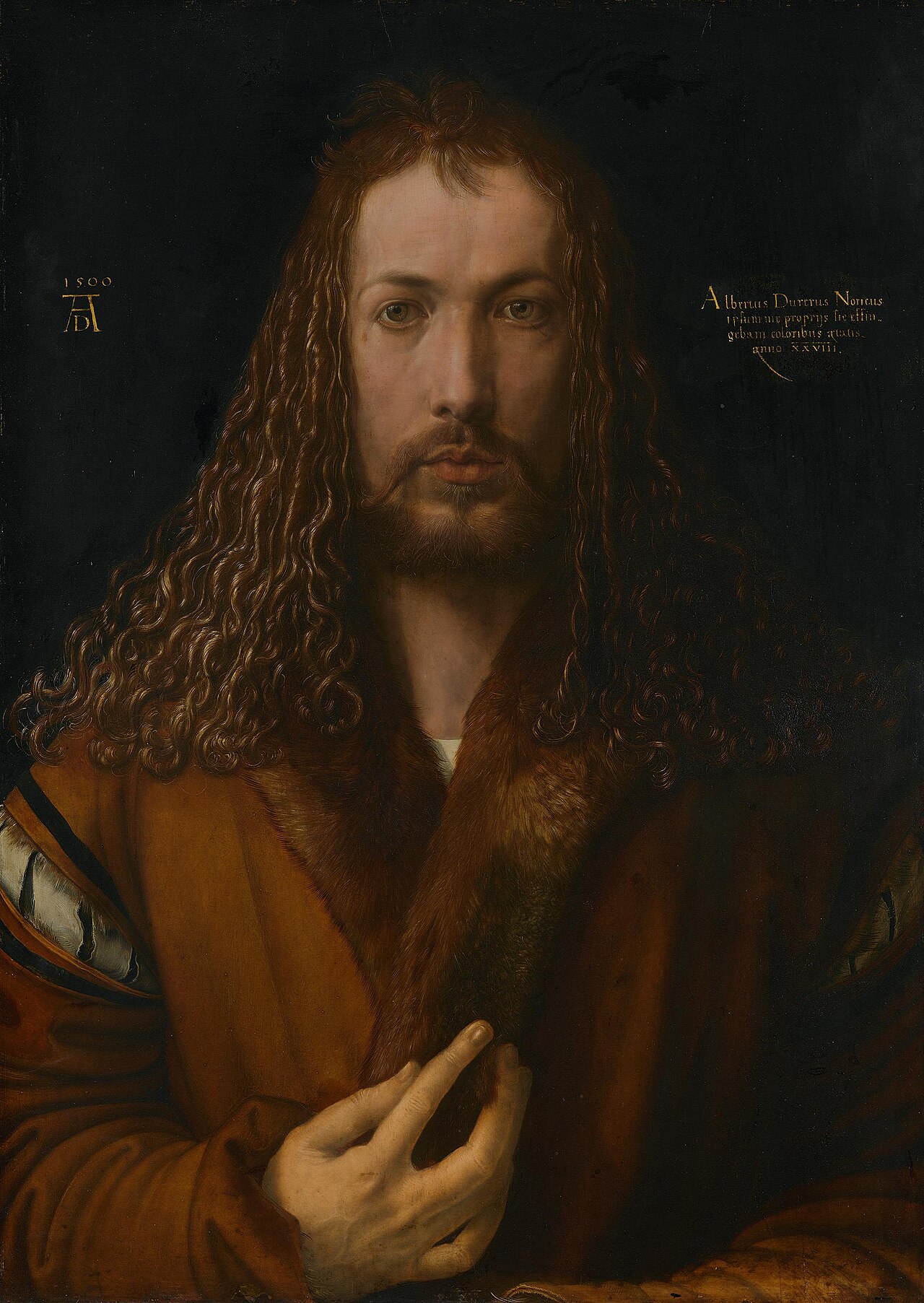 Painting
Primary source
Self-Portrait with Fur-Trimmed Robe
Albrecht Dürer · 1500
 Painting
Primary source
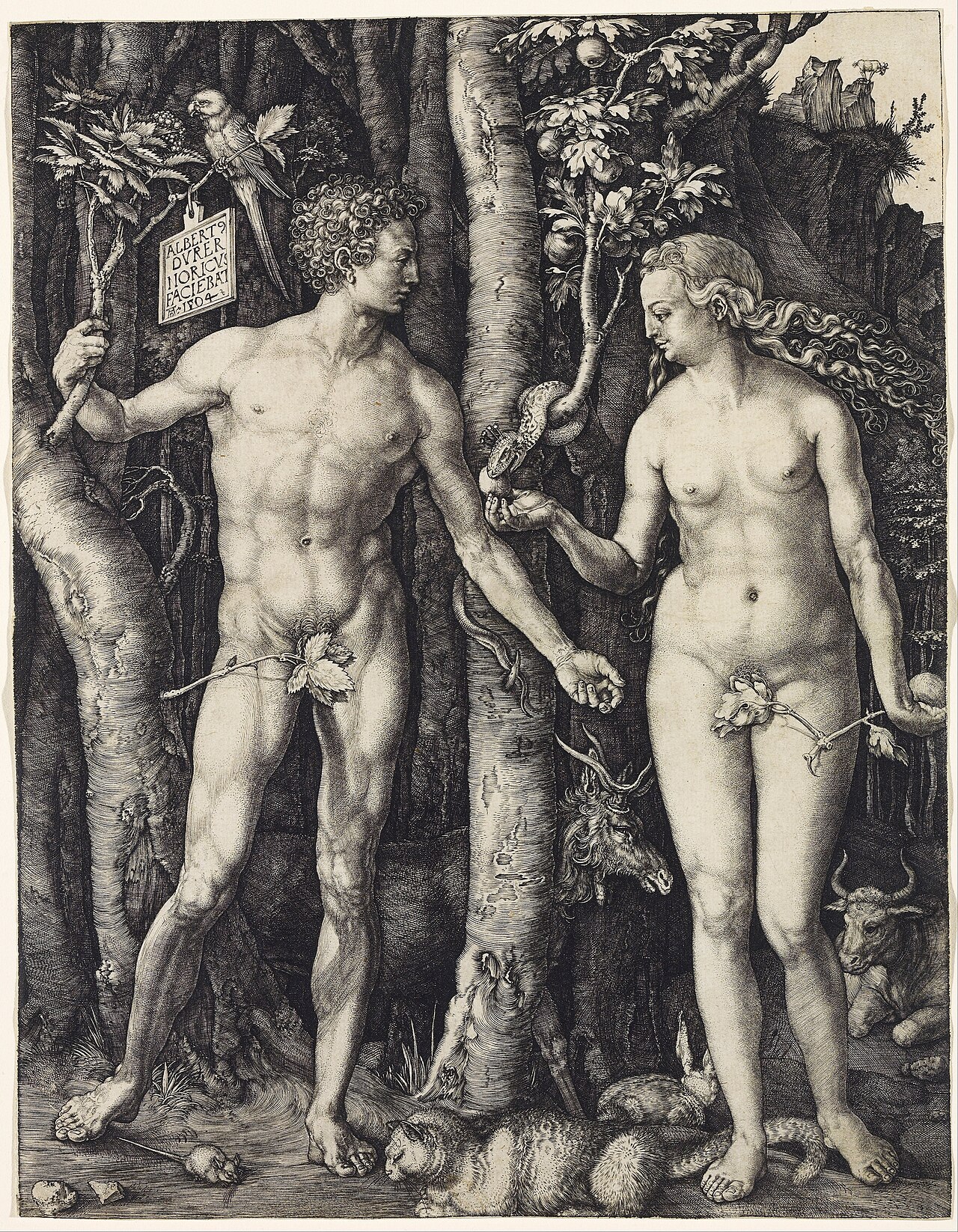
Adam and Eve
Albrecht Dürer · 1504
 Painting
Primary source
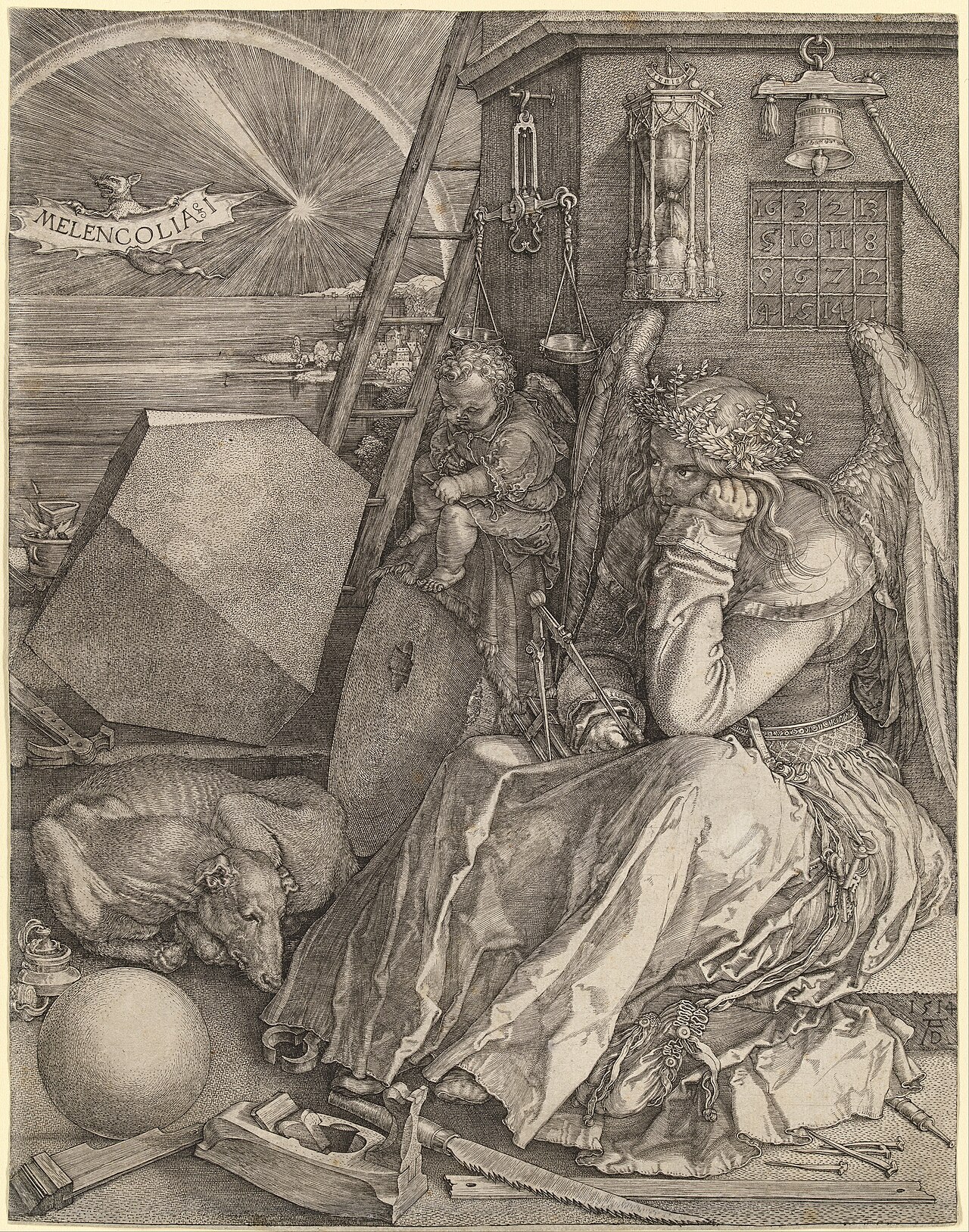
Melencolia I
Albrecht Dürer · 1514
 Painting
Primary source
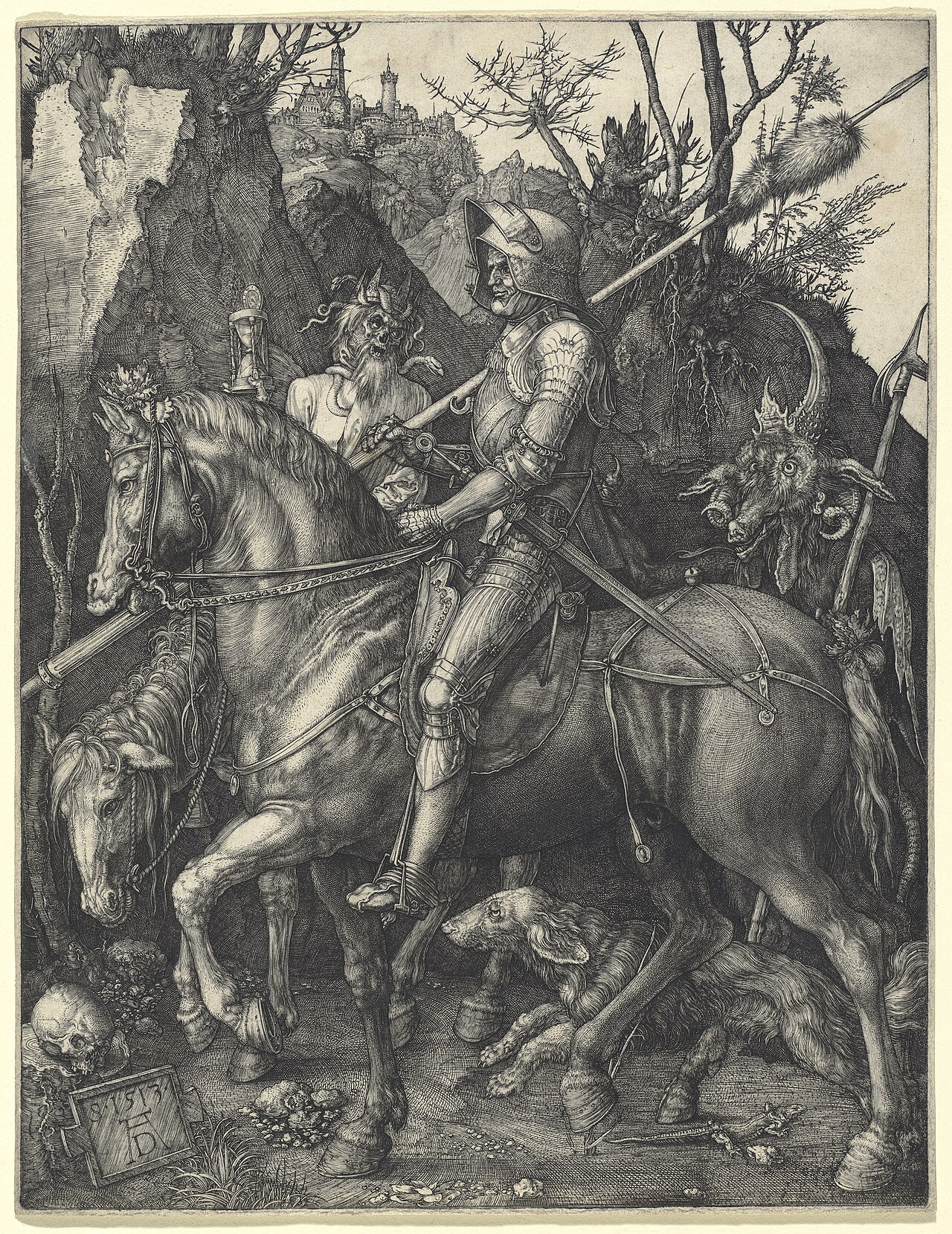
Knight, Death and the Devil
Albrecht Dürer · 1513
 Painting
Primary source
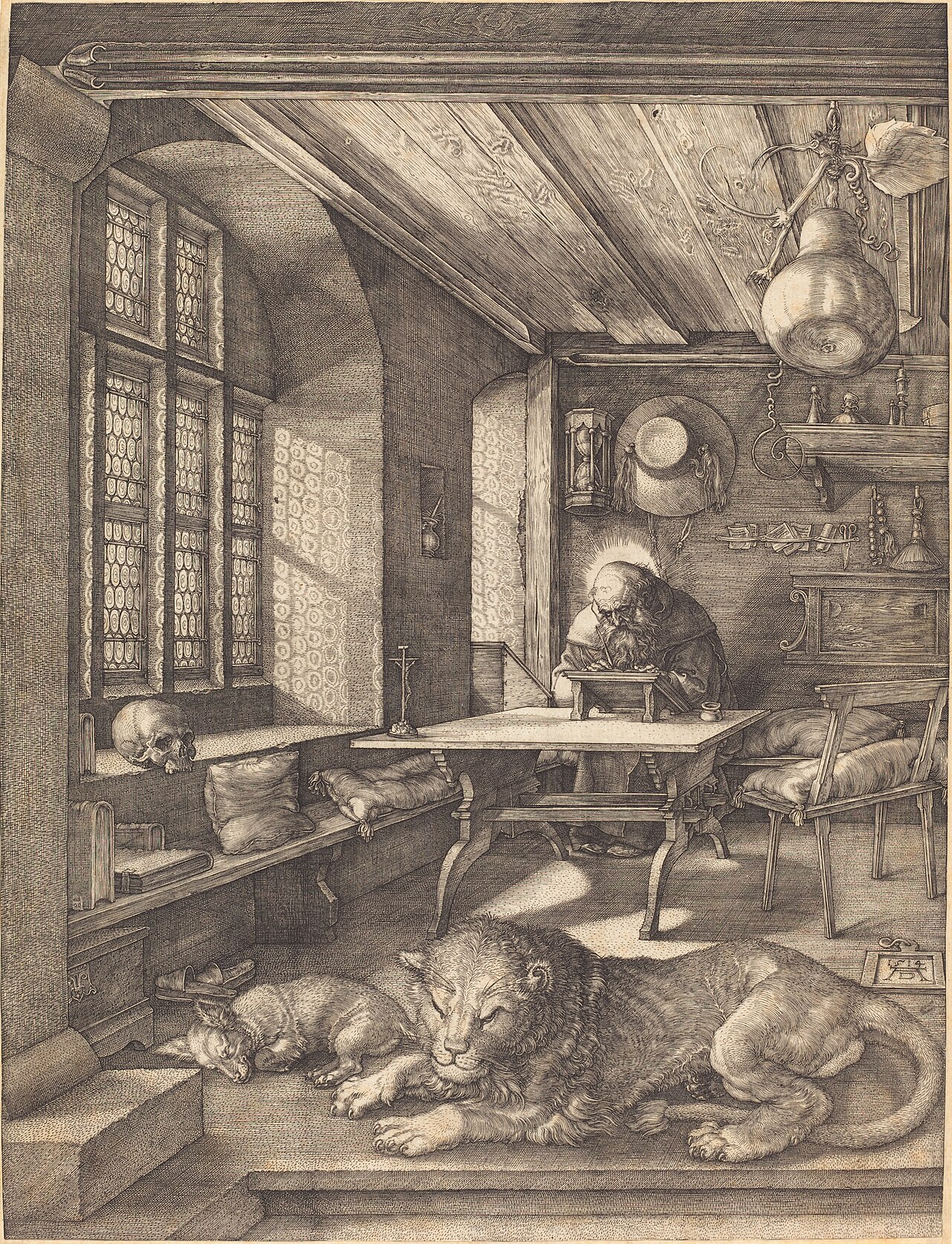
St. Jerome in His Study
Albrecht Dürer · 1514
Ready when you are
Start chatting with Albrecht Dürer now.
20 messages free · No credit card · Available in 50+ languages.