


Secondary sourceArtifact1928-1929
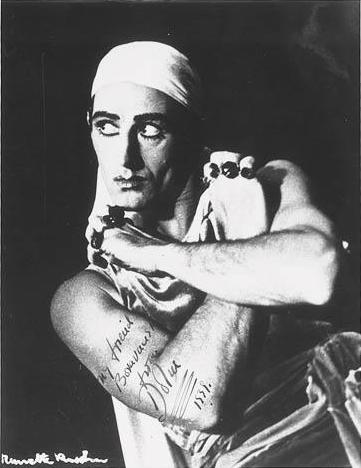
The Prodigal Son (ballet)
George Balanchine · 1928-1929
Prokofiev's last ballet for Diaghilev's Ballets Russes, with choreography by George Balanchine, based on the biblical parable.
Prokofiev composed the music for this ballet, his last for Diaghilev, and conducted its 1929 premiere.
About this source
What it is
This ballet, with music by Sergei Prokofiev and choreography by George Balanchine, was created for Sergei Diaghilev's Ballets Russes in 1928-29. The libretto by Boris Kochno was based on the parable of the Prodigal Son from the Gospel of Luke. It premiered in Paris in May 1929, with sets by Georges Rouault, and the lead role created by Serge Lifar.
Why it matters
This was the final ballet of the Diaghilev era, staged the same year the great impresario died. Prokofiev reportedly disagreed with Balanchine's choreographic approach, wanting a more 'real' depiction, and he conducted the premiere himself. Prokofiev later reused this music as the basis for his Symphony No. 4. The work has been restaged by many companies since, including New York City Ballet.
Look closer
- What does the disagreement between Prokofiev and Balanchine tell you about collaboration in ballet?
- Why might Prokofiev have reused this music later in a symphony?
- What does it mean that this was the Ballets Russes's last Paris season?
This artifact is part of the curated material that grounds the AI version of Sergei Prokofiev on Humy.ai — when students ask about related events, the AI can quote it and cite it.
More Sergei Prokofiev sources
Browse all 72 →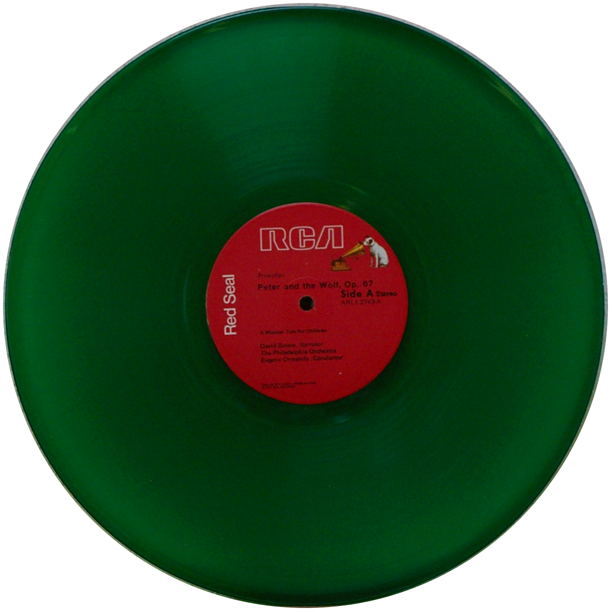 Artifact
Primary source
Peter and the Wolf
Sergei Prokofiev · 1936
 Artifact
Primary source
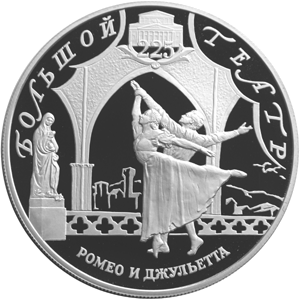
Romeo and Juliet
Sergei Prokofiev · 1935 (revised to 1940)
 Documentary
Secondary source
Alexander Nevsky
Sergei Eisenstein · 1938
 Artifact
Primary source
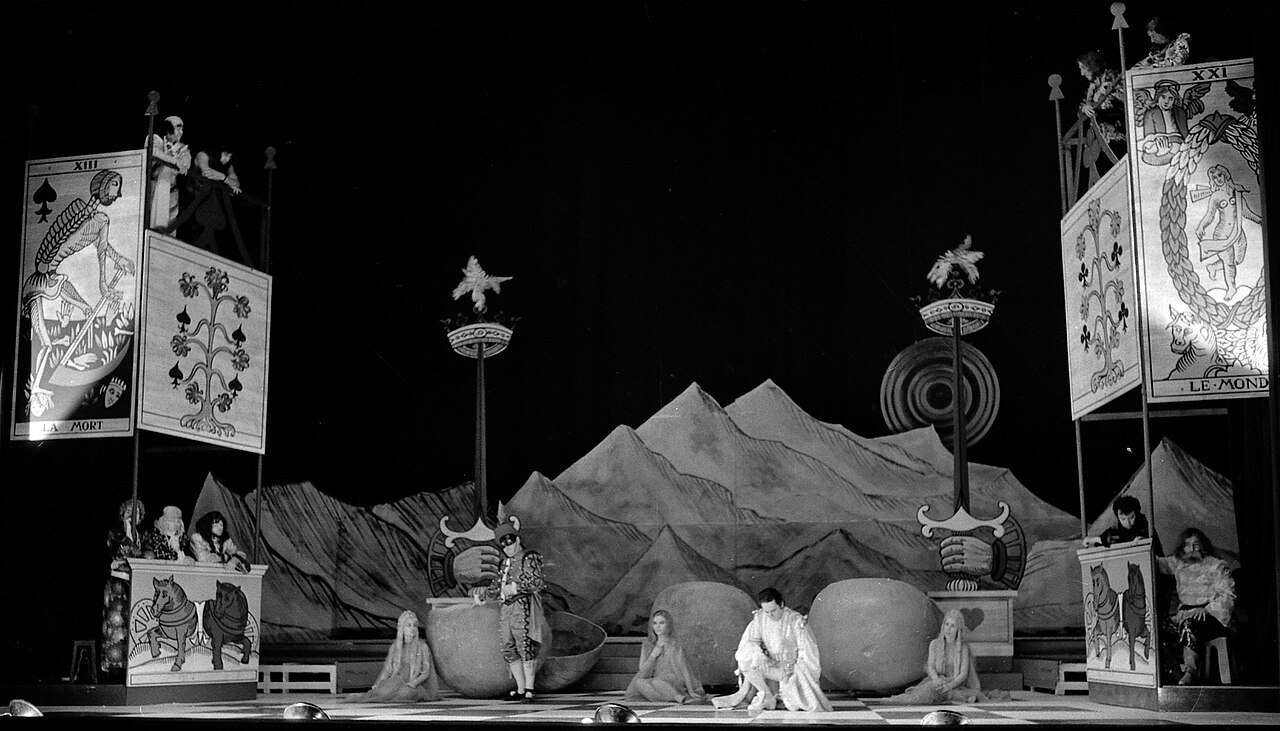
The Love for Three Oranges
Sergei Prokofiev · 1921


Free account
Read every Sergei Prokofiev source
Sign up free →
Ready when you are
Start chatting with Sergei Prokofiev now.
20 messages free · No credit card · Available in 50+ languages.