


Primary sourceBook1901 (monograph); 1904 (book)
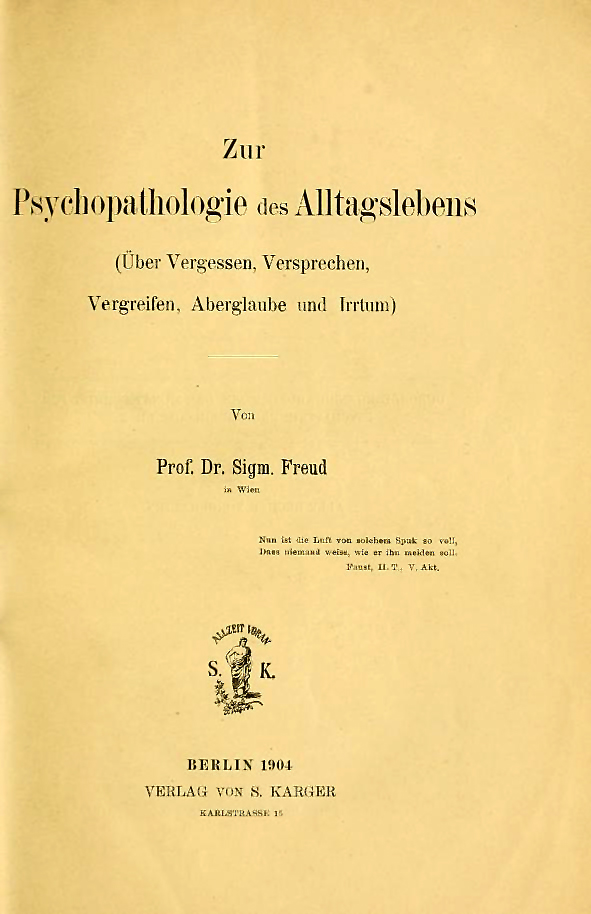
The Psychopathology of Everyday Life
Sigmund Freud · 1901 (monograph); 1904 (book)
Freud's 1901 book analysing slips of the tongue and forgetting as expressions of unconscious wishes, the origin of the 'Freudian slip'.
One of Freud's own best-known books, showing how he applied psychoanalysis to ordinary mistakes and slips in daily life.
About this source
What it is
This is a book by Sigmund Freud, first published in a psychiatry monograph in 1901 and as a book in 1904, with many later editions. In it Freud examines everyday mistakes, forgotten names and slips of the tongue, arguing they reveal hidden unconscious thoughts rather than being random accidents.
Why it matters
The book became one of Freud's most widely read works and popularised the idea now known as the 'Freudian slip'. It shows how Freud extended psychoanalysis from treating illness to explaining ordinary daily behaviour, arguing that the line between normal and abnormal minds is unstable. Its many examples, some drawn from Freud's own life, made psychoanalytic ideas accessible to a broad public, including readers far beyond medicine.
Look closer
- Why might using examples from his own life make Freud's theory more convincing to readers?
- What kind of evidence does Freud use to support his claims about slips and forgetting?
- Can you think of other explanations for these 'mistakes' that Freud does not consider?
This book is part of the curated material that grounds the AI version of Sigmund Freud on Humy.ai — when students ask about related events, the AI can quote it and cite it.
More Sigmund Freud sources
Meet the AI Sigmund Freud →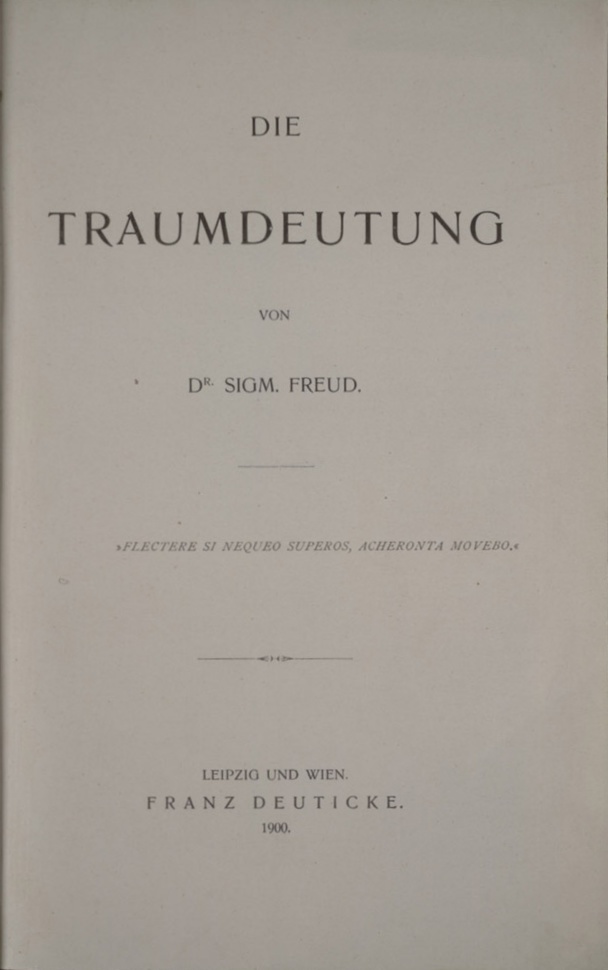 Book
Secondary source
The Interpretation of Dreams
Sigmund Freud · 1900
 Book
Primary source
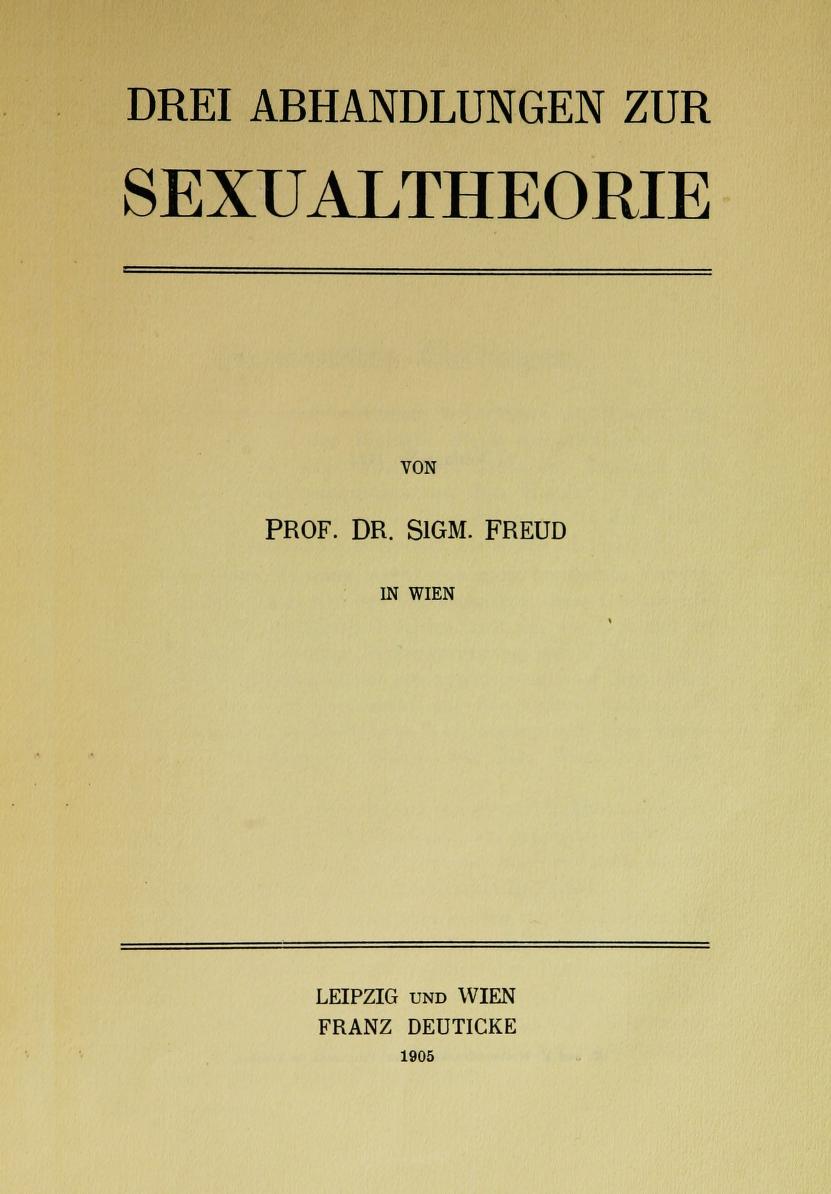
Three Essays on the Theory of Sexuality
Sigmund Freud · 1905
 Book
Primary source
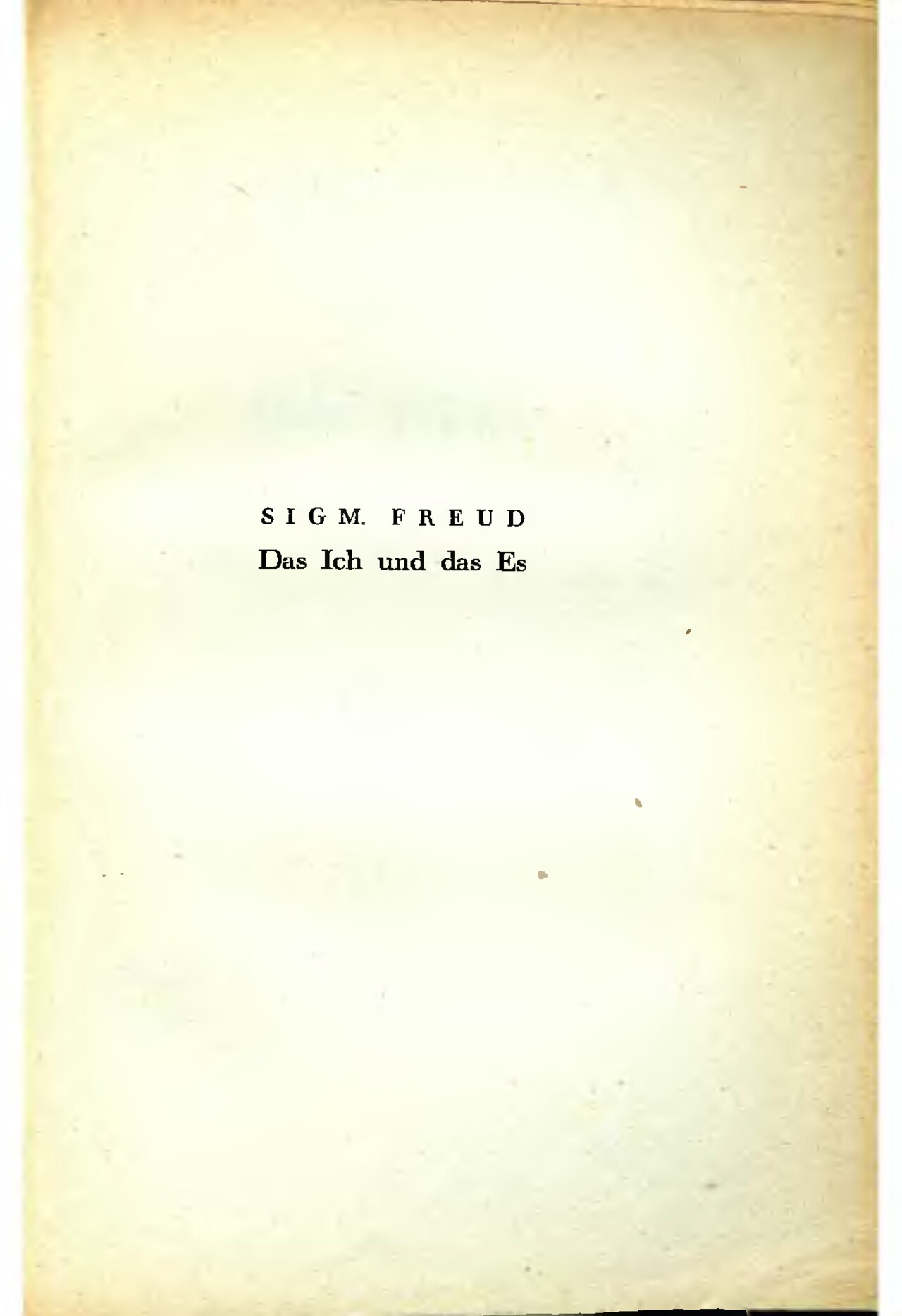
The Ego and the Id
Sigmund Freud · 1923
 Book
Primary source
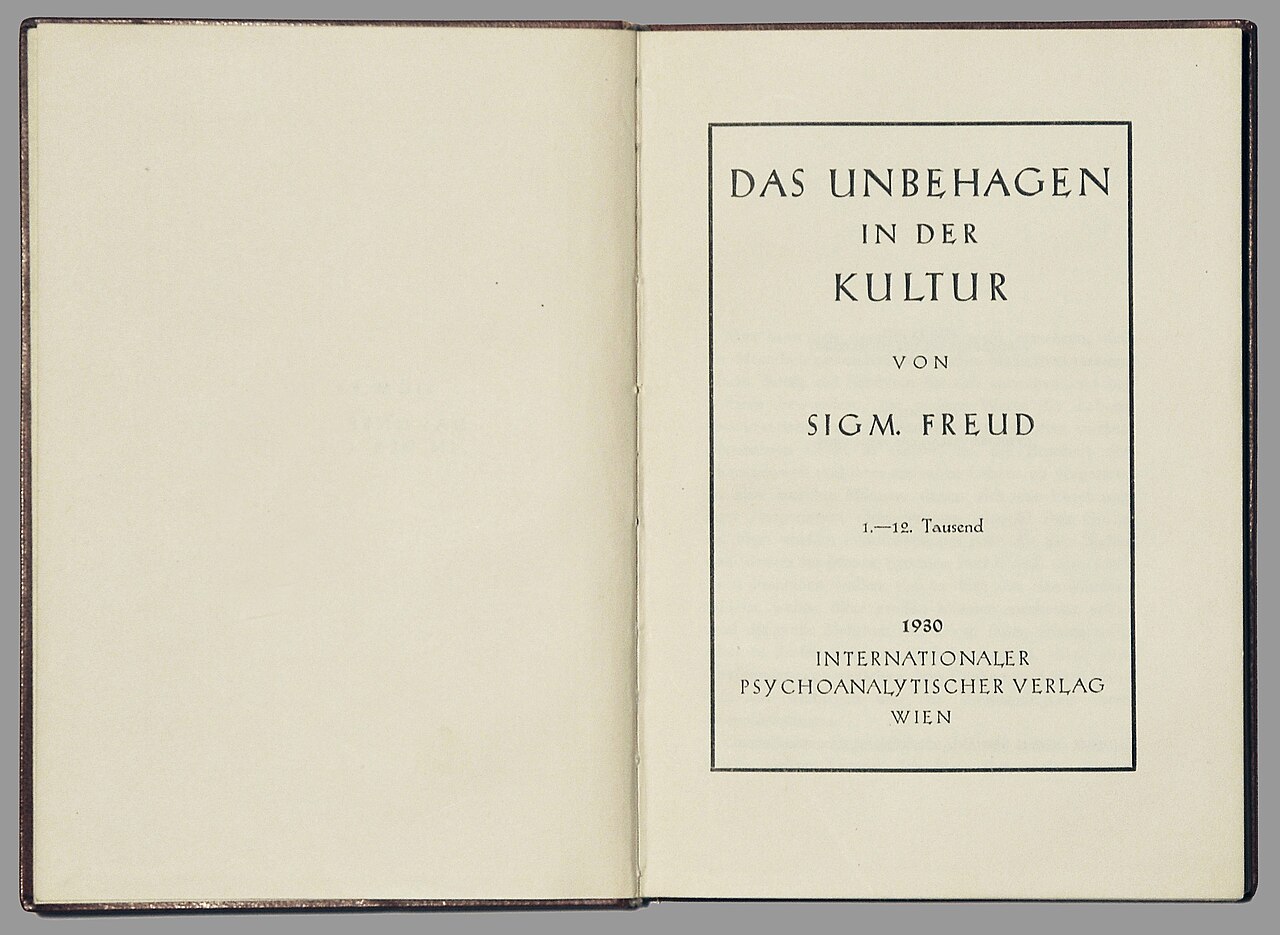
Civilization and Its Discontents
Sigmund Freud · 1930
Primary source
Sigmund Freud's Voice (BBC Broadcast Recording, 1938)
Sigmund Freud · 27 December 1938
Ready when you are
Start chatting with Sigmund Freud now.
20 messages free · No credit card · Available in 50+ languages.