


Secondary sourceArtifactc. 1580
The Resurrection
Philip Galle · c. 1580
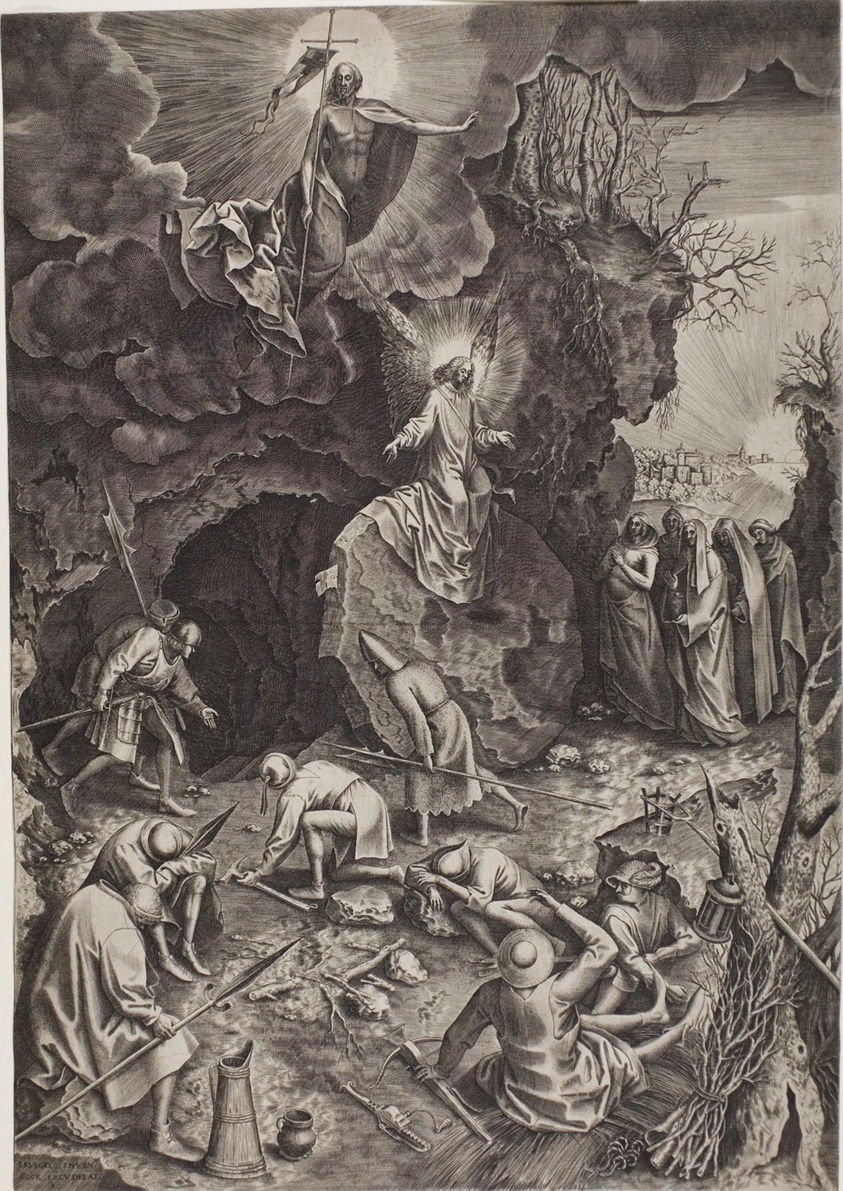
A black-and-white engraving of the Resurrection, cut by Philip Galle after a design by Pieter Bruegel the Elder. It shows how Bruegel's compositions reached buyers through prints.
Galle's print passes on a Resurrection design by Bruegel, showing how his work was spread through engravings after his death.
About this source
What it is
This is a black-and-white engraving of the Resurrection, printed on ivory laid paper. The Flemish printmaker Philip Galle (1537–1612) made it after a design by Pieter Bruegel the Elder. It dates from around 1580, after Bruegel's death in 1569. The Art Institute of Chicago holds it.
Why it matters
Prints like this carried Bruegel's compositions to buyers who could never see his paintings. In the engraving, Christ rises in a glowing halo from a cave while soldiers sleep or recoil on the rocky ground. Women stand at the right near a distant city. Tools and a lantern lie in the foreground, details that invite viewers to think about the scene's ordinary setting.
Look closer
- Who is awake in this scene, and who is not?
- Why might the engraver have placed the women far to the right?
- What might a printed copy leave out that a painted original could show?
This artifact is part of the curated material that grounds the AI version of Pieter Bruegel the Elder on Humy.ai — when students ask about related events, the AI can quote it and cite it.
More Pieter Bruegel the Elder sources
Browse all 96 →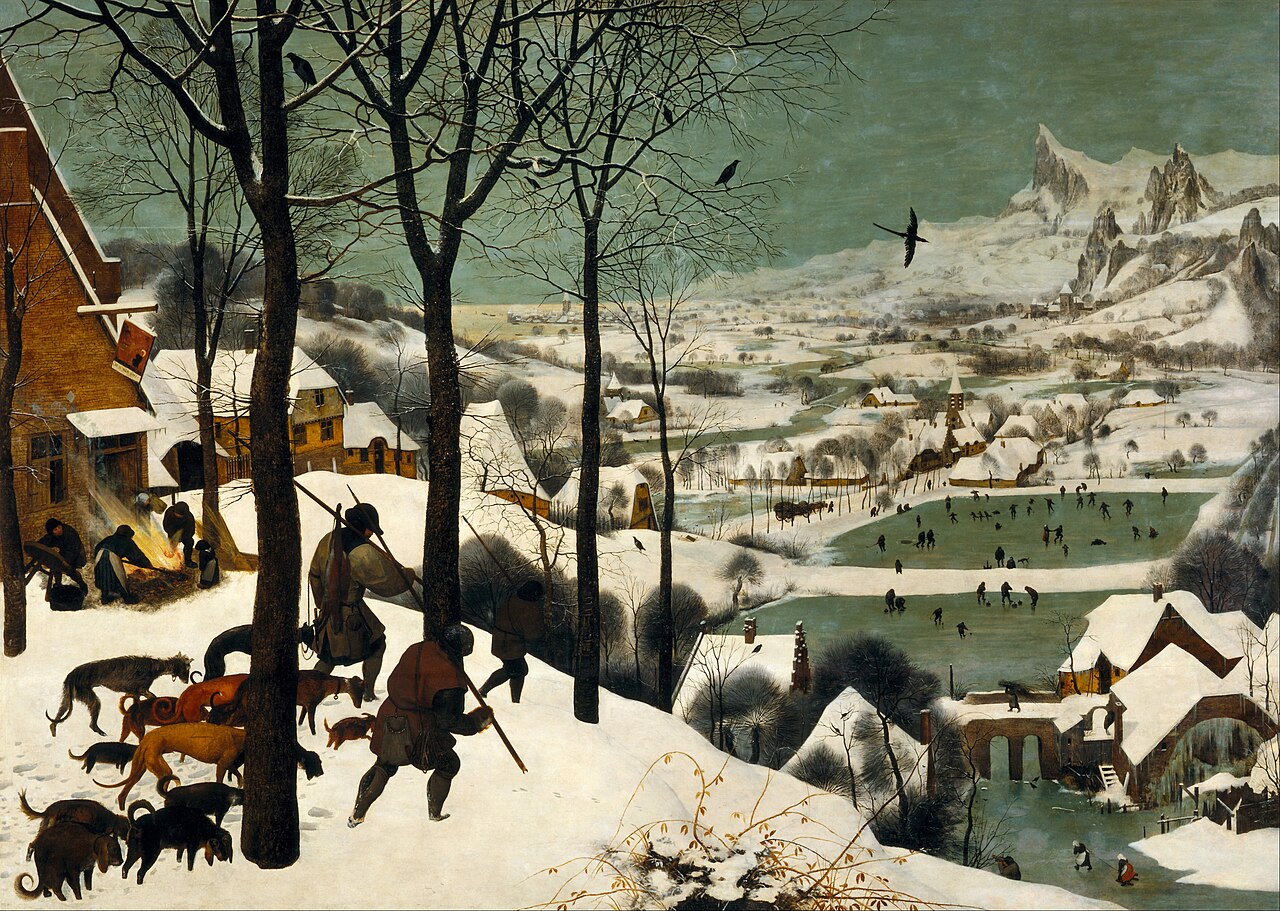 Painting
Primary source
The Hunters in the Snow
Pieter Bruegel the Elder · 1565
 Painting
Primary source
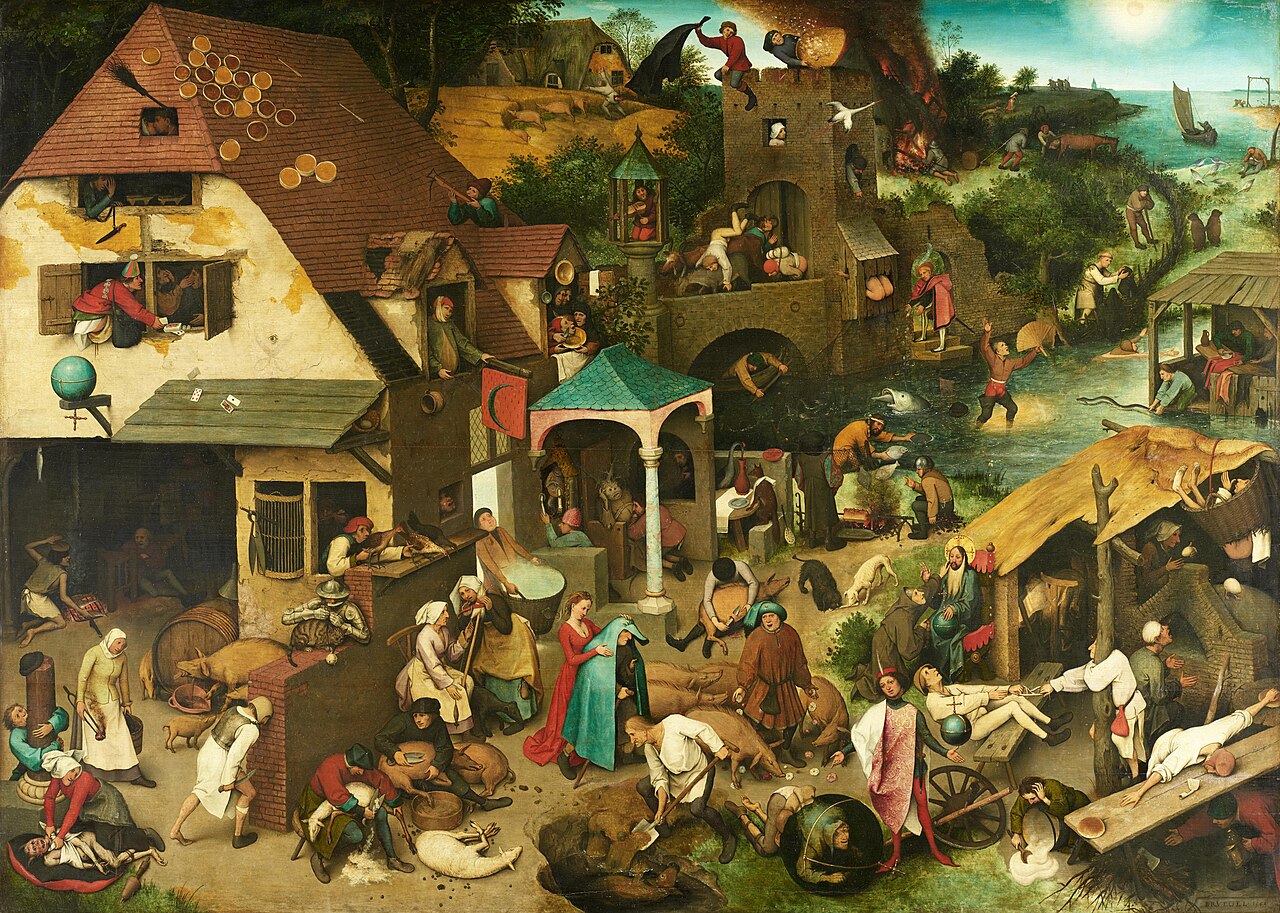
Netherlandish Proverbs
Pieter Bruegel the Elder · 1559
 Painting
Secondary source
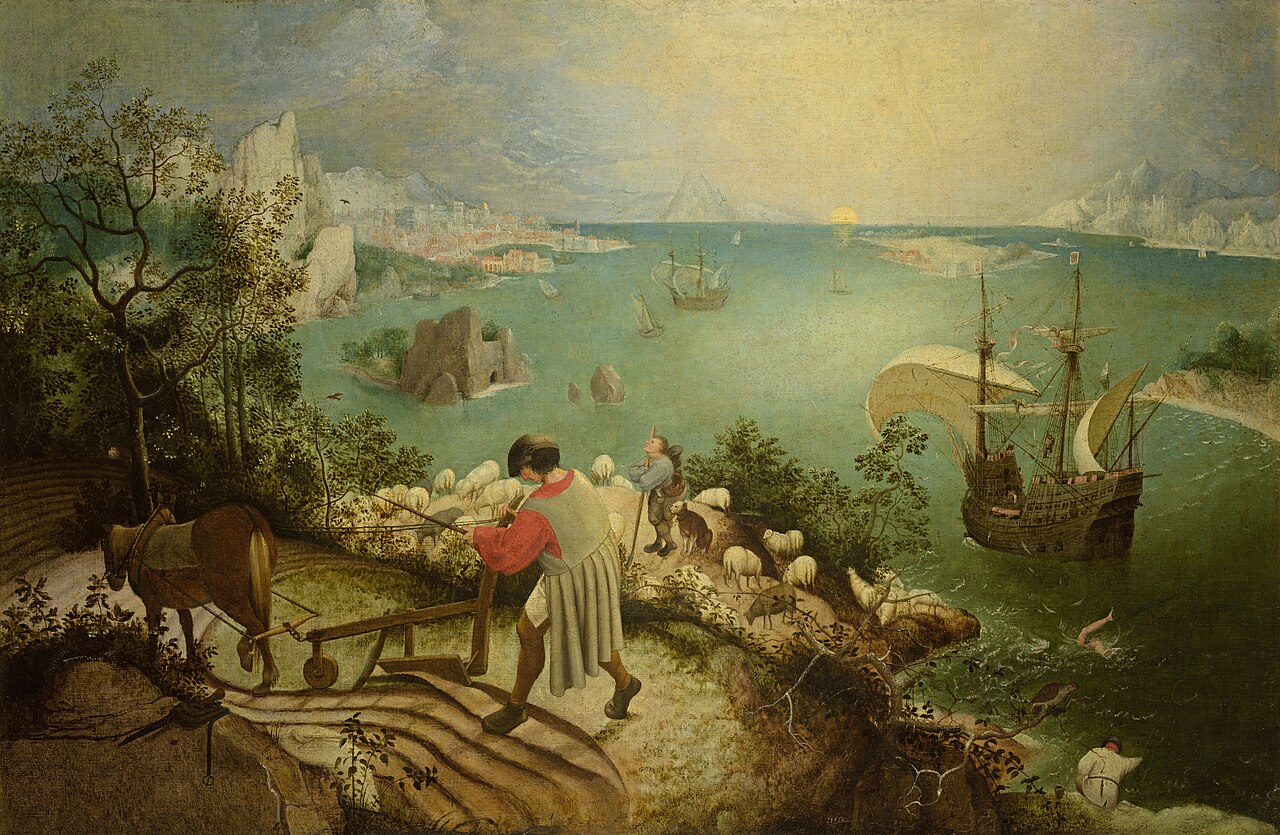
Landscape with the Fall of Icarus
Unknown (circle of Pieter Bruegel the Elder) · c. 1560s
 Painting
Primary source
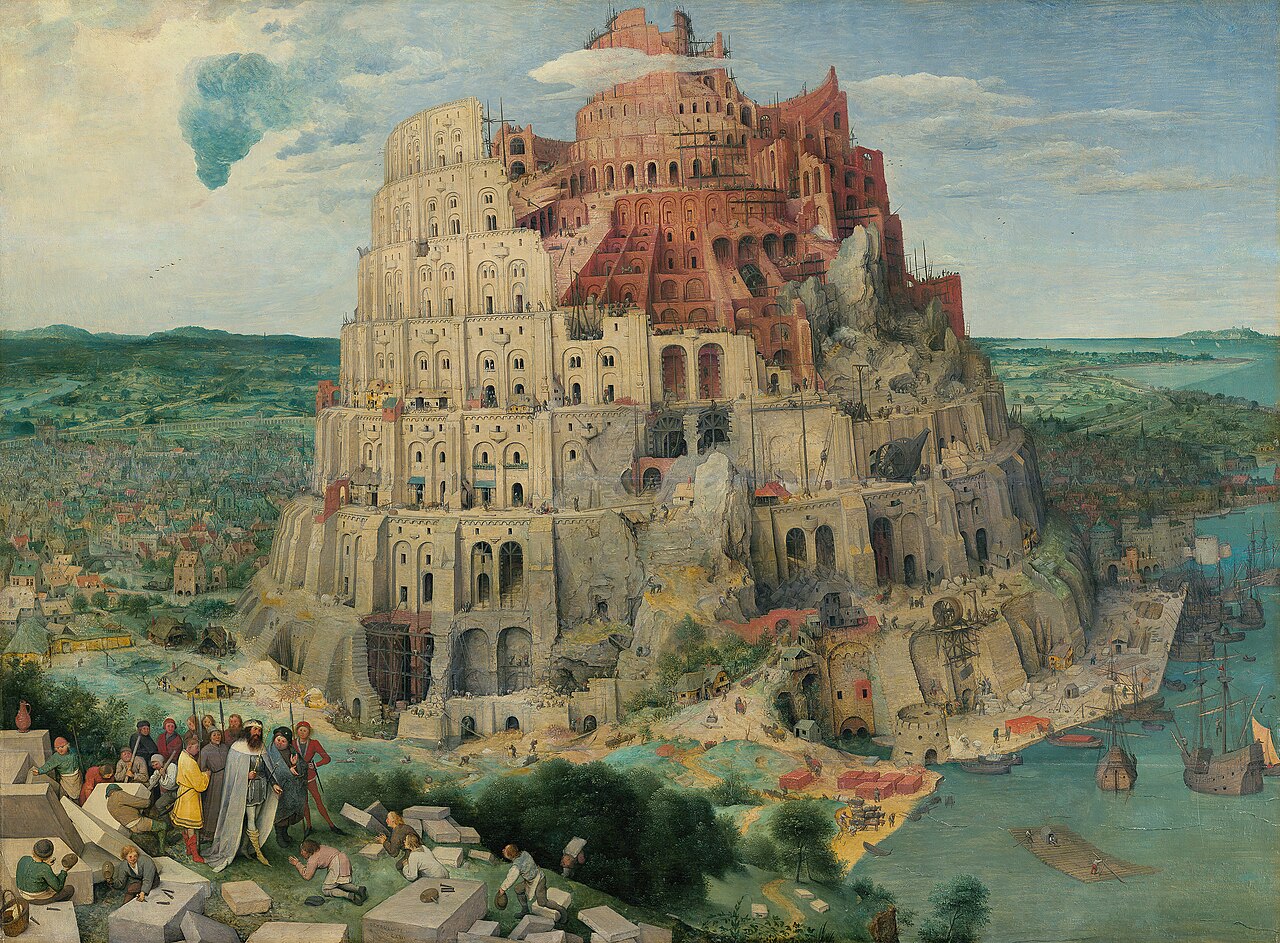
The Tower of Babel
Pieter Bruegel the Elder · 1563
Free account
Read every Pieter Bruegel the Elder source
Sign up free →
Ready when you are
Start chatting with Pieter Bruegel the Elder now.
20 messages free · No credit card · Available in 50+ languages.