


Primary sourcePainting1863
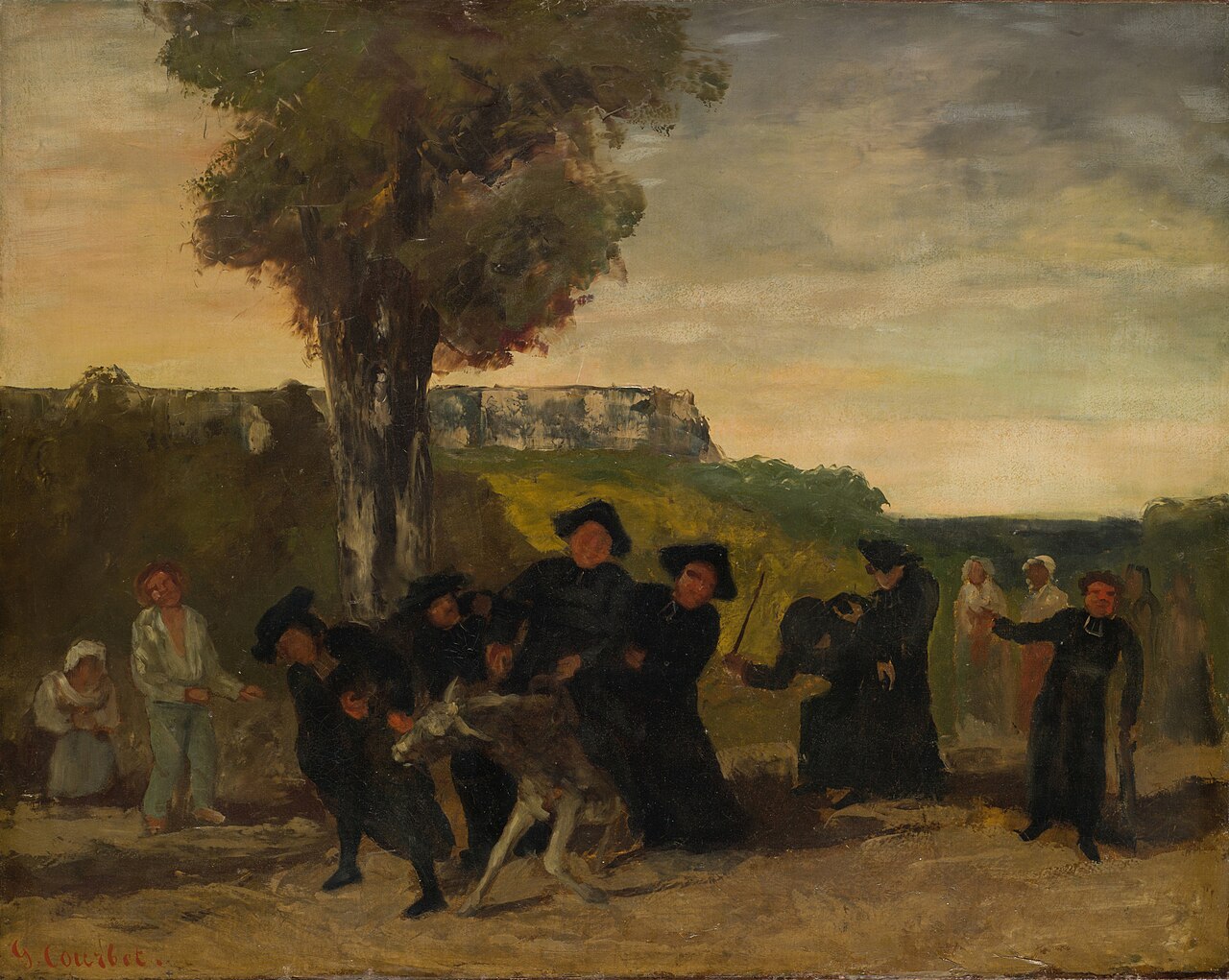
The Return from the Meeting
Gustave Courbet · 1863
A satirical painting by Gustave Courbet showing drunken clergymen stumbling home, rejected by the official Salon and later destroyed.
Courbet painted this anticlerical satire himself, and its Salon rejection shows the limits placed on his provocative art.
About this source
What it is
This is an oil painting by Gustave Courbet, made in 1863. It shows a group of black-robed clergymen staggering along a country road, watched by onlookers. The painting itself no longer survives; it was later destroyed, and it is now known mainly through images and records, kept by the Kunstmuseum Basel.
Why it matters
Courbet painted this as an anticlerical satire, mocking drunken priests. The authorities rejected it from the official Salon exhibition of 1863, showing that even a famous painter faced real limits on what subjects the regime would allow. The work reveals Courbet's willingness to provoke and criticise powerful institutions like the church.
Look closer
- Why might showing clergymen this way have been shocking in 1863?
- What does the painting's rejection tell us about art and censorship at the time?
- Why do you think the original painting no longer exists?
This painting is part of the curated material that grounds the AI version of Gustave Courbet on Humy.ai — when students ask about related events, the AI can quote it and cite it.
More Gustave Courbet sources
Browse all 96 →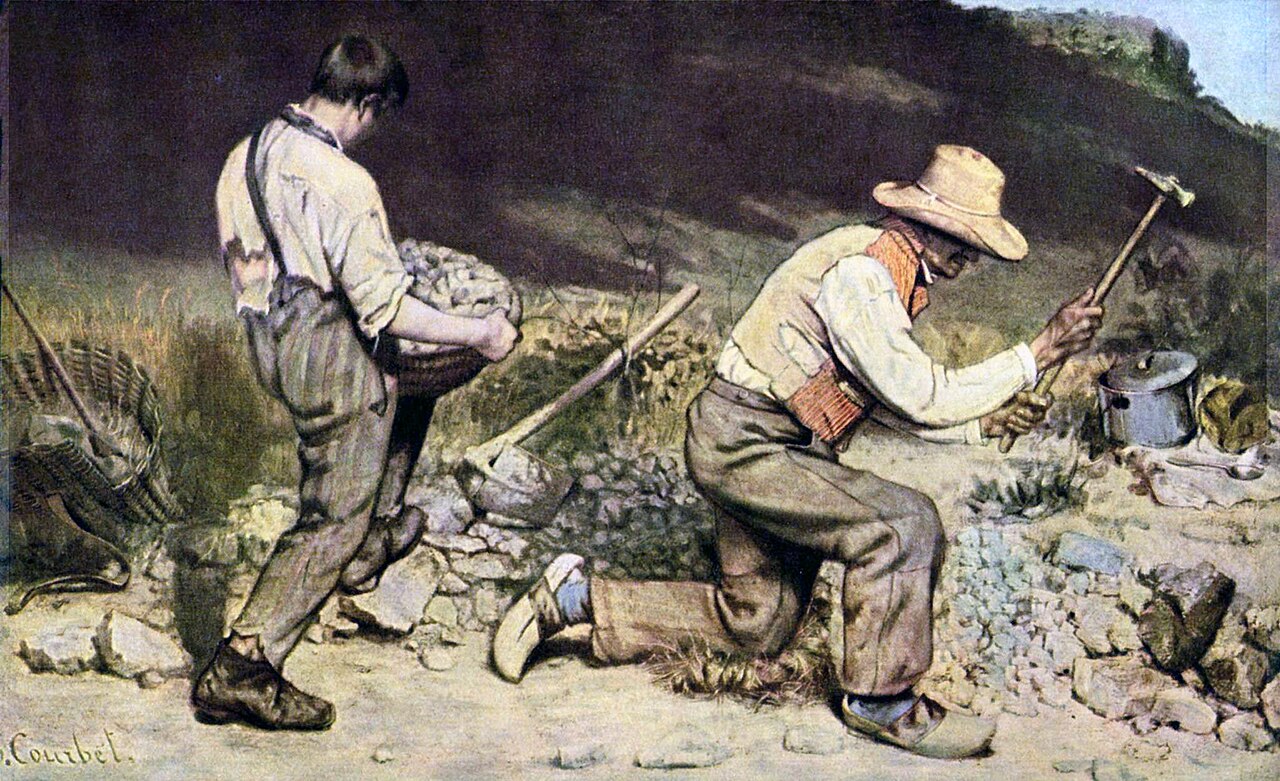 Painting
Primary source
The Stone Breakers
Gustave Courbet · 1849
 Painting
Primary source
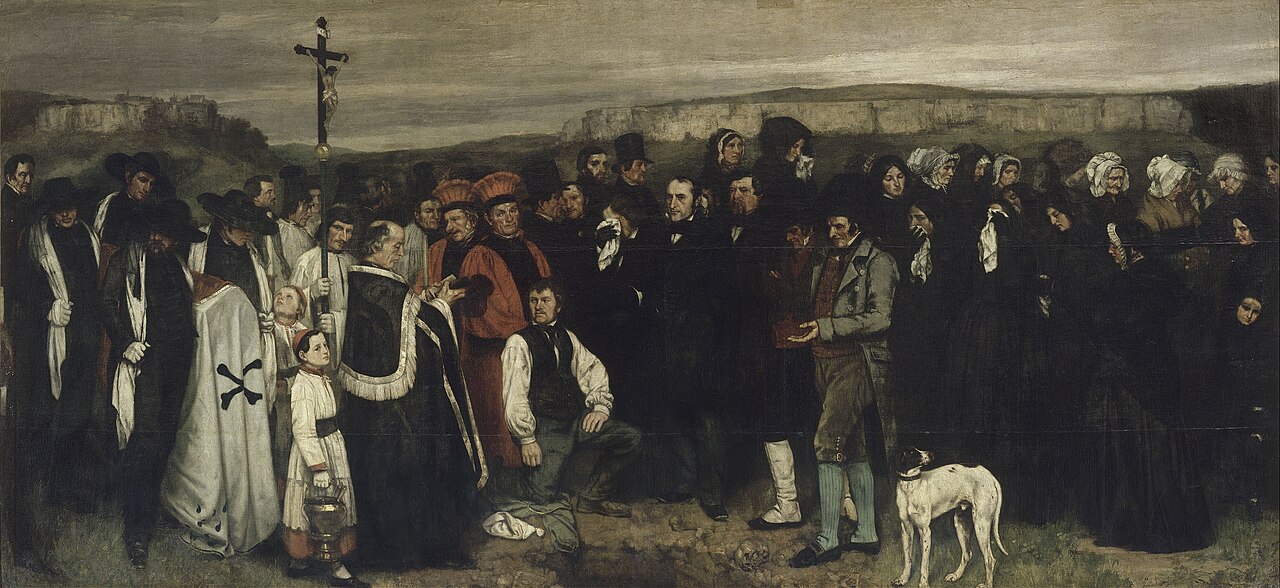
A Burial at Ornans
Gustave Courbet · 1849-1850
 Painting
Primary source
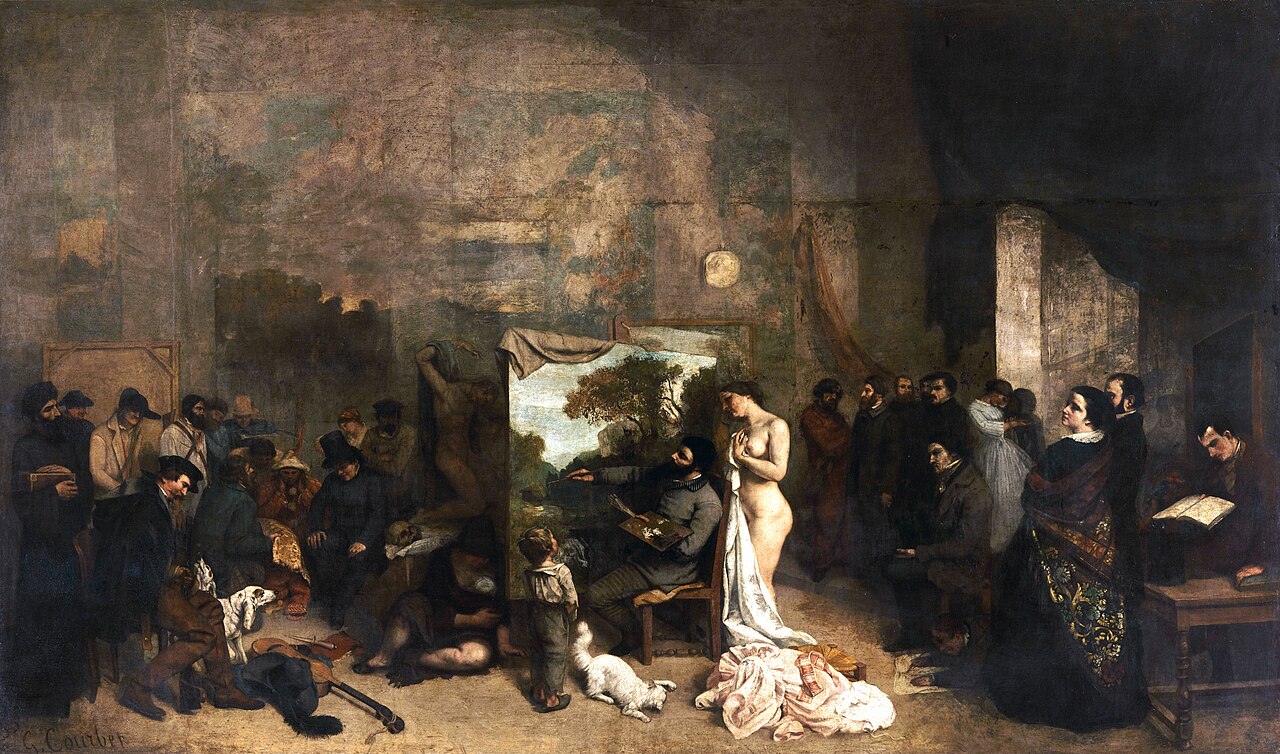
The Painter's Studio
Gustave Courbet · 1855
 Painting
Primary source
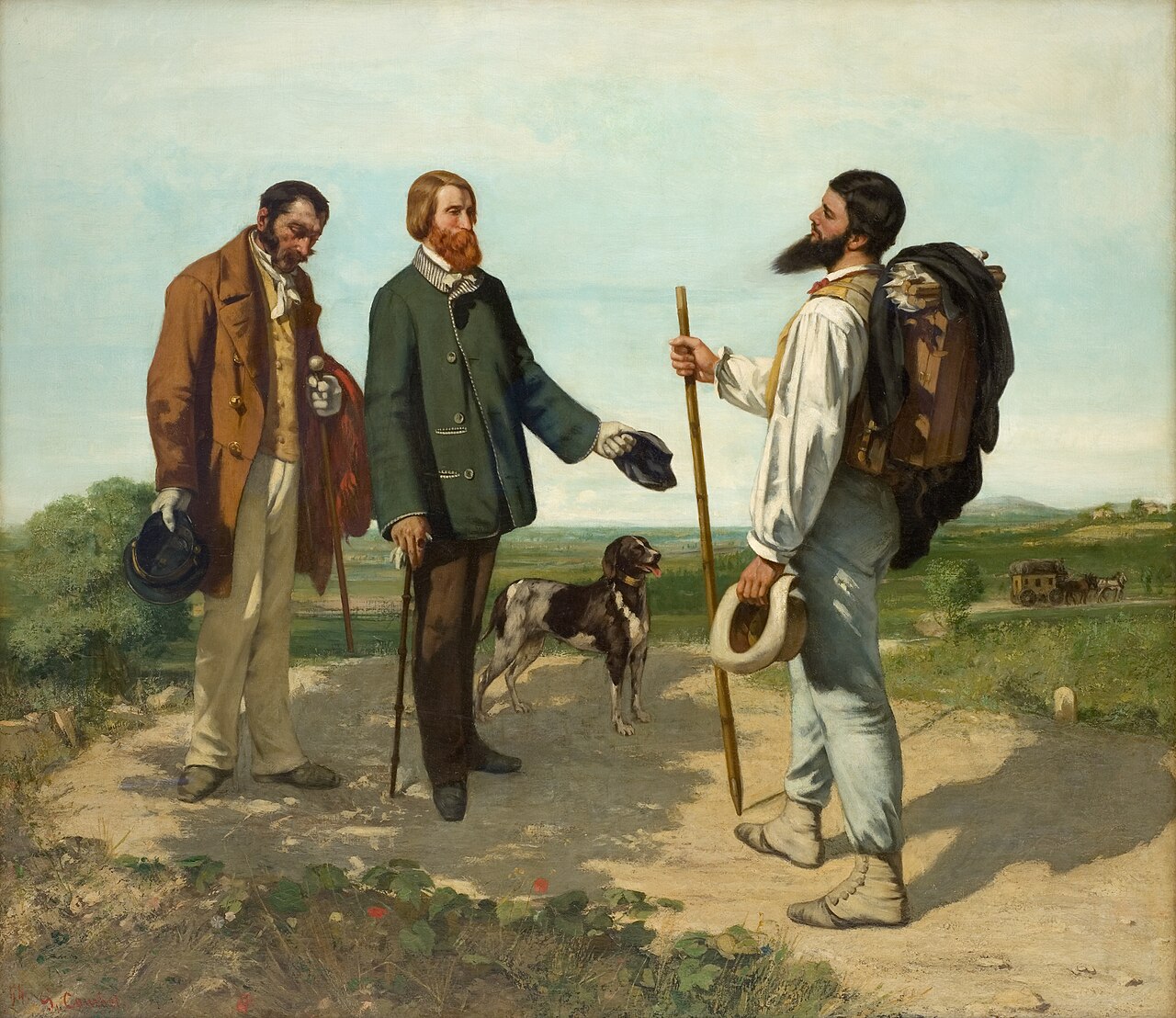
The Meeting, or Bonjour, Monsieur Courbet!
Gustave Courbet · 1854
Free account
Read every Gustave Courbet source
Sign up free →
Ready when you are
Start chatting with Gustave Courbet now.
20 messages free · No credit card · Available in 50+ languages.