


Secondary sourceBook1878
The Revenge of Rain-in-the-Face
Henry Wadsworth Longfellow · 1878
An 1878 poem by Henry Wadsworth Longfellow about Custer's death at Little Bighorn and Lakota leader Rain-in-the-Face.
This poem mythologizes Custer's death at Little Bighorn, shaping his legendary reputation soon after he died.
About this source
What it is
This is a poem written in 1878 by the American poet Henry Wadsworth Longfellow, just two years after the Battle of the Little Bighorn. It dramatizes the death of George Armstrong Custer, referred to as the 'White Chief with yellow hair,' and the Lakota leader Rain-in-the-Face.
Why it matters
This poem shows how quickly Custer's death became the subject of popular legend and poetry in the United States. It reflects the attitudes of the time, placing dramatic blame on Native leaders like Rain-in-the-Face and Sitting Bull, and turning a complex historical event into a simplified story of heroism and vengeance.
Look closer
- How does Longfellow describe Custer compared to how he describes the Native leaders?
- Why might a poet so quickly turn a recent battle into a dramatic, emotional poem?
- What historical details does the poem simplify or leave out?
This book is part of the curated material that grounds the AI version of George Armstrong Custer on Humy.ai — when students ask about related events, the AI can quote it and cite it.
More George Armstrong Custer sources
Meet the AI George Armstrong Custer →Primary source
My Life on the Plains
George Armstrong Custer · 1874
 Document
Primary source
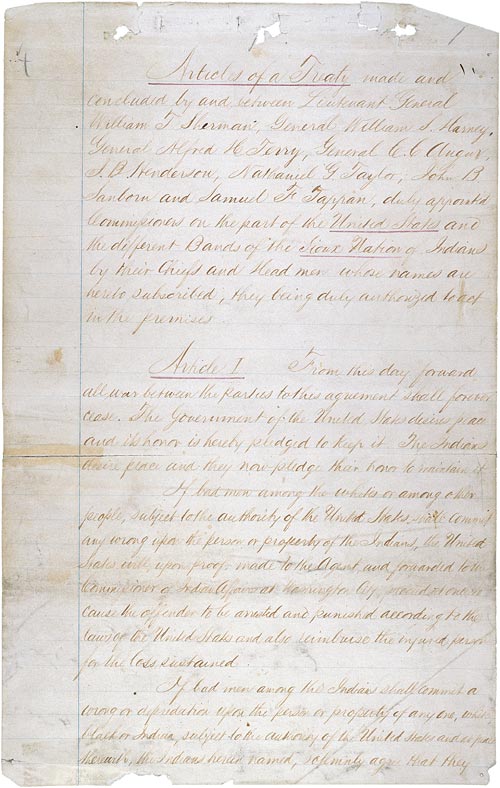
Fort Laramie Treaty
29 April 1868
 Painting
Primary source
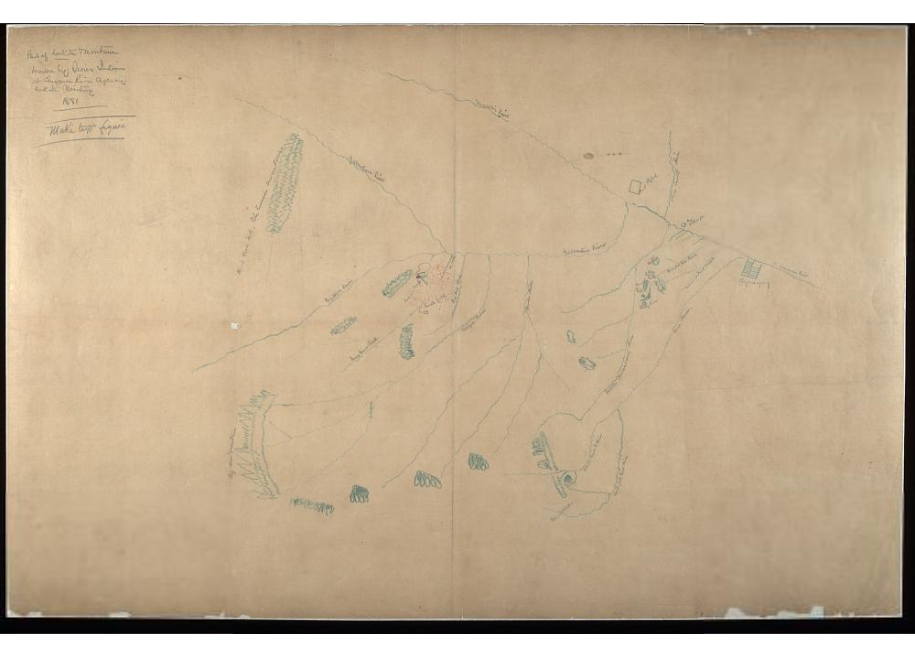
Red Horse pictographic account of the Battle of the Little Bighorn
Red Horse · 1881
 Document
Primary source
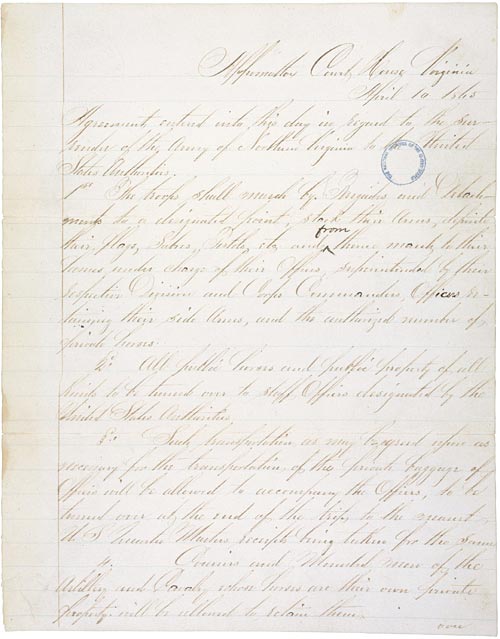
Articles of Agreement Relating to the Surrender of the Army of Northern Virginia
Ulysses S. Grant · 10 April 1865
 Photograph
Primary source
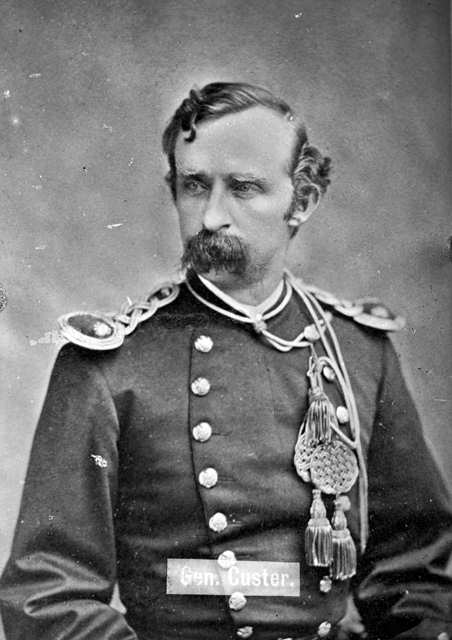
Custer
José María Mora · 1876
Ready when you are
Start chatting with George Armstrong Custer now.
20 messages free · No credit card · Available in 50+ languages.