


Primary sourceBook1915
The River-Merchant's Wife: A Letter
Ezra Pound (after Li Bai) · 1915
Pound's free-verse rendering of a Tang-dynasty poem by Li Bai, published in his 1915 collection Cathay.
One of Pound's most famous poems, showing his method of reworking classical Chinese poetry into English.
Free Humy account · No credit card · 120,912 sources to read
About this source
What it is
This four-stanza free-verse poem was written by Ezra Pound, loosely translated from a poem by the Chinese poet Li Bai called Chánggān Xíng. It first appeared in Pound's 1915 collection Cathay and is spoken in the voice of a young wife missing her husband, a river merchant.
Why it matters
The poem is the most widely anthologized piece from Cathay and has been praised as an imagist and vorticist masterpiece. It shows how Pound, without knowing Chinese, reshaped classical Chinese poetry into modern English verse — though critics note it loses some of the original's cultural specifics.
Look closer
- What feelings does the speaker express, and how are they built up stanza by stanza?
- Pound did not read Chinese — what does that tell you about what counts as a 'translation'?
- What might be lost when a poem crosses from one language and culture to another?
This book is part of the curated material that grounds the AI version of Ezra Pound on Humy.ai — when students ask about related events, the AI can quote it and cite it.
More Ezra Pound sources
Browse all 58 →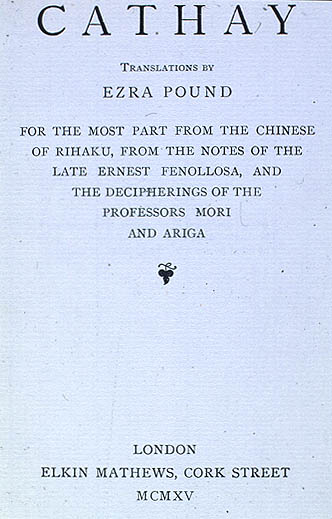 Book
Primary source
Cathay
Ezra Pound · 1915
Primary source
Hugh Selwyn Mauberley
Ezra Pound · 1920
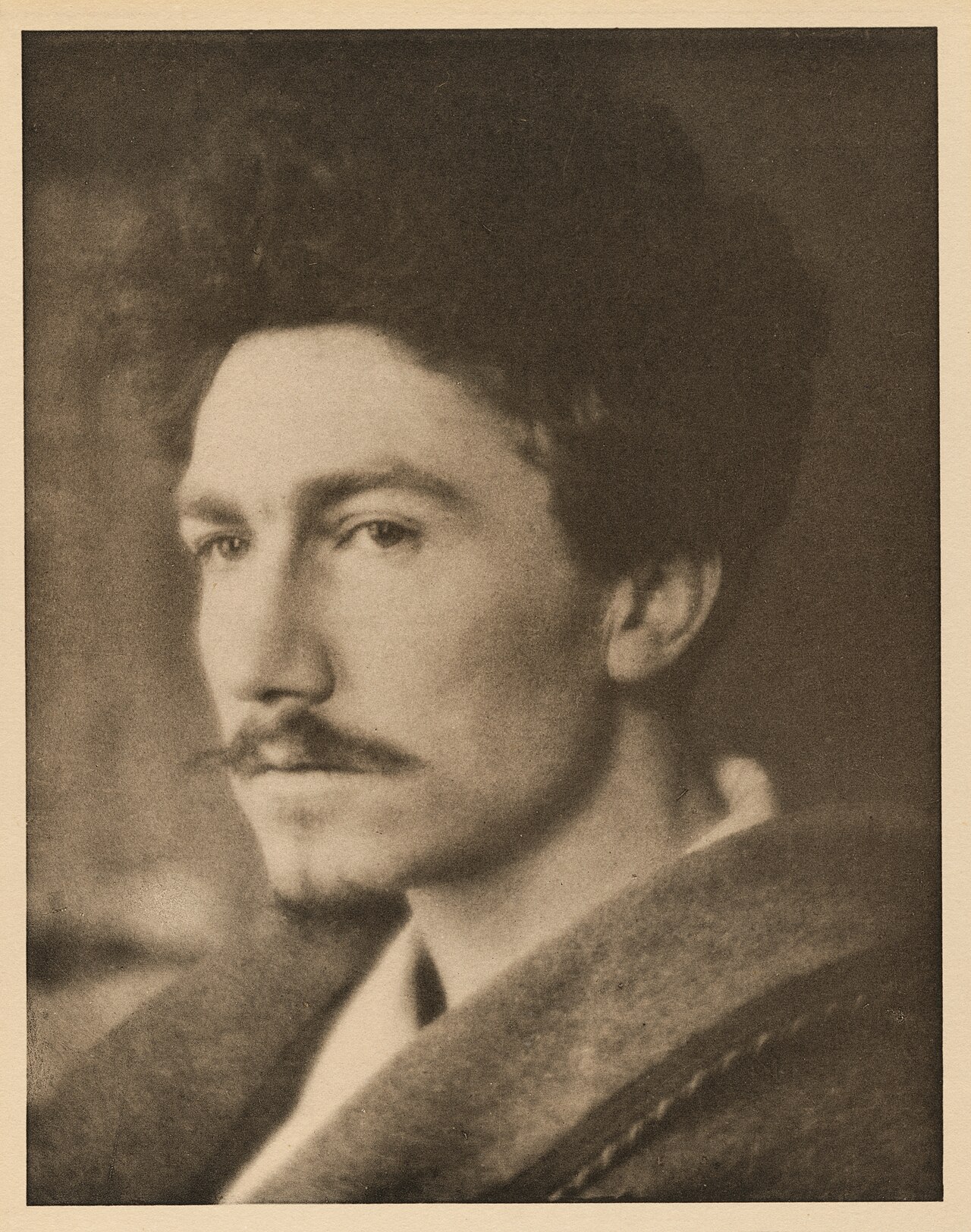 Photograph
Primary source
Portrait of Ezra Pound
Alvin Langdon Coburn · 1913
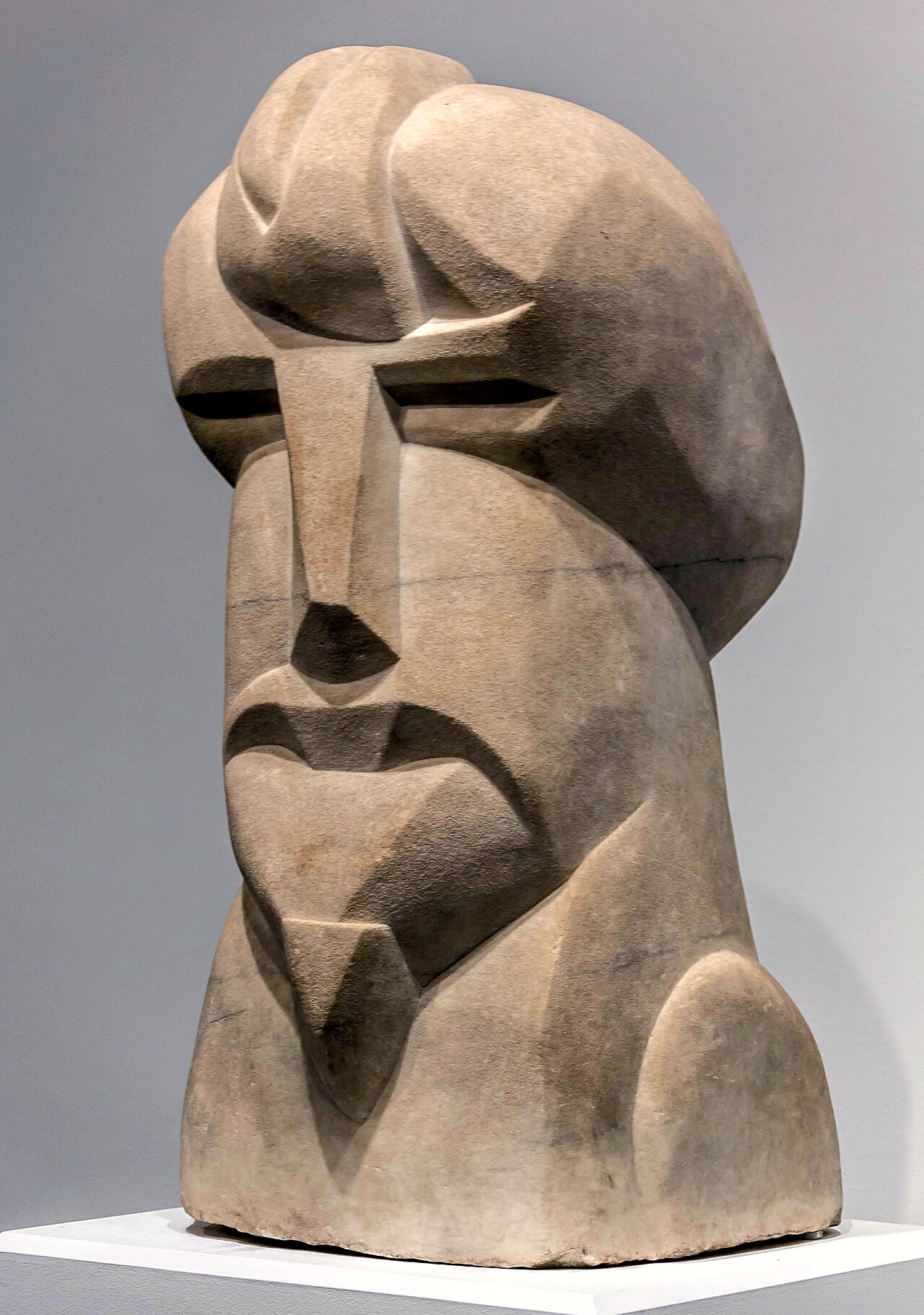 Sculpture
Primary source
Hieratic Head of Ezra Pound
Henri Gaudier-Brzeska · 1914
Free account
Read every Ezra Pound source
Sign up free →
Ready when you are
Start chatting with Ezra Pound now.
20 messages free · No credit card · Available in 50+ languages.