


Primary sourcePhotograph30 December 1941
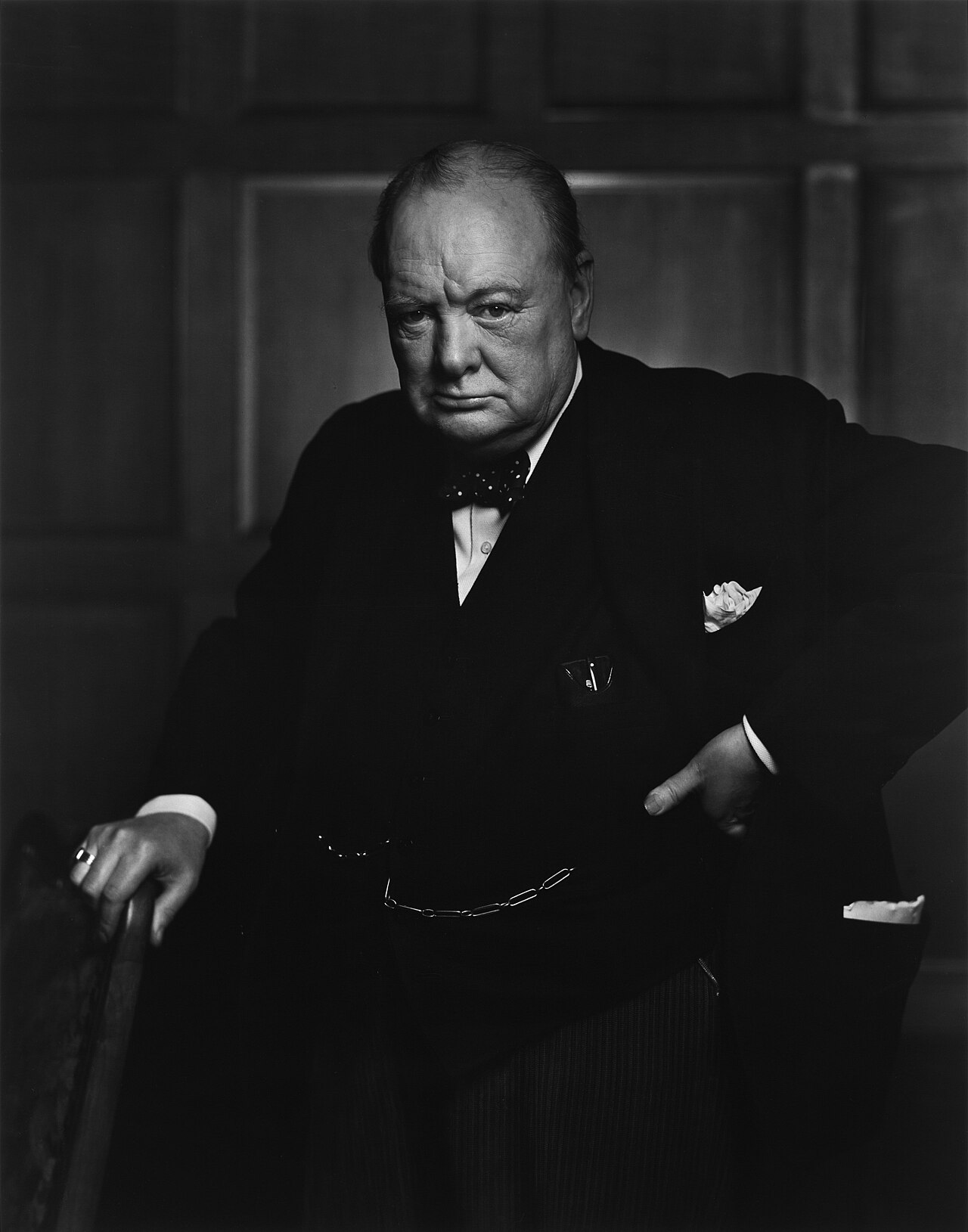
The Roaring Lion
Yousuf Karsh · 30 December 1941
Yousuf Karsh's 1941 photographic portrait of Churchill, taken in Ottawa, which became an iconic image of wartime defiance.
This portrait of Churchill, taken during the war, became the defining image of his public image as a defiant wartime leader.
About this source
What it is
This black-and-white photograph of Winston Churchill was taken on 30 December 1941 by Armenian-Canadian photographer Yousuf Karsh in Ottawa, Canada, shortly after Churchill gave a wartime speech to the Canadian parliament. The original negative is held by Library and Archives Canada.
Why it matters
Karsh famously took the cigar from Churchill's mouth just before shooting, producing the stern, defiant expression that made the photo instantly famous. It became one of the most reproduced portraits in photographic history, symbolising Britain's resistance to fascism, and launched Karsh's international career. The image later appeared on stamps, coins and banknotes.
Look closer
- What does Churchill's posture and expression suggest he wanted people to feel?
- How might removing the cigar have changed the mood of the photograph?
- Why do you think this image became so widely reproduced compared to other wartime portraits?
This photograph is part of the curated material that grounds the AI version of Winston Churchill on Humy.ai — when students ask about related events, the AI can quote it and cite it.
More Winston Churchill sources
Meet the AI Winston Churchill →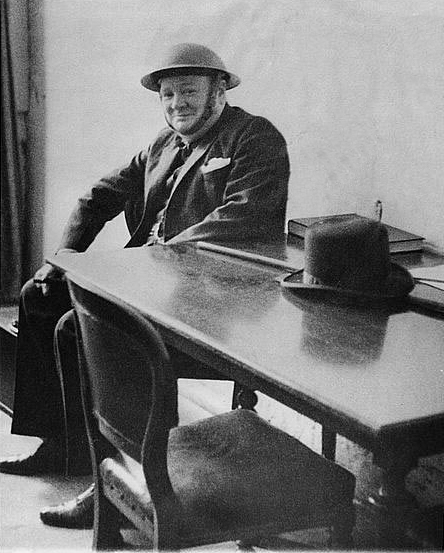 Speech
Primary source
Blood, Toil, Tears, and Sweat
Winston Churchill · 13 May 1940
Primary source
We Shall Fight on the Beaches
Winston Churchill · 4 June 1940
Primary source
This Was Their Finest Hour
Winston Churchill · 18 June 1940
 Speech
Primary source
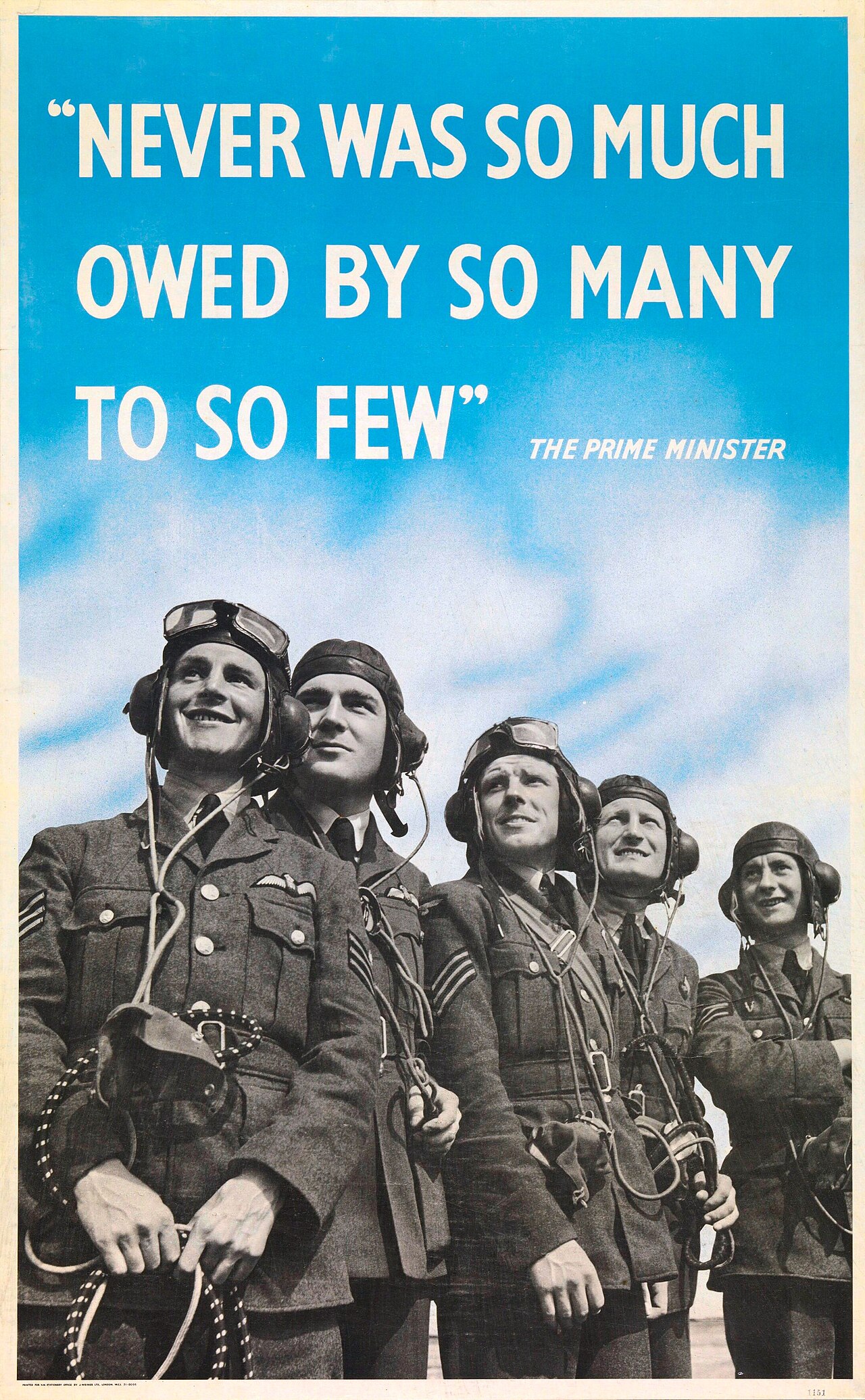
Never Was So Much Owed by So Many to So Few
Winston Churchill · 20 August 1940
 Speech
Primary source
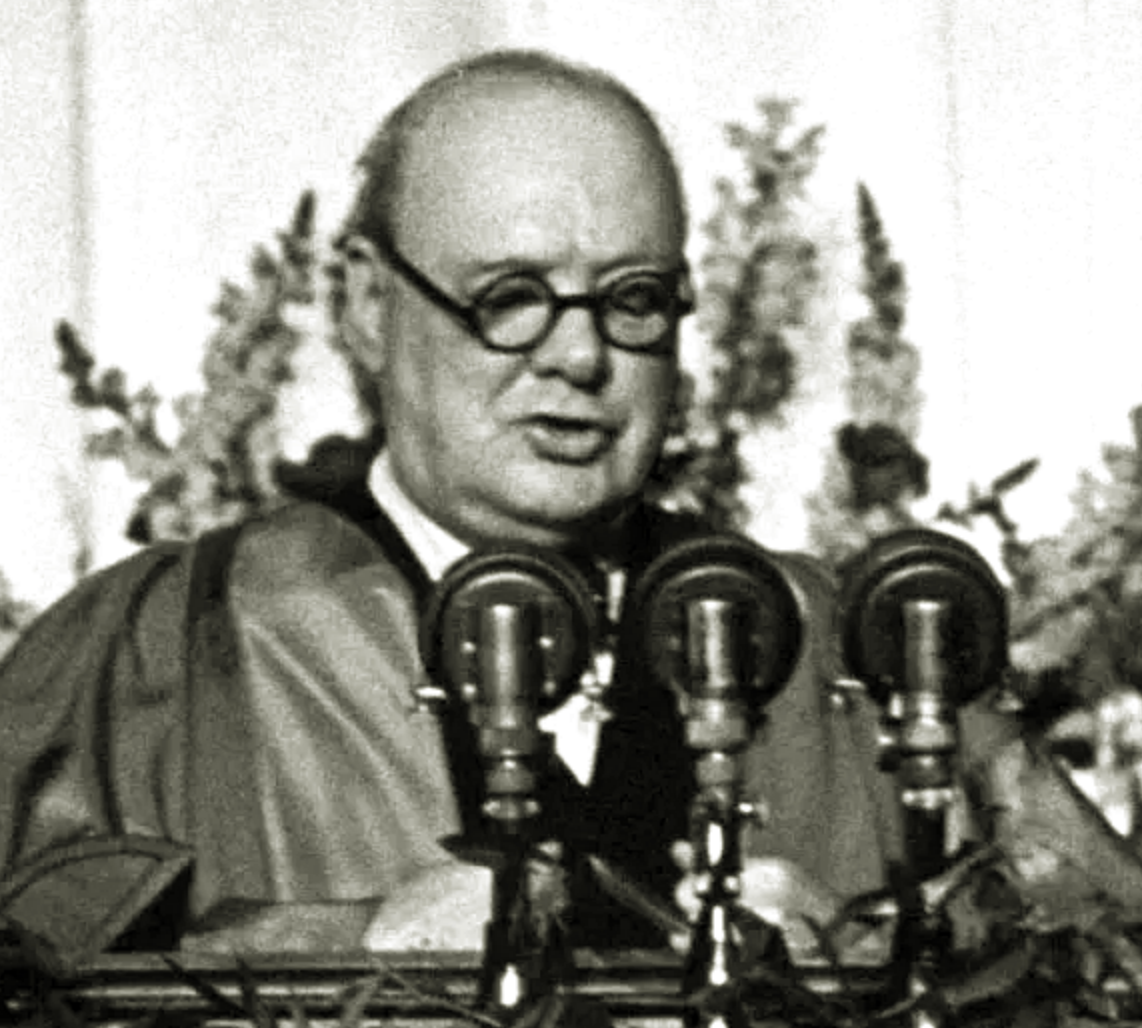
The Sinews of Peace
Winston Churchill · 5 March 1946
Ready when you are
Start chatting with Winston Churchill now.
20 messages free · No credit card · Available in 50+ languages.