


Primary sourcePaintingca. 1749–50
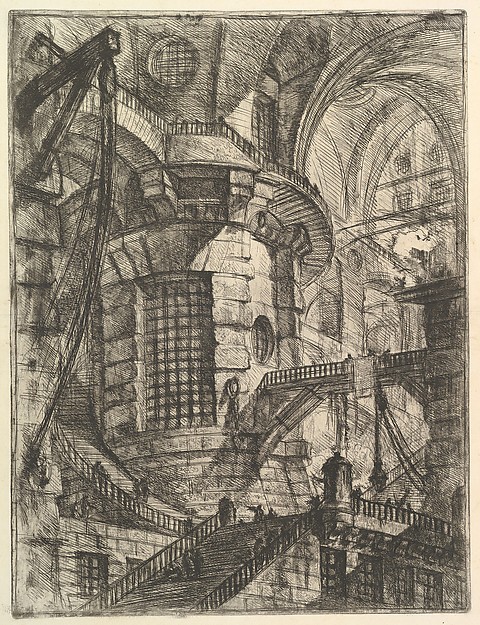
The Round Tower, from Carceri d'invenzione
Giovanni Battista Piranesi · ca. 1749–50
An imaginary prison etching evoking the kind of dark, massive prison interiors like the one where Casanova was once held.
Evokes the dark, massive prison atmosphere linked to Casanova's famous imprisonment and escape, though not a depiction of it.
About this source
What it is
An etching by the Italian artist Giovanni Battista Piranesi, made around 1749–50, part of his series "Carceri d'invenzione" (Imaginary Prisons). It is held at the Metropolitan Museum of Art.
Why it matters
This print does not show the actual prison where Casanova was held, but it captures the same era's fascination with vast, shadowy prison architecture. Casanova was famously imprisoned and later escaped from a Venetian prison known as the Piombi, and this etching helps students imagine the atmosphere of fear and confinement associated with 18th-century imprisonment.
Look closer
- What feelings does the massive stone tower and tangled staircases create?
- Why might an artist invent a prison rather than draw a real one?
- How does this image shape our idea of what Casanova's imprisonment might have felt like, even though it isn't a direct depiction?
This painting is part of the curated material that grounds the AI version of Giacomo Casanova on Humy.ai — when students ask about related events, the AI can quote it and cite it.
More Giacomo Casanova sources
Browse all 60 →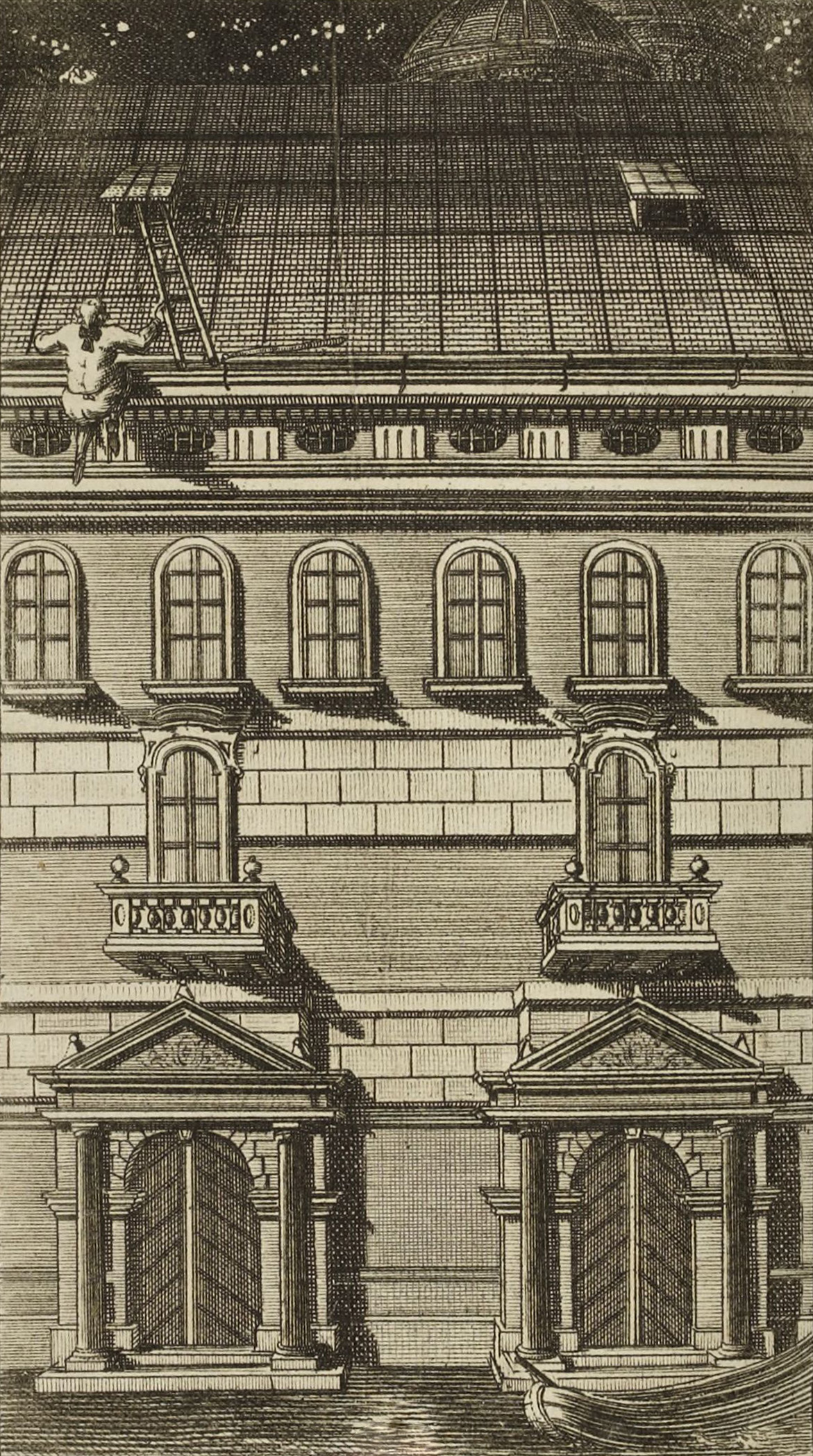 Book
Primary source
Story of my flight from the prisons of the Venetian Republic
Giacomo Casanova · 1788
 Painting
Primary source
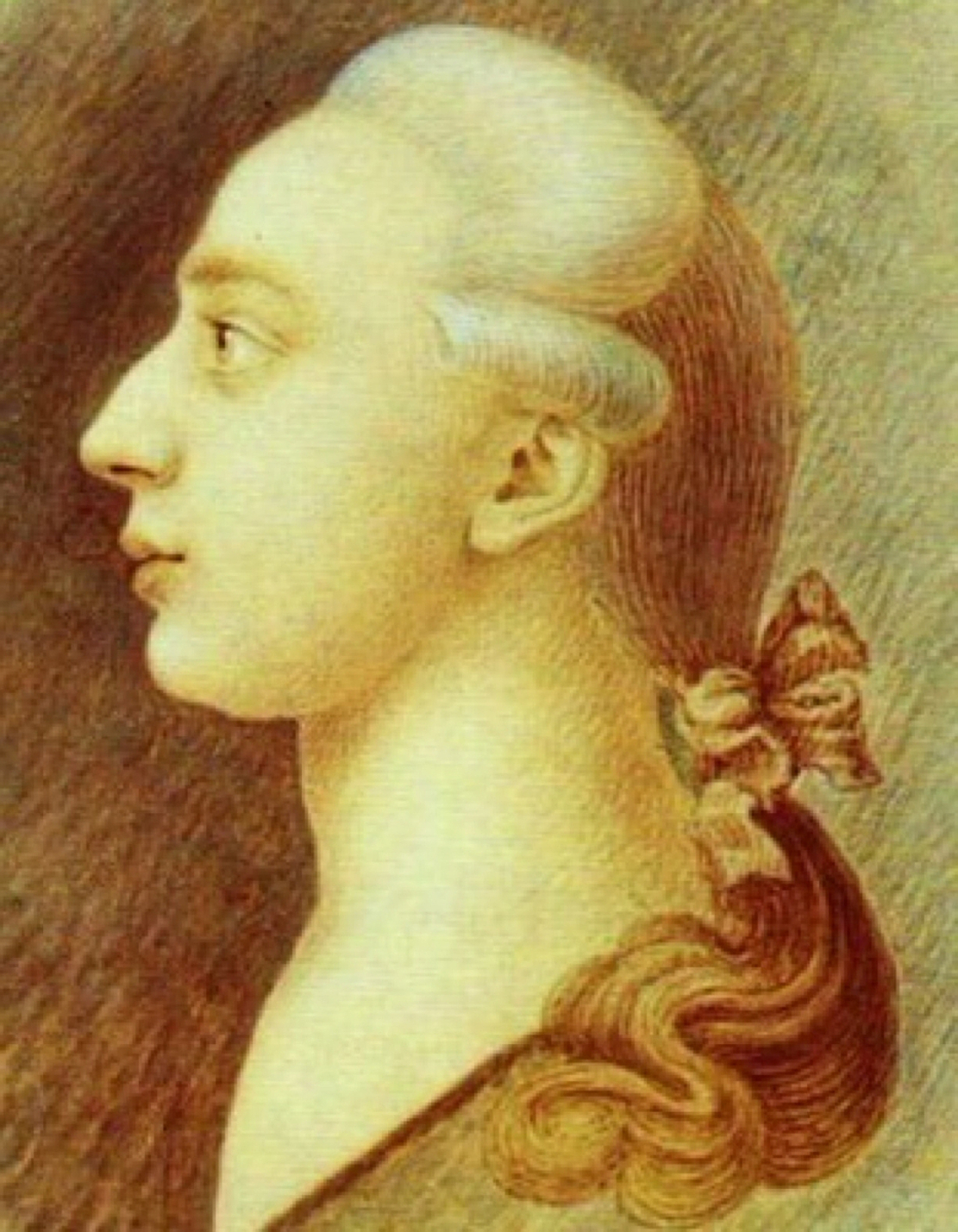
Portrait of Giacomo Casanova
Francesco Casanova
 Painting
Secondary source
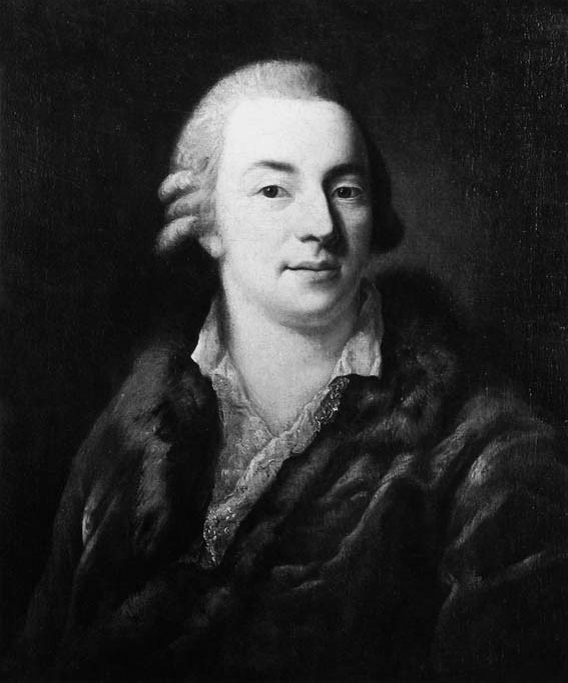
Presumed Portrait of Giacomo Casanova
Alessandro Longhi · 1774?
 Artifact
Primary source
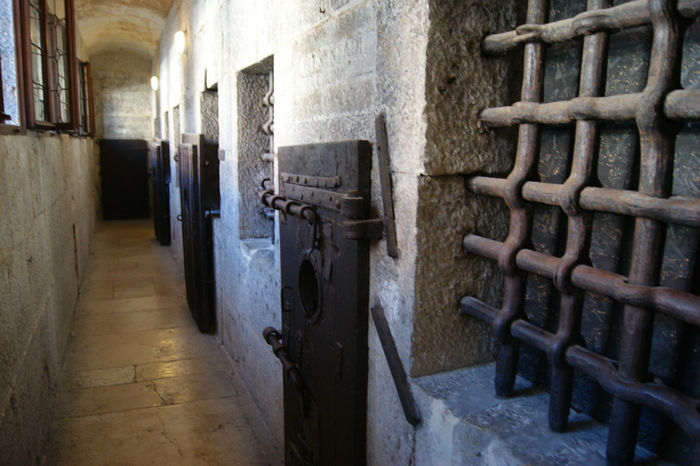
Piombi
16th century
Free account
Read every Giacomo Casanova source
Sign up free →
Ready when you are
Start chatting with Giacomo Casanova now.
20 messages free · No credit card · Available in 50+ languages.