


Secondary sourcePhotograph12 August 2004
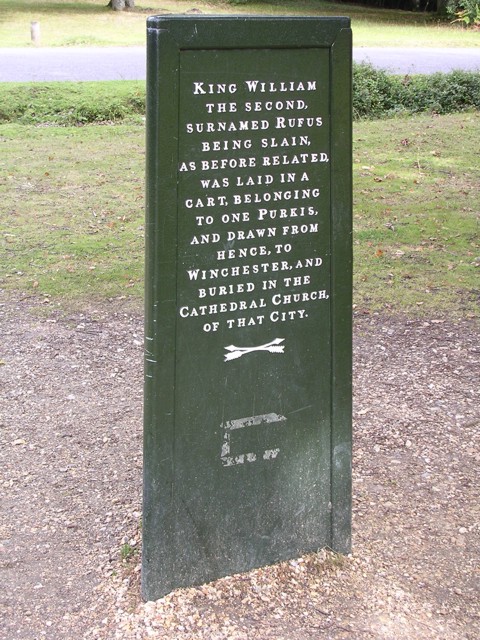
The Rufus Stone, New Forest
Jim Champion · 12 August 2004
A 2004 photograph of the Rufus Stone, a memorial marking the presumed spot of William II's death. The stone is a later monument, not a contemporary source.
This photograph documents the memorial at the presumed site of William II's death, a later monument that reflects how the king is remembered.
About this source
What it is
This is a photograph taken on 12 August 2004 by Jim Champion. It shows the Rufus Stone in the New Forest: a tall green plaque-style memorial with white raised lettering, set among grass, a path and shrubs. The lettering describes how King William the Second, surnamed Rufus, was slain and laid in a cart belonging to one Purkis, then drawn to Winchester and buried there. The stone is encased in a cast iron triangular cover, added in 1841 to prevent vandalism.
Why it matters
The monument marks where King William II was believed to have died in 1100. The inscription tells one version of that death. Historians now consider it more likely that the king was killed near Througham, about 20 kilometres southeast of this memorial. The stone and its text therefore show how later people chose to remember the king, and how that memory can differ from what historians now think happened.
Look closer
- What does the inscription claim, and how does the iron cover change the way you see it?
- Why might people in later centuries have wanted a monument at this spot?
- What evidence would you need to decide where the king really died?
This photograph is part of the curated material that grounds the AI version of William II of England on Humy.ai — when students ask about related events, the AI can quote it and cite it.
More William II of England sources
Browse all 71 →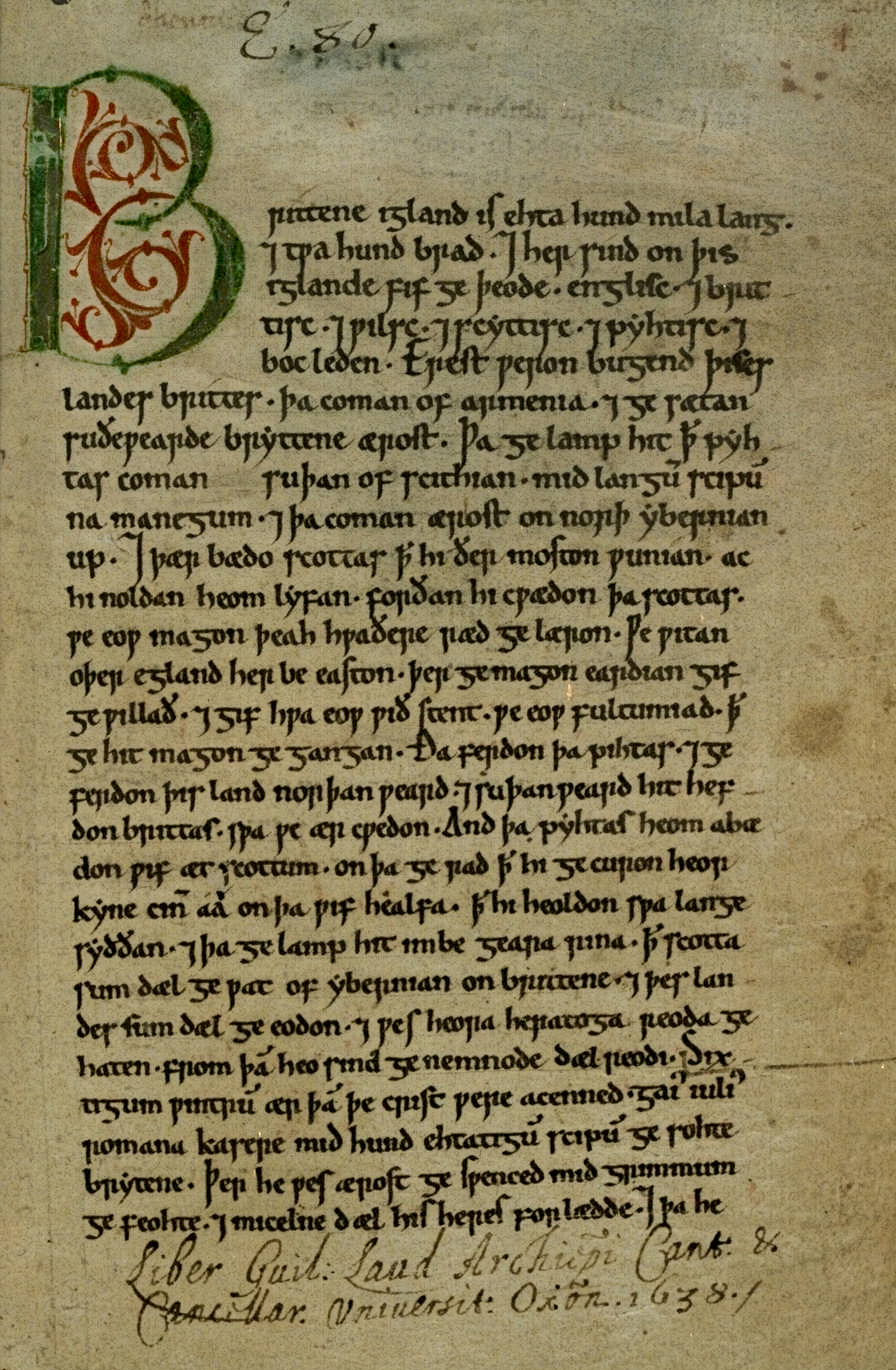 Book
Primary source
Peterborough Chronicle
c. 1130
 Artifact
Primary source
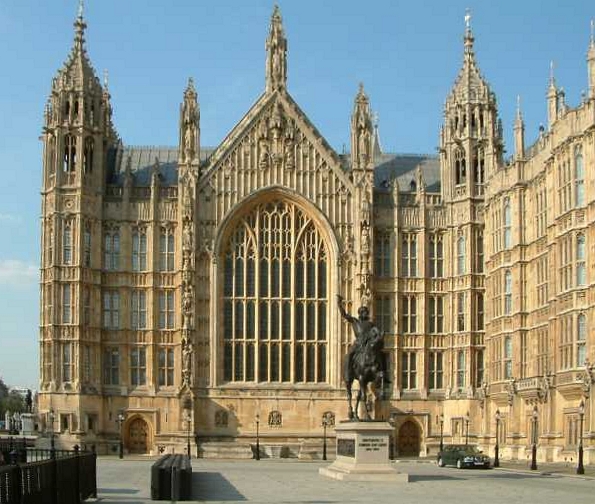
Westminster Hall
built 1097-1099, remodelled 1393
 Artifact
Primary source
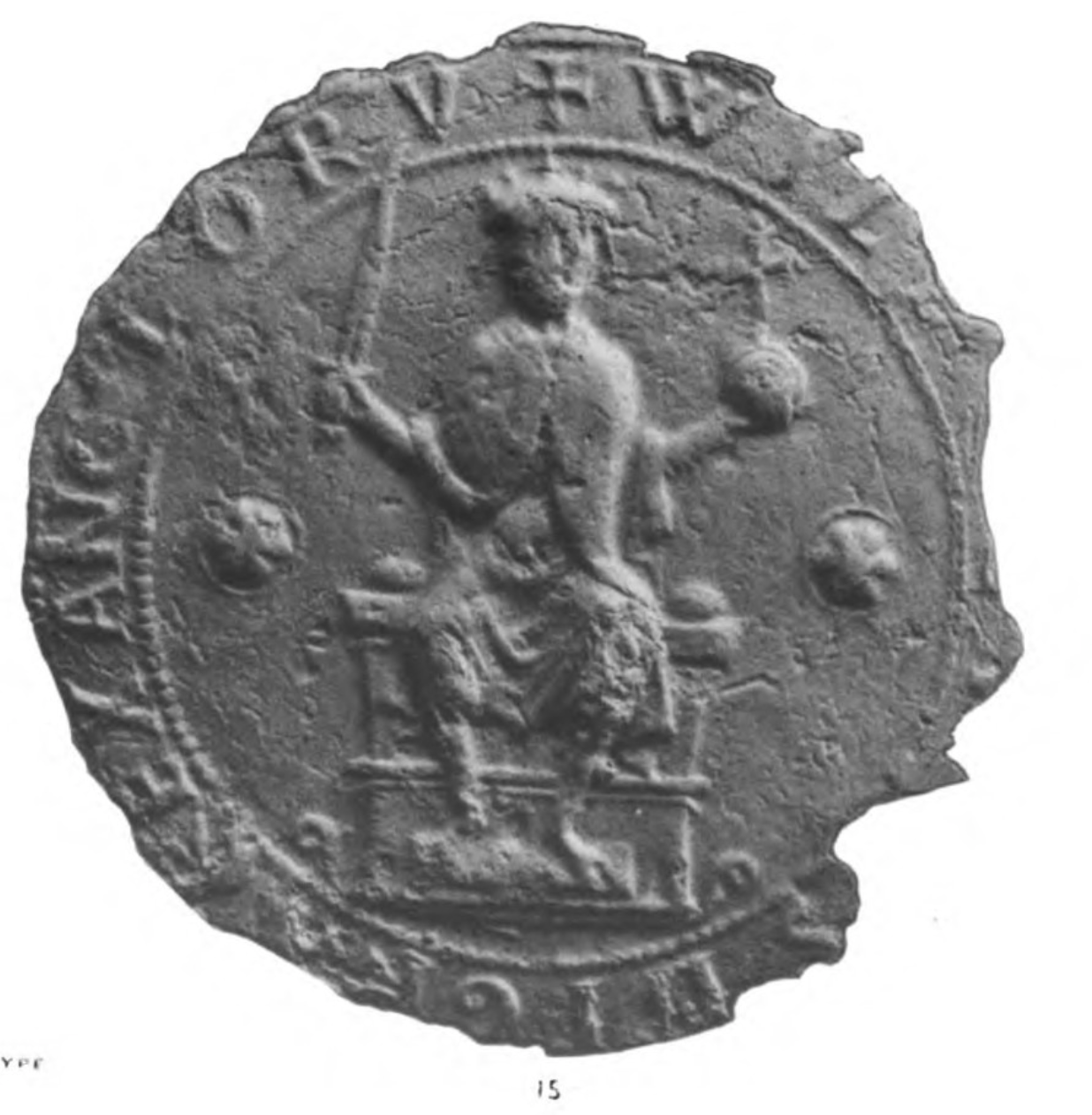
Great Seal of William II
Royal chancery of William II · c. 1087–1100
 Artifact
Primary source
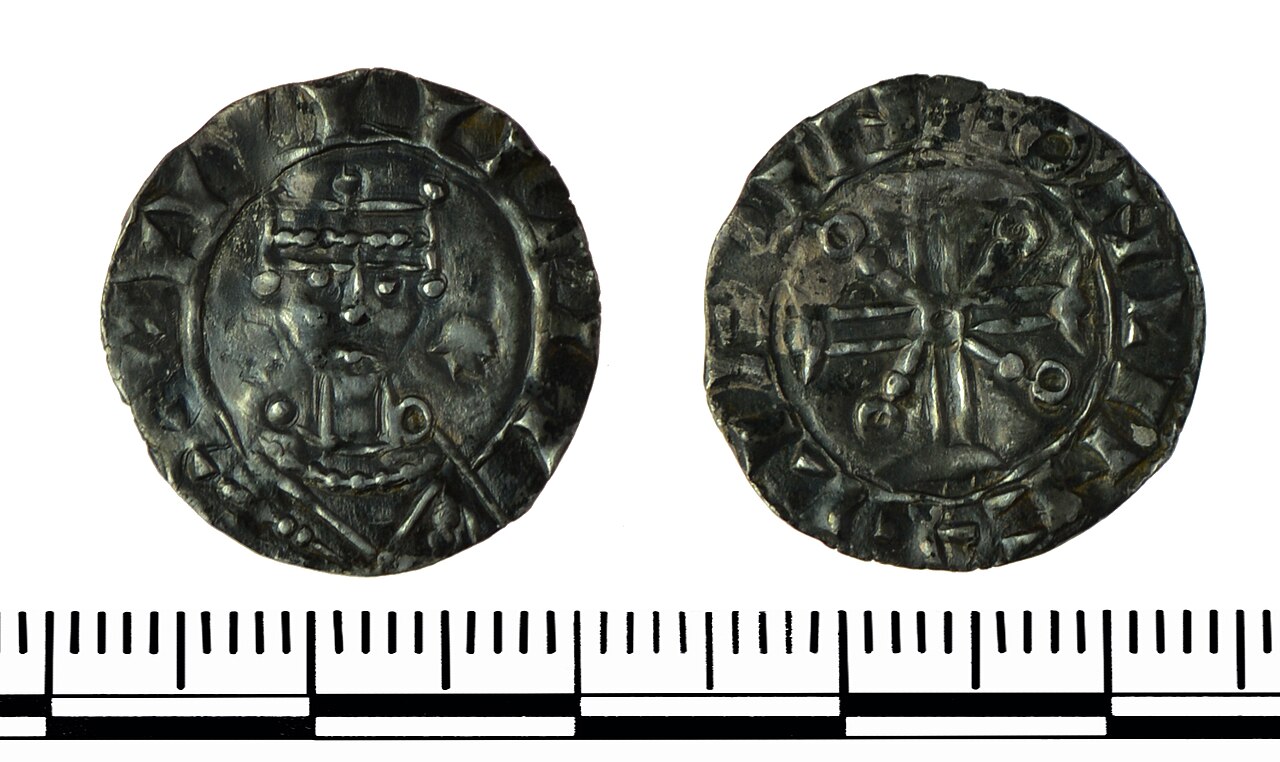
Silver pennies of William II
Royal moneyers under William II · 1087–1100
Free account
Read every William II of England source
Sign up free →
Ready when you are
Start chatting with William II of England now.
20 messages free · No credit card · Available in 50+ languages.