


Primary sourcePainting1650
The Shell
Rembrandt · 1650
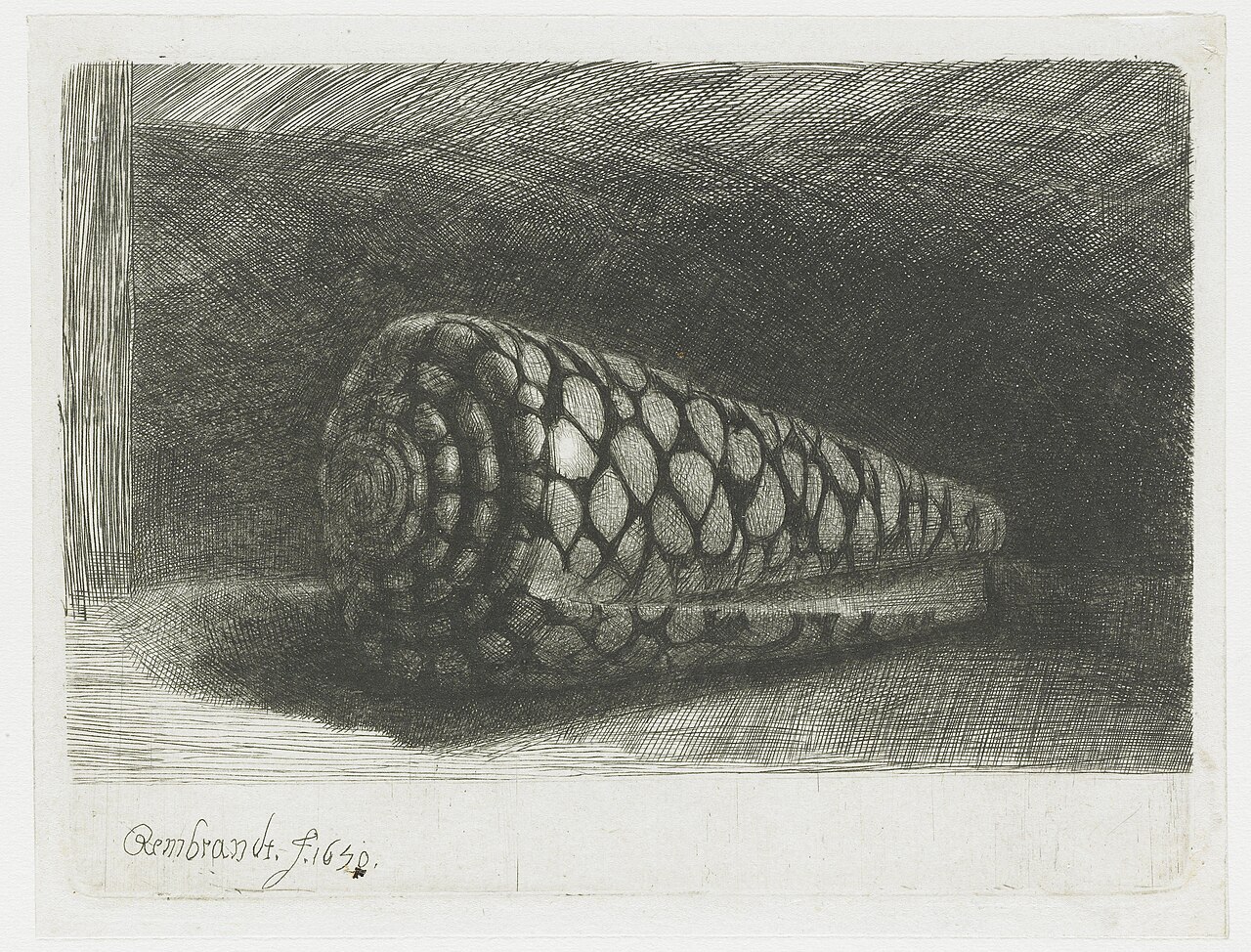
A 1650 drypoint and etching by Rembrandt, his only still-life etching, showing a cone shell from his collection of exotic objects.
Rembrandt made this print from a shell he owned, showing the objects he collected for his cabinet of curiosities.
About this source
What it is
This is a drypoint and etching made by Rembrandt in 1650. It is catalogued as B. 159 and is his only still life etching. The print shows the shell of a marbled cone (Conus marmoreus), then known in Dutch as the Herts Horen, a rare import to Europe from the Indian Ocean. The shell is shown about 6.4 cm long, probably life size. It is known in three states, and only a handful of impressions survive.
Rembrandt owned an example of this shell and other exotic shells, which he kept in his cabinet of curiosities, his kunstcaemer, at his house in Amsterdam. The print is reversed: he seems to have copied the shell from life onto the plate, so its spiral turns the opposite way from real specimens of this species. He also wrote his signature and date in reverse so they print correctly.
Why it matters
The print shows how collectors in seventeenth-century Amsterdam valued objects brought from distant seas. It also shows how Rembrandt studied things directly. Wenceslaus Hollar's shell etchings from about 1645 appear to have inspired him, and Rembrandt's print in turn inspired later artists to make copies.
Look closer
- How does the plain, dark background make the shell stand out?
- Why would a rare imported object be worth drawing so carefully?
- What might the print leave out about the collection it came from?
This painting is part of the curated material that grounds the AI version of Rembrandt on Humy.ai — when students ask about related events, the AI can quote it and cite it.
More Rembrandt sources
Browse all 96 →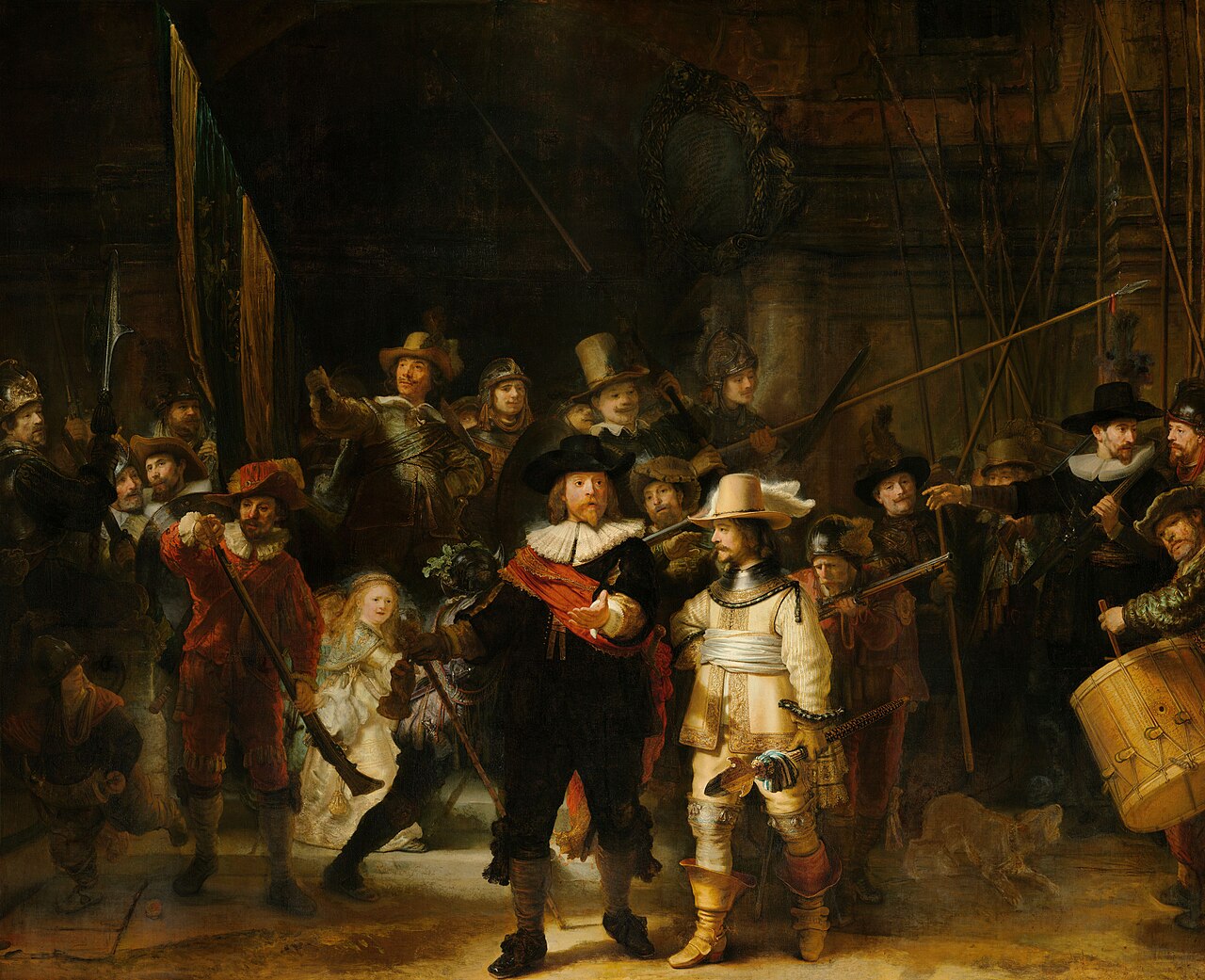 Painting
Primary source
The Night Watch
Rembrandt · 1642
 Painting
Primary source
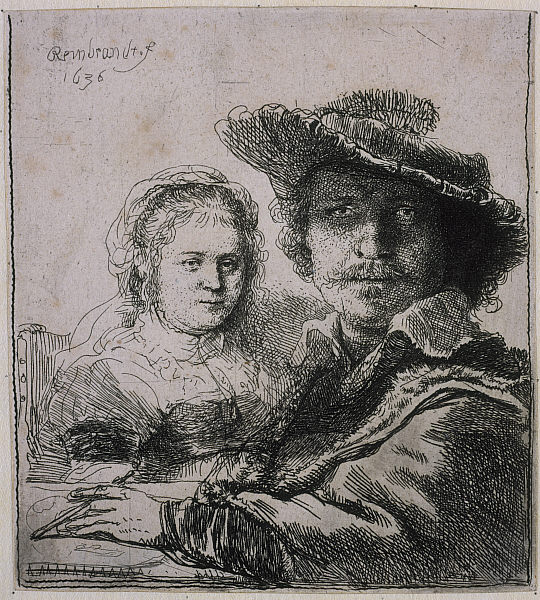
Self-Portrait with Saskia
Rembrandt van Rijn · 1636
 Painting
Secondary source
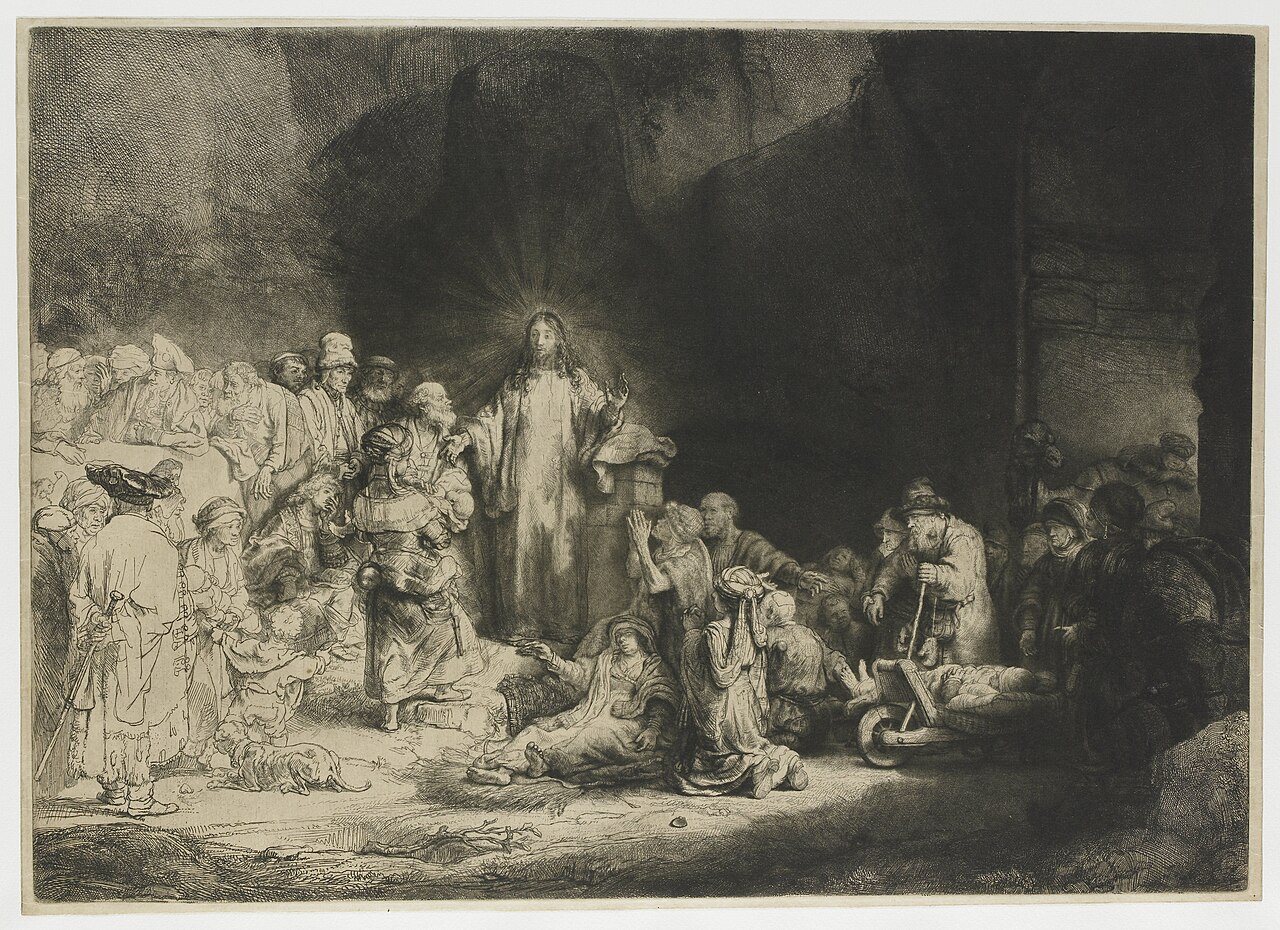
Christ Healing the Sick (Hundred Guilder Print)
Rembrandt · c. 1647-1649
 Painting
Primary source
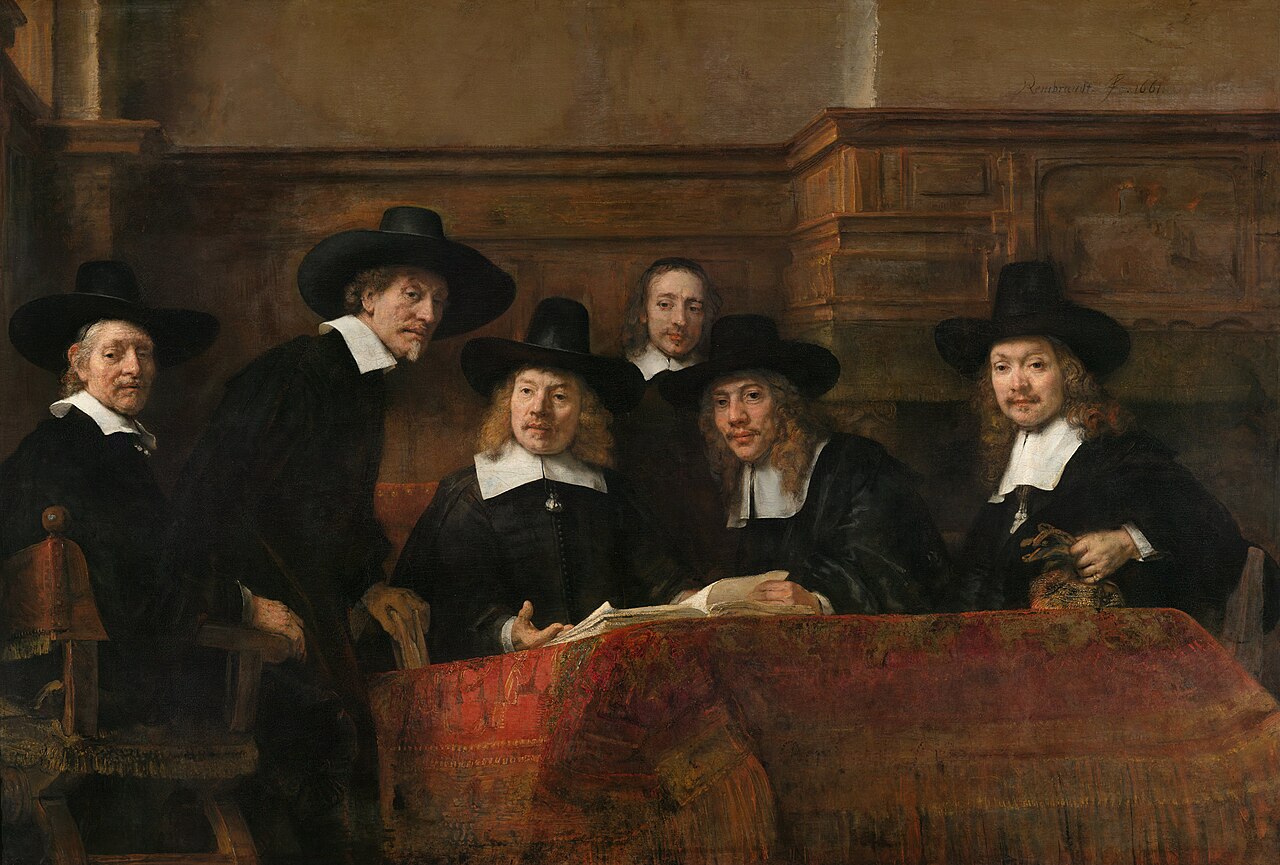
Syndics of the Drapers' Guild
Rembrandt · 1662
Free account
Read every Rembrandt source
Sign up free →
Ready when you are
Start chatting with Rembrandt now.
20 messages free · No credit card · Available in 50+ languages.