


Secondary sourcePainting1850
The Shiite Imam Ali
1850
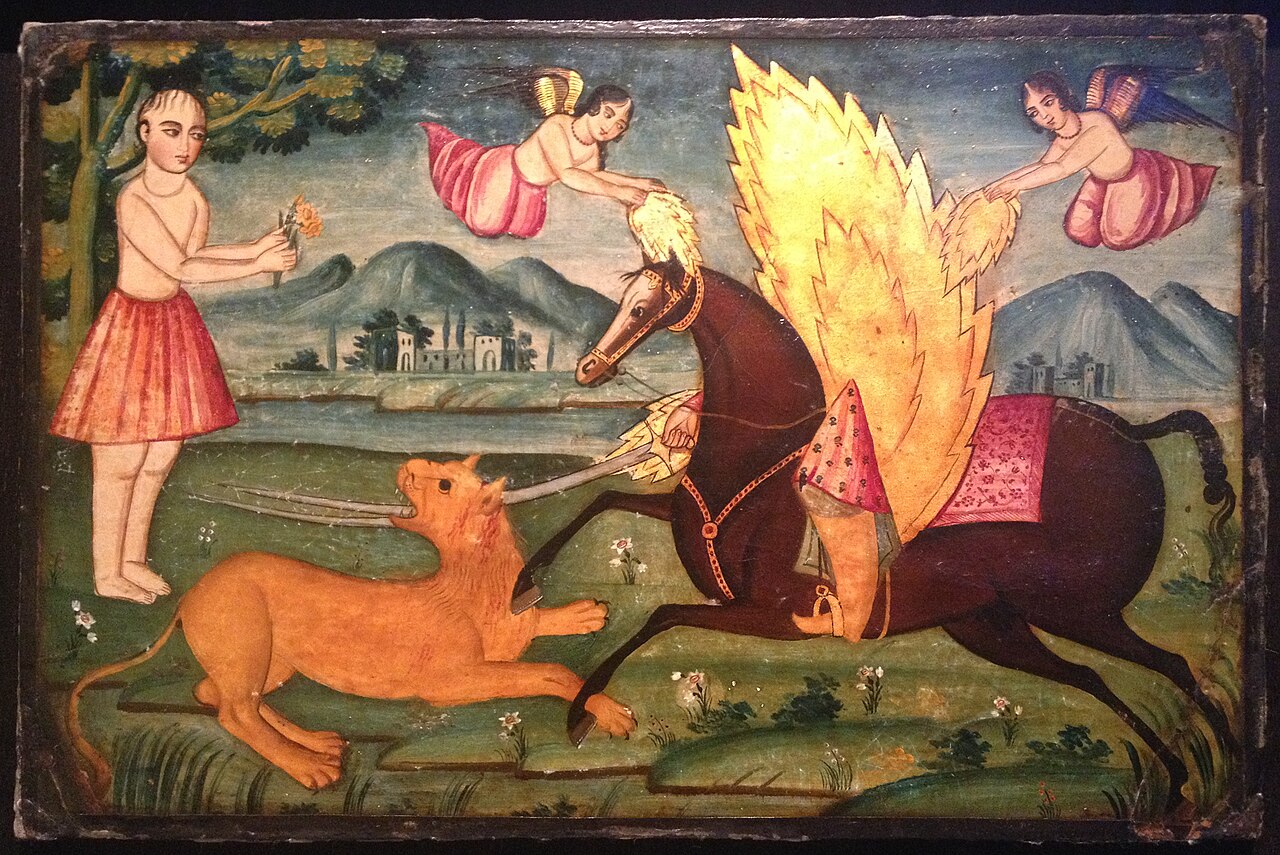
A 19th-century Qajar-era devotional painting showing Ali as a legendary warrior figure, popular in Iranian religious art.
This devotional painting shows the legendary, idealized image of Ali common in later Iranian popular piety.
About this source
What it is
This painting, made around 1850 and now held by the Israel Museum, shows an idealized, legendary image of Ali ibn Abi Talib. It depicts him as a mounted warrior fighting a lion, surrounded by angels, in the dramatic style of Qajar-era devotional art from Iran.
Why it matters
Images like this were not meant to be historical portraits but expressions of popular piety. They show how Ali became a legendary, almost superhuman figure in Shia devotional culture, admired for courage and holiness centuries after his death.
Look closer
- Since no one alive today has seen Ali, what does this image tell you about imagination and belief rather than historical fact?
- Why do you think artists gave the horse a glowing, flame-like mane?
- What might the angels and the lion symbolize in this story?
This painting is part of the curated material that grounds the AI version of Alī ibn Abī Ṭālib on Humy.ai — when students ask about related events, the AI can quote it and cite it.
More Alī ibn Abī Ṭālib sources
Meet the AI Alī ibn Abī Ṭālib →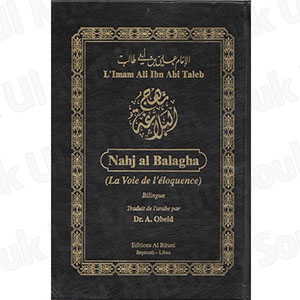 Book
Secondary source
Nahj al-Balagha
Sharif al-Radi · c. 1000
 Book
Secondary source
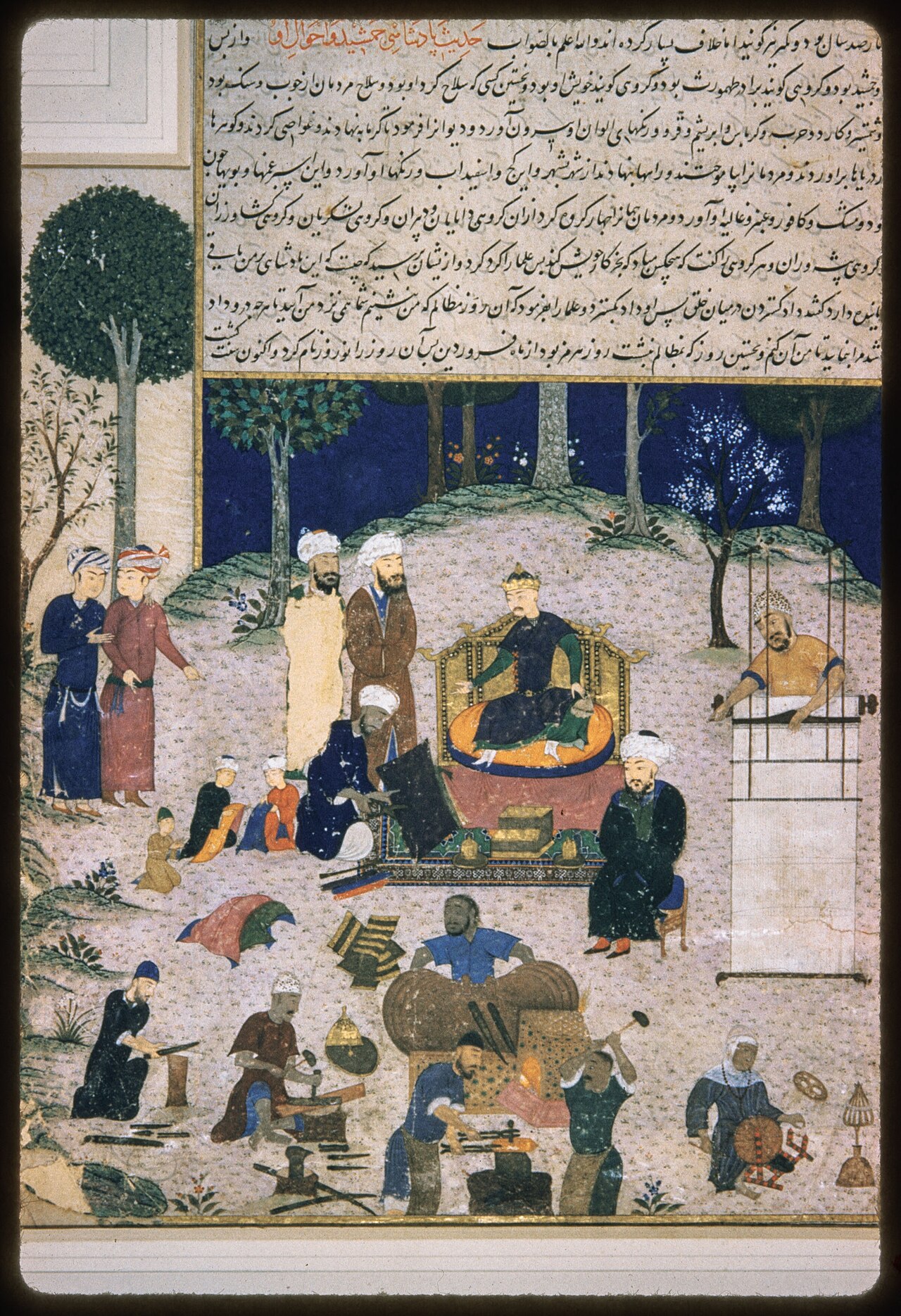
History of the Prophets and Kings
Muhammad ibn Jarir al-Tabari · completed 915 AD
 Artifact
Secondary source
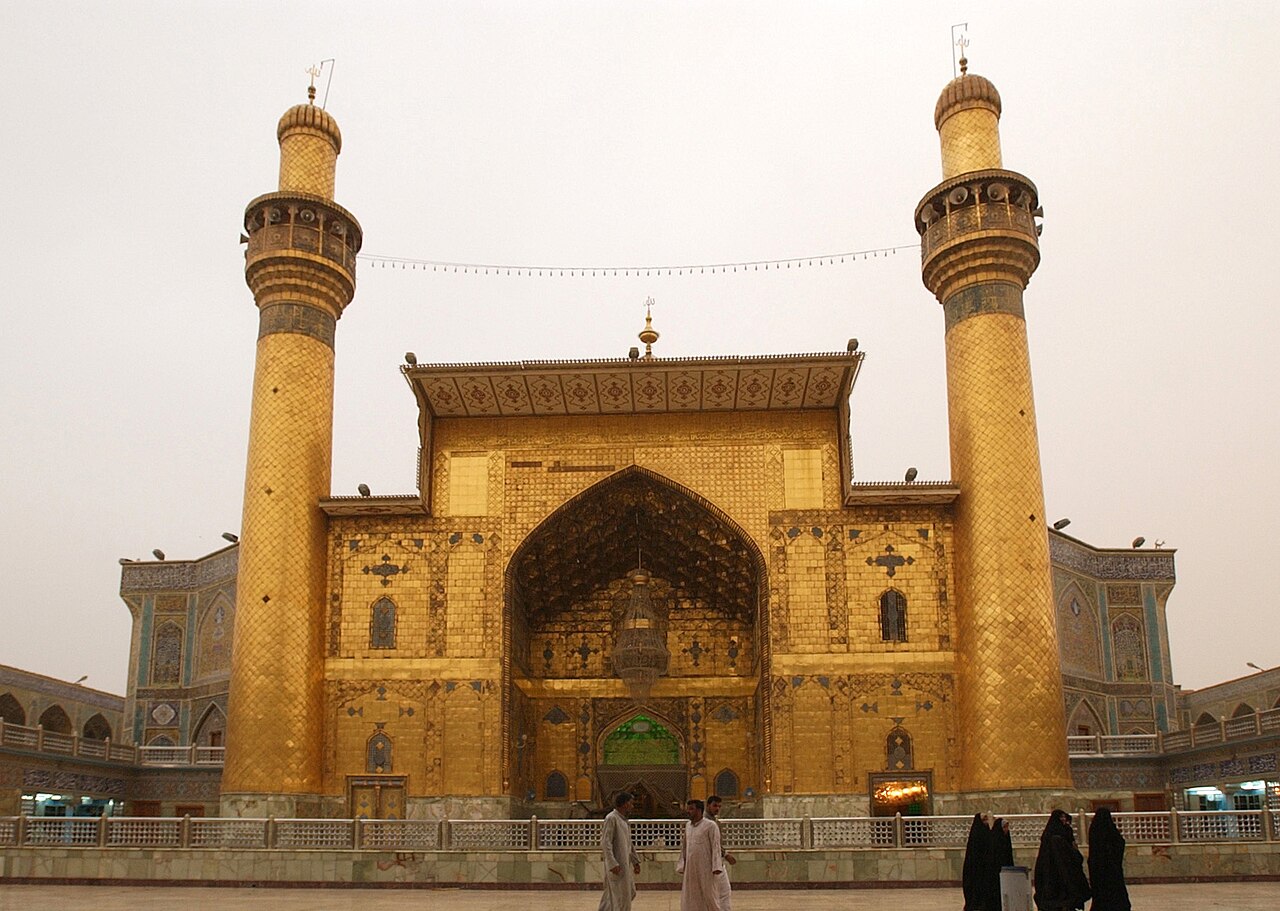
Imam Ali Shrine
977
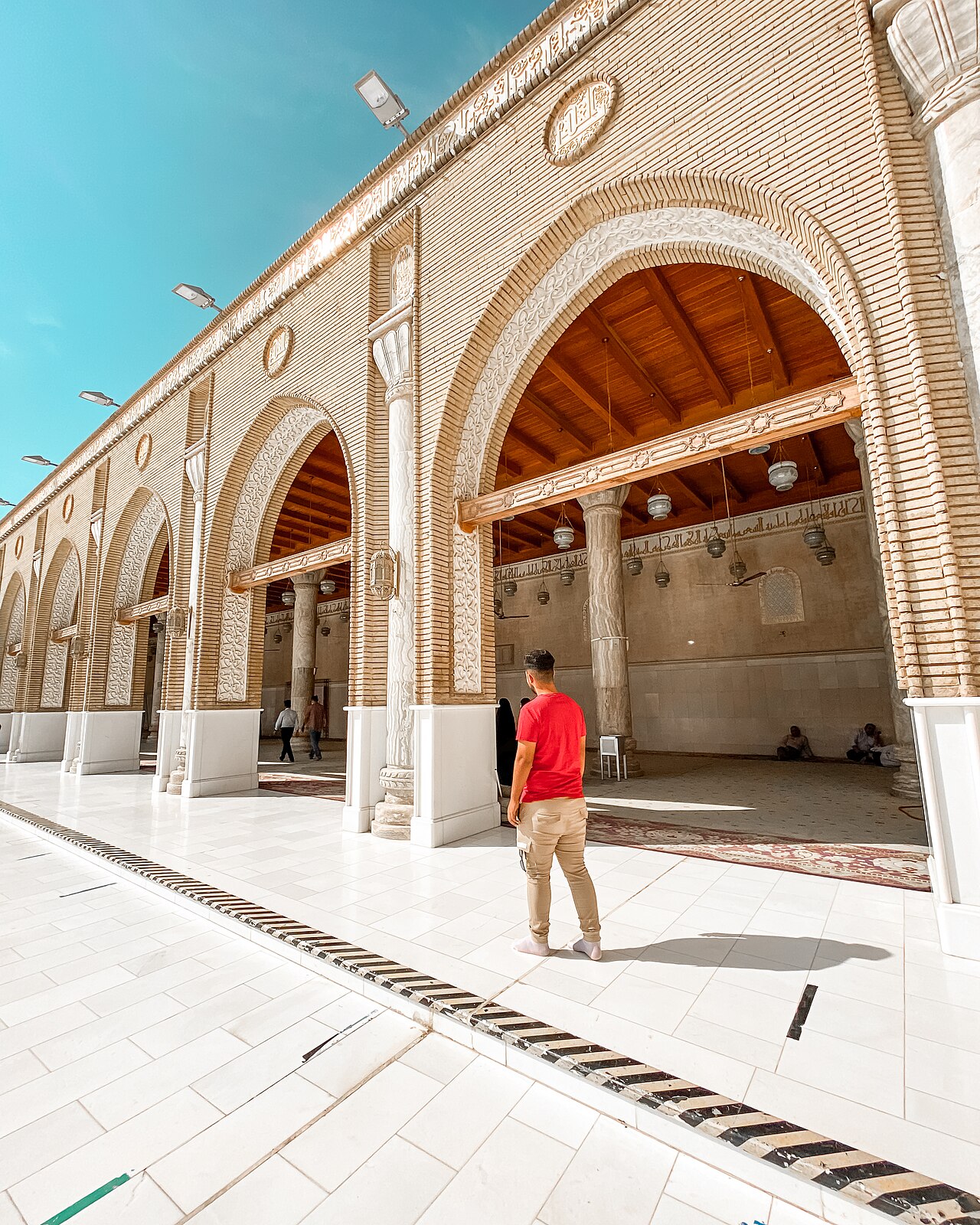 Artifact
Secondary source
Great Mosque of Kufa
founded 638, completed 670s
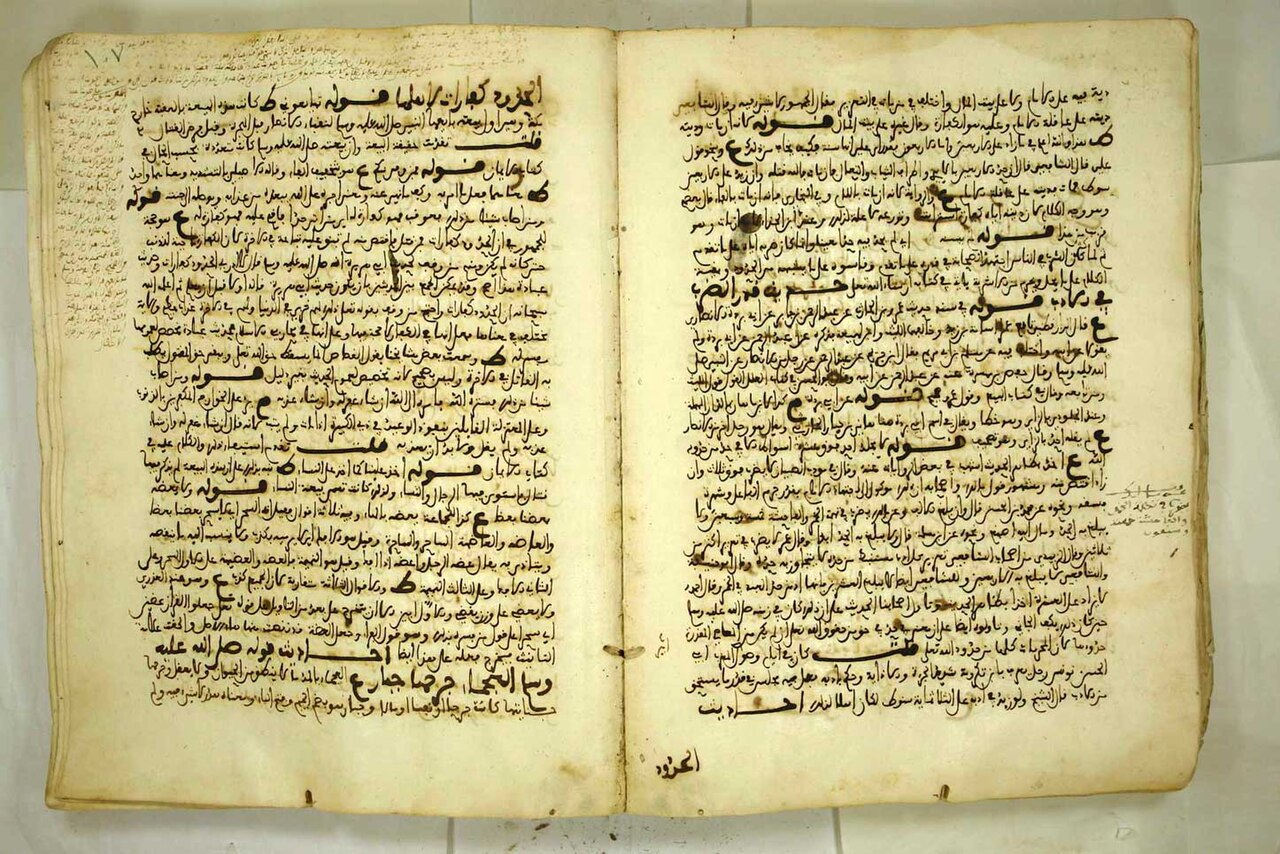 Book
Secondary source
Sahih Muslim
Muslim ibn al-Hajjaj · c. 900
Ready when you are
Start chatting with Alī ibn Abī Ṭālib now.
20 messages free · No credit card · Available in 50+ languages.