


Primary sourcePainting1720-1721
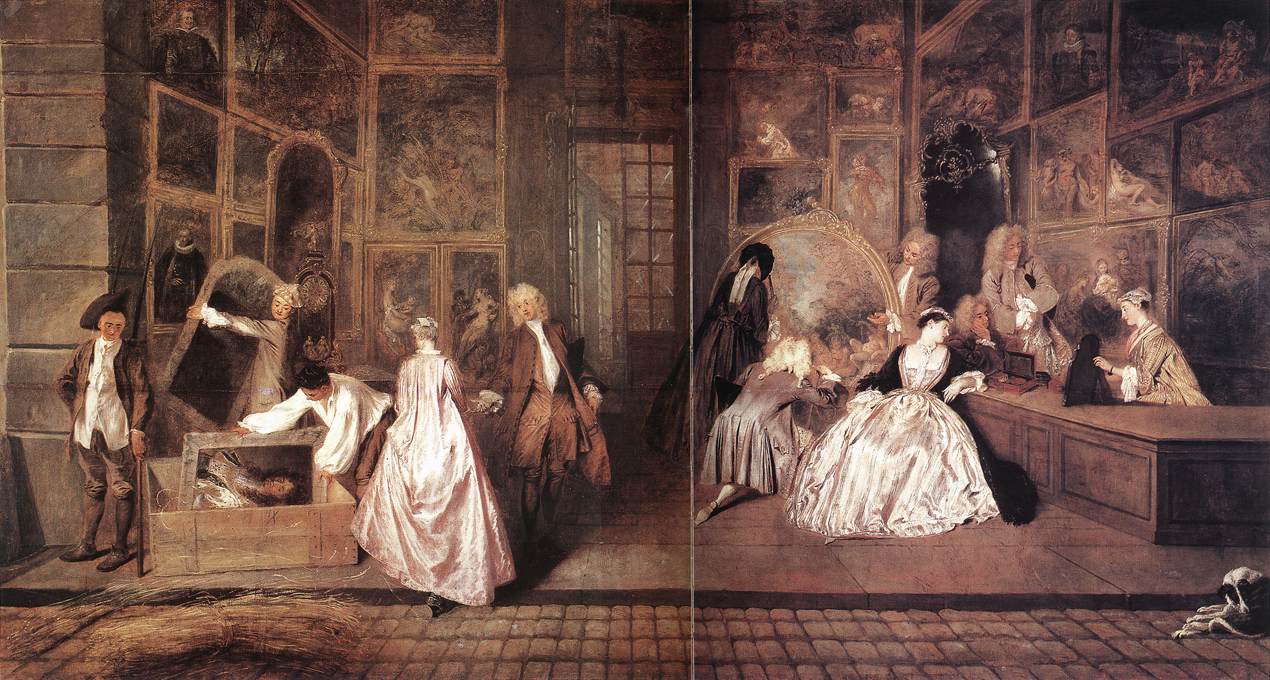
The Shop Sign of Gersaint
Jean-Antoine Watteau · 1720-1721
A painting by Jean-Antoine Watteau depicting a Paris art shop, later bought by Frederick II for his collection.
Frederick purchased this painting in 1748, reflecting his lifelong passion for French Rococo art.
About this source
What it is
L'Enseigne de Gersaint is an oil painting by French artist Jean-Antoine Watteau, completed around 1720-21 as a sign for the Paris art dealer Edme François Gersaint. It is considered Watteau's last major work. Frederick the Great bought it in 1748, and it is now held at Charlottenburg Palace, Berlin.
Why it matters
The painting shows shop workers and fashionable clients looking at and discussing artworks, including a portrait of Louis XIV being packed away, which many read as a comment on the end of his reign. It reveals both Watteau's skill and the tastes of its collectors, including Frederick, who prized French Rococo art.
Look closer
- What are the people in the painting doing, and what does their behaviour suggest about attitudes to art and status?
- Why might a king far from Paris want to own a painting of a Paris shop?
- What might the packing-away of the king's portrait symbolise?
This painting is part of the curated material that grounds the AI version of Frederick the Great on Humy.ai — when students ask about related events, the AI can quote it and cite it.
More Frederick the Great sources
Browse all 86 → Artifact
Primary source
Sanssouci Palace
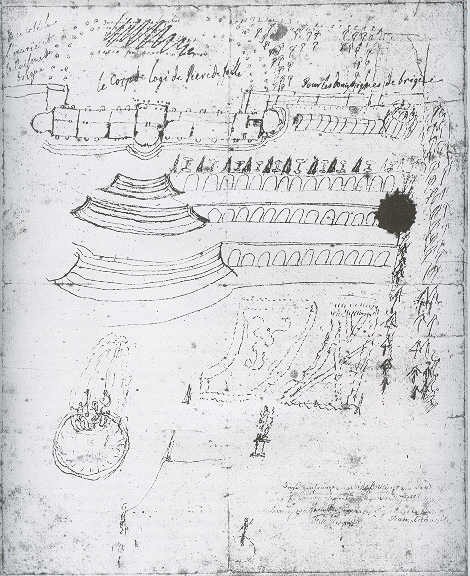
Georg Wenzeslaus von Knobelsdorff · 1745-1747
 Painting
Primary source
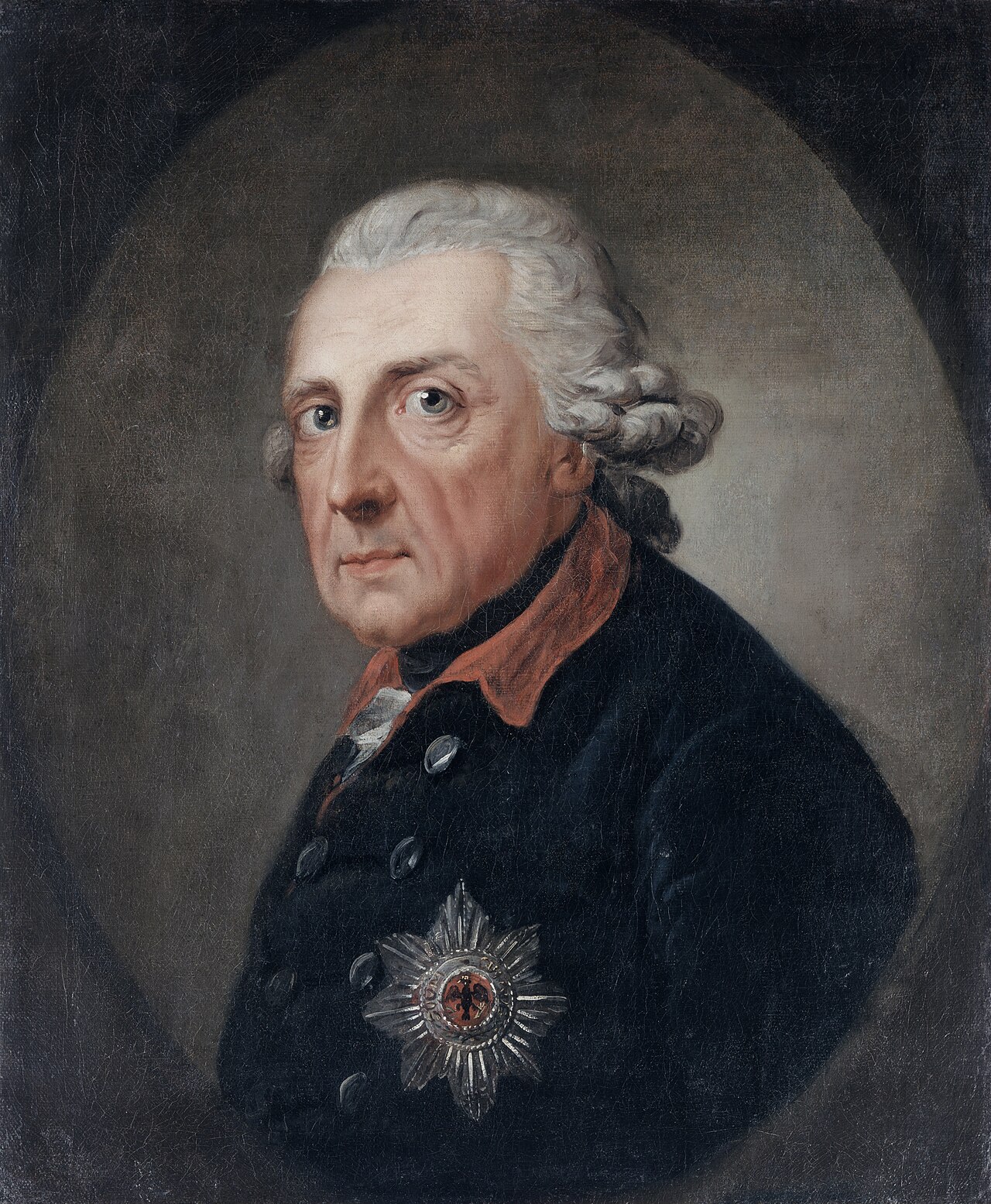
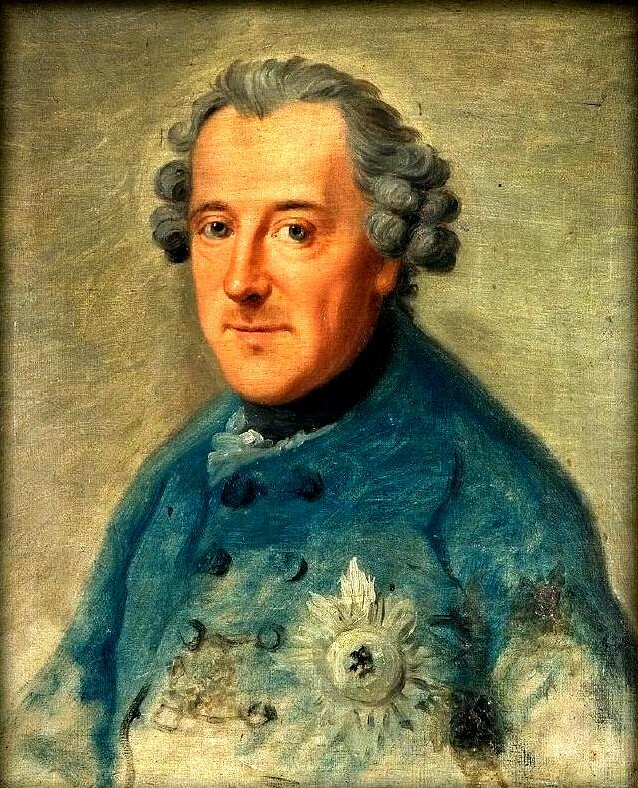
Portrait of Frederick II of Prussia
Anton Graff · 1781 or 1786
 Painting
Secondary source
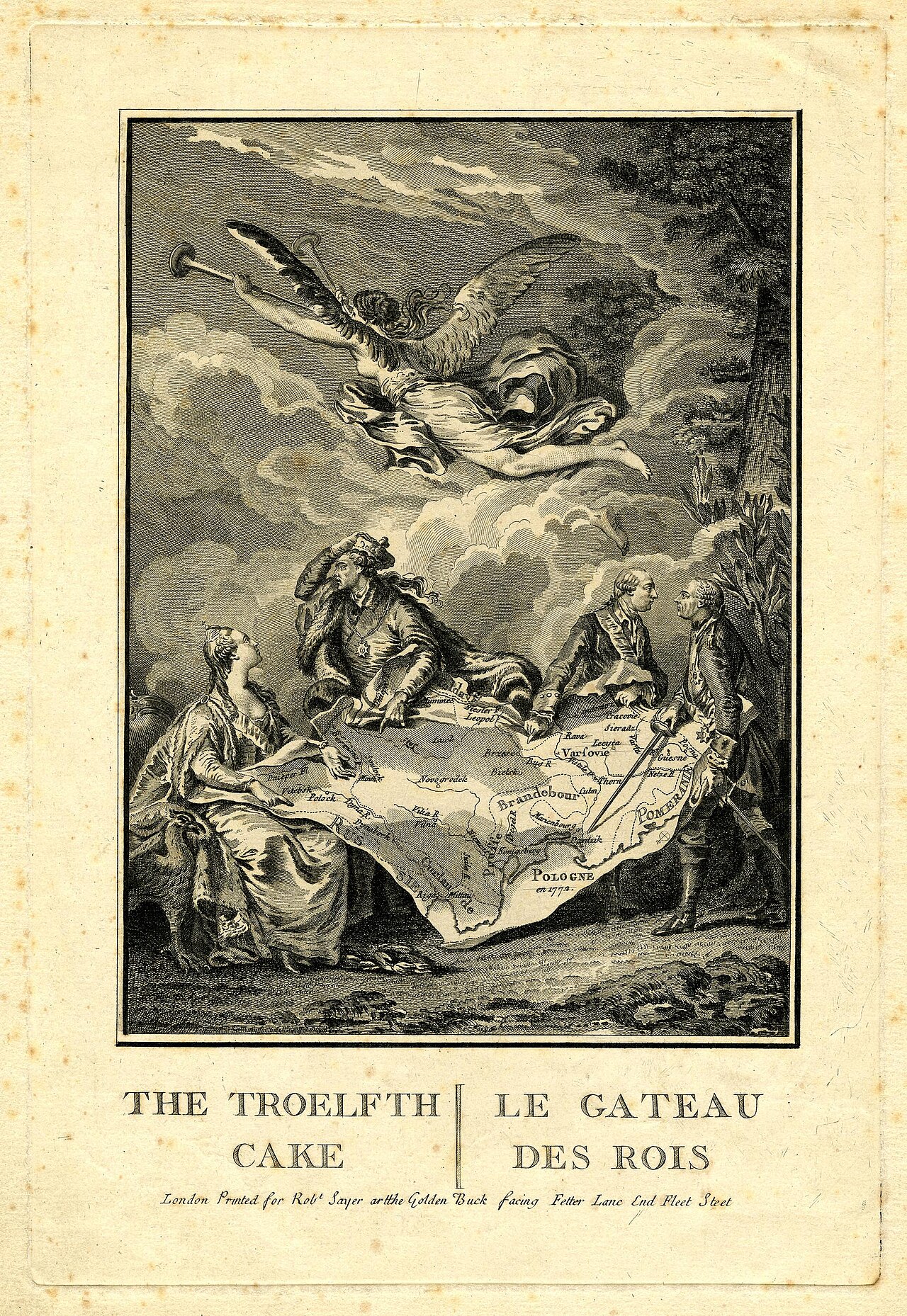
The Troelfth Cake
Noël Le Mire after Jean-Michel Moreau · 1772-1773
 Book
Primary source
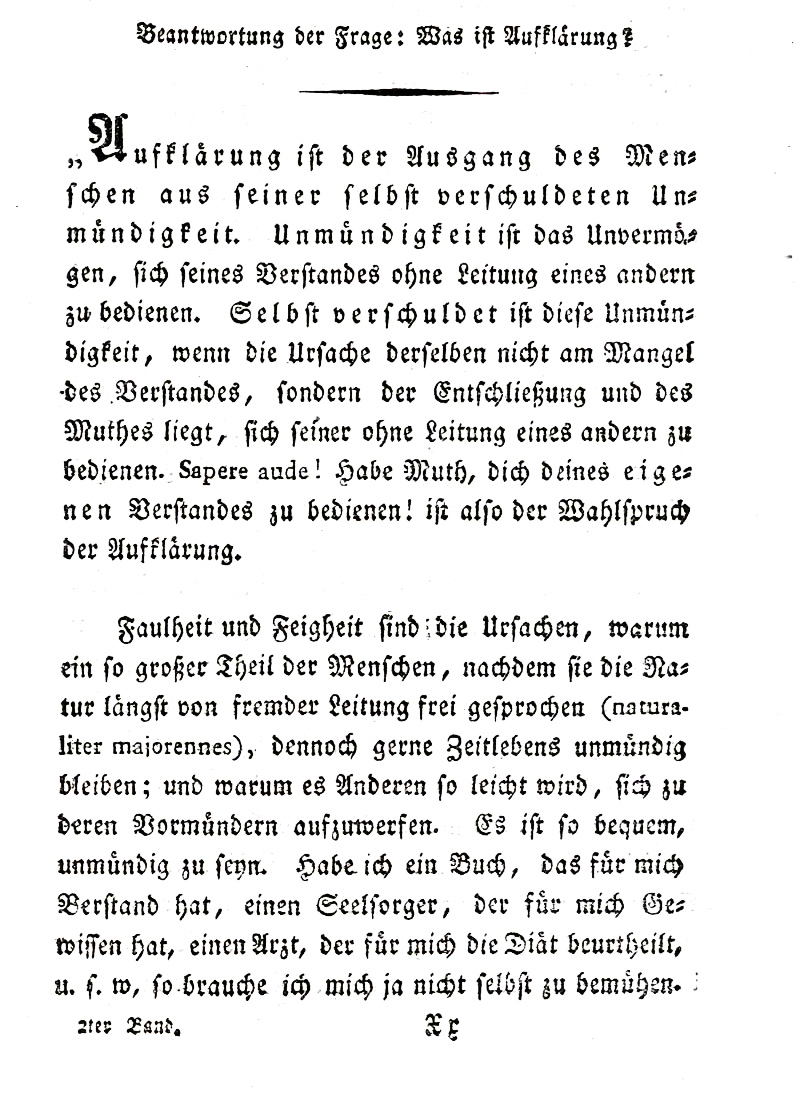
Answering the Question: What Is Enlightenment?
Immanuel Kant · 1784
Free account
Read every Frederick the Great source
Sign up free →
Ready when you are
Start chatting with Frederick the Great now.
20 messages free · No credit card · Available in 50+ languages.