


Secondary sourceNewspaper article1894
The Sidon Sarcophagi
Canon C. G. Curtis · 1894
An 1894 lecture report by Canon C. G. Curtis on the so-called Sarcophagus of Alexander the Great, a stone coffin from Sidon now in the Imperial Museum in Constantinople.
This 1894 lecture discusses a sarcophagus traditionally linked to Alexander, so it shows how later scholars tried to connect physical objects to the king.
About this source
What it is
This is a report of a lecture by Canon C. G. Curtis, given in 1894 to the British Institute in Constantinople. It was reprinted from the Levant Herald in the Palestine Exploration Fund Quarterly Statement. The lecture discusses sarcophagi, stone coffins, found in a sepulchre at Sidon, and one of them is called the sarcophagus of Alexander the Great. The record notes that this name is a traditional label, given in quotation marks as 'so-called'.
Why it matters
The Sidon sarcophagi were found in the late 1880s and placed in a room built for them in the Museum of Antiquities at Constantinople. Their director, Hamdy Bey, was preparing a publication about them. The lecture shows how scholars in the 1890s debated whether a fine stone coffin really belonged to the king, a question that still matters to historians of Alexander.
Look closer
- Why does the lecturer say 'so-called' before naming the sarcophagus of Alexander, and what does that word suggest about the evidence?
- Who reported this lecture, and where was it first published, and how might that affect what we trust?
- What questions about the object does this report leave unanswered?
This newspaper article is part of the curated material that grounds the AI version of Alexander the Great on Humy.ai — when students ask about related events, the AI can quote it and cite it.
More Alexander the Great sources
Meet the AI Alexander the Great →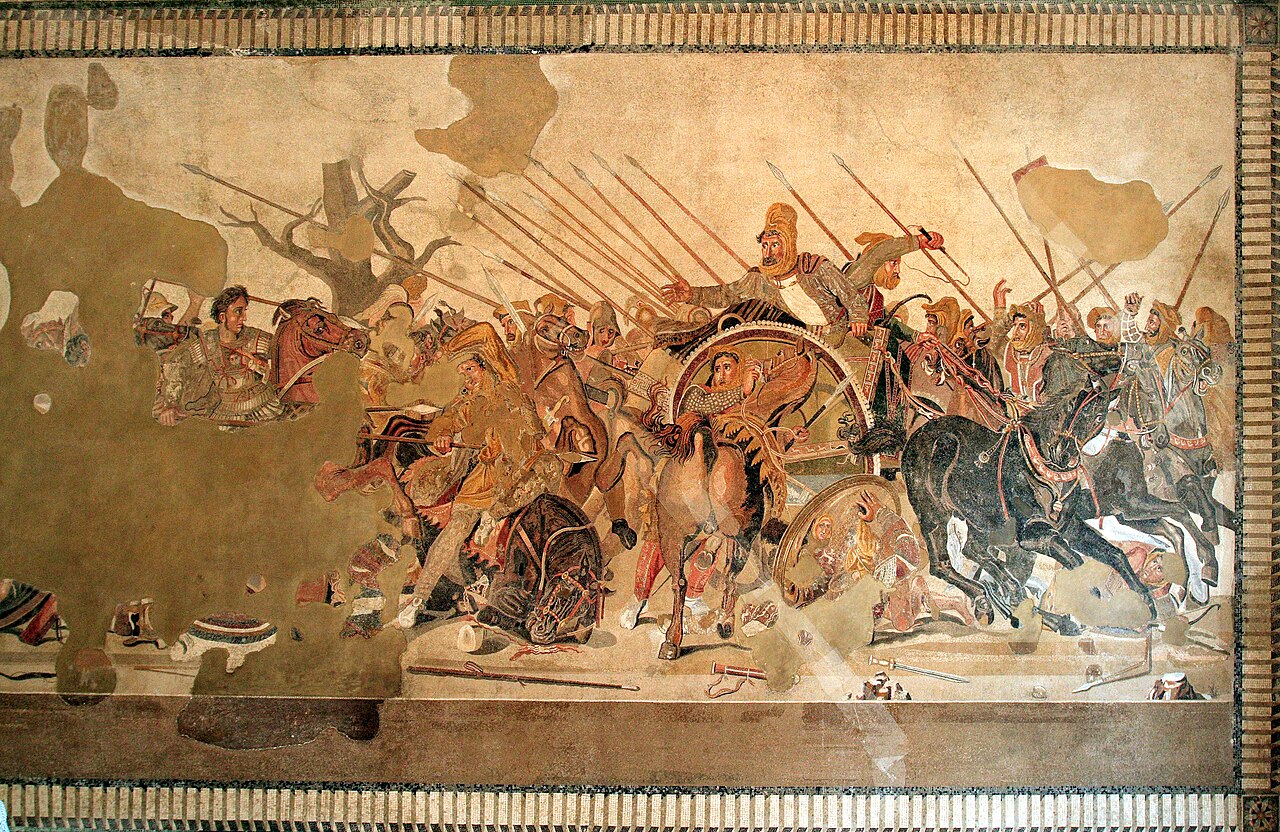 Artifact
Secondary source
Alexander Mosaic
Philoxenus of Eretria · c. 120-100 BCE (copy of an earlier Hellenistic painting)
 Painting
Secondary source
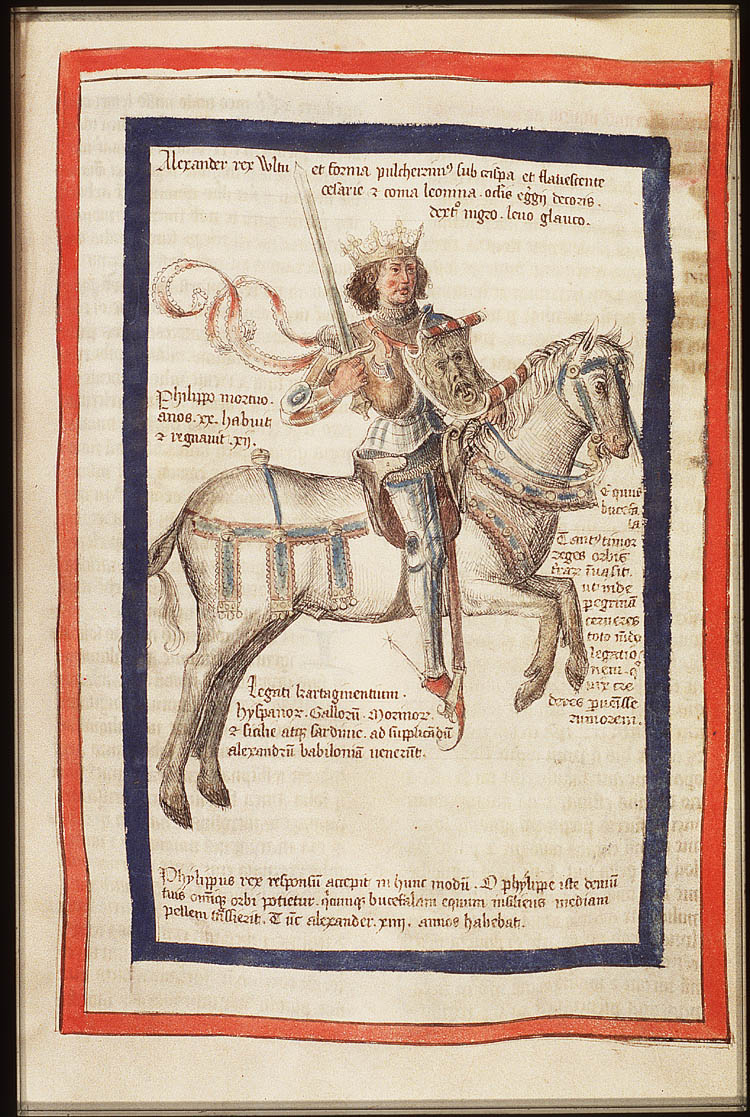
Alexander the Great riding Bucephalus
1460
 Artifact
Primary source
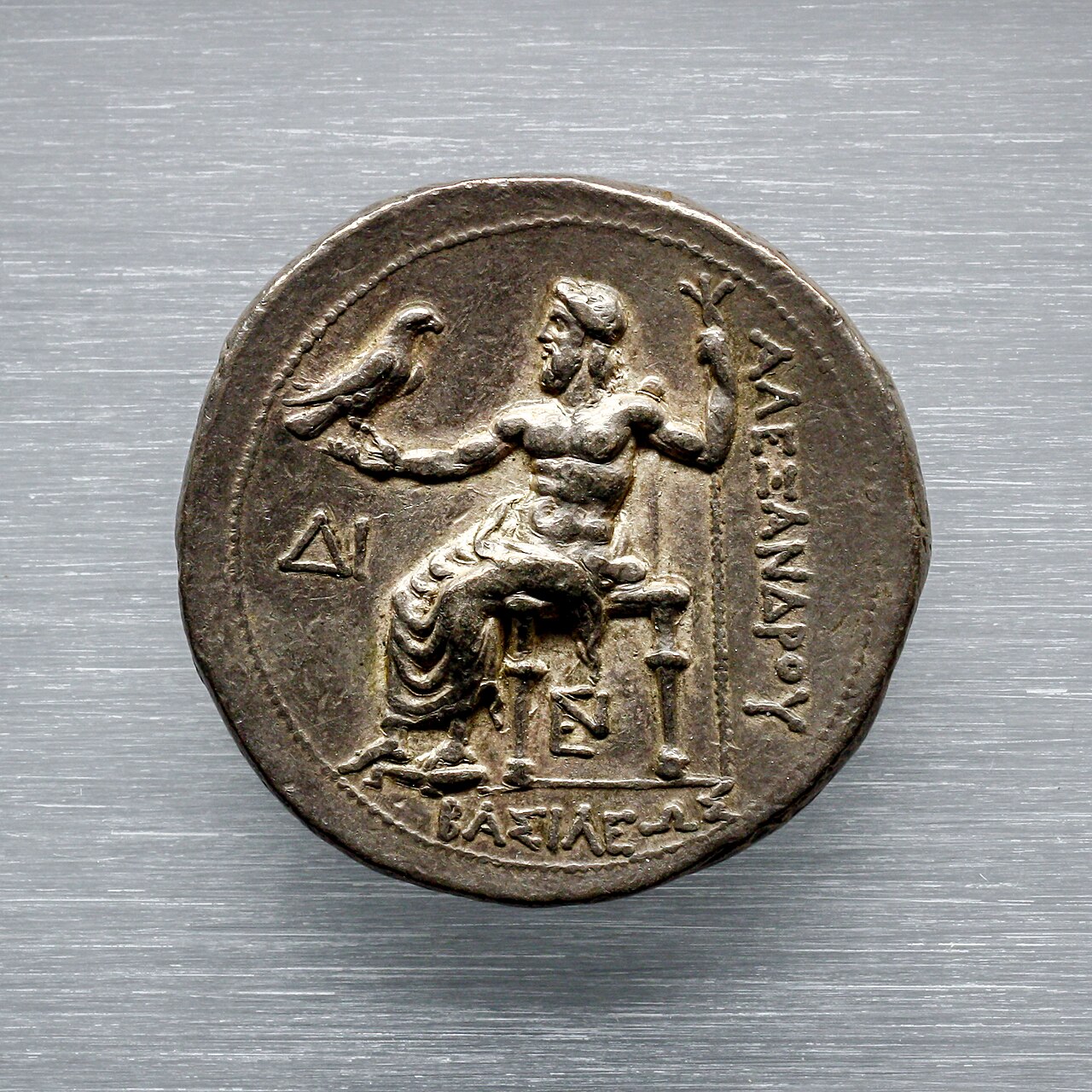
Silver Tetradrachm of Alexander the Great
Royal mints of Alexander III · c. 336-323 BCE
 Painting
Secondary source
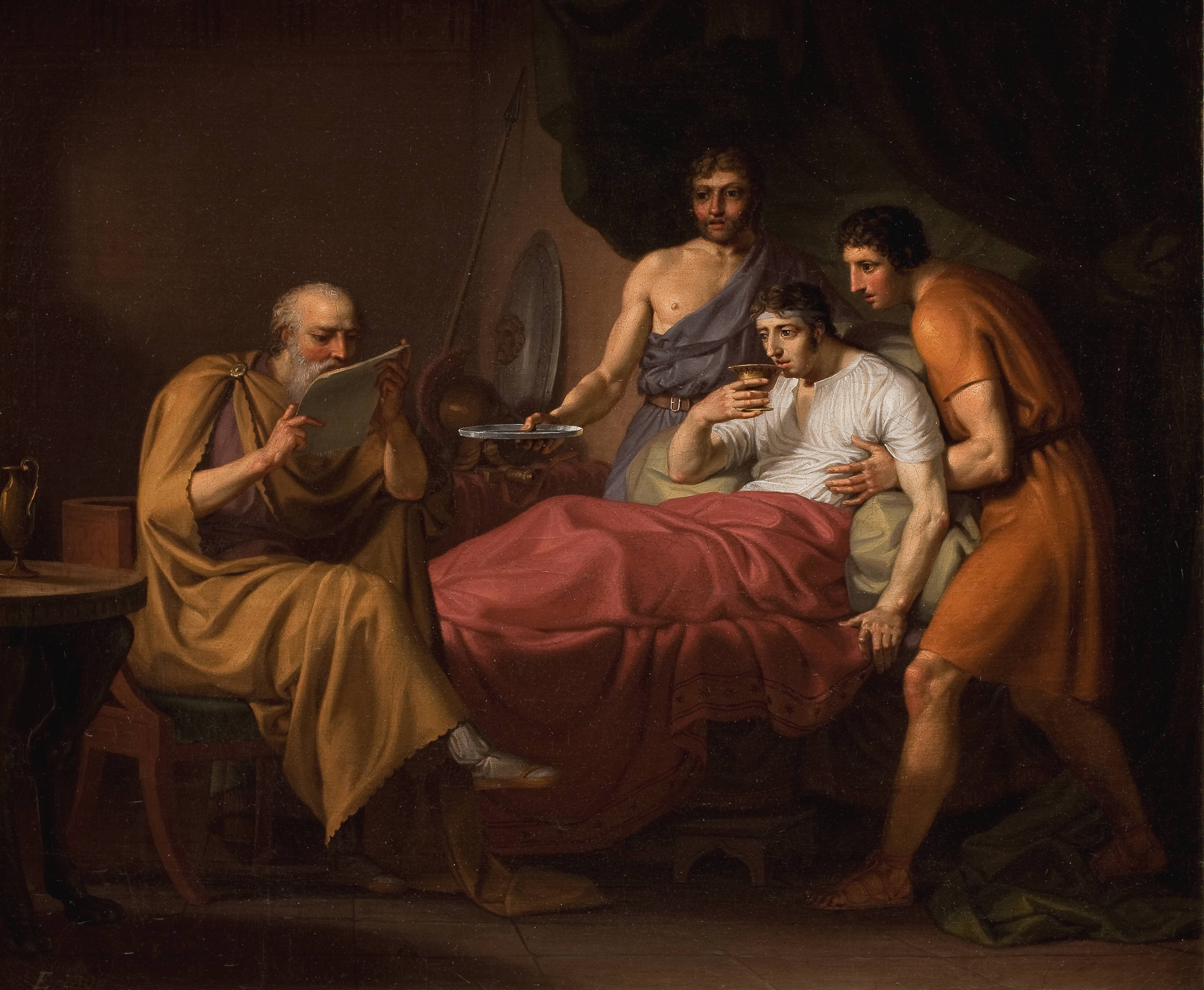
Alexander the Great on his Sickbed
1806
 Book
Secondary source
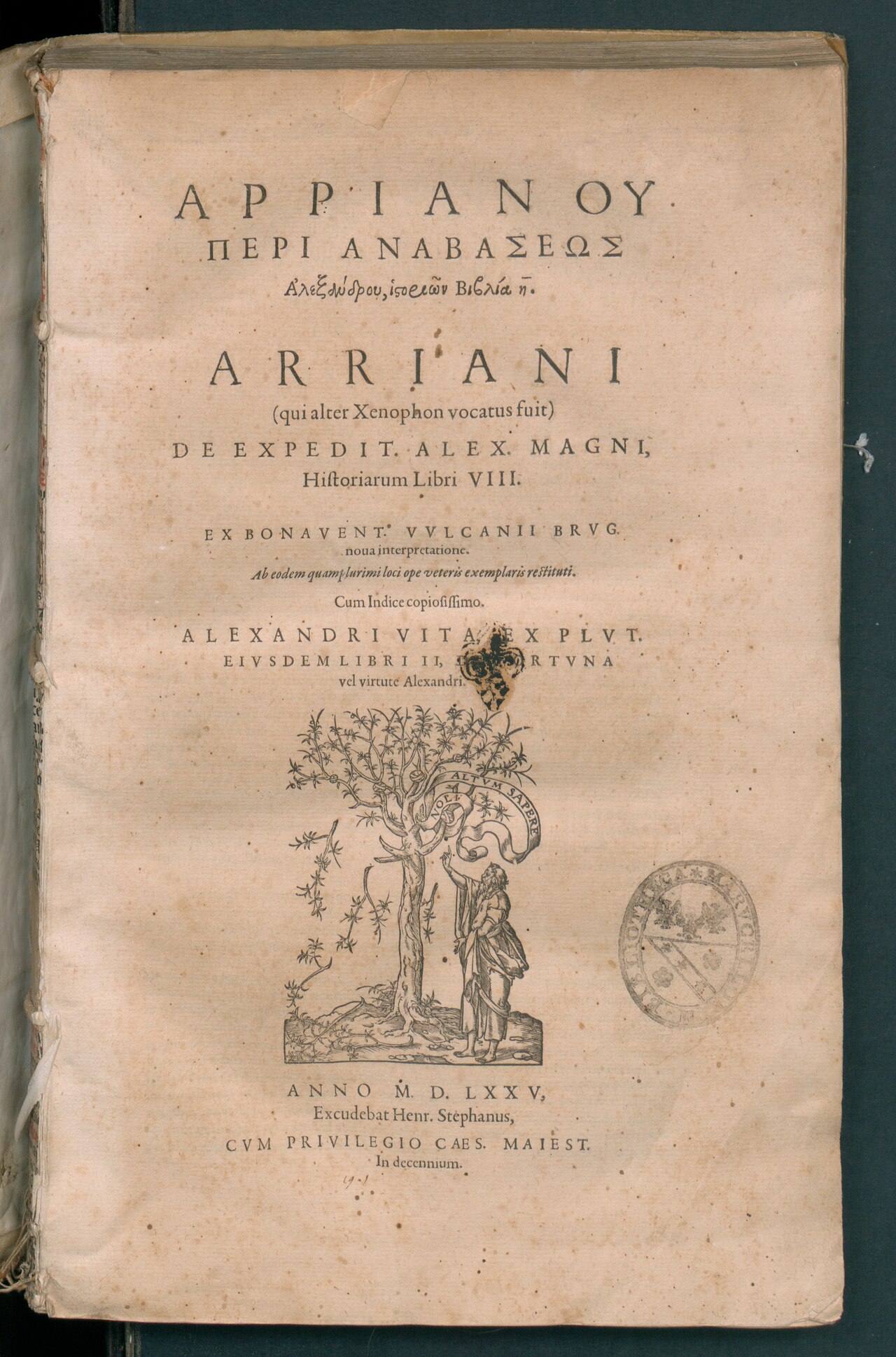
Anabasis of Alexander
Arrian · c. 150 AD
Ready when you are
Start chatting with Alexander the Great now.
20 messages free · No credit card · Available in 50+ languages.