


Primary sourcePainting1870-1884
The Siege of Paris
Ernest Meissonier · 1870-1884
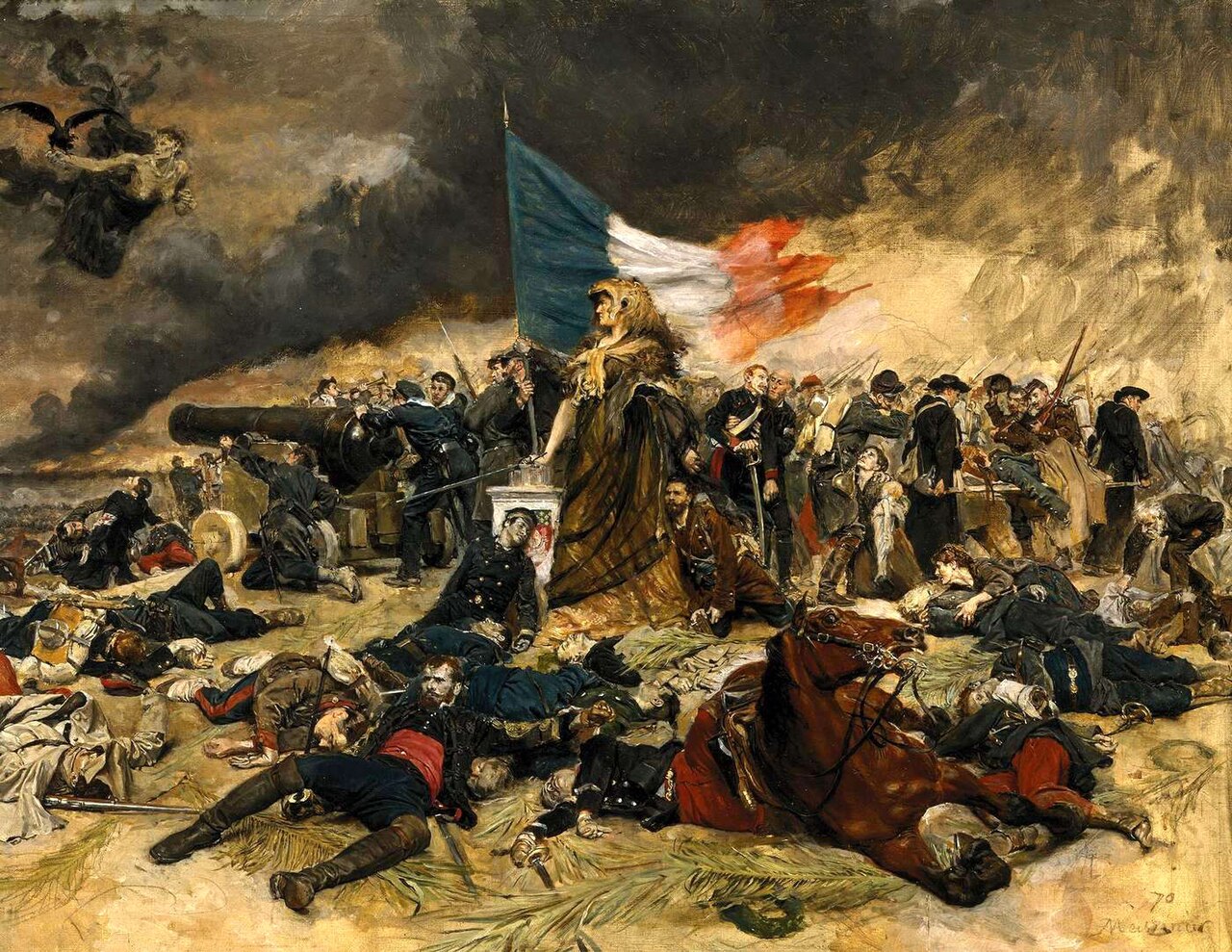
A large allegorical painting of the 1870 Siege of Paris by Meissonier, showing the wartime setting Le Châtelier grew up in as a child in the capital.
Shows the wartime Paris of Le Châtelier's childhood, providing historical context rather than depicting him directly.
About this source
What it is
This painting by Ernest Meissonier depicts the Siege of Paris, begun in 1870 and worked on over several years. It is held at the Musée d'Orsay in Paris. The scene allegorically shows the city of Paris as a woman surrounded by the dead and wounded, with a Prussian eagle and a figure of famine looming overhead.
Why it matters
The siege took place during the Franco-Prussian War, a traumatic event in French history that shaped the generation into which Henry Louis Le Châtelier was born. The painting reflects how contemporaries like Meissonier tried to make sense of the war's suffering through heroic, symbolic imagery rather than realistic reportage.
Look closer
- Why might an artist choose allegory (a woman, an eagle, a spectre) instead of showing an ordinary battle scene?
- What feelings does the composition try to create in the viewer?
- What does this painting leave out about the everyday experience of Parisians during the siege?
This painting is part of the curated material that grounds the AI version of Henry Louis Le Châtelier on Humy.ai — when students ask about related events, the AI can quote it and cite it.
More Henry Louis Le Châtelier sources
Browse all 36 → Book
Primary source
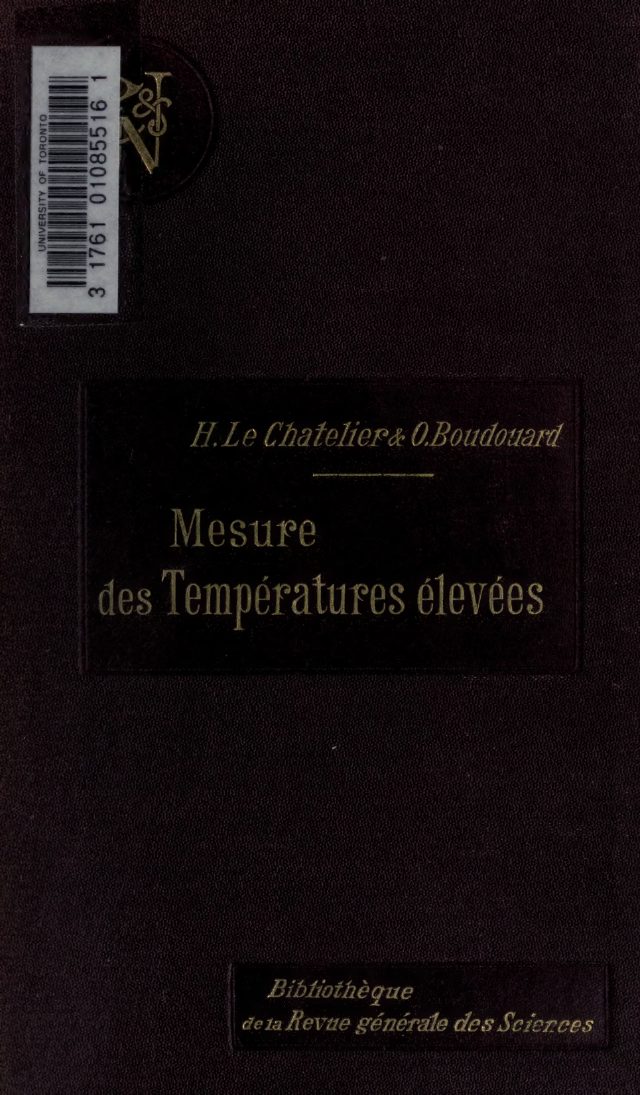
High Temperature Measurements
Henry Le Chatelier and Octave Boudouard; translated by George K. Burgess · 1901
 Photograph
Primary source
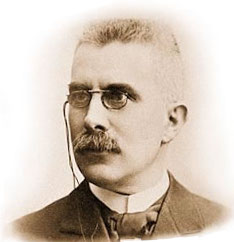
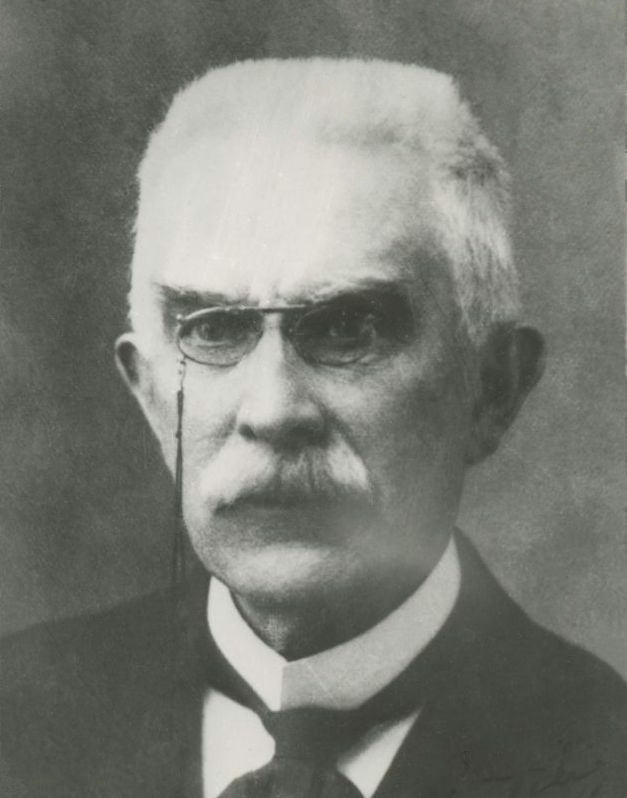
Photographic Portrait of Henry Le Chatelier
 Photograph
Primary source
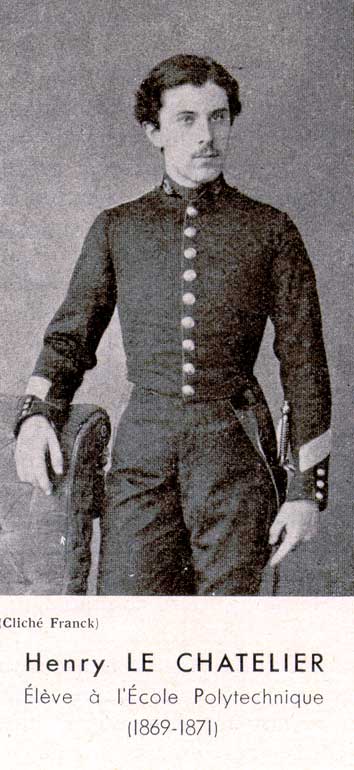
Portrait of Henry Louis Le Chatelier as a Student
Unknown (Cliché Franck) · 1869-1871
 Photograph
Primary source
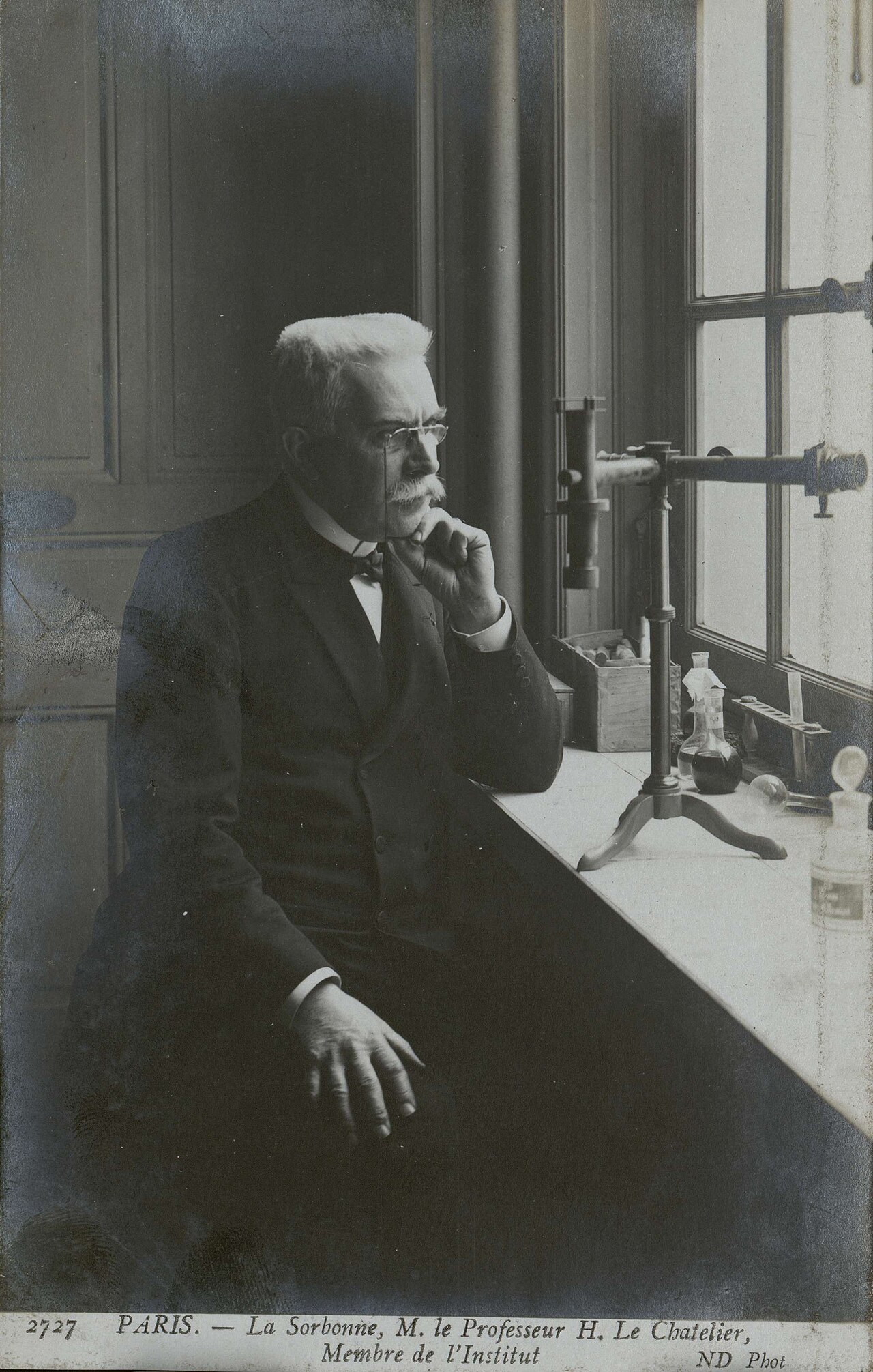
La Sorbonne. M. le professeur H. Le Chatelier, membre de l'Institut
Free account
Read every Henry Louis Le Châtelier source
Sign up free →
Ready when you are
Start chatting with Henry Louis Le Châtelier now.
20 messages free · No credit card · Available in 50+ languages.