


Primary sourcePainting1919
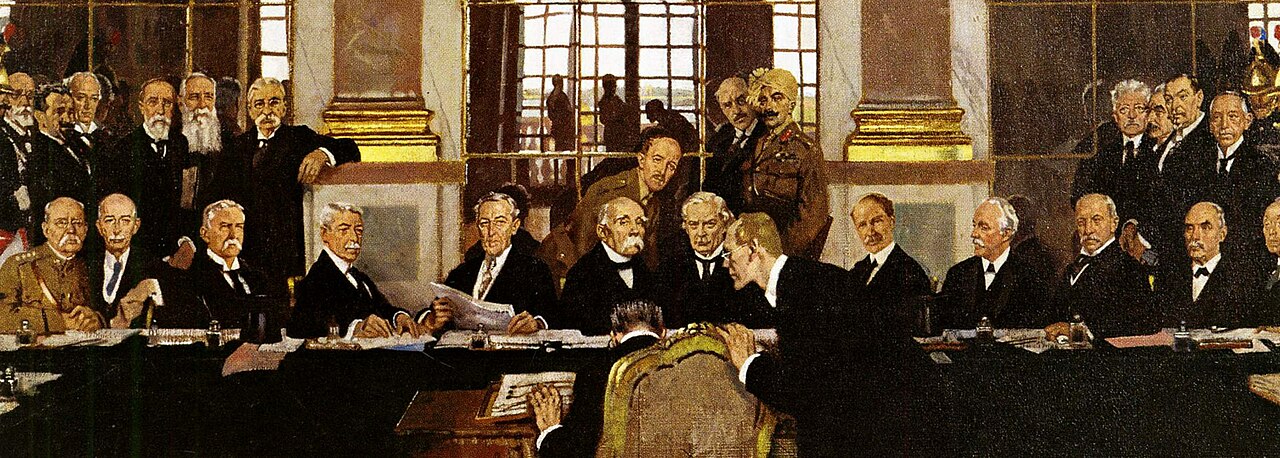
The Signing of Peace in the Hall of Mirrors
William Orpen · 1919
Orpen's painting of the signing of the Treaty of Versailles, showing Clemenceau among the assembled world leaders.
Clemenceau appears seated among the heads of state at the signing of the Treaty of Versailles.
About this source
What it is
A painting by William Orpen showing the Hall of Mirrors at Versailles in 1919, during the signing of the peace treaty ending the First World War. It shows German representatives signing at the front while leaders and officials from many nations sit and stand around a long table, including Georges Clemenceau of France, Woodrow Wilson of the United States, and David Lloyd George of Britain.
Why it matters
This event marked the formal end of the First World War and reshaped the map of Europe. The painting records the scene as a historical tableau, placing Clemenceau among the chief architects of the peace settlement, alongside Wilson and Lloyd George, whose decisions would shape the following decades.
Look closer
- Why might an artist choose to show this moment rather than the battlefield itself?
- What does the formal, grand setting suggest about how the leaders wanted the peace to be remembered?
- Who is missing from this image, and what might that leave out of the story?
This painting is part of the curated material that grounds the AI version of Georges Clemenceau on Humy.ai — when students ask about related events, the AI can quote it and cite it.
More Georges Clemenceau sources
Meet the AI Georges Clemenceau →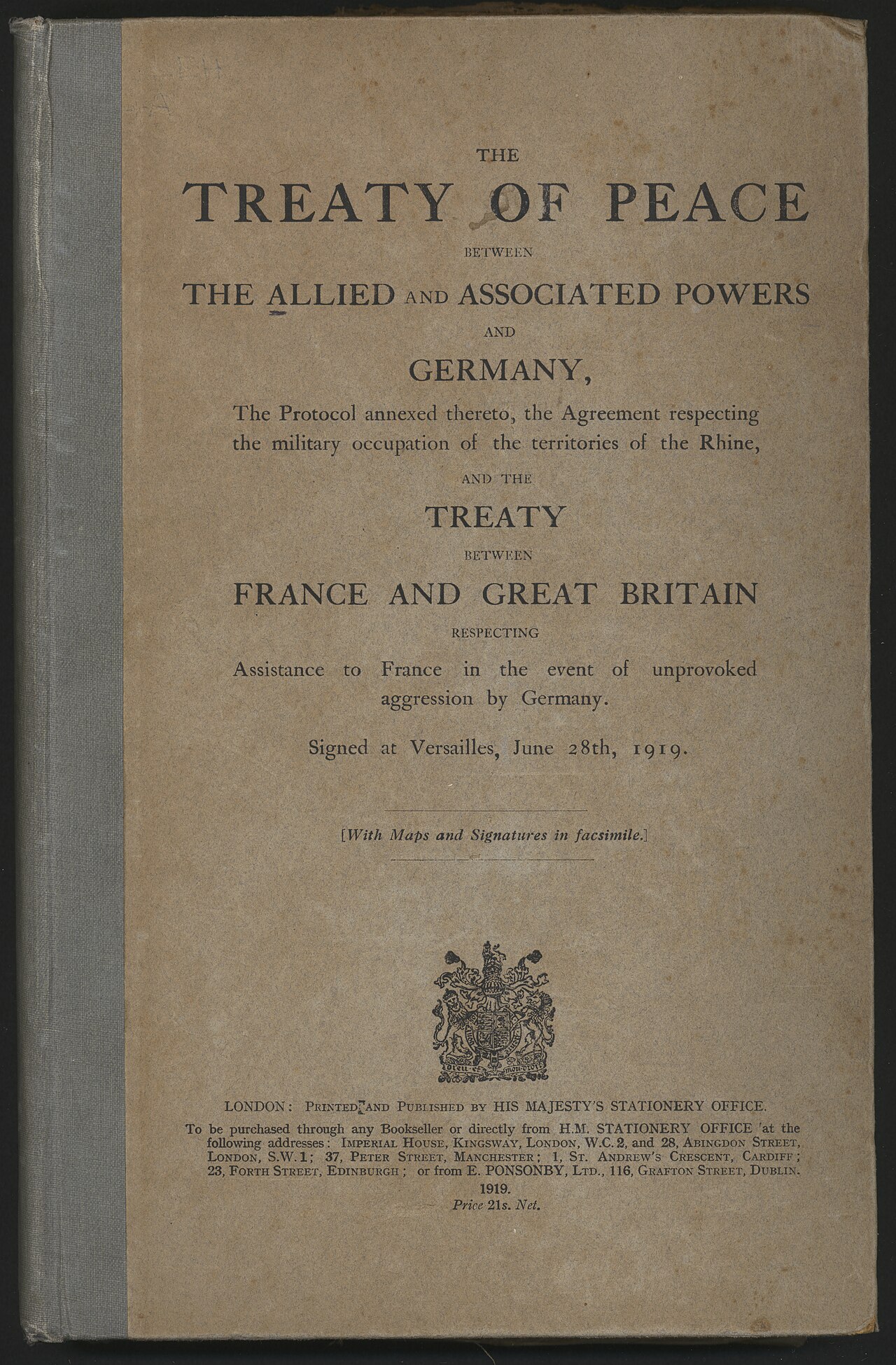 Document
Primary source
Treaty of Versailles
28 June 1919
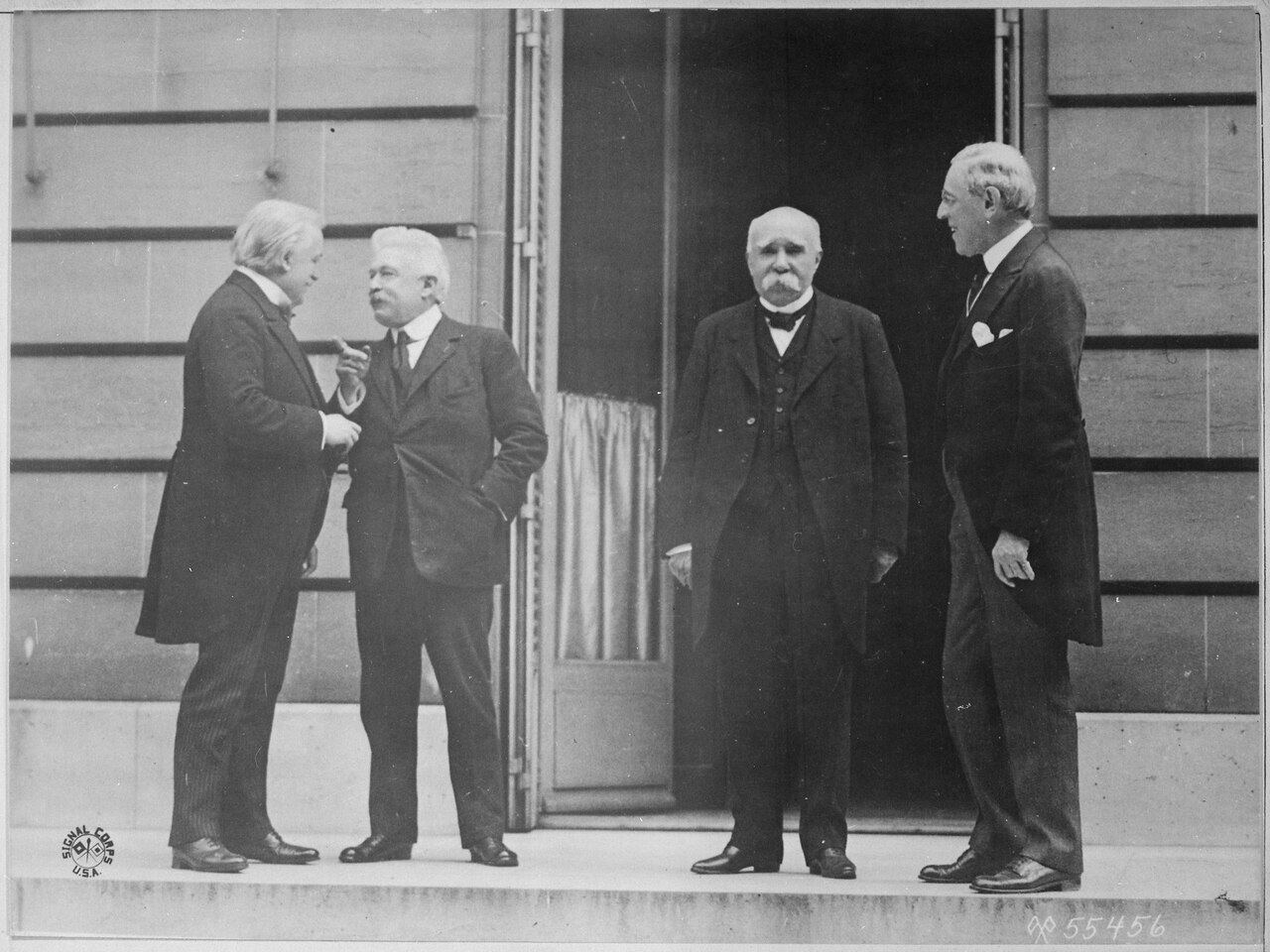 Photograph
Primary source
The Big Four at the Paris Peace Conference
Edward N. Jackson · 27 May 1919
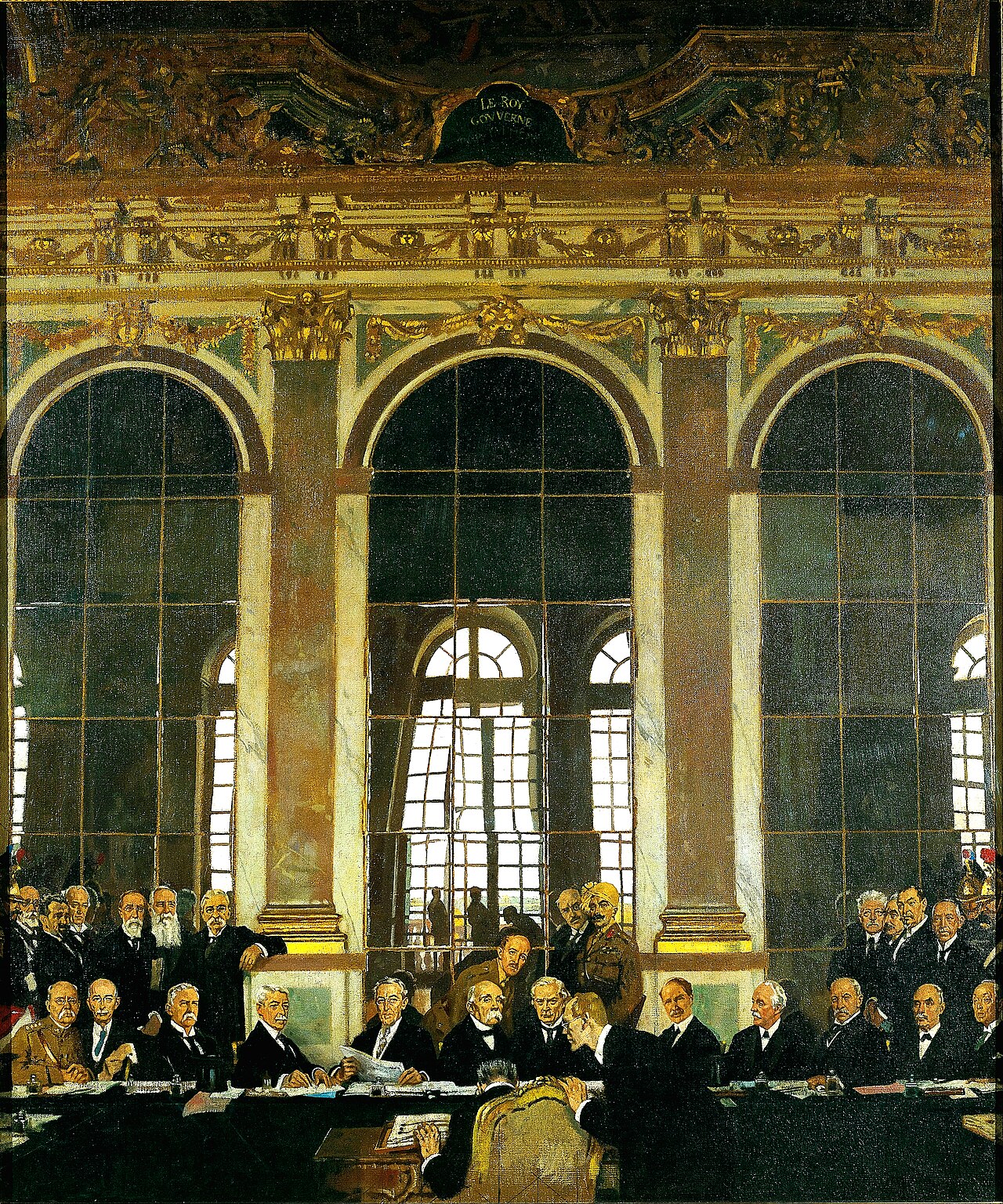 Painting
Primary source
The Signing of Peace in the Hall of Mirrors, Versailles, 28 June 1919
William Orpen · 1919
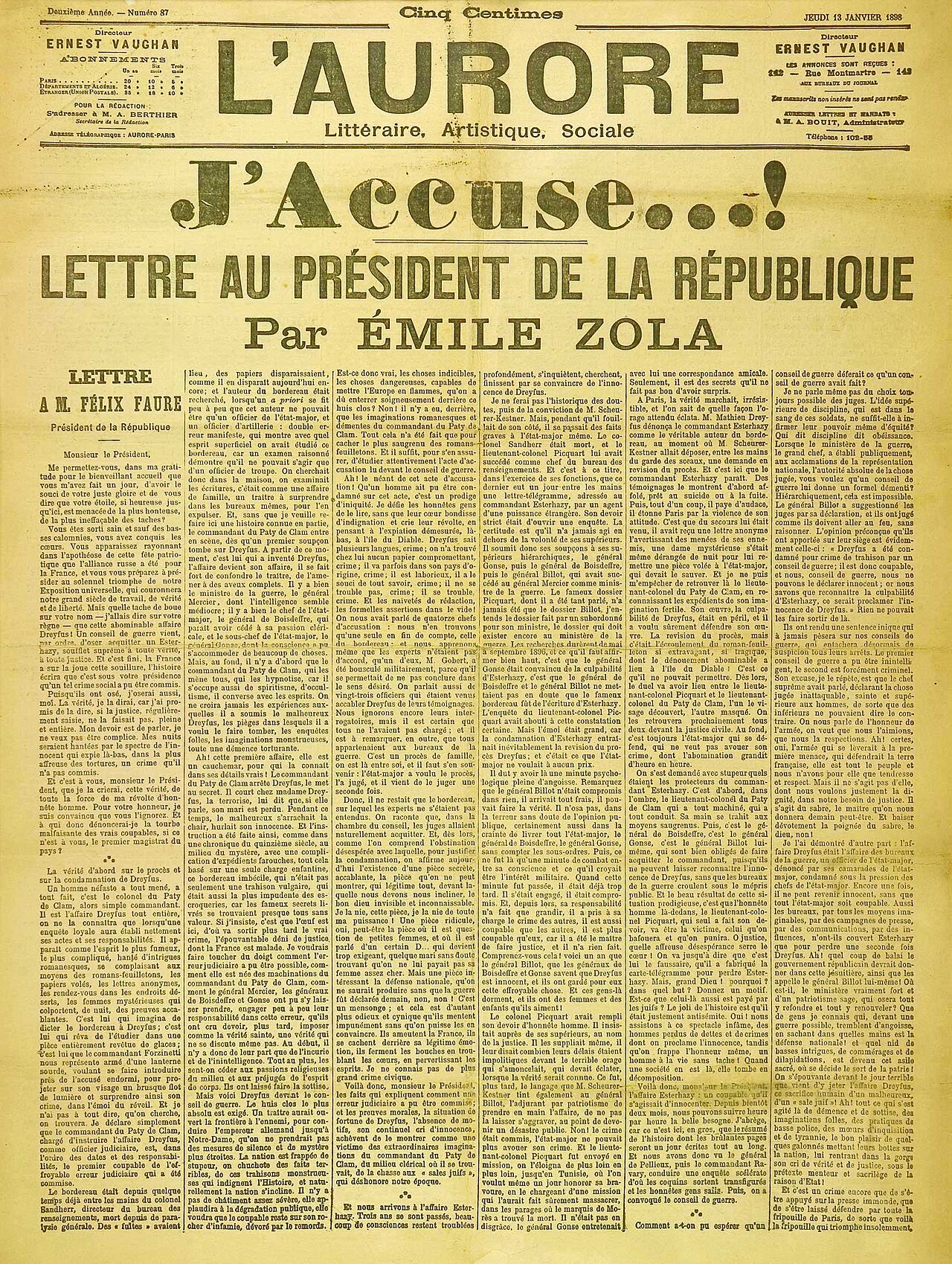 Newspaper article
Primary source
J'accuse…!
Émile Zola · 13 January 1898
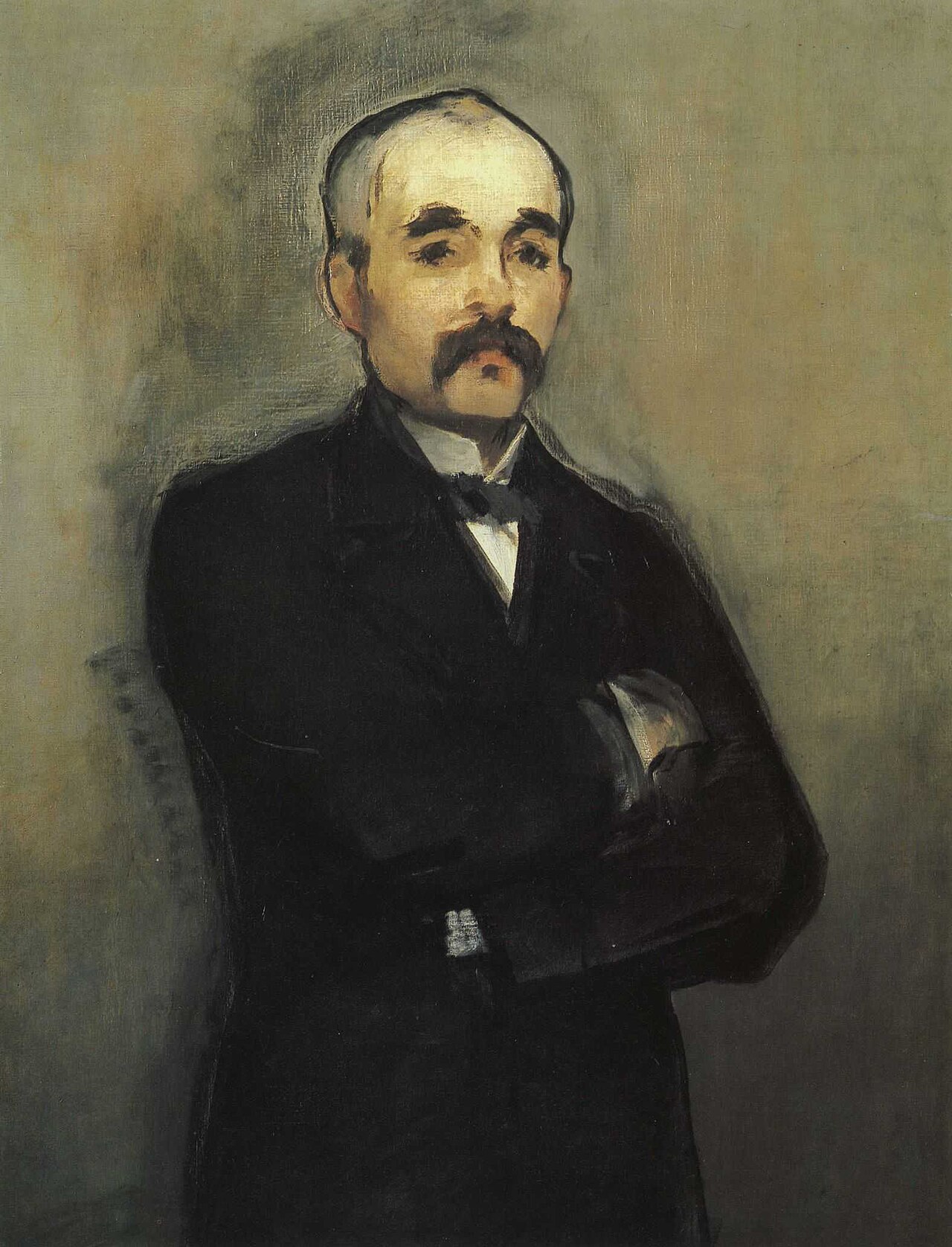 Painting
Primary source
Portrait of Georges Clemenceau
Édouard Manet · 1879-1880
Ready when you are
Start chatting with Georges Clemenceau now.
20 messages free · No credit card · Available in 50+ languages.