


Primary sourceBook1910
The Song of the Stone Wall
Helen Keller · 1910
A long poem written by Helen Keller in 1910, inspired by New England stone walls, dedicated to the memory of Dr. Edward Everett Hale.
This poem, written by Keller herself, shows her literary ambitions and personal reflections on American history and faith.
About this source
What it is
This is a book of poetry written by Helen Keller, published in 1910 under the title The Song of the Stone Wall. The dedication explains that Keller wrote it imagining the men who built New England's old stone walls, and that she had intended to dedicate it to Dr. Edward Everett Hale, who had died before its completion.
Why it matters
This work shows a side of Keller beyond her famous memoir and activism: her ambition as a literary poet exploring American history and tradition. The dedication also reveals her personal connections, including her admiration for Hale, a well-known minister and author, and her engagement with ideas of heroism, faith, and the Puritan past.
Look closer
- Why might Keller have chosen stone walls, an everyday object, as the subject of a poem?
- What does the dedication to Dr. Hale reveal about the people and ideas Keller admired?
- What questions would you want to ask about how Keller composed and dictated a long poem like this?
This book is part of the curated material that grounds the AI version of Helen Keller on Humy.ai — when students ask about related events, the AI can quote it and cite it.
More Helen Keller sources
Meet the AI Helen Keller →Primary source
The Story of My Life
Helen Keller · 1903
Primary source
Strike Against War
Helen Keller · 5 January 1916
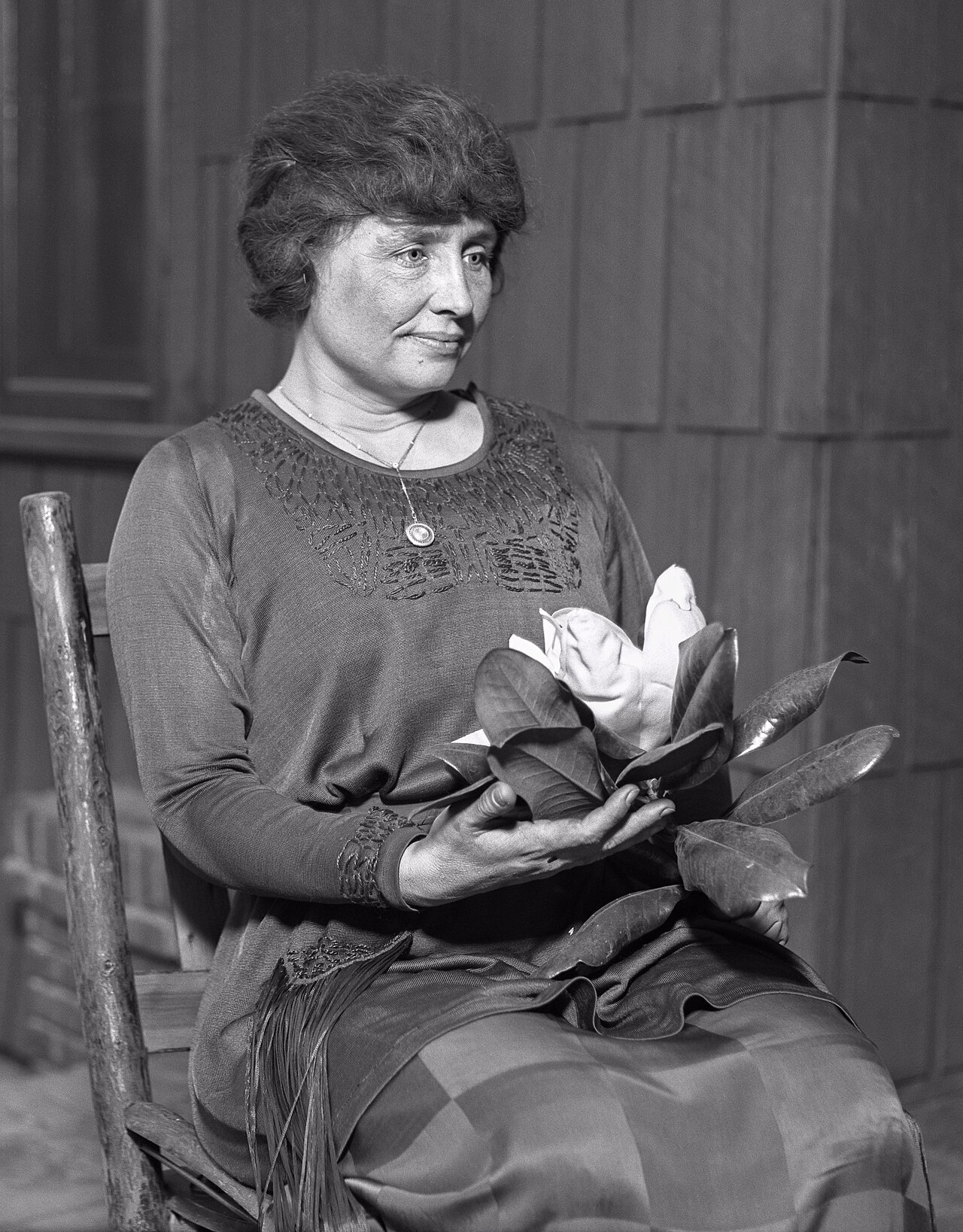 Photograph
Primary source
Portrait of Helen Keller
c. 1920
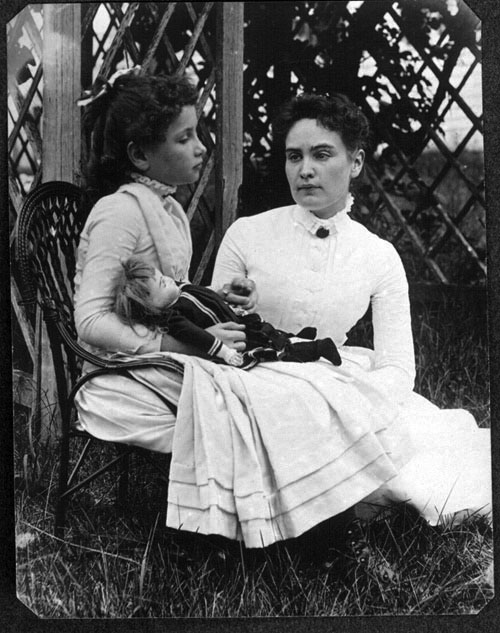 Photograph
Primary source
Photograph of Helen Keller and Anne Sullivan, Brewster, Cape Cod
Unknown photographer · July 1888
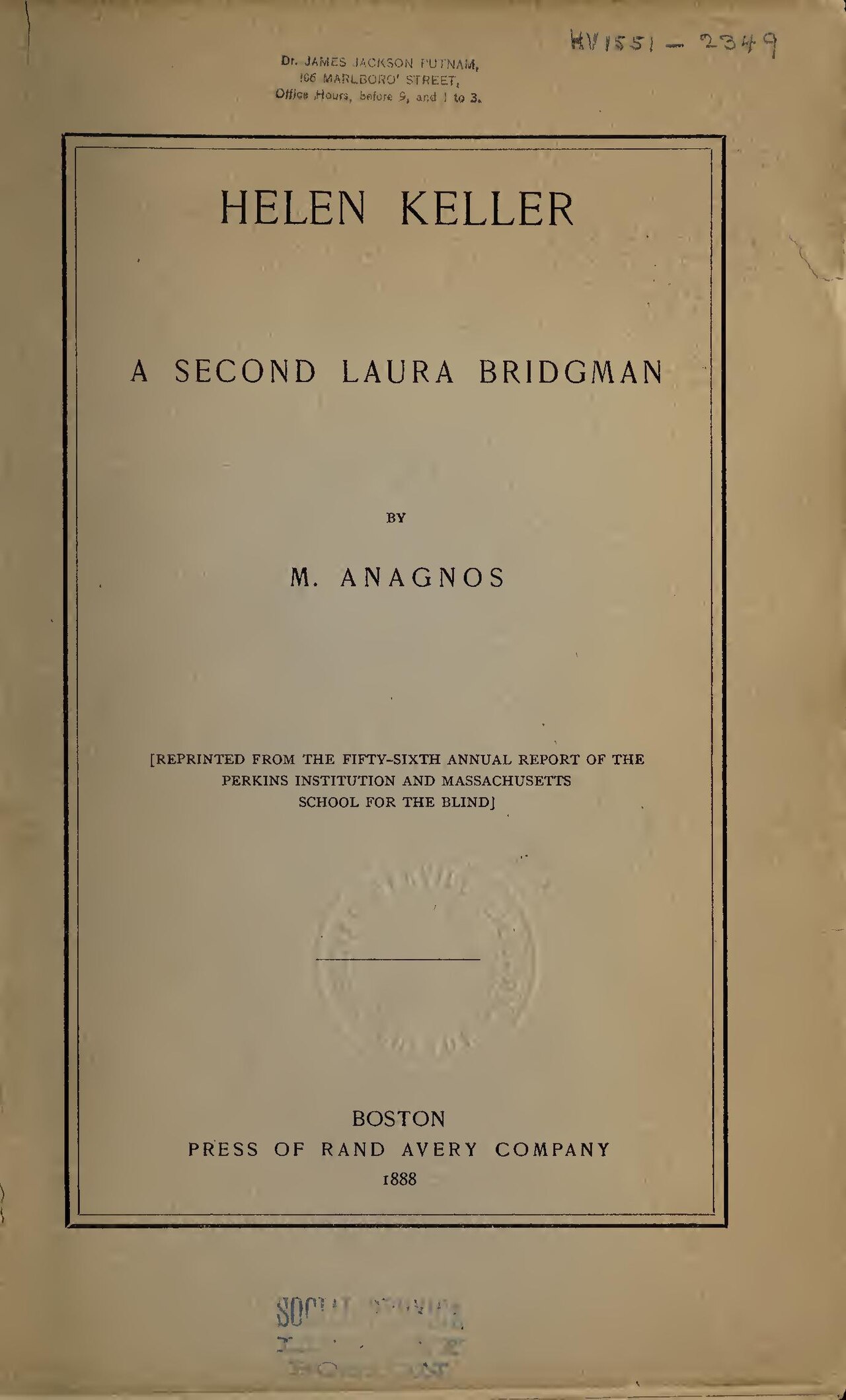 Document
Secondary source
Helen Keller: A Second Laura Bridgman
Michael Anagnos · 1888
Ready when you are
Start chatting with Helen Keller now.
20 messages free · No credit card · Available in 50+ languages.