


Primary sourcePaintingc. 1500-1505
The Story of Virginia
Sandro Botticelli · c. 1500-1505
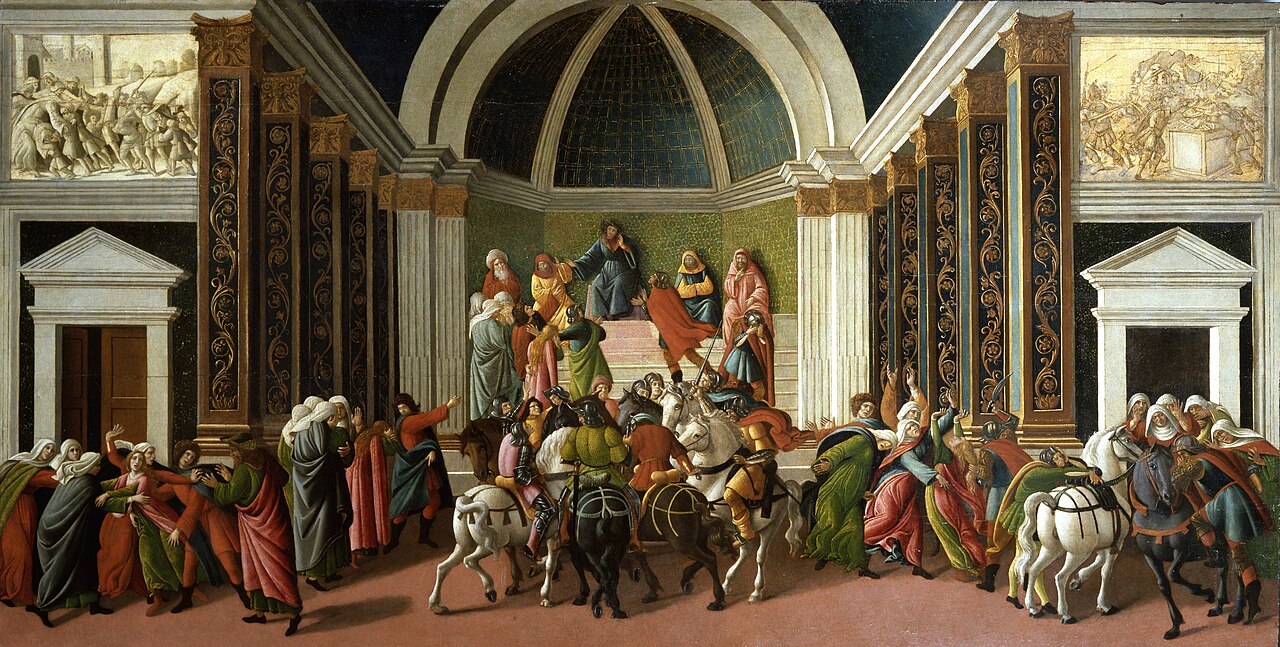
A late Botticelli painting depicting the Roman tale of Virginia's violated honor and her father's act of vengeance.
One of Botticelli's last works, exemplifying the moral themes of his final period.
About this source
What it is
This tempera panel was painted by Sandro Botticelli around 1500–1505. It tells the Roman story of Virginia in several scenes read left to right, ending in her father killing her to preserve the family's honor. It is held at the Accademia Carrara in Bergamo.
Why it matters
Painted as a companion to The Story of Lucretia, this work was one of Botticelli's last pieces on the theme of violated honor and virtue, subjects popular in Renaissance Florence. It shows how classical Roman stories were used to teach moral lessons, and reveals Botticelli's late style of agitated figures and vivid color set against classical architecture.
Look closer
- Why might several episodes of a story be combined into a single image?
- What does the choice of this violent story say about the values of the people who commissioned it?
- How does the architecture help organize the different scenes?
This painting is part of the curated material that grounds the AI version of Sandro Botticelli on Humy.ai — when students ask about related events, the AI can quote it and cite it.
More Sandro Botticelli sources
Browse all 95 →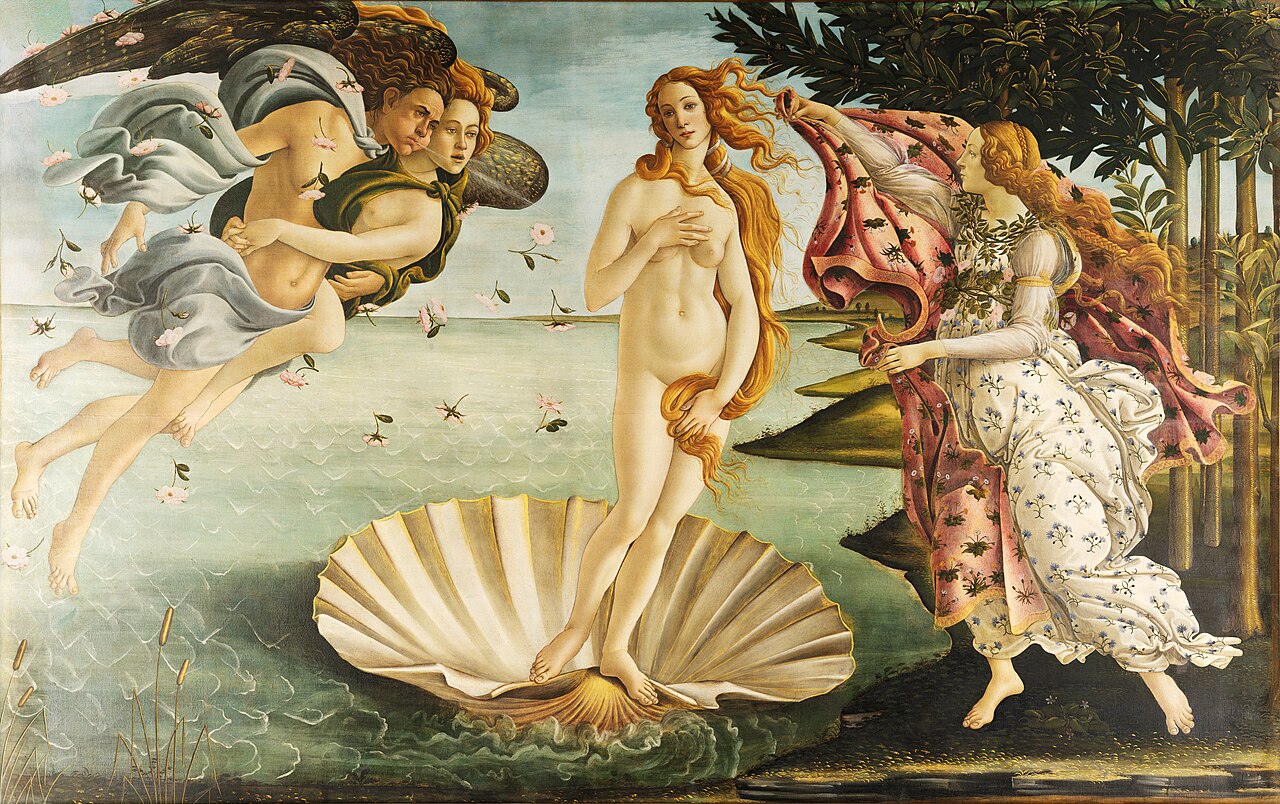 Painting
Primary source
The Birth of Venus
Sandro Botticelli · 1485
 Painting
Primary source
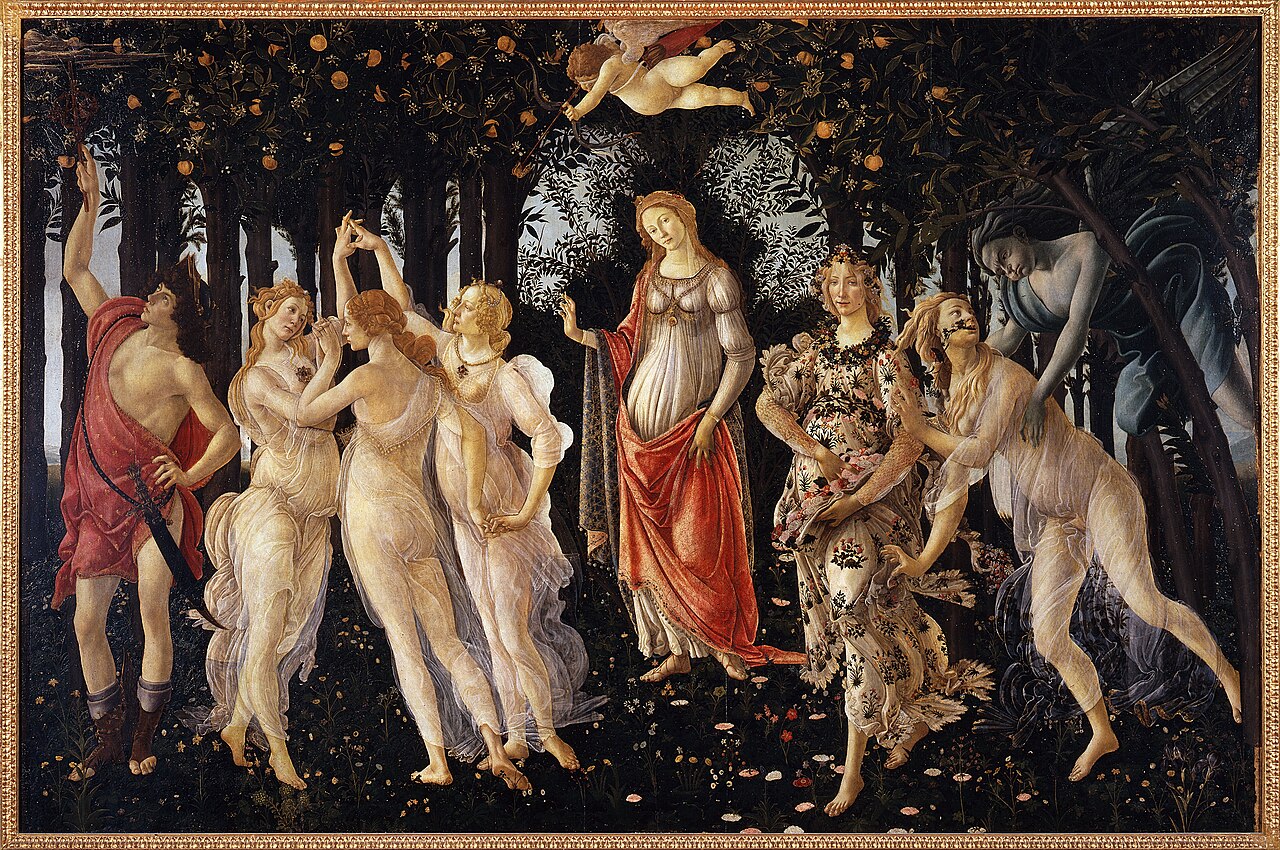
Primavera
Sandro Botticelli · 1480
 Painting
Primary source
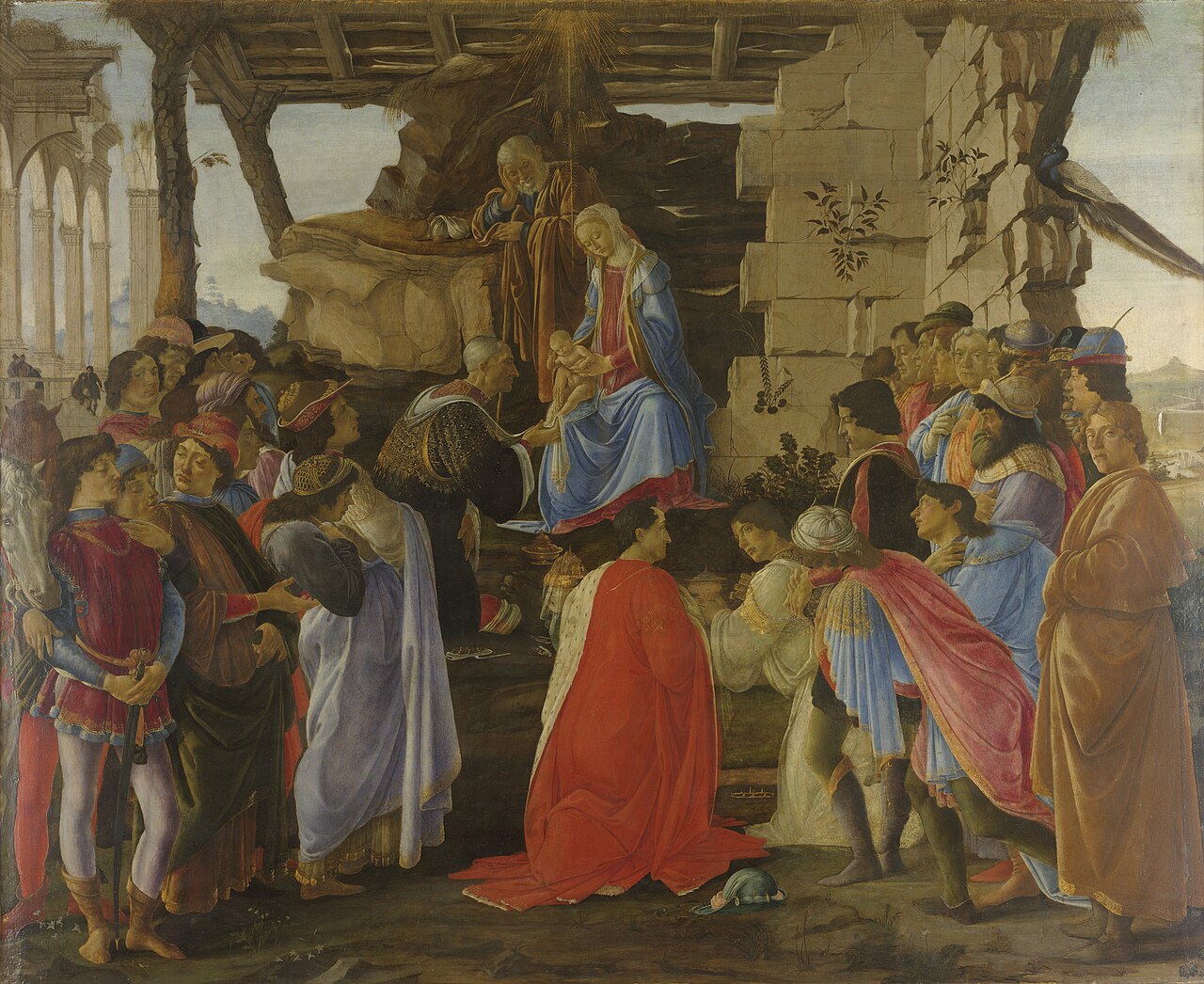
Adoration of the Magi
Sandro Botticelli · c. 1475
 Painting
Primary source
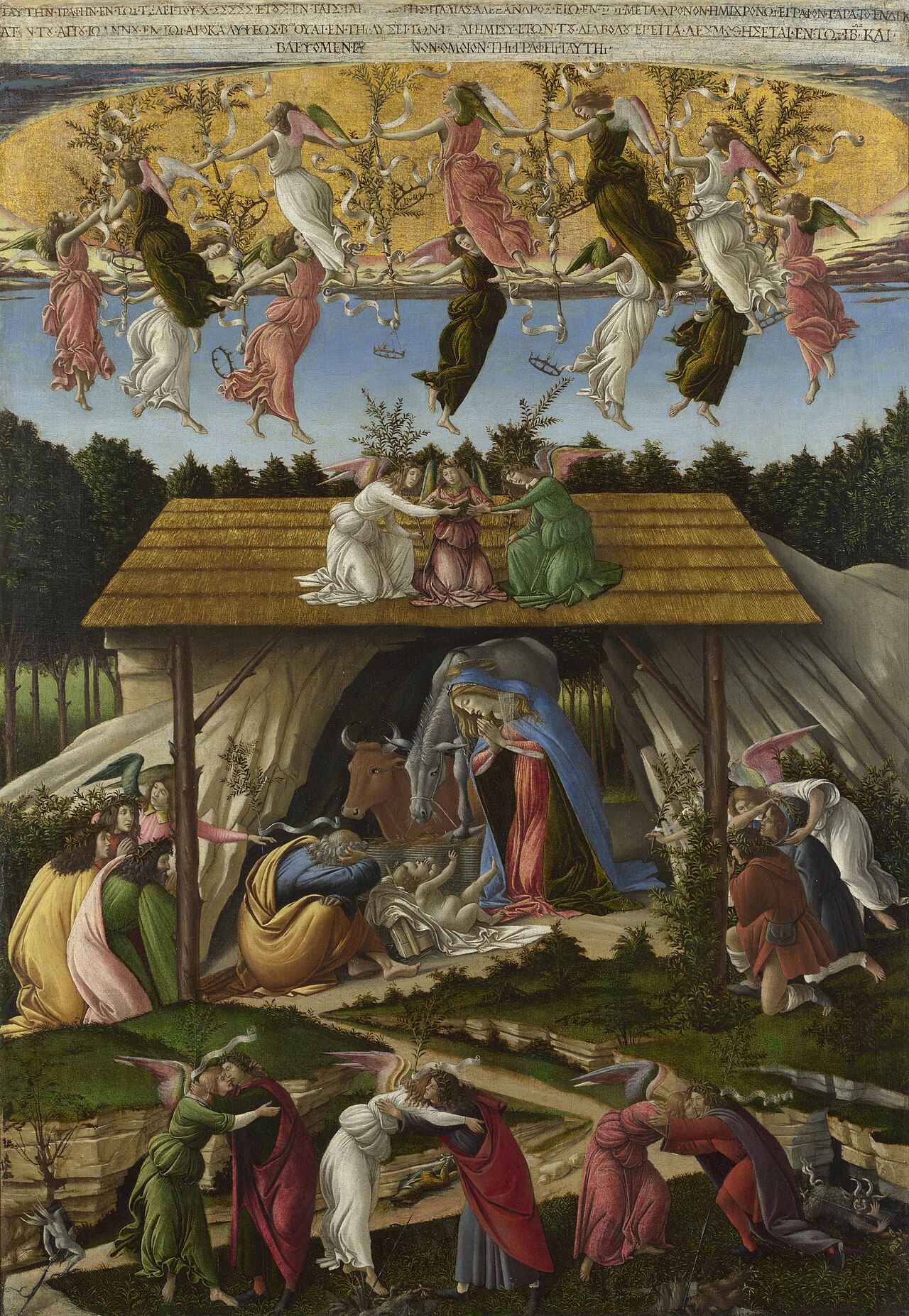
The Mystical Nativity
Sandro Botticelli · 1500-1501
Free account
Read every Sandro Botticelli source
Sign up free →
Ready when you are
Start chatting with Sandro Botticelli now.
20 messages free · No credit card · Available in 50+ languages.