


Secondary sourcePainting1912
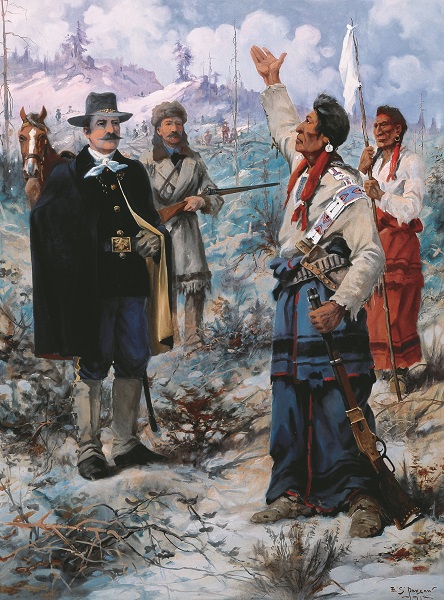
The Surrender of Chief Joseph
Edgar Samuel Paxson · 1912
A 1912 painting by Edgar Samuel Paxson imagining Chief Joseph's surrender, created decades after the event.
This painting depicts Joseph's surrender, created decades later and reflecting how his story was mythologized in American art.
About this source
What it is
This oil painting by Edgar Samuel Paxson, completed in 1912, depicts the surrender of Chief Joseph. It hangs as a mural in the lobby of the Montana House of Representatives.
Why it matters
Painted long after Joseph's death, the work shows how his surrender became a mythologized scene in American art and public memory. It reflects how later generations, including government institutions, chose to remember and display Native history, often shaping the story to fit their own narrative rather than relying strictly on firsthand accounts.
Look closer
- Who is given the most visual attention in the painting, and what does that suggest about whose story is being told?
- Why might a government building choose to display this scene decades after it happened?
- What might this painting leave out about what Joseph and his people actually experienced?
This painting is part of the curated material that grounds the AI version of Chief Joseph on Humy.ai — when students ask about related events, the AI can quote it and cite it.
More Chief Joseph sources
Meet the AI Chief Joseph →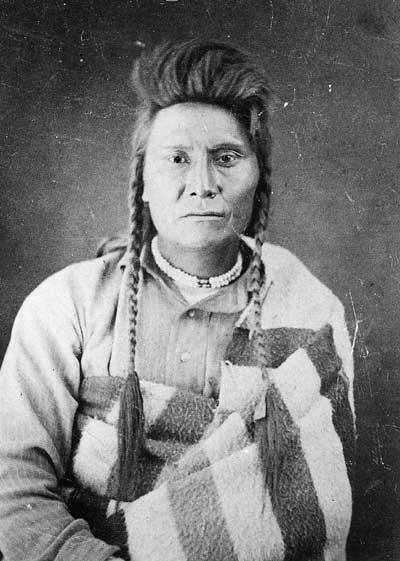 Photograph
Primary source
Chief Joseph, Three Weeks After Surrender
John Hale Fouch · 23 October 1877
 Painting
Primary source
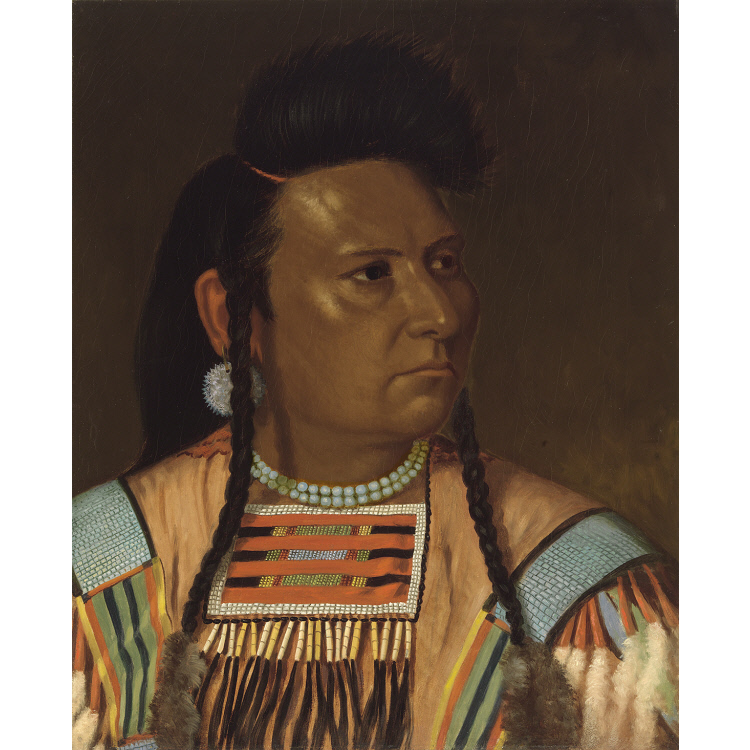
Chief Joseph
Cyrenius Hall · 1878
 Photograph
Primary source
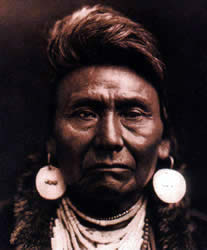
Chief Joseph (Curtis portrait)
Edward S. Curtis · c. 1903
 Photograph
Primary source
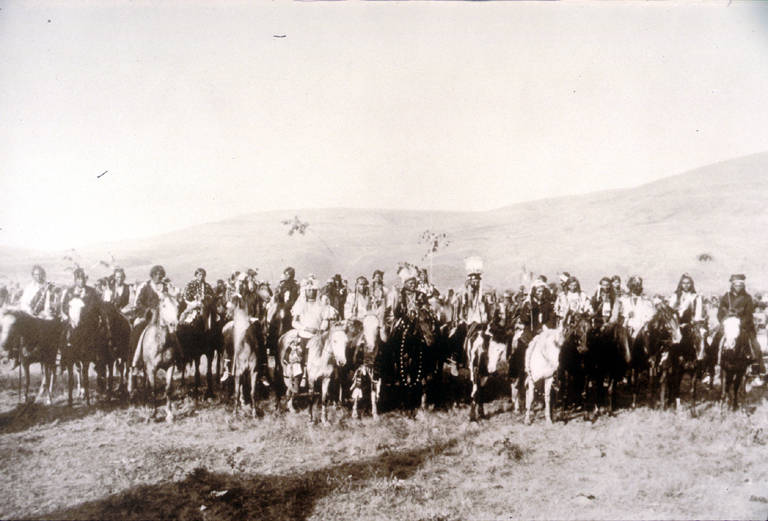
Chief Joseph's Band, Lapwai, 1877
spring 1877
 Photograph
Primary source
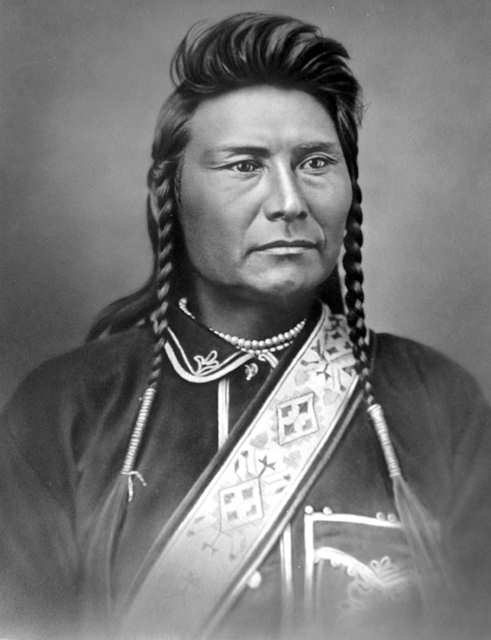
Chief Joseph, Bismarck Portrait
O. S. Goff (attributed) · November 1877
Ready when you are
Start chatting with Chief Joseph now.
20 messages free · No credit card · Available in 50+ languages.