


Primary sourceSpeech26 June 1784
The Theatre Considered as a Moral Institution
Friedrich Schiller · 26 June 1784
Schiller's 1784 lecture to the Deutsche Gesellschaft in Mannheim, arguing that theatre is a school of morality and civic education.
This is Schiller's own speech, setting out his lifelong belief that the stage should educate as well as entertain.
Free Humy account · No credit card · 120,912 sources to read
About this source
What it is
This is an oration written and delivered by Friedrich Schiller on 26 June 1784 to the Deutschen Gesellschaft, a society in Mannheim dedicated to improving morals and the German language. It was later published as an essay.
Why it matters
At 24, Schiller hoped the speech would win him a paid position with the society so he could support himself as a playwright. In it he argues that theatre is not just entertainment but a moral, political and aesthetic institution that can enlighten audiences. It shows how Schiller linked art to social improvement early in his career.
Look closer
- Why might Schiller have wanted to convince this particular society that theatre was valuable?
- What does his claim that theatre is a "school of practical wisdom" suggest about his view of audiences?
- How might his own financial situation have shaped the arguments he chose to make?
This speech is part of the curated material that grounds the AI version of Friedrich Schiller on Humy.ai — when students ask about related events, the AI can quote it and cite it.
More Friedrich Schiller sources
Browse all 88 →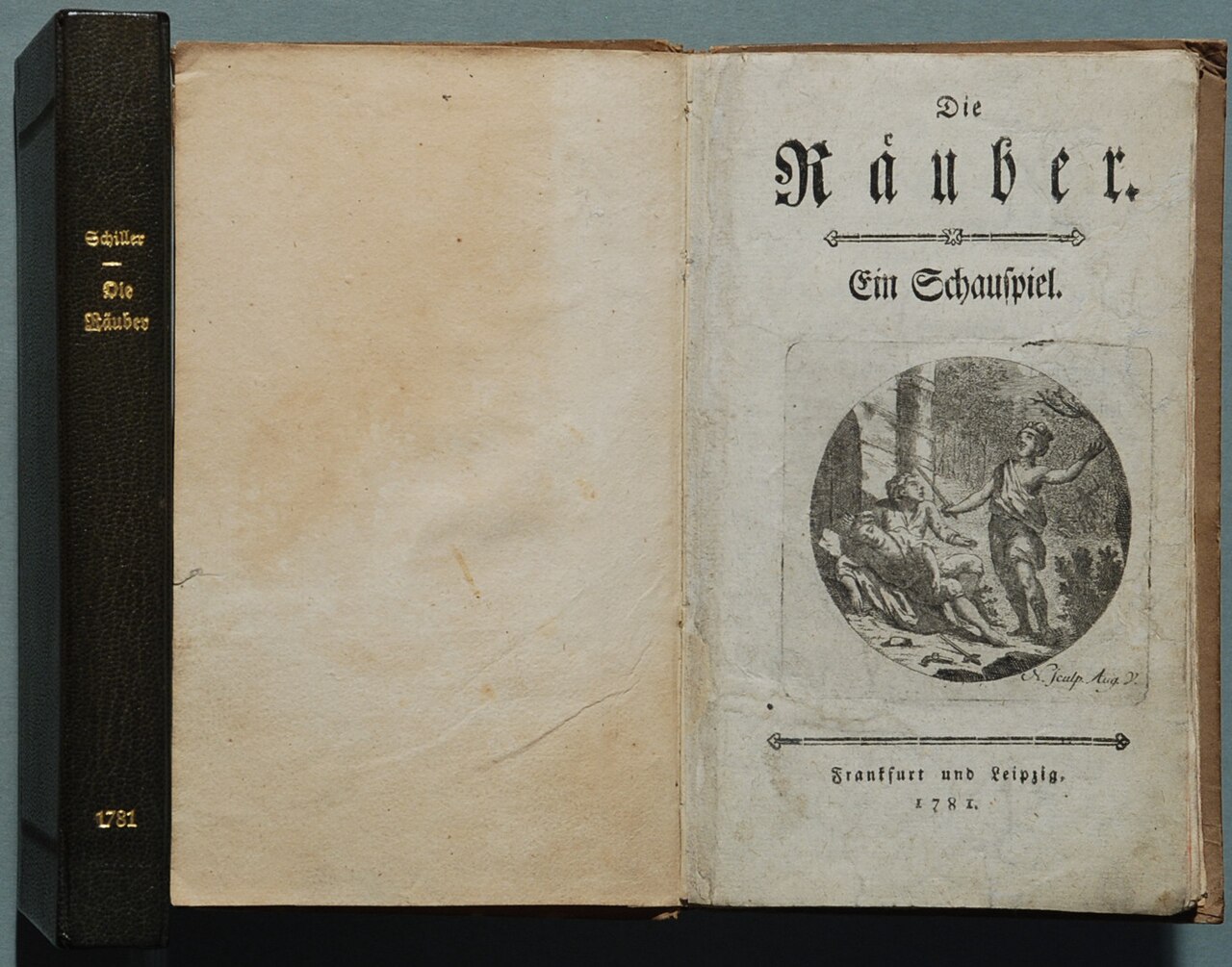
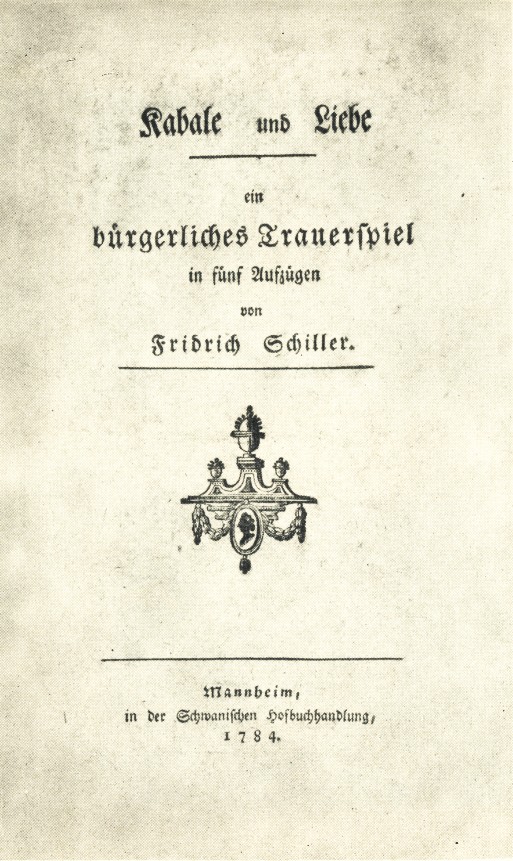
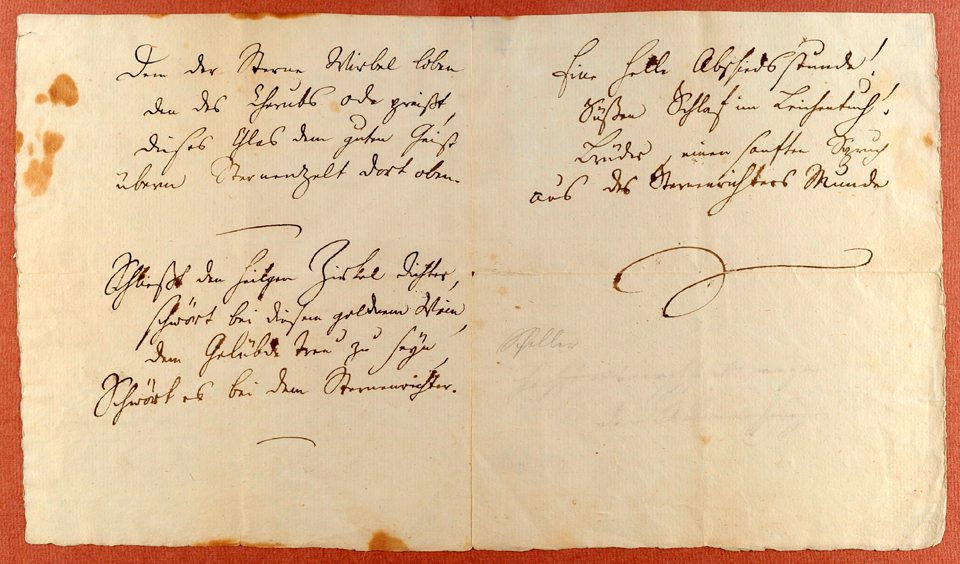
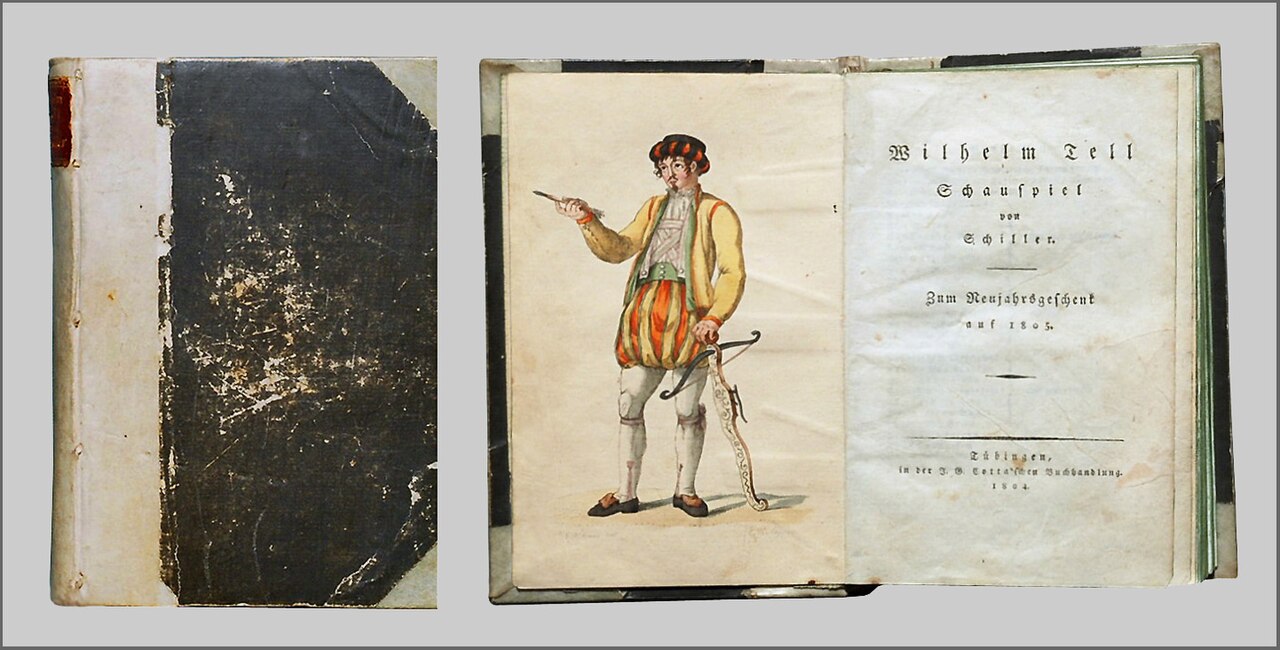

Ready when you are
Start chatting with Friedrich Schiller now.
20 messages free · No credit card · Available in 50+ languages.