


Primary sourceBook1825-1831
The Theory of Biquadratic Residues
Carl Friedrich Gauss · 1825-1831
Gauss's advanced work on biquadratic residues, written in Latin between 1825 and 1831 and later translated into English.
A major mathematical treatise written by Gauss himself, showing his deep later work in number theory.
Free Humy account · No credit card · 120,912 sources to read
About this source
What it is
This is an English translation of a mathematical treatise written by Carl Friedrich Gauss between 1825 and 1831. The original was written in Latin, the scholarly language of the time, and deals with advanced number theory.
Why it matters
Gauss pushed the study of number theory far beyond quadratic residues into the much harder problem of cubic and biquadratic residues. The opening of the text shows him describing how he began this work decades earlier and how it demanded entirely new mathematical tools.
Look closer
- Why might Gauss describe quadratic residue theory as 'beautiful' before tackling a 'far deeper' problem?
- What does the long gap between his first ideas and the final publication suggest about how mathematical discovery works?
- Why do you think this text was originally written in Latin rather than German?
This book is part of the curated material that grounds the AI version of Carl Friedrich Gauss on Humy.ai — when students ask about related events, the AI can quote it and cite it.
More Carl Friedrich Gauss sources
Browse all 77 → Diary entry
Primary source
Eureka Diary Entry
Carl Friedrich Gauss · 10 July 1796
 Painting
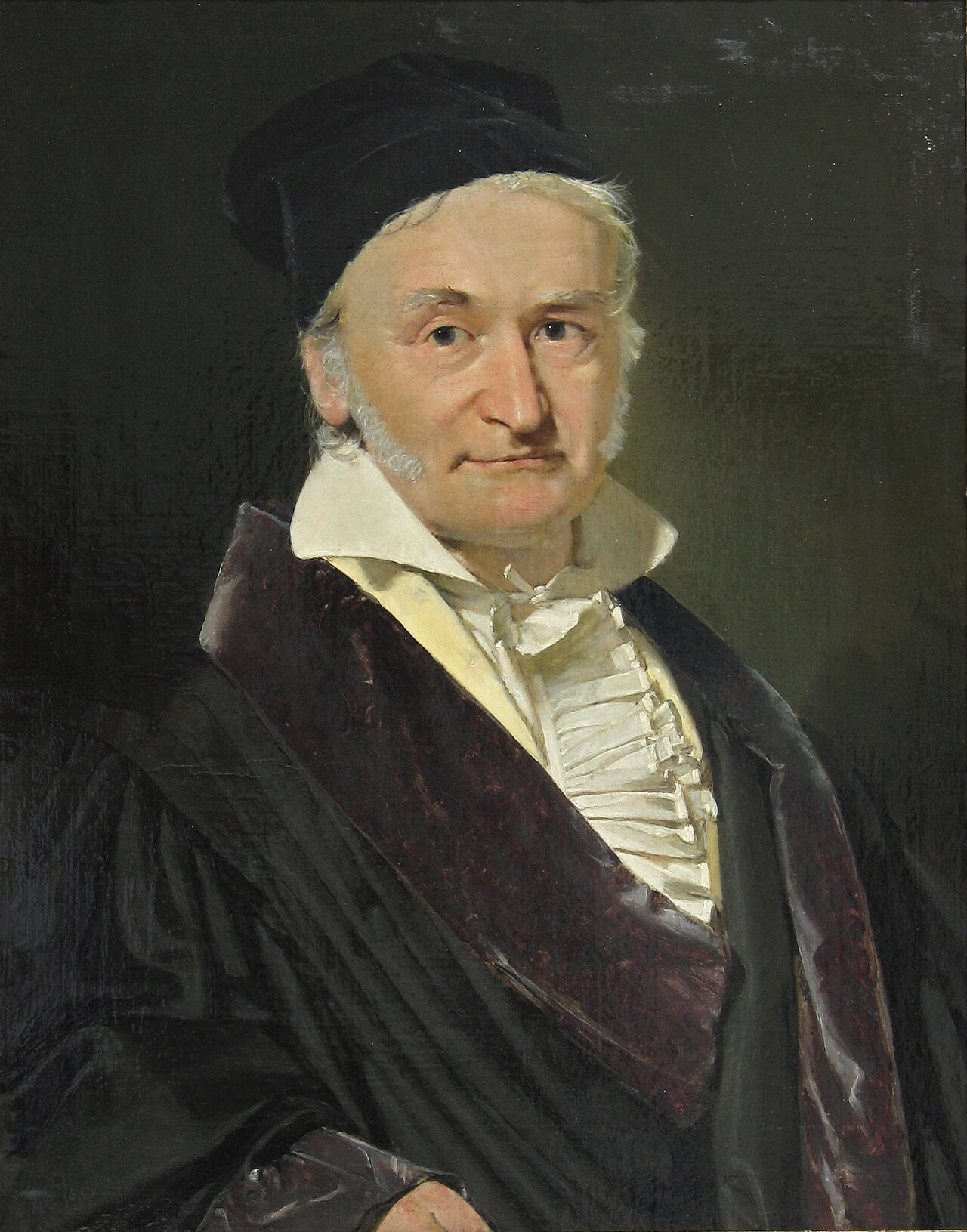
Primary source
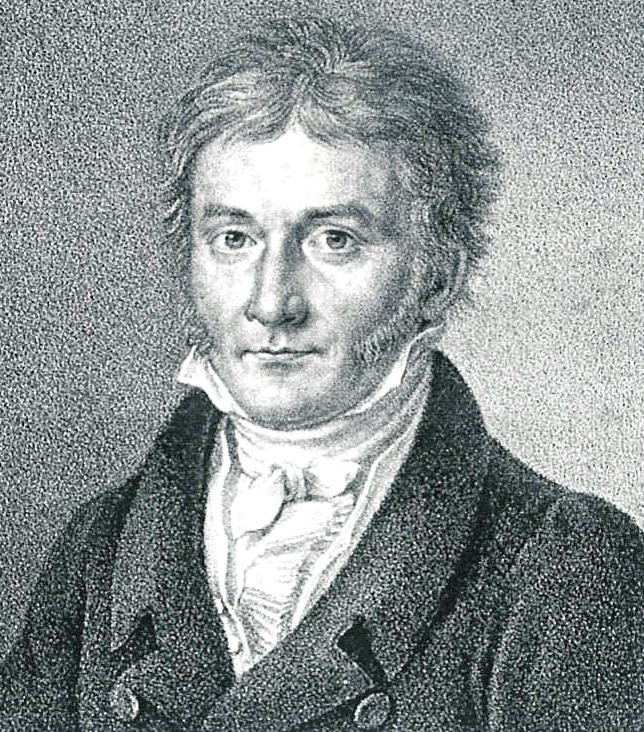
Portrait of Carl Friedrich Gauß
Christian Albrecht Jensen · 1840
 Painting
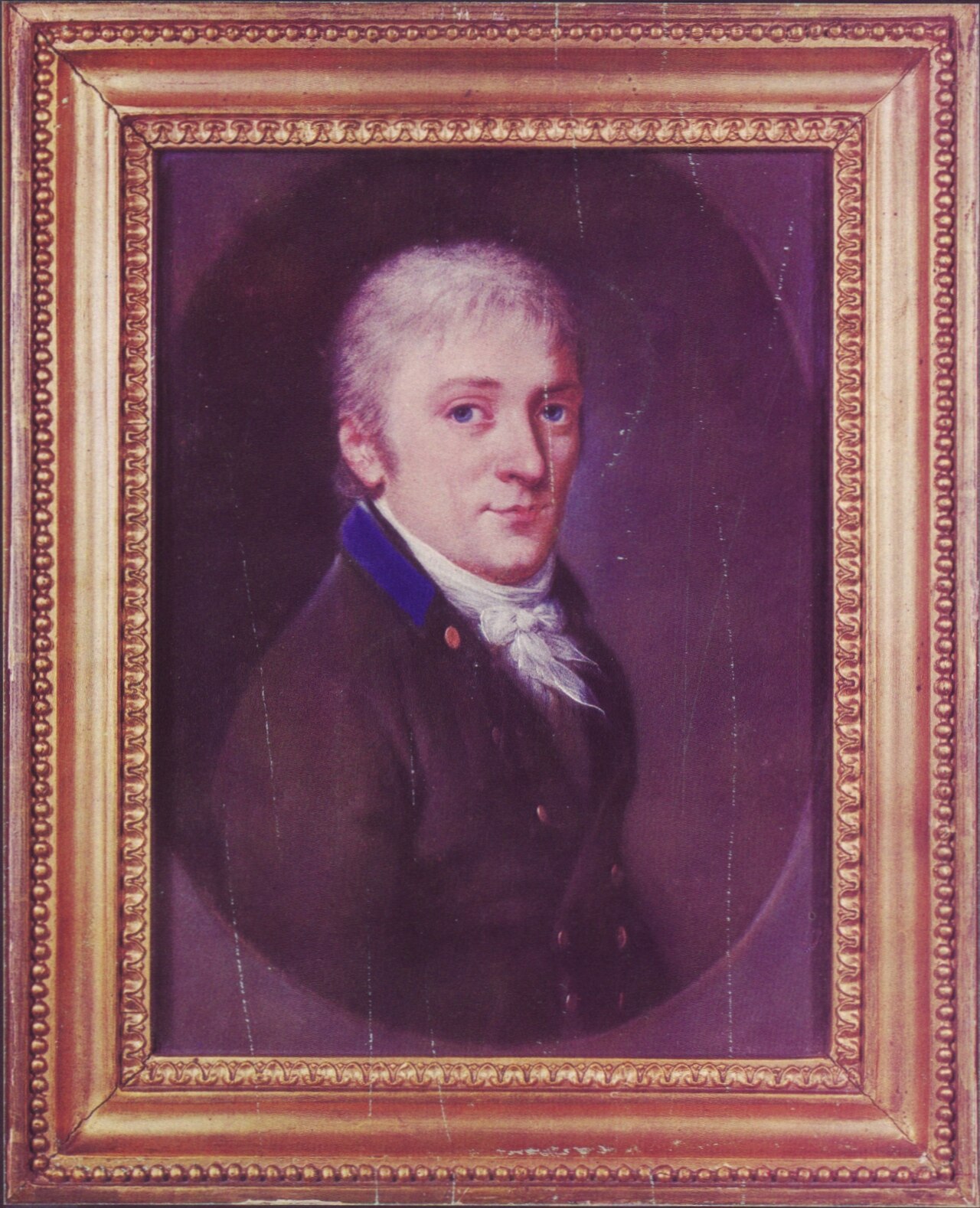
Primary source
Portrait of Gauss by Johann Christian August Schwartz
Johann Christian August Schwartz · 1803
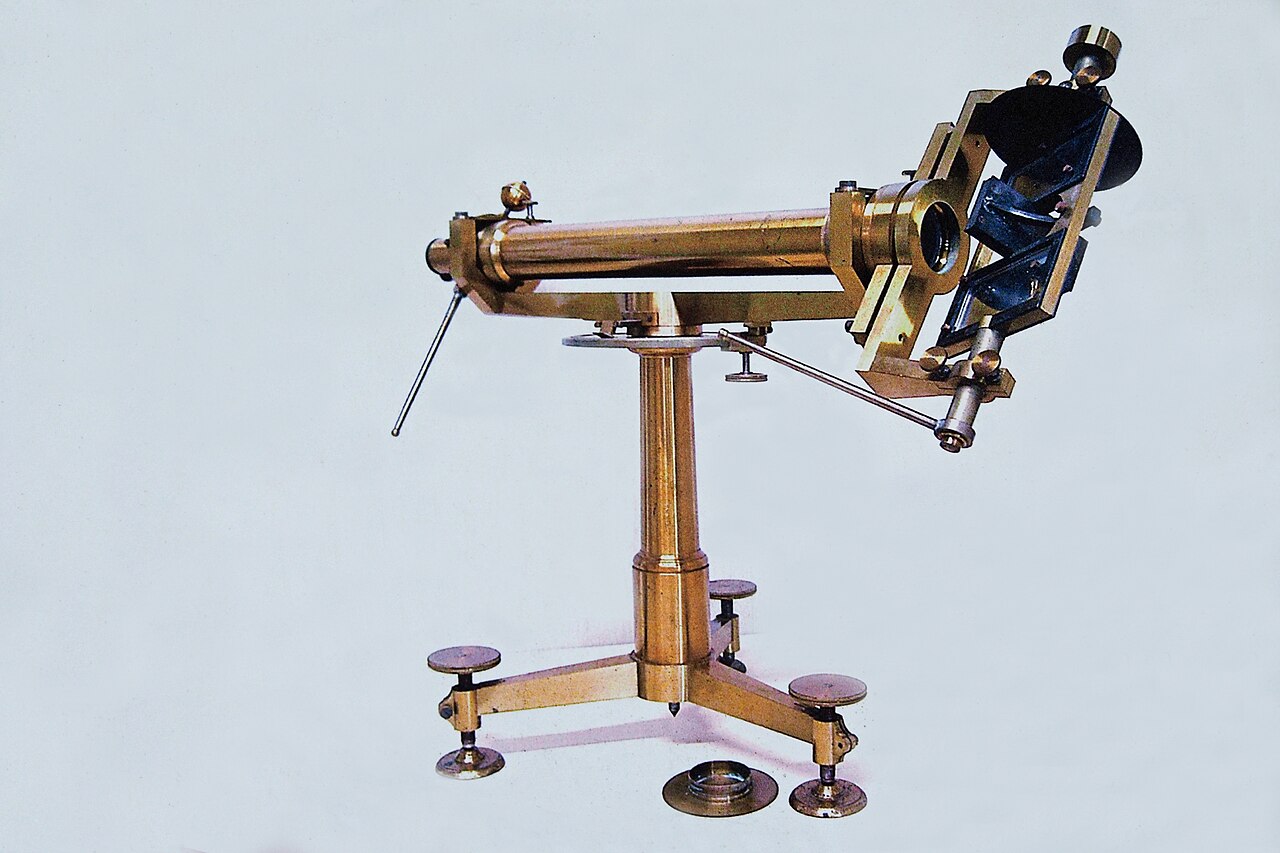
 Artifact
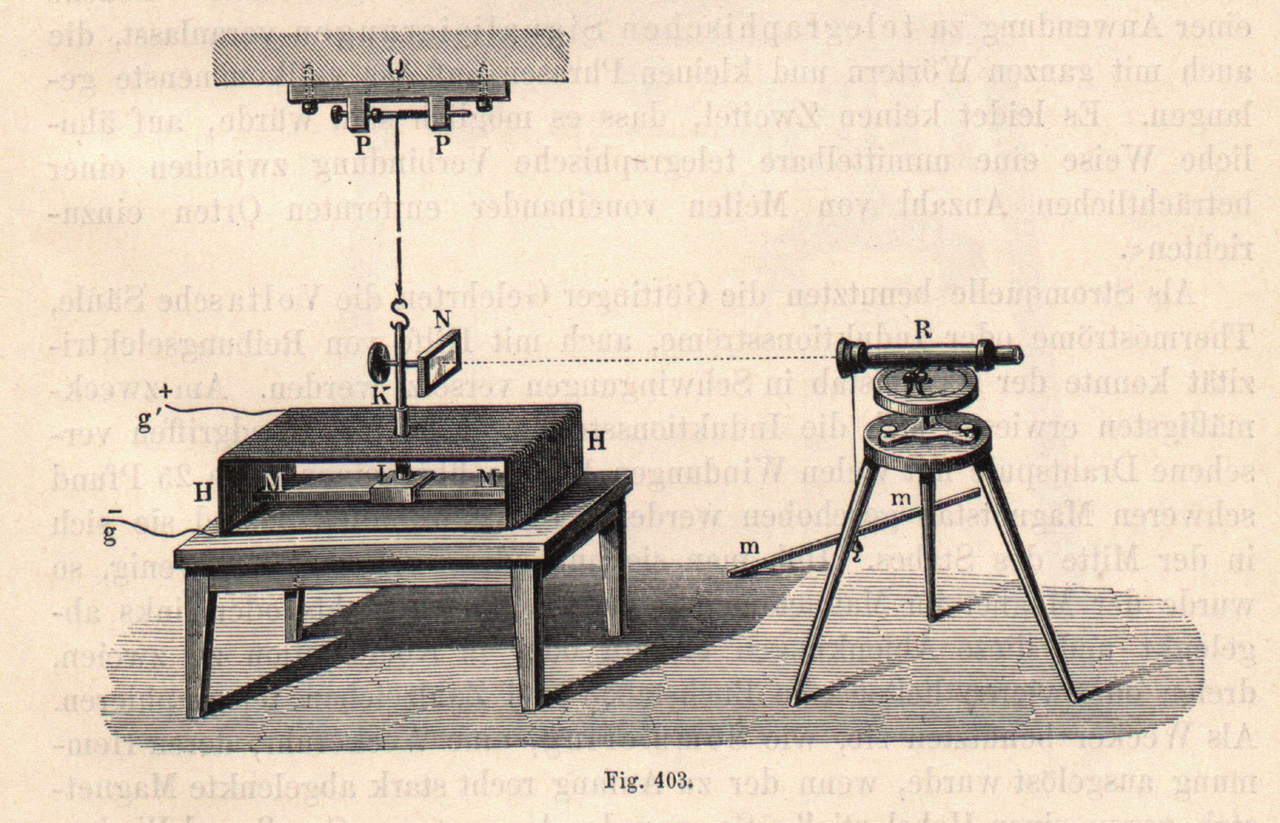
Secondary source
Illustration of a Magnetometer Used by Gauss
1899
Free account
Read every Carl Friedrich Gauss source
Sign up free →
Ready when you are
Start chatting with Carl Friedrich Gauss now.
20 messages free · No credit card · Available in 50+ languages.