


Primary sourcePaintingca. 1859-60
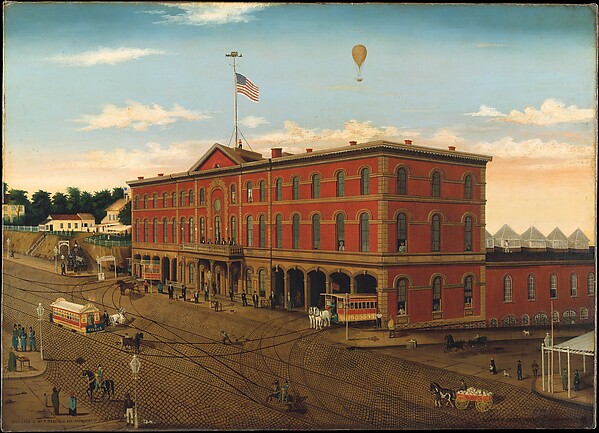
The Third Avenue Railroad Depot
William H. Schenck · ca. 1859-60
An oil painting of a New York railroad depot from around 1859-60, depicting the city's rail infrastructure during Vanderbilt's rise.
Depicts a New York railroad depot from the era just before Cornelius Vanderbilt's railroad consolidation.
About this source
What it is
This oil painting was made by William H. Schenck around 1859-60 and shows a large brick railroad depot building on Third Avenue in New York, with streetcars, carriages, and pedestrians in front. It is held by The Metropolitan Museum of Art.
Why it matters
The painting captures New York's bustling rail and street transit scene just before Cornelius Vanderbilt began his major takeover of the city's railroads, offering a glimpse of the urban world his business empire would soon dominate.
Look closer
- What details suggest this depot was a busy, important place in the city?
- Why might an artist choose to include a hot air balloon in the sky above a railroad scene?
- What does the painting leave out about who worked at or used this depot?
This painting is part of the curated material that grounds the AI version of Cornelius Vanderbilt on Humy.ai — when students ask about related events, the AI can quote it and cite it.
More Cornelius Vanderbilt sources
Meet the AI Cornelius Vanderbilt →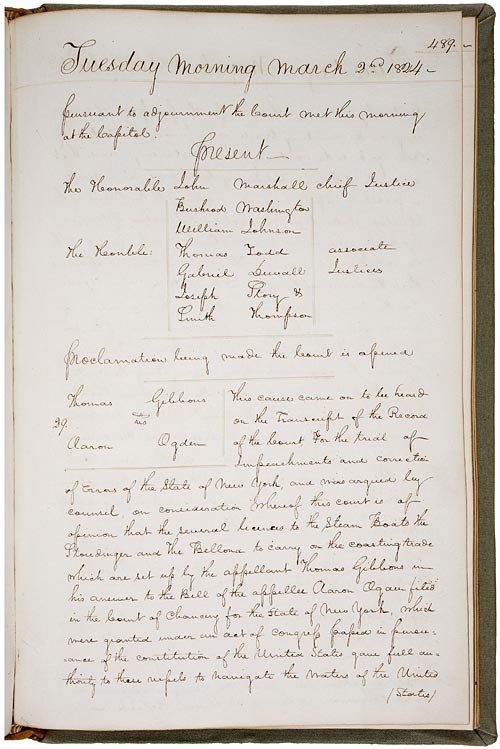 Document
Primary source
Gibbons v. Ogden
John Marshall · 1824
 Painting
Secondary source
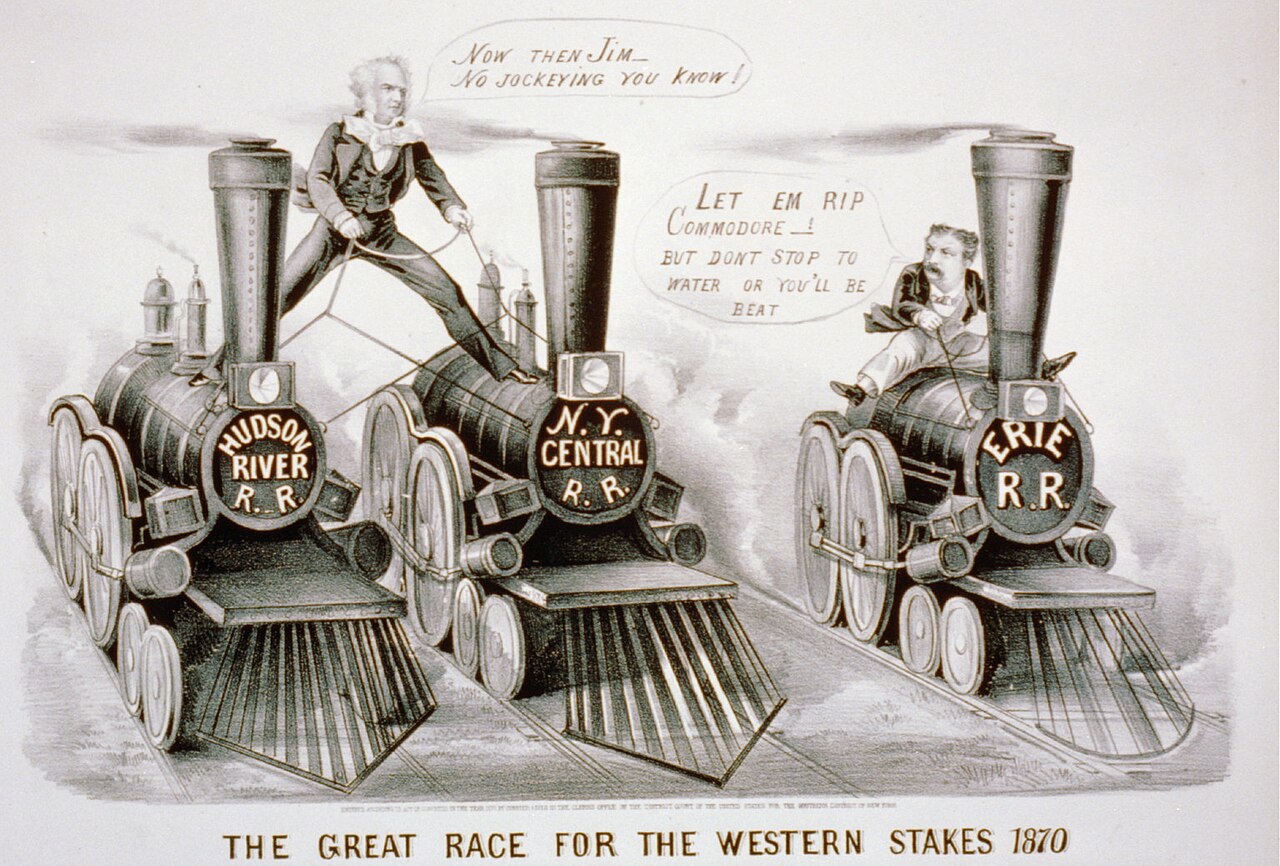
The Great Race for the Western Stakes
Currier and Ives · 1870
 Photograph
Primary source
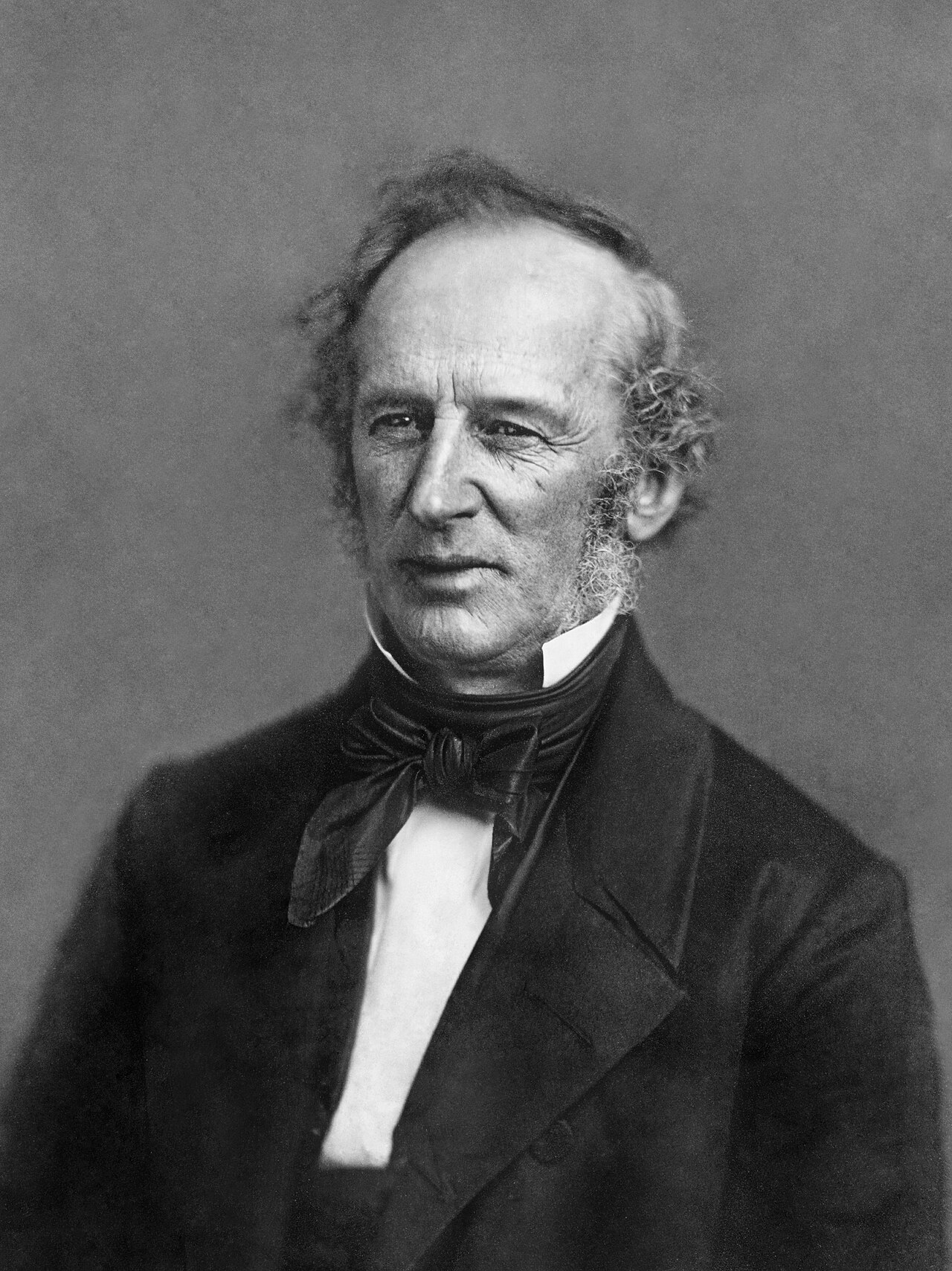
Portrait of Cornelius Vanderbilt
Mathew Brady studio
 Painting
Primary source
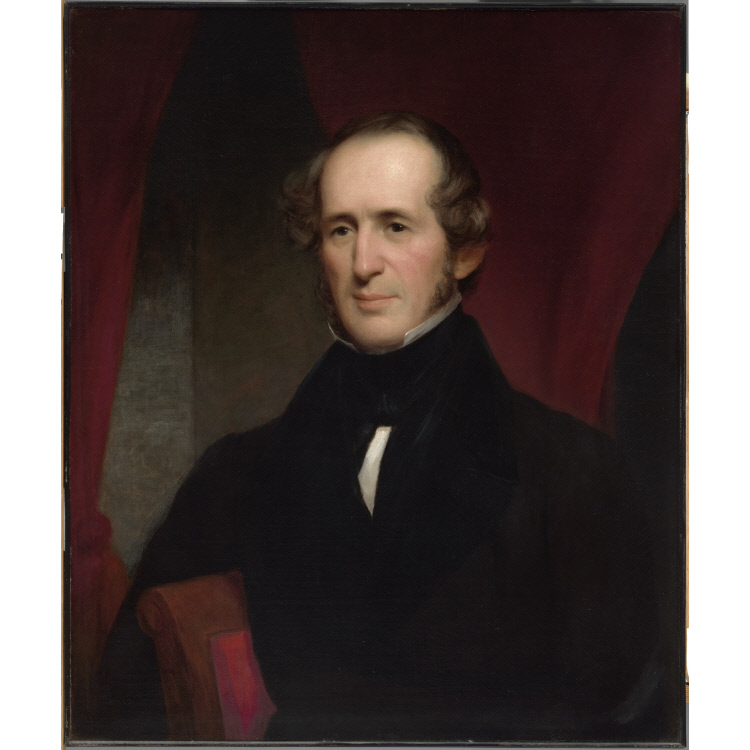
Cornelius Vanderbilt
Nathaniel Jocelyn · 1846
 Artifact
Primary source
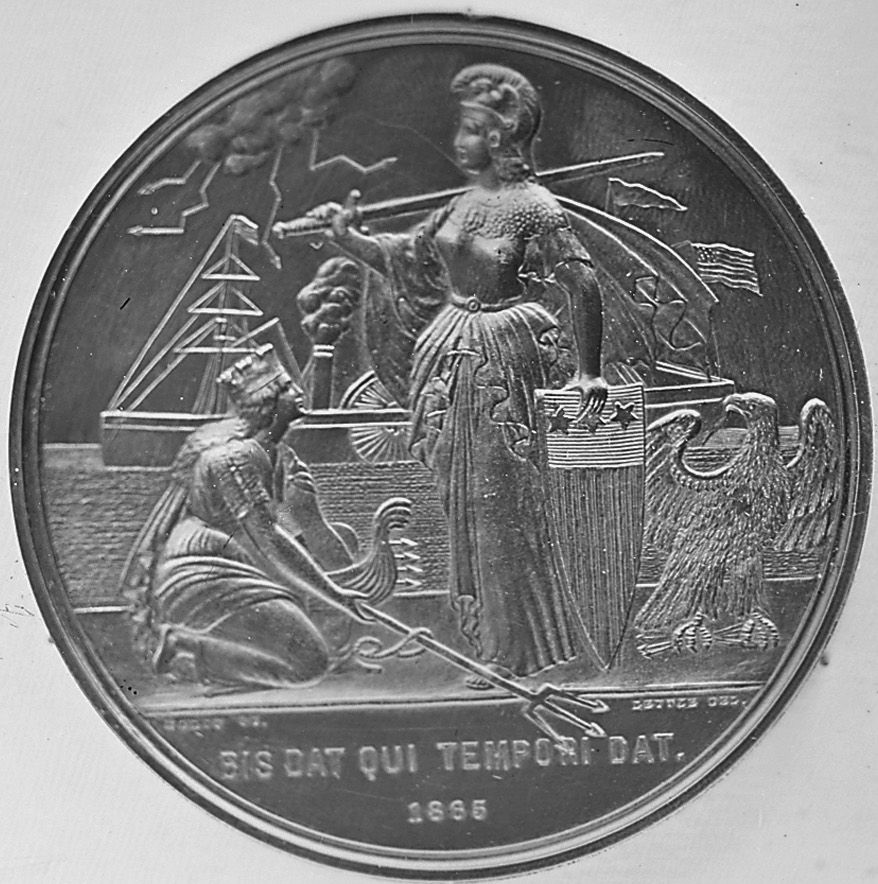
Cornelius Vanderbilt Medal
United States Mint · 1865
Ready when you are
Start chatting with Cornelius Vanderbilt now.
20 messages free · No credit card · Available in 50+ languages.