


Primary sourcePainting1653
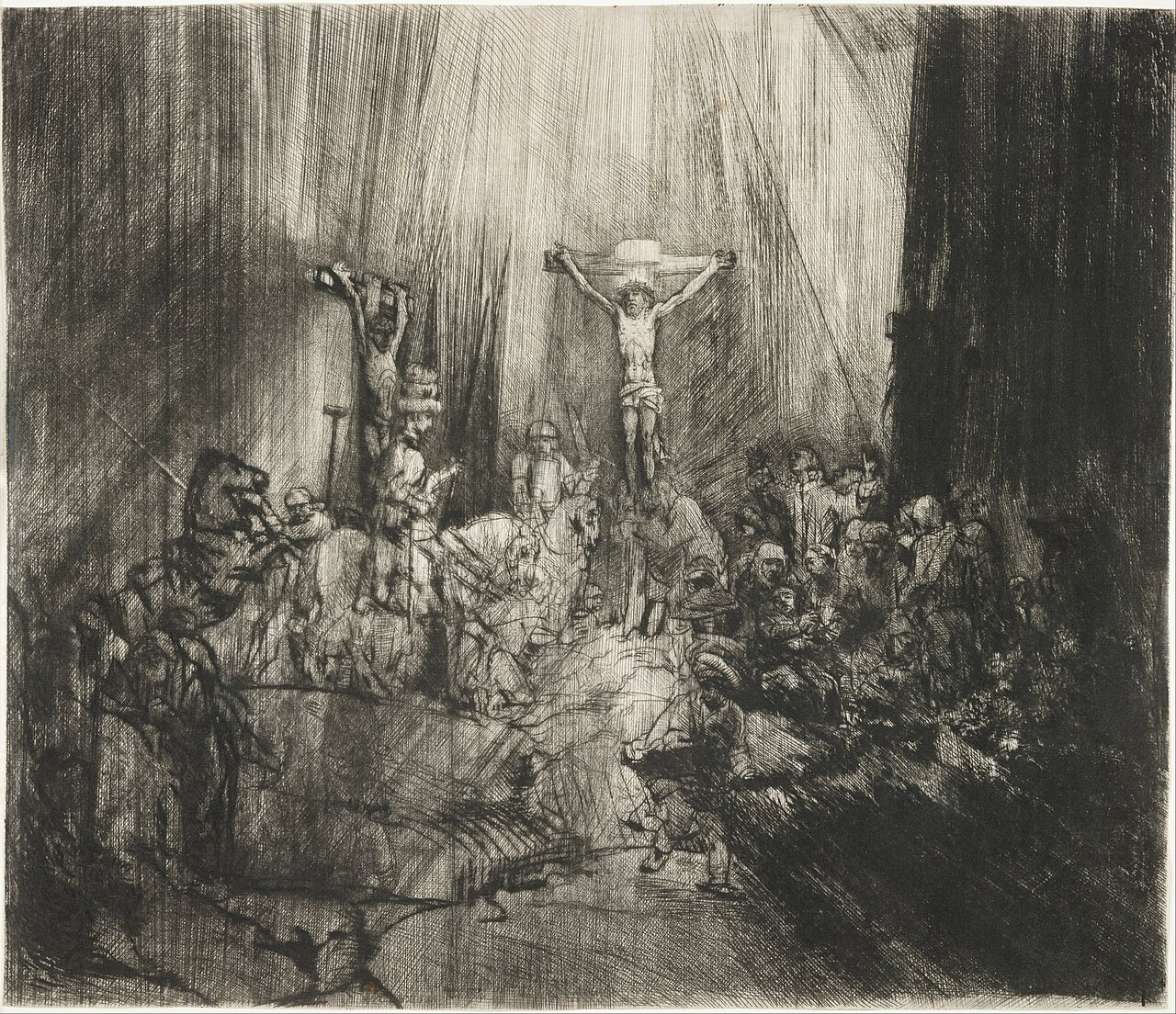
The Three Crosses
Rembrandt · 1653
An etching and drypoint print by Rembrandt depicting the crucifixion of Christ, reworked across several states over a decade.
Rembrandt created and continually reworked this print himself, showing his personal artistic process.
About this source
What it is
This is a print made by Rembrandt van Rijn in 1653 using etching and drypoint, techniques where lines are cut or bitten into a metal plate before printing. It shows Christ crucified between two thieves, surrounded by Roman soldiers, grieving onlookers, and Mary supported by the Evangelist. A version from a later state is held by the Mildred Lane Kemper Art Museum.
Why it matters
Rembrandt reworked the copper plate repeatedly over about ten years, darkening the scene and changing details each time. The print shows how he treated printmaking not as a one-time act but as an ongoing process of invention, and reveals his deep engagement with biblical subjects—this is one of over 300 works he made inspired by scripture.
Look closer
- How does the use of light and dark direct your eye to Christ?
- Why might an artist keep changing a finished print instead of leaving it alone?
- What do the reactions of the surrounding crowd and soldiers add to the scene?
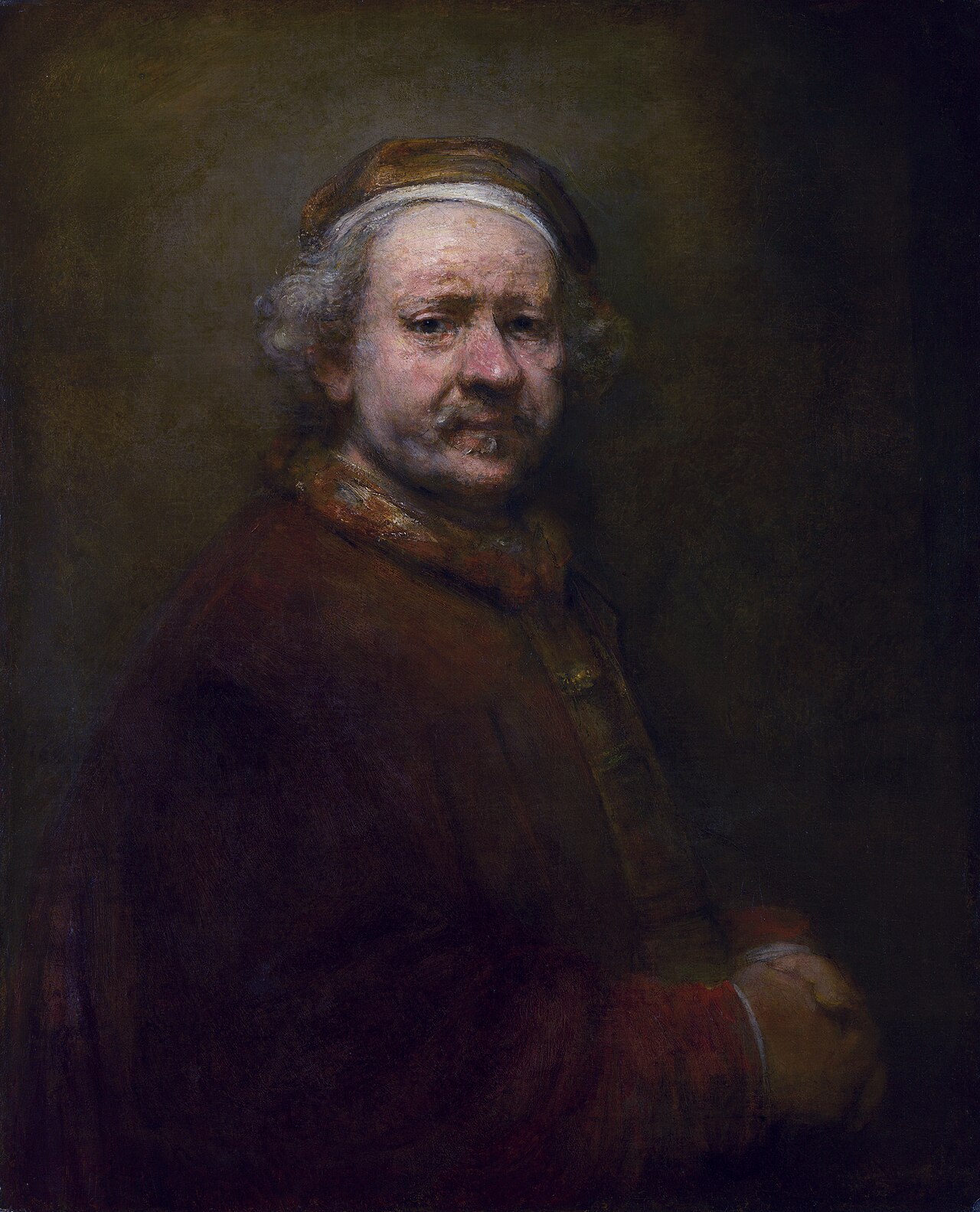
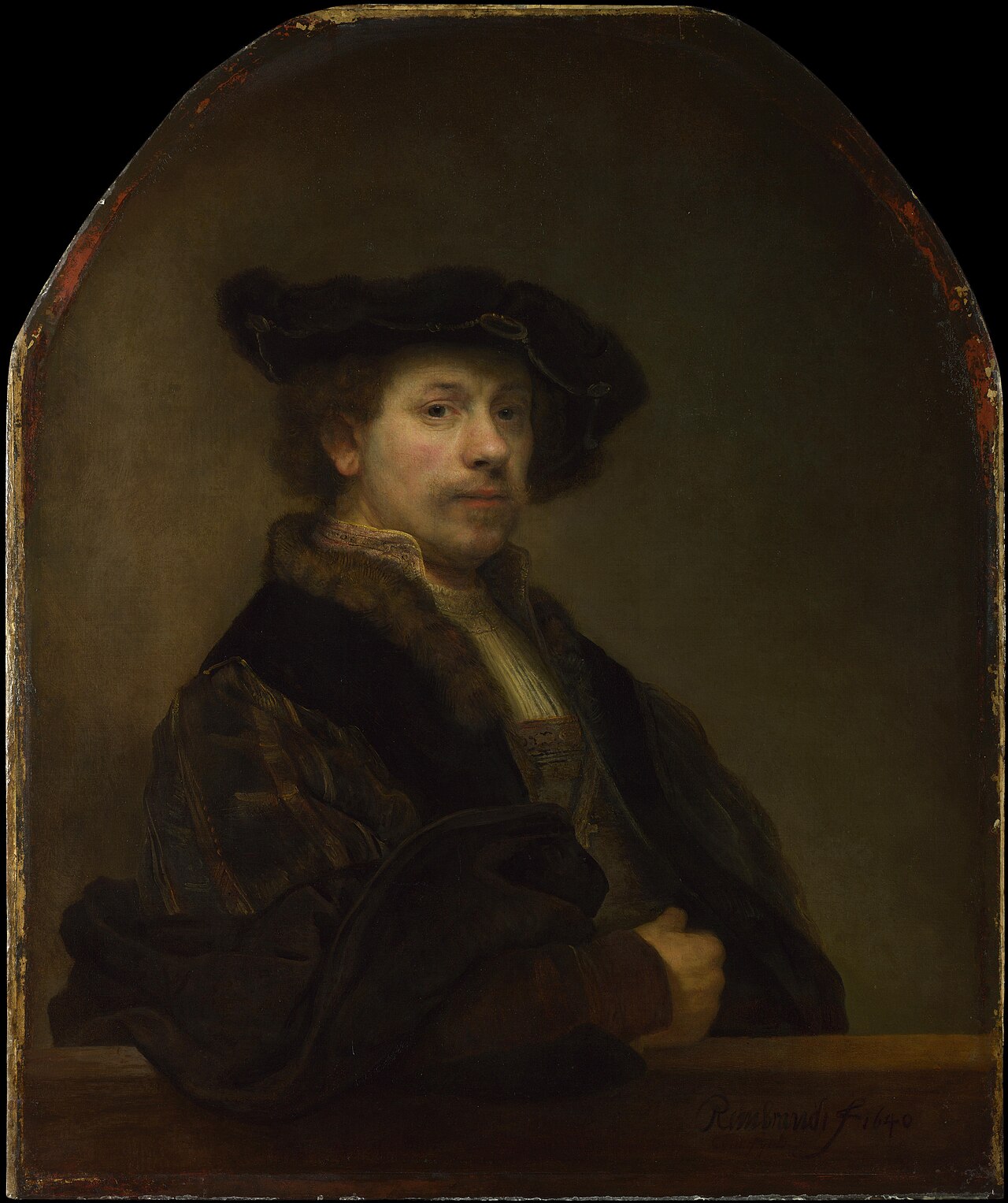
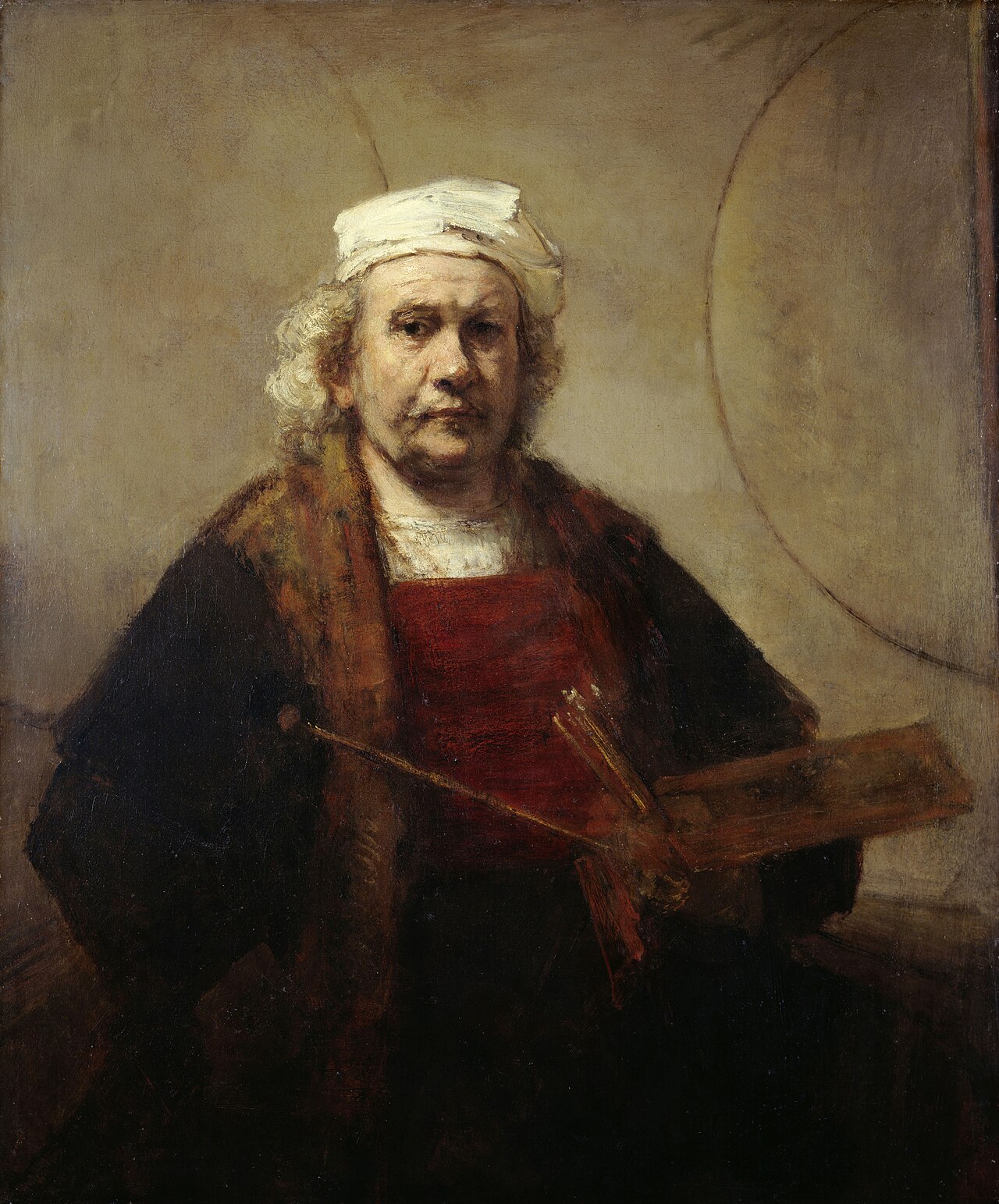
This painting is part of the curated material that grounds the AI version of Rembrandt on Humy.ai — when students ask about related events, the AI can quote it and cite it.
More Rembrandt sources
Browse all 96 →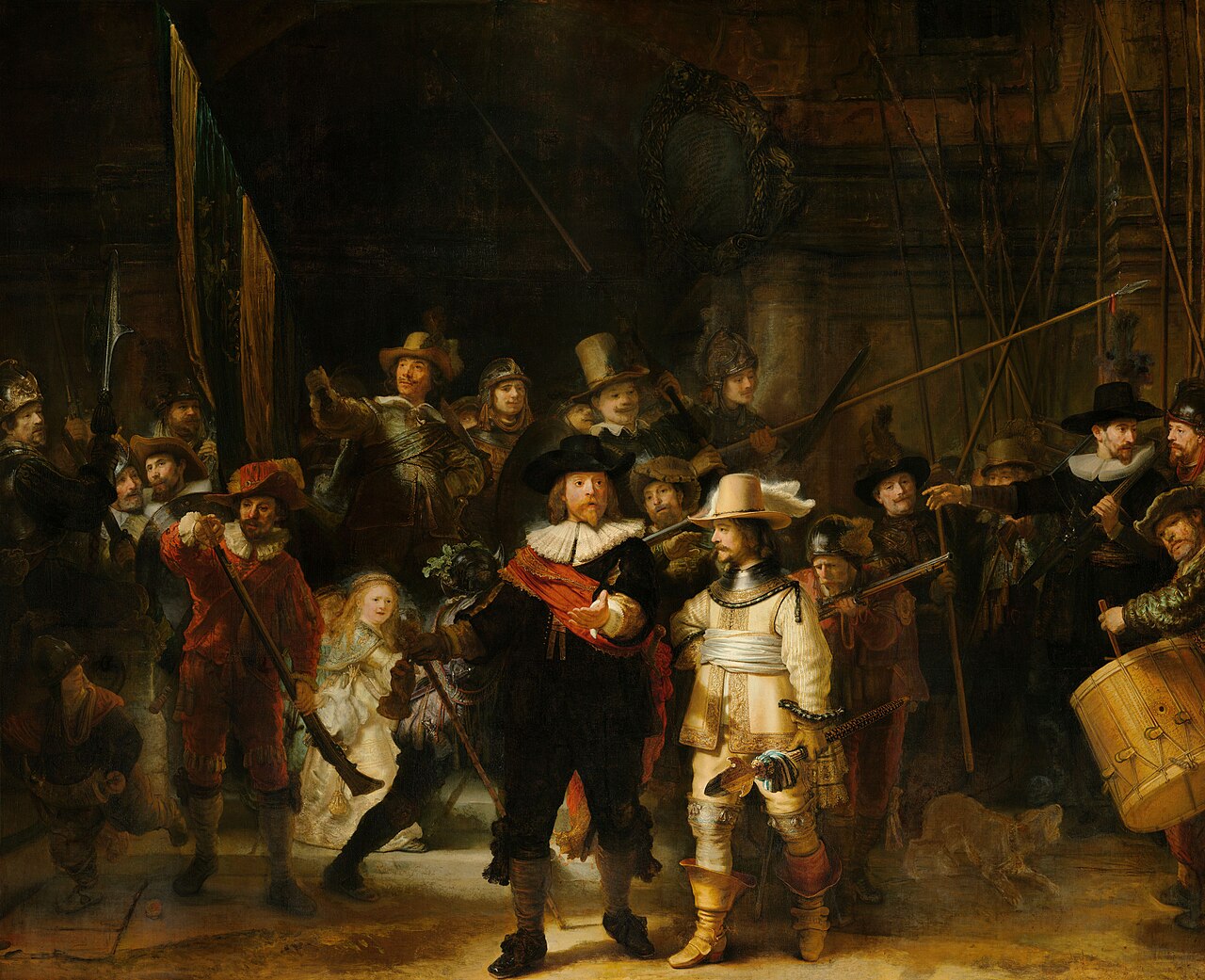 Painting
Primary source
The Night Watch
Rembrandt · 1642
 Painting
Primary source
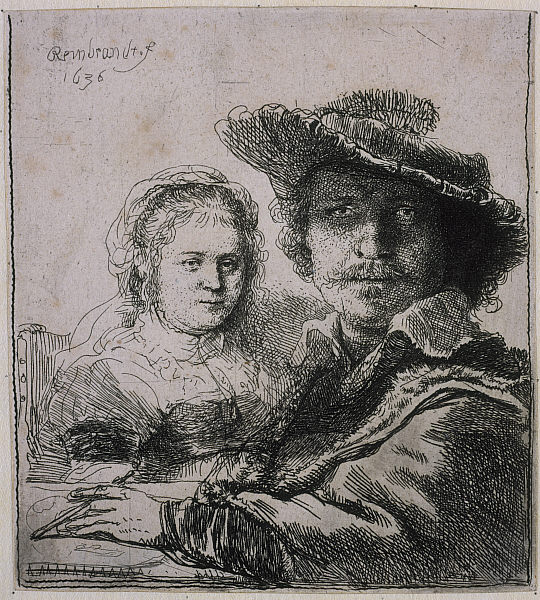
Self-Portrait with Saskia
Rembrandt van Rijn · 1636
 Painting
Secondary source
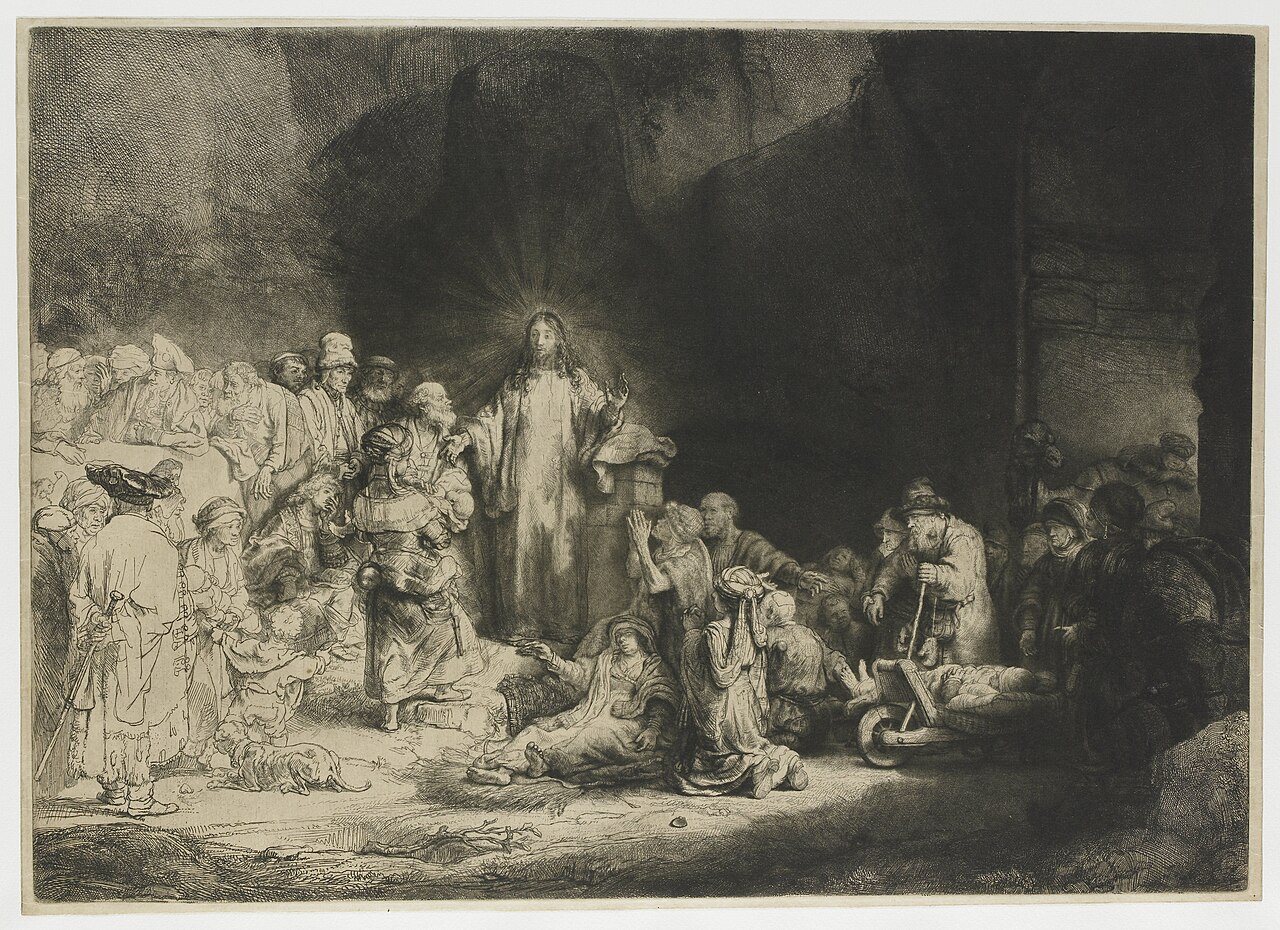
Christ Healing the Sick (Hundred Guilder Print)
Rembrandt · c. 1647-1649
 Painting
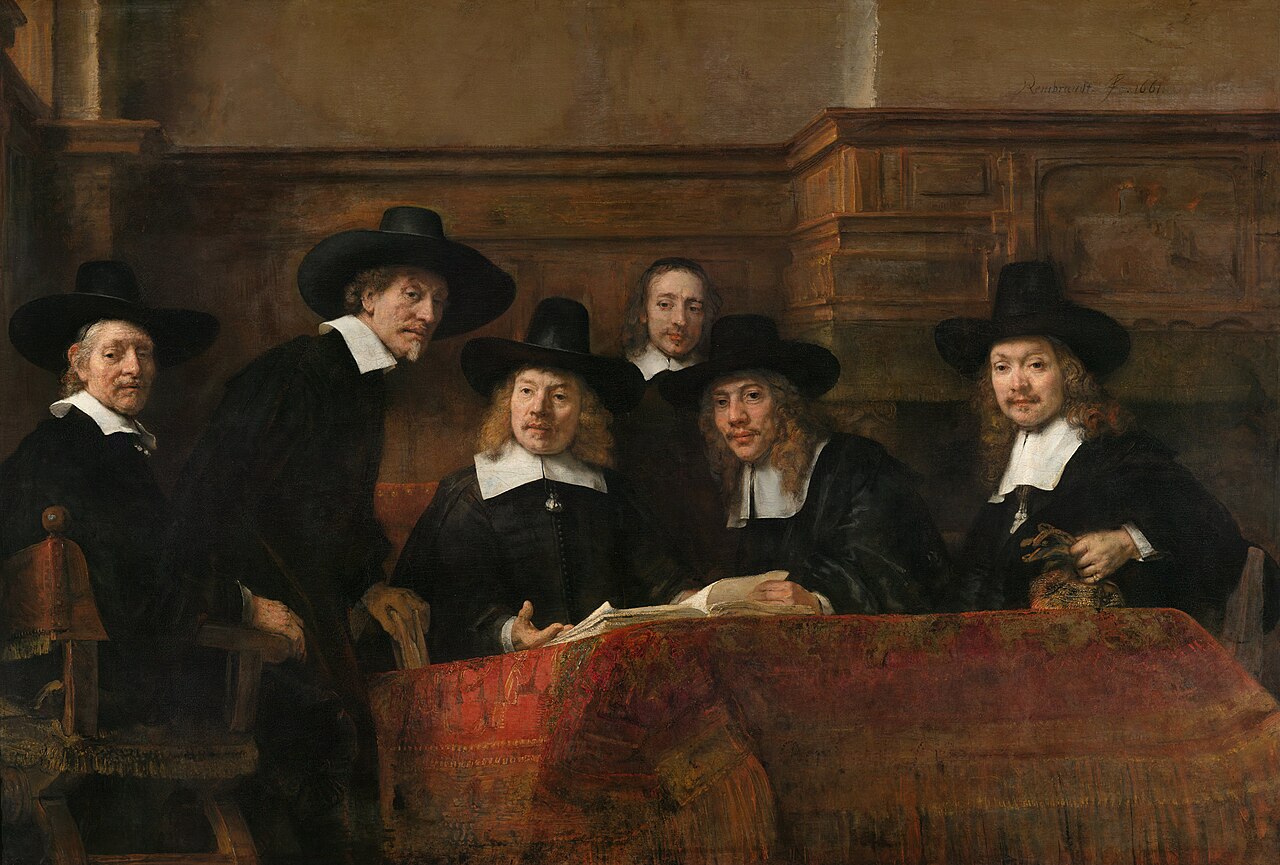
Primary source
Syndics of the Drapers' Guild
Rembrandt · 1662
Free account
Read every Rembrandt source
Sign up free →
Ready when you are
Start chatting with Rembrandt now.
20 messages free · No credit card · Available in 50+ languages.