


Primary sourcePainting1822
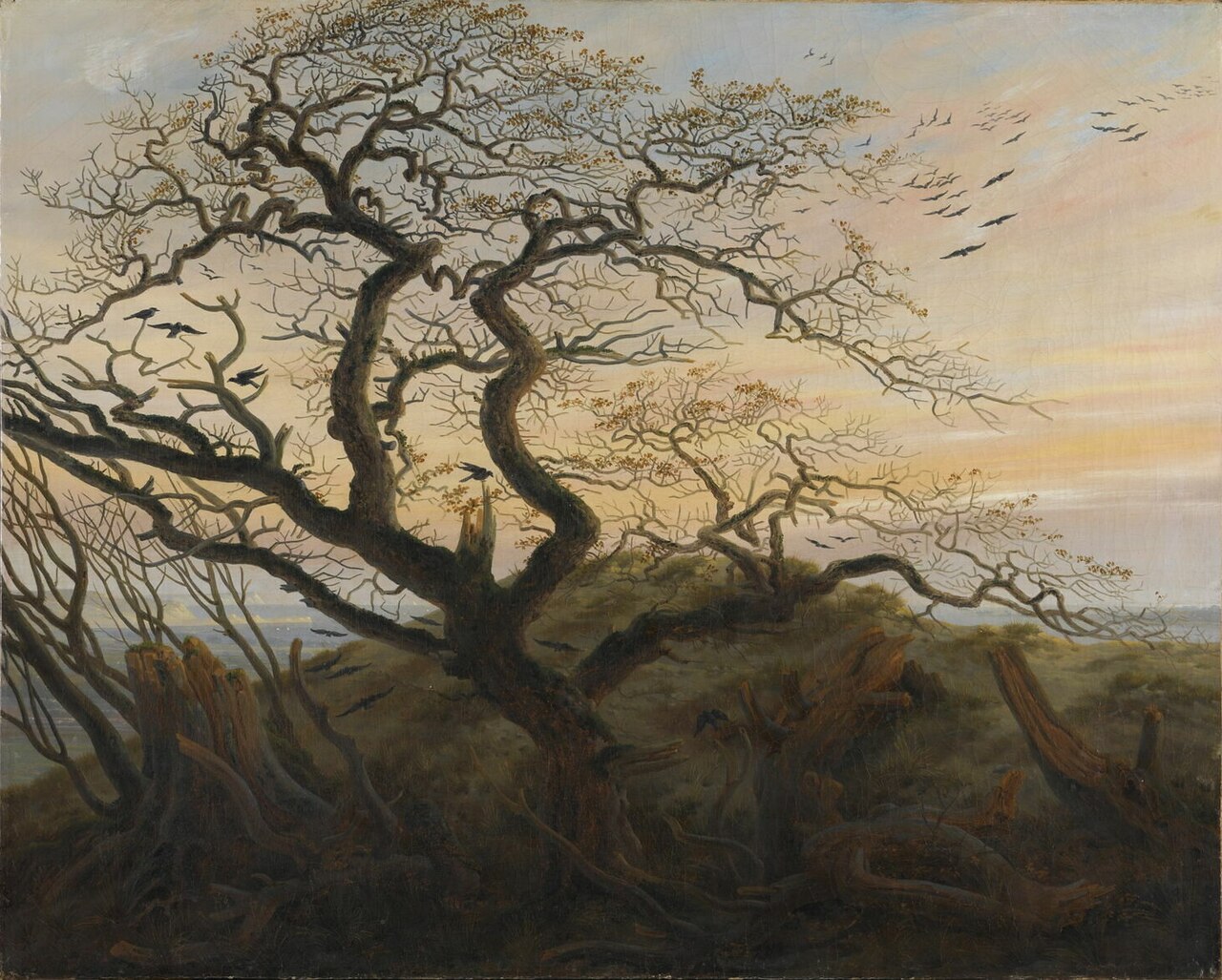
The Tree of Crows
Caspar David Friedrich · 1822
A painting by Caspar David Friedrich of a twisted oak over an ancient burial mound, with crows gathering at dusk.
One of Friedrich's own paintings, showing his mature imagery of death, ancient burial mounds and the northern landscape.
About this source
What it is
An oil painting made by Caspar David Friedrich in 1822. It was the Louvre's first work by Friedrich to enter its collection and is now held there.
Why it matters
The painting shows a bare, twisted oak above a Hünengrab, a prehistoric burial mound, with crows settling into its branches as the sky darkens. It brings together Friedrich's recurring interests in death, pagan antiquity and the northern German landscape he knew from the Baltic coast. Critics see the dark foreground as death and the glowing sky beyond as a promise of redemption, reflecting the religious undercurrent in much of Friedrich's work.
Look closer
- What feeling does the shape of the tree create, and why might the artist have exaggerated its branches?
- Why combine a prehistoric burial site with a dying tree and crows?
- What does the distant glowing sky suggest, compared to the dark foreground?
This painting is part of the curated material that grounds the AI version of Caspar David Friedrich on Humy.ai — when students ask about related events, the AI can quote it and cite it.
More Caspar David Friedrich sources
Browse all 89 →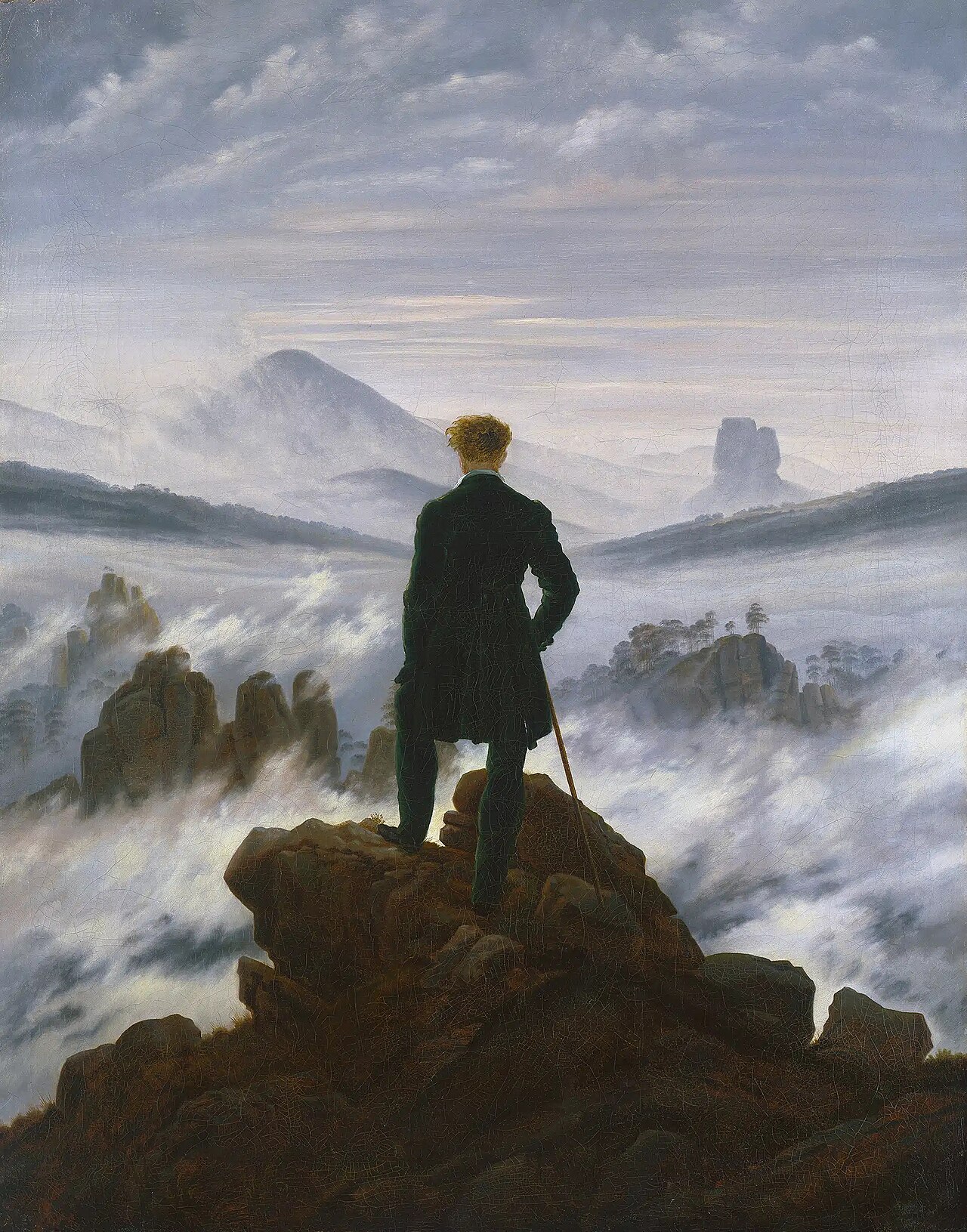 Painting
Primary source
Wanderer above the Sea of Fog
Caspar David Friedrich · 1818
 Painting
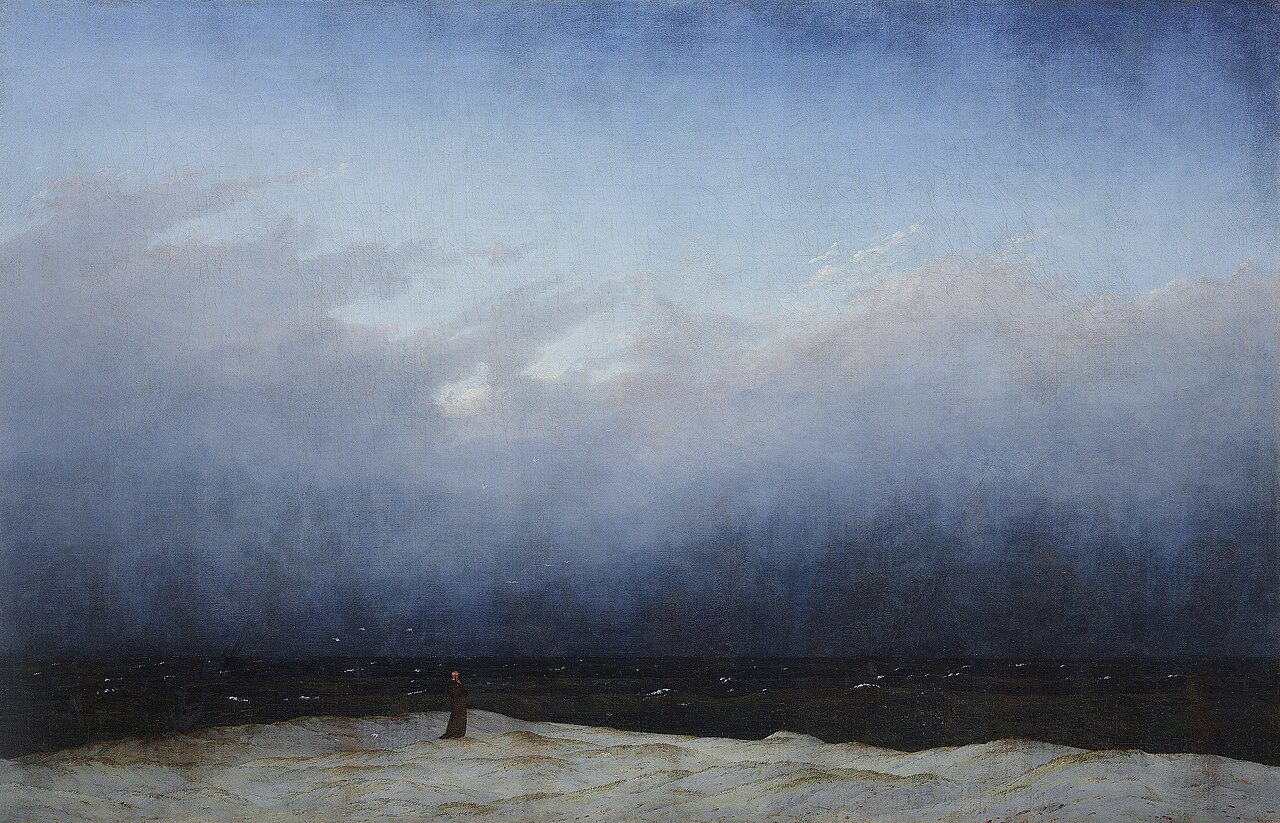
Primary source
The Monk by the Sea
Caspar David Friedrich · c. 1808-1810
 Painting
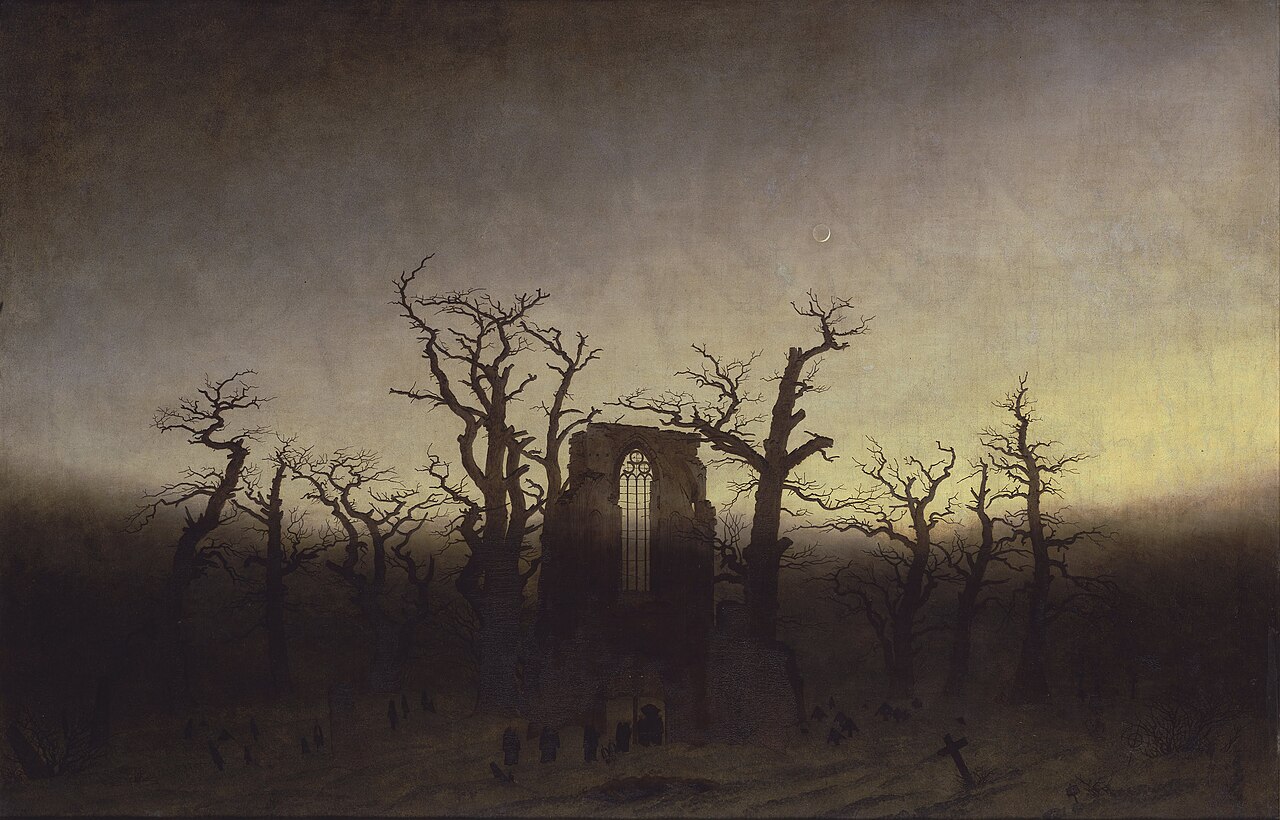
Primary source
The Abbey in the Oakwood
Caspar David Friedrich · c. 1809-1810
 Painting
Primary source
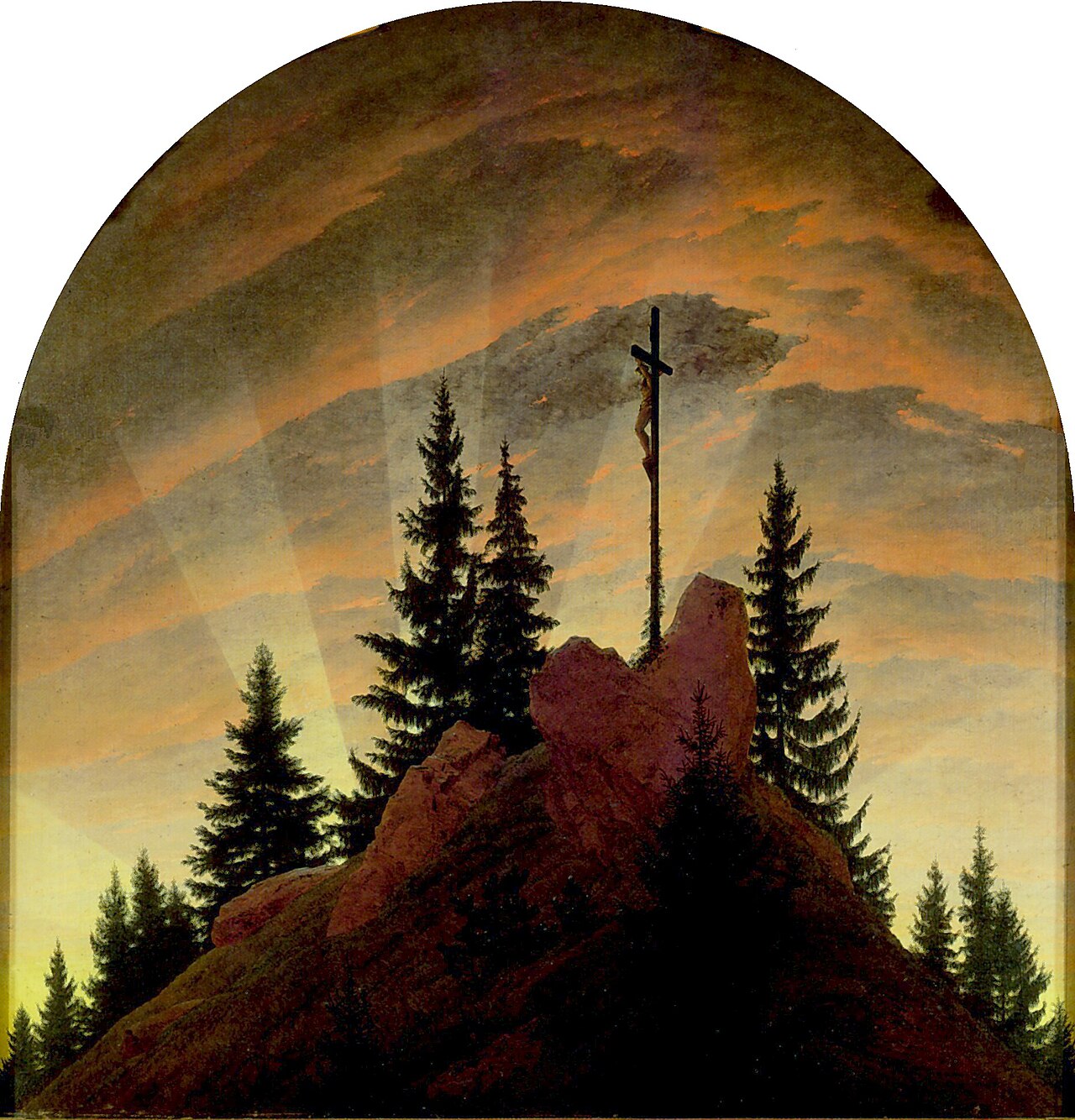
Cross in the Mountains (Tetschen Altar)
Caspar David Friedrich · c. 1807-1808
Free account
Read every Caspar David Friedrich source
Sign up free →
Ready when you are
Start chatting with Caspar David Friedrich now.
20 messages free · No credit card · Available in 50+ languages.