


Secondary sourcePaintingc. 1530
The Triumph of Scipio
Master of the Die · c. 1530
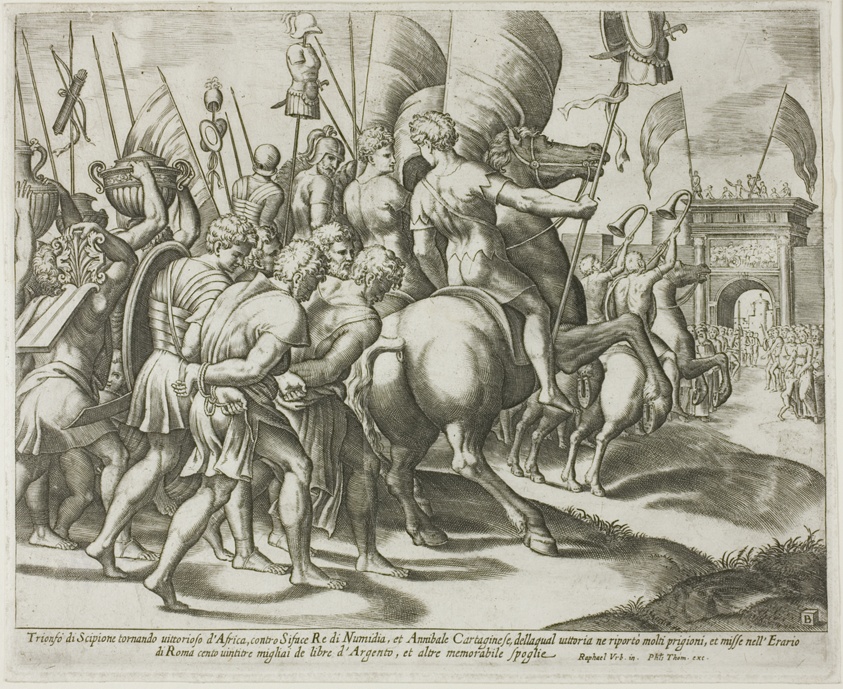
A c. 1530 Italian engraving of a Roman triumph, a procession celebrating a victorious general. It shows bound captives and is printed with an Italian caption.
The engraving depicts Scipio's triumphal procession, showing how a later printmaker imagined his victory parade.
About this source
What it is
This is an engraving printed in black on paper, made around 1530 by the Master of the Die, an Italian printmaker active between about 1530 and 1560. It shows a Roman triumph. A mounted rider with a spear leads a procession of bound captives, some with their arms tied behind them. Banners, standards and a tall shield rise on the left, while an arch and a crowd of onlookers appear at the right. Italian caption text runs along the bottom edge, with a monogram at lower right. The Art Institute of Chicago holds the print.
Why it matters
The print shows Scipio's triumphal procession, the parade held to celebrate a victorious Roman commander. It was made about 1,700 years after Scipio Africanus died in 183 BCE, so it reflects how Renaissance printmakers imagined ancient Rome. The bound captives show the defeated people who were paraded for the crowd, a reminder of the violence behind the celebration.
Look closer
- Who leads the procession, and who is shown as bound, and what does this contrast suggest?
- Who are the onlookers, and why might the printmaker include them?
- What does the Italian caption say, and who would have been able to read it?
This painting is part of the curated material that grounds the AI version of Scipio Africanus on Humy.ai — when students ask about related events, the AI can quote it and cite it.
More Scipio Africanus sources
Browse all 94 →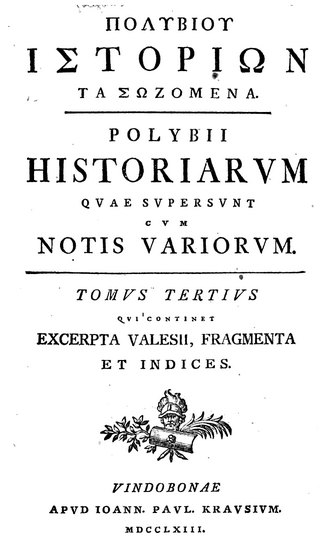 Book
Secondary source
The Histories
Polybius · c. 150 BCE
 Book
Primary source
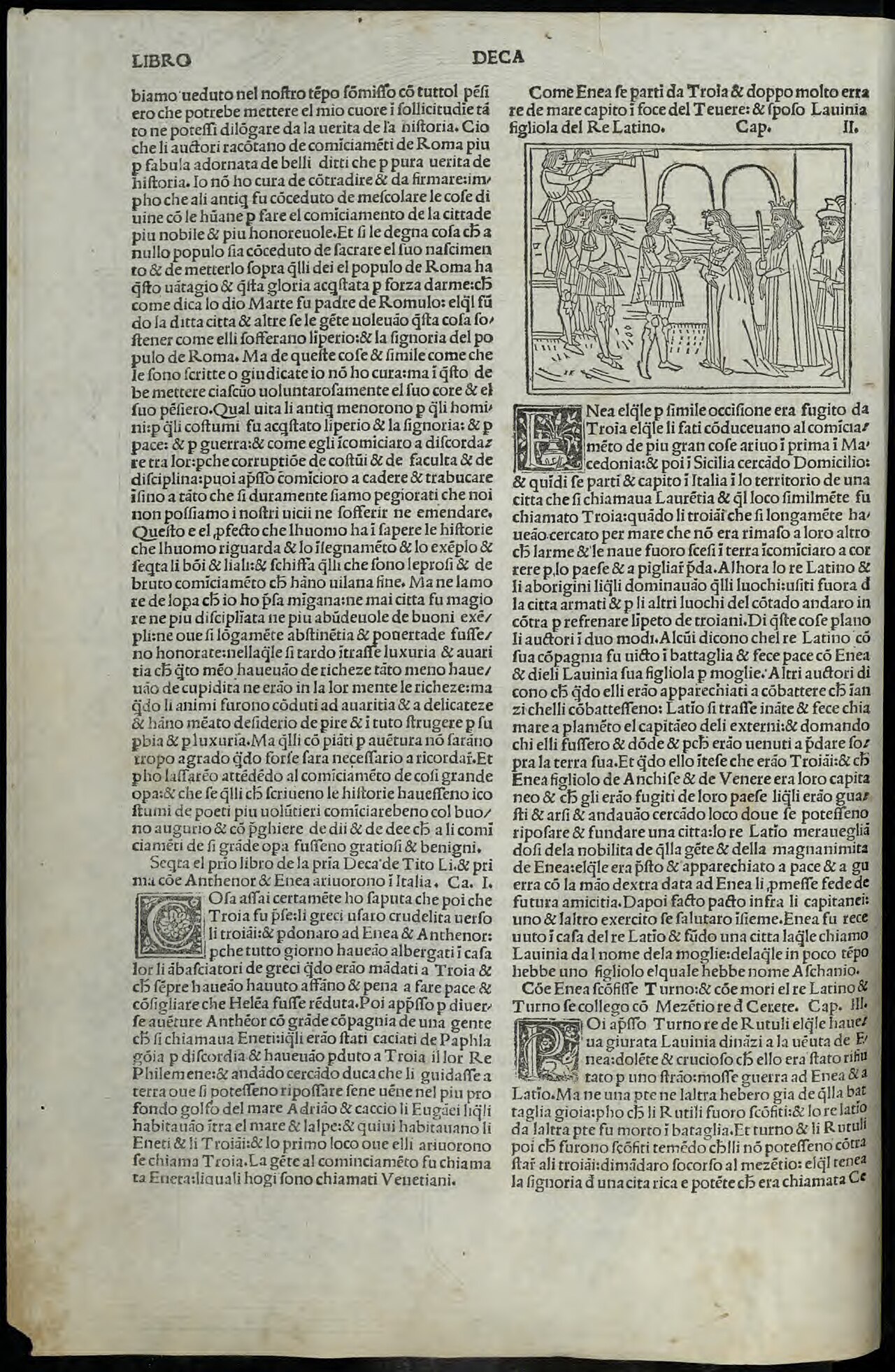
History of Rome
Titus Livius · 27-9 BC
 Book
Secondary source
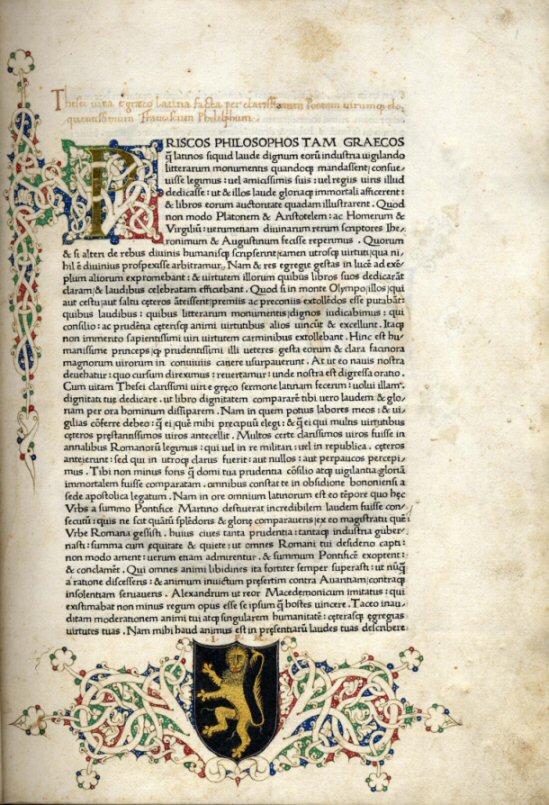
Parallel Lives
Plutarch · c. 100-120 AD
 Letter
Primary source
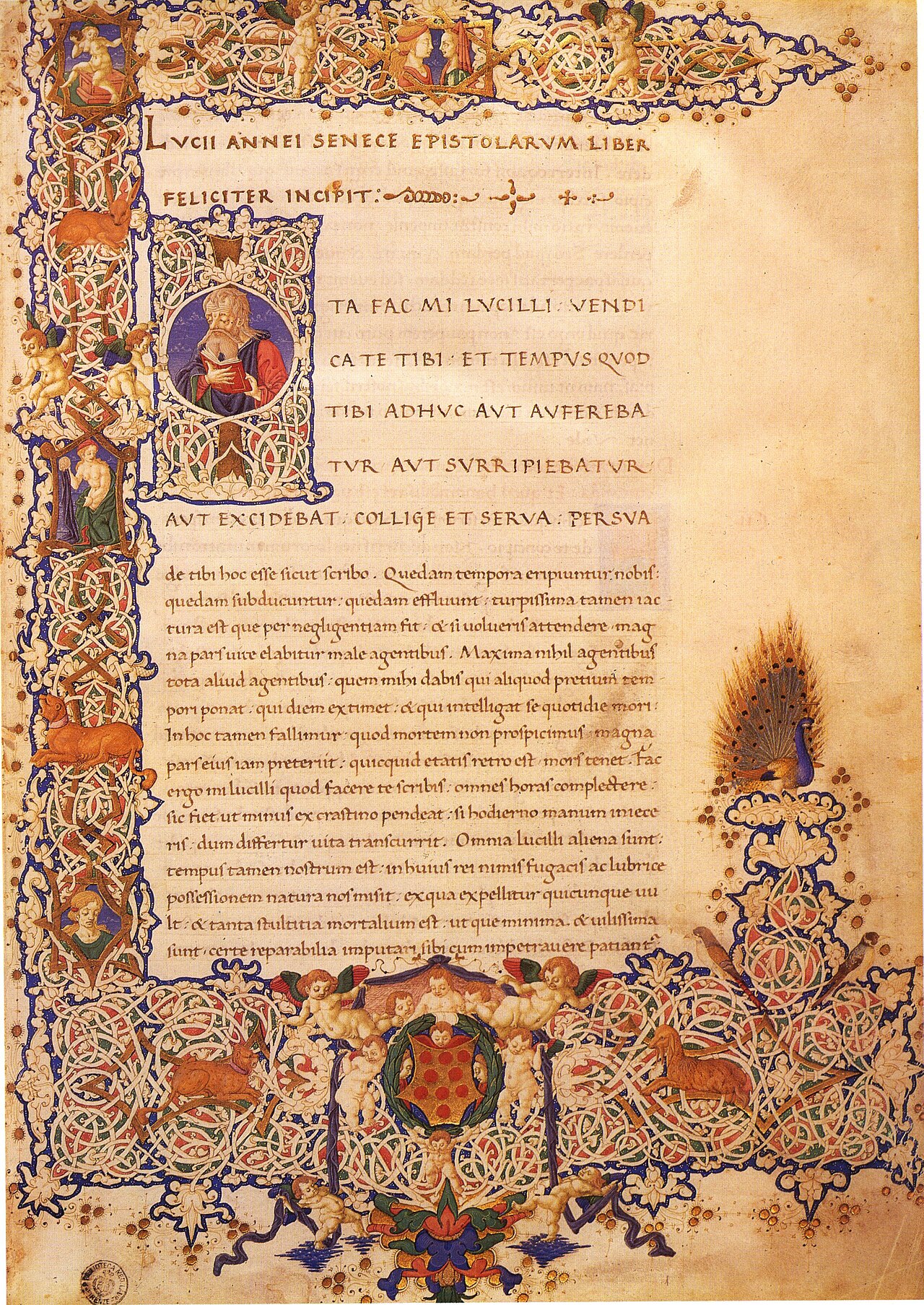
Epistulae Morales ad Lucilium
Seneca · c. 62-65 CE
Free account
Read every Scipio Africanus source
Sign up free →
Ready when you are
Start chatting with Scipio Africanus now.
20 messages free · No credit card · Available in 50+ languages.