


Secondary sourceArtifact
The Triumph of Scipio
Francesco Grue
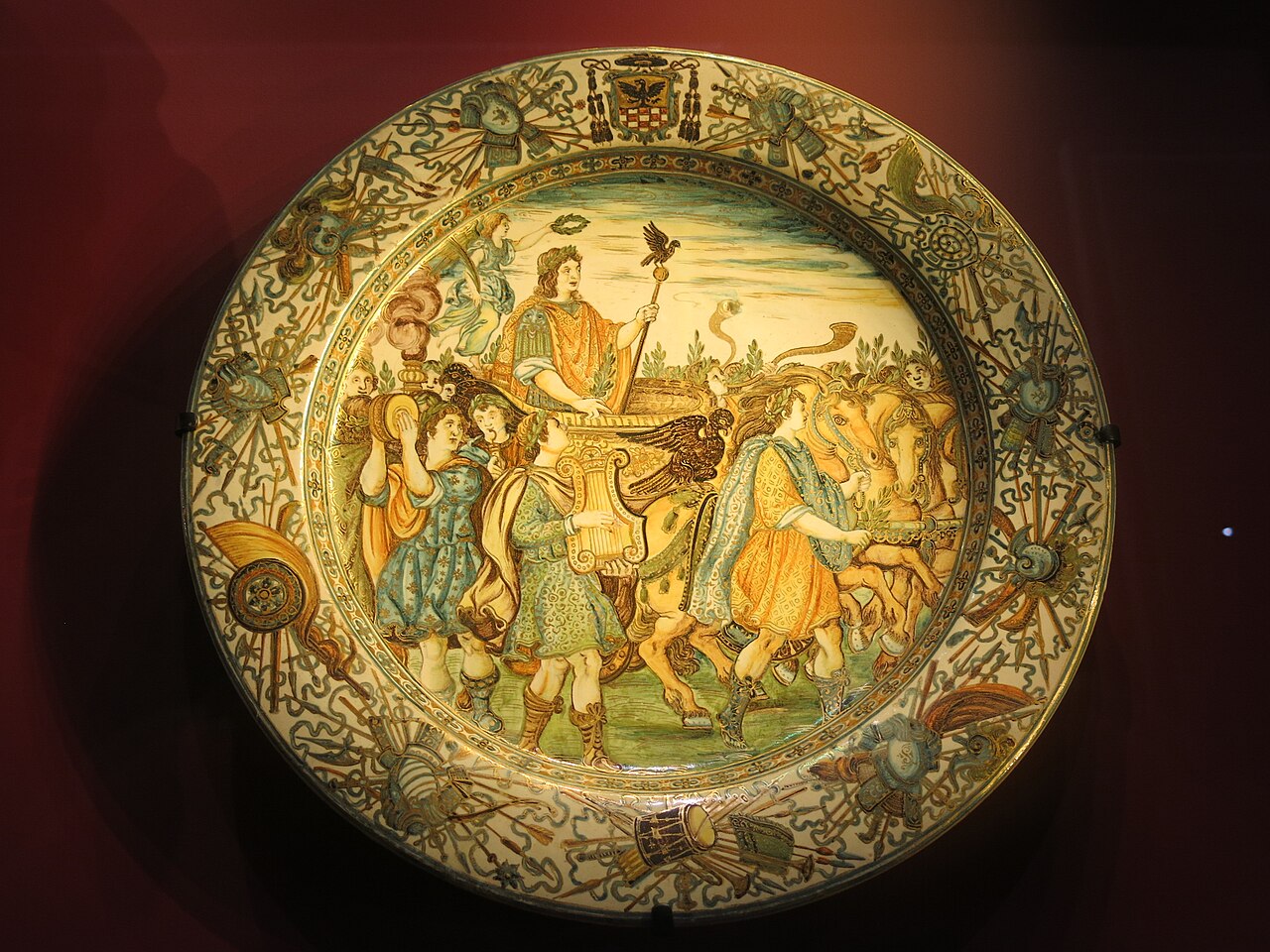
A polychrome faience dish in the Louvre showing Scipio's triumph, attributed to Francesco Grue. It is a later decorative object, not an ancient record.
Shows how the triumph of Scipio Africanus was later turned into decorative art for display.
About this source
What it is
This is a round polychrome faience dish, a type of painted majolica, now held in the Louvre in Paris. Its central scene shows a triumphal procession: a standing figure in a chariot holds a staff with a bird, horses pull the chariot, and musicians play a lyre and drums. Grotesques and armour motifs decorate the rim. The Commons record credits Francesco Grue.
Why it matters
The dish is a later decorative object that shows Scipio's triumph in a Renaissance-style design. It was made to be displayed and used in a household, so it reveals how the story of a Roman general was turned into everyday decoration. It tells us more about the artists and owners who valued the story than about the event itself.
Look closer
- What does the bird on the staff and the musicians suggest about how the triumph is being celebrated?
- Why would a maker decorate a dish with a historical military scene?
- What does the object leave out about the real campaigns and people of Scipio's time?
This artifact is part of the curated material that grounds the AI version of Scipio Africanus on Humy.ai — when students ask about related events, the AI can quote it and cite it.
More Scipio Africanus sources
Browse all 94 →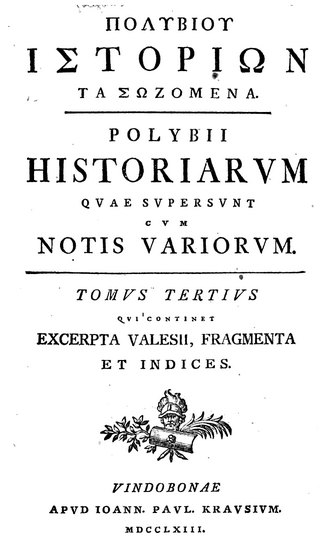 Book
Secondary source
The Histories
Polybius · c. 150 BCE
 Book
Primary source
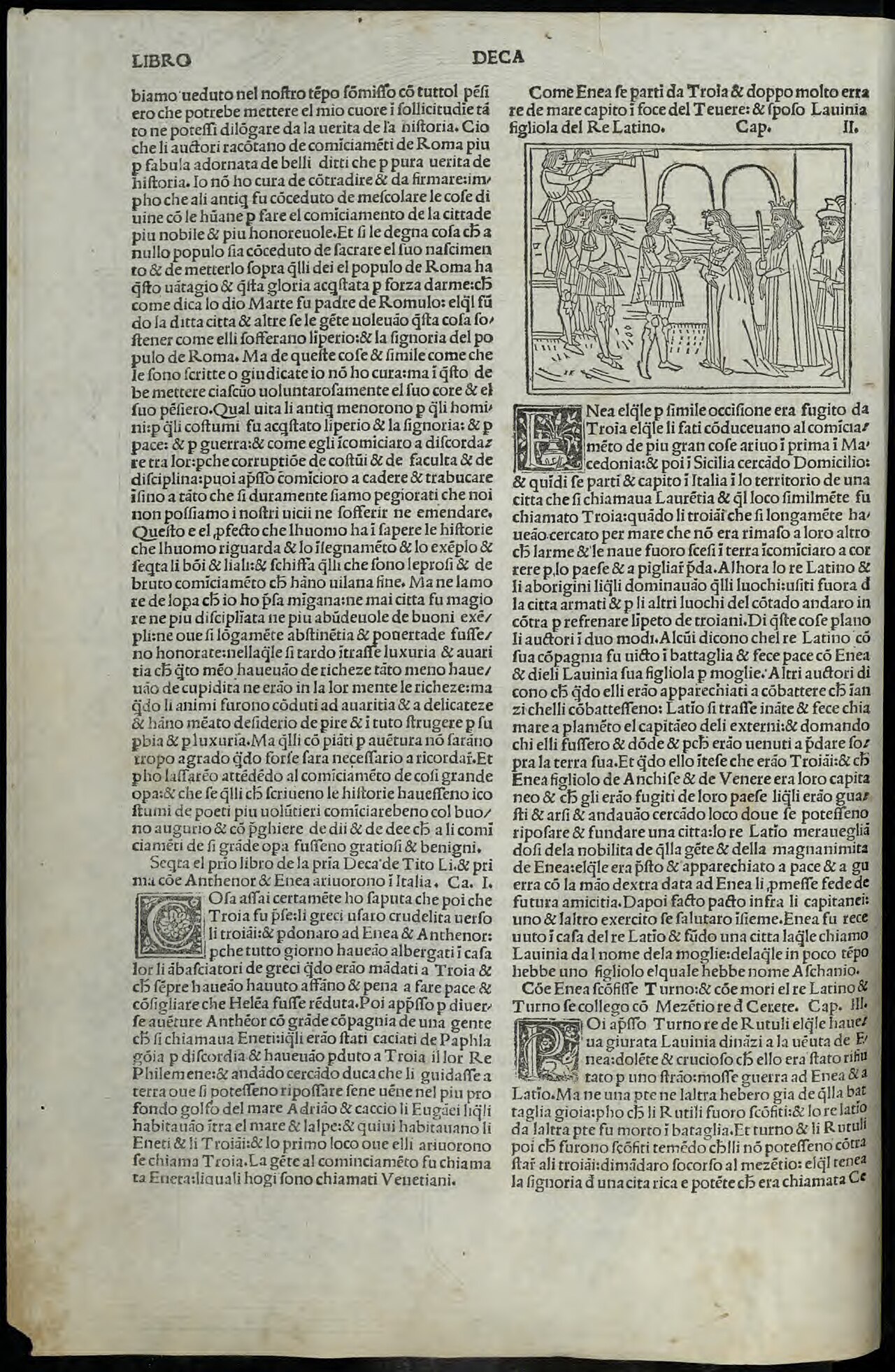
History of Rome
Titus Livius · 27-9 BC
 Book
Secondary source
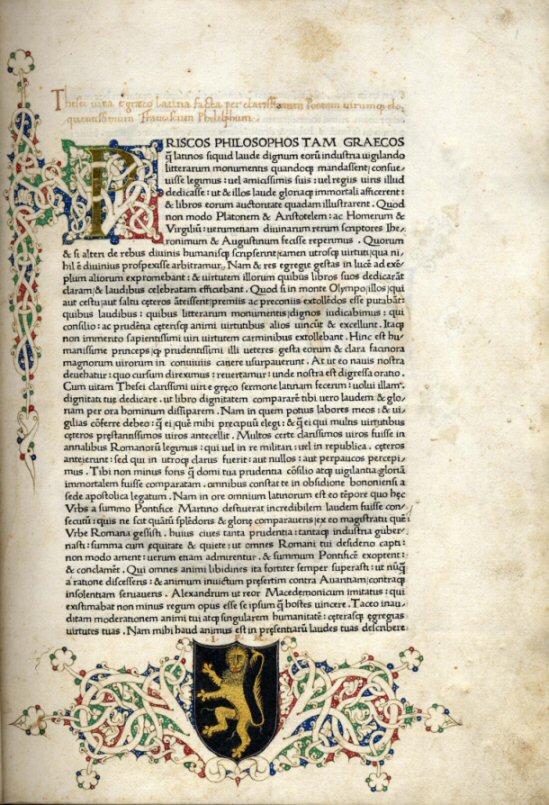
Parallel Lives
Plutarch · c. 100-120 AD
 Letter
Primary source
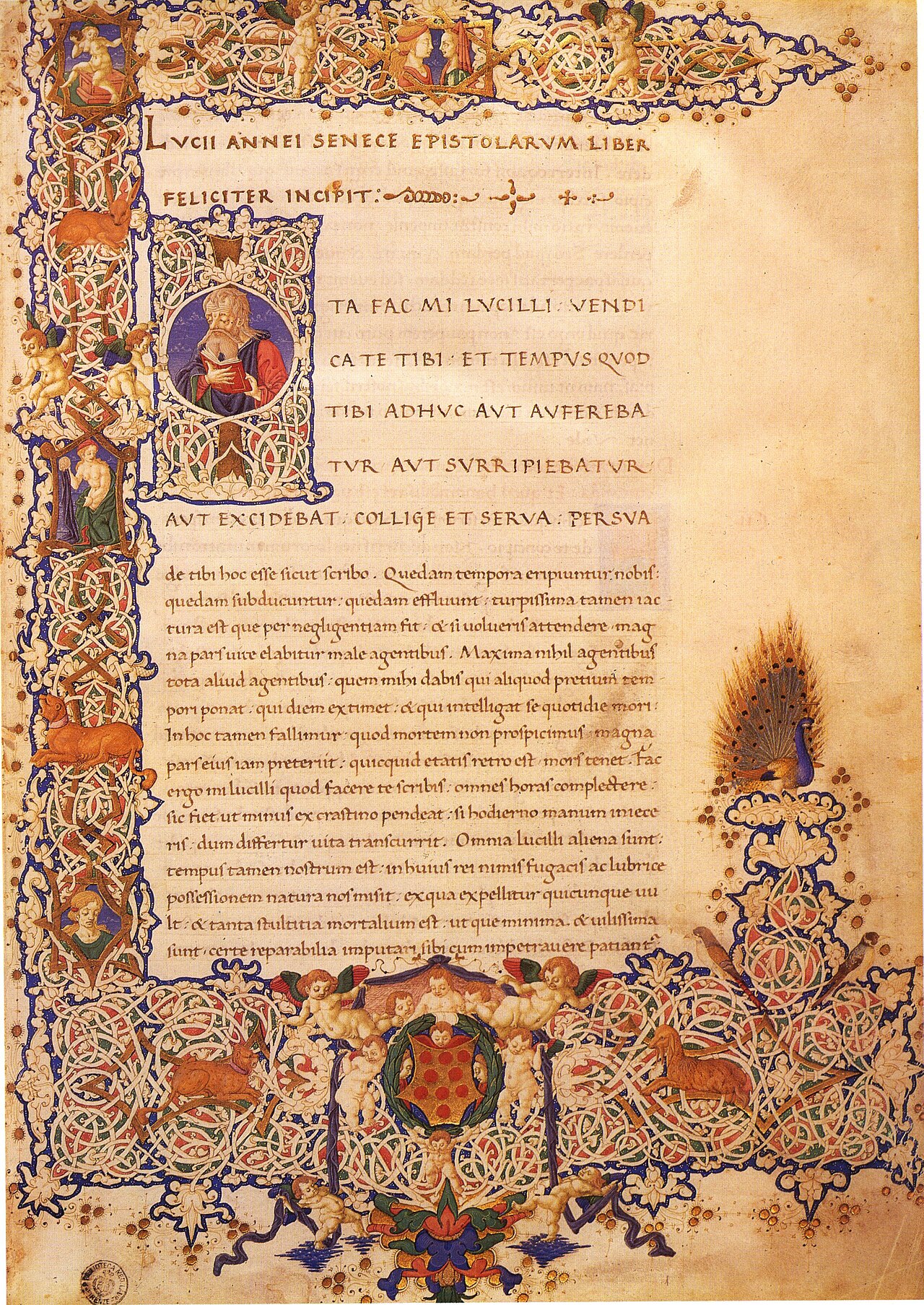
Epistulae Morales ad Lucilium
Seneca · c. 62-65 CE
Free account
Read every Scipio Africanus source
Sign up free →
Ready when you are
Start chatting with Scipio Africanus now.
20 messages free · No credit card · Available in 50+ languages.