


Secondary sourcePainting1600
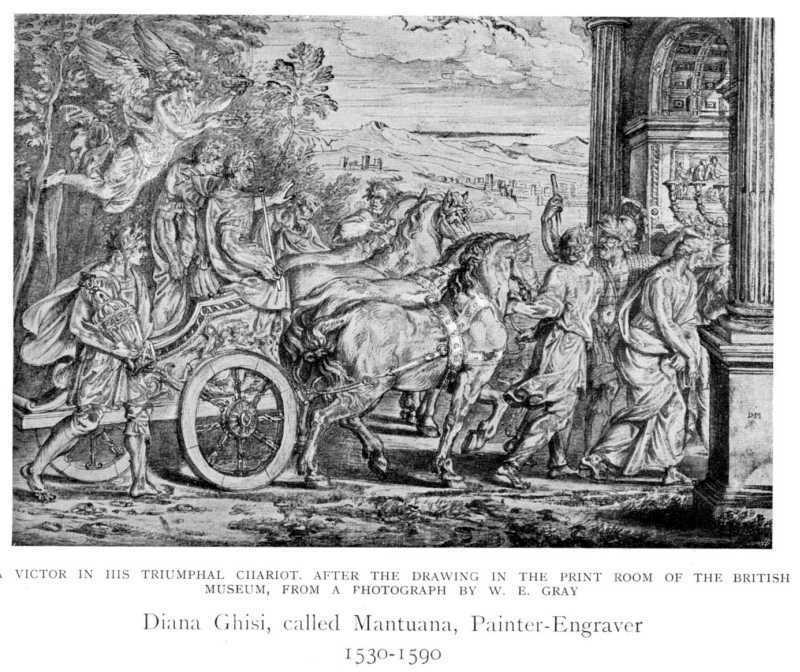
The Triumph of Titus and Vespasian
Diana Scultori · 1600
A print made around 1600 by Diana Scultori after Giulio Romano's painting, spreading the image of Vespasian's triumphal procession across Europe.
This print copies a painted scene of Vespasian's triumph, spreading his image as conqueror across Europe.
About this source
What it is
This engraving, made by Diana Scultori and dated to 1600, reproduces Giulio Romano's composition showing the triumph of Vespasian and his son Titus. It is held by the British Museum.
Why it matters
Prints like this one allowed images created by famous painters to be copied and spread far beyond the original artwork's location. This particular design, showing a victor in a chariot with a winged figure holding a crown above him, helped shape how people across Europe pictured the Flavian triumph.
Look closer
- What differences do you notice between this print and the painted version of the same scene?
- Why might a printmaker choose to copy a famous painting rather than invent a new composition?
- What story is the image telling about victory and power, and whose point of view does it represent?
This painting is part of the curated material that grounds the AI version of Vespasian on Humy.ai — when students ask about related events, the AI can quote it and cite it.
More Vespasian sources
Browse all 95 →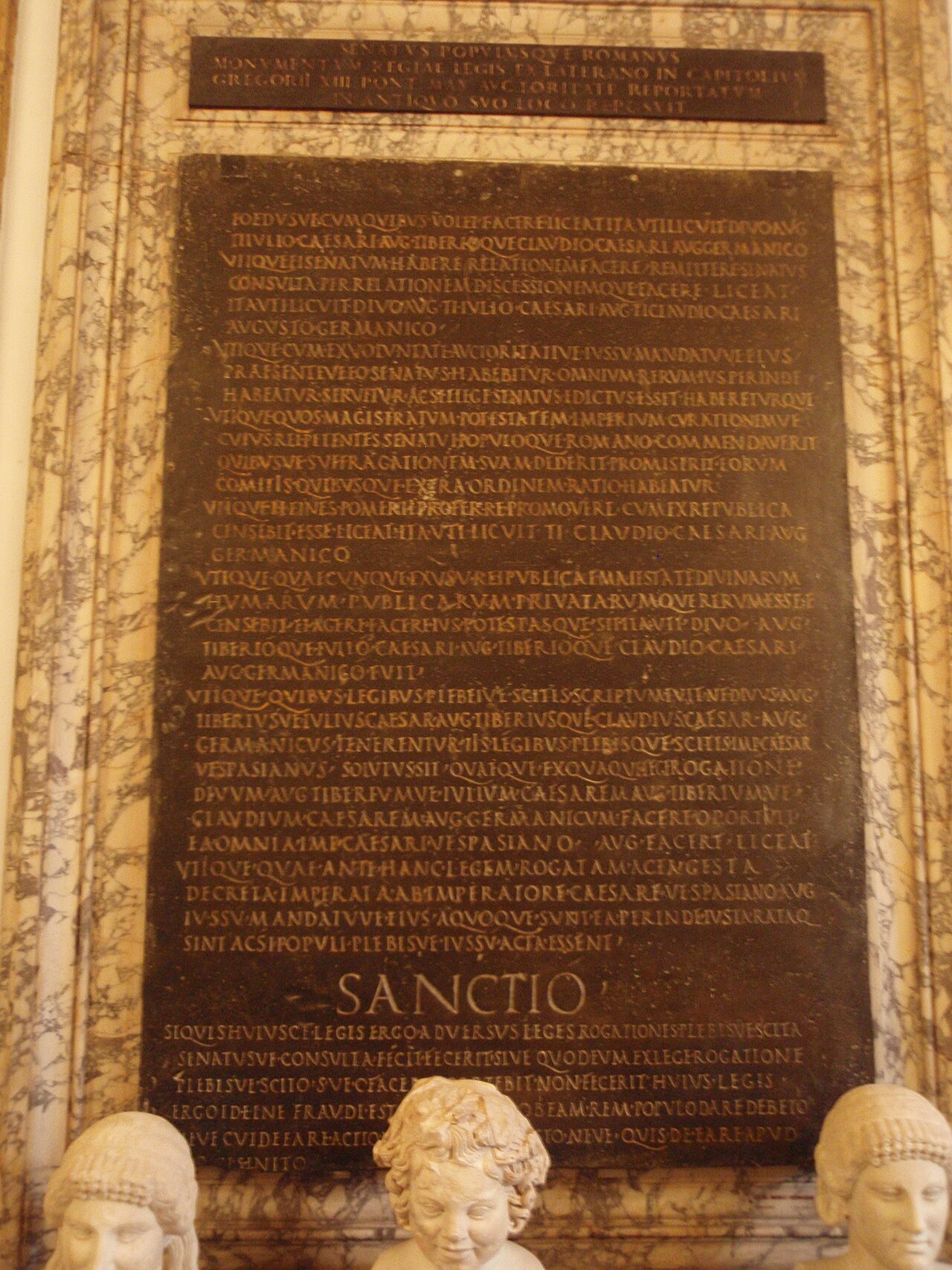 Document
Primary source
Lex de imperio Vespasiani
Roman Senate · AD 69–70
 Artifact
Primary source
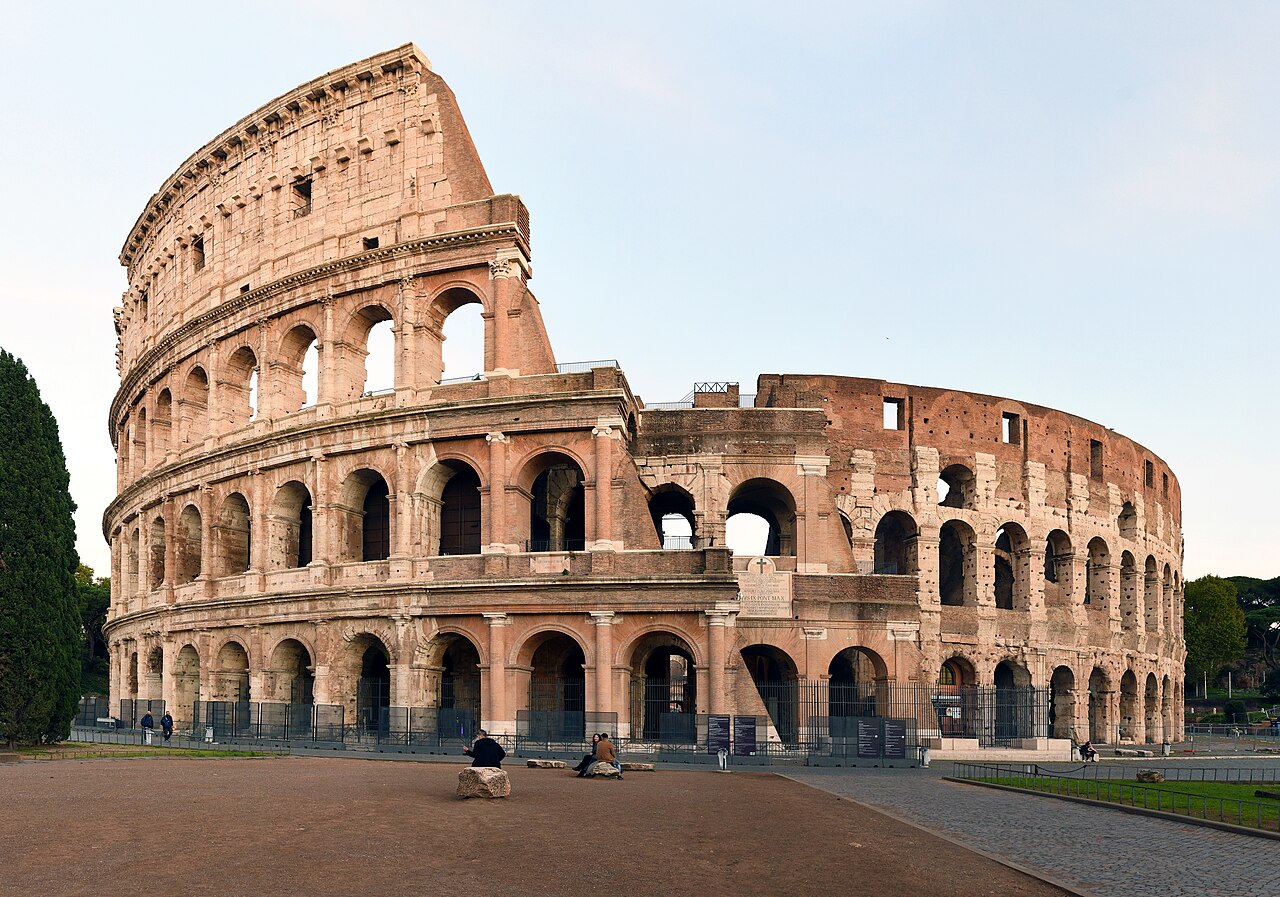
Colosseum
begun 72 AD, completed 80 AD
 Book
Secondary source
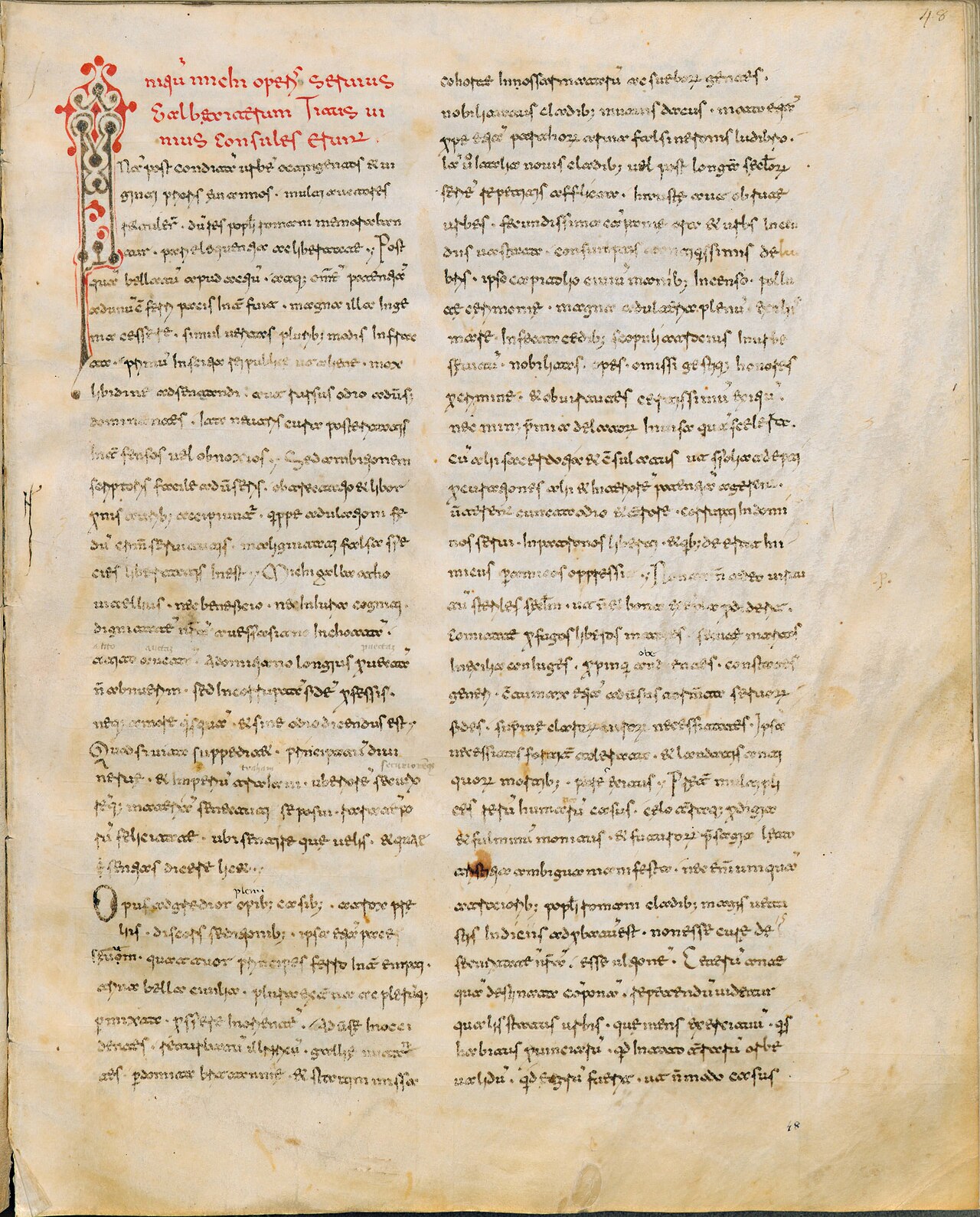
Histories
Tacitus · c. 100-110 AD
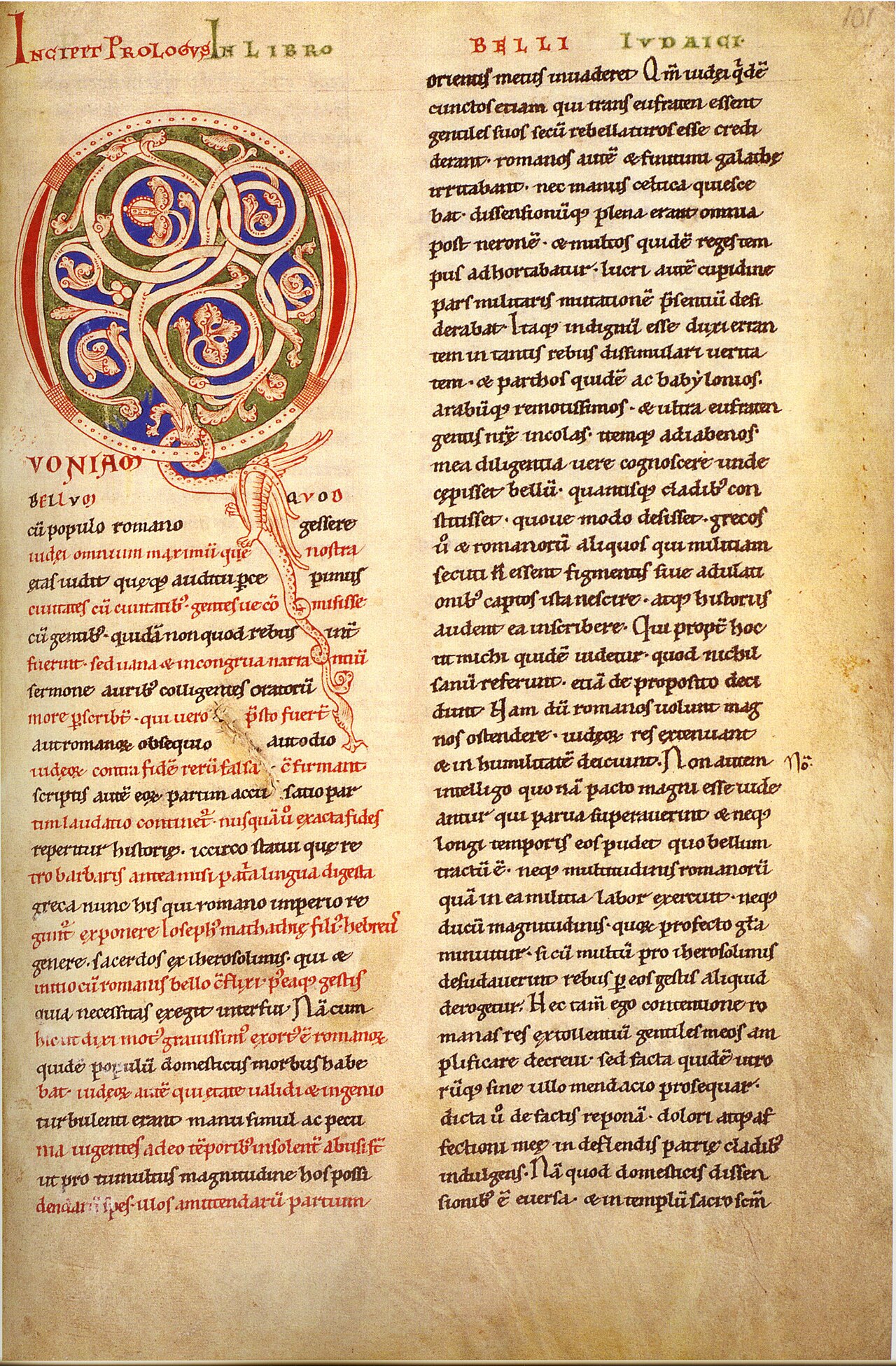 Book
Secondary source
The Jewish War
Josephus · c. AD 75
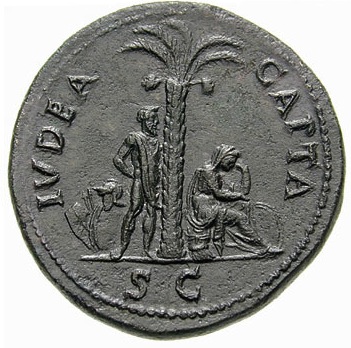
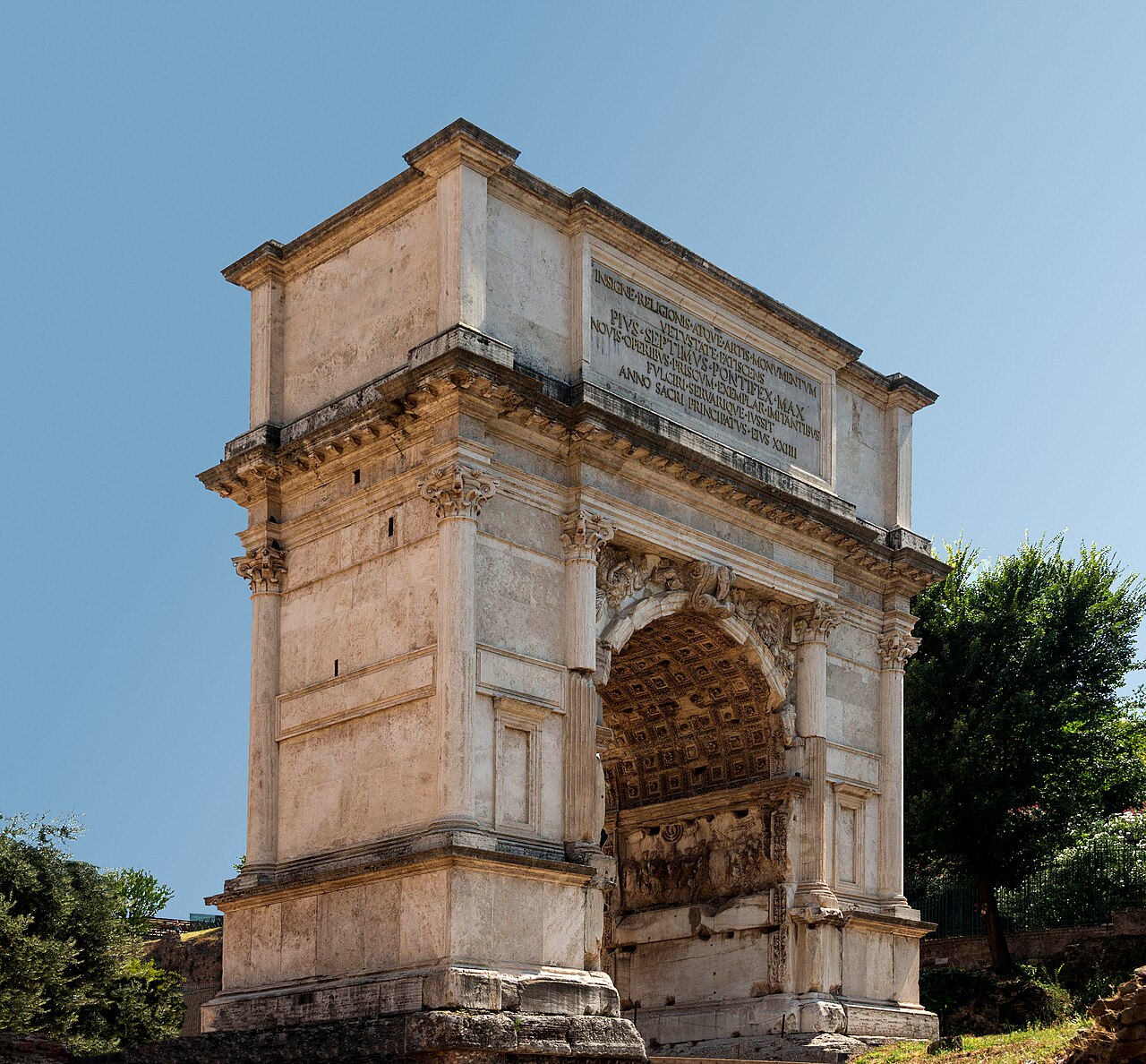
Free account
Read every Vespasian source
Sign up free →
Ready when you are
Start chatting with Vespasian now.
20 messages free · No credit card · Available in 50+ languages.