


Secondary sourcePainting1919
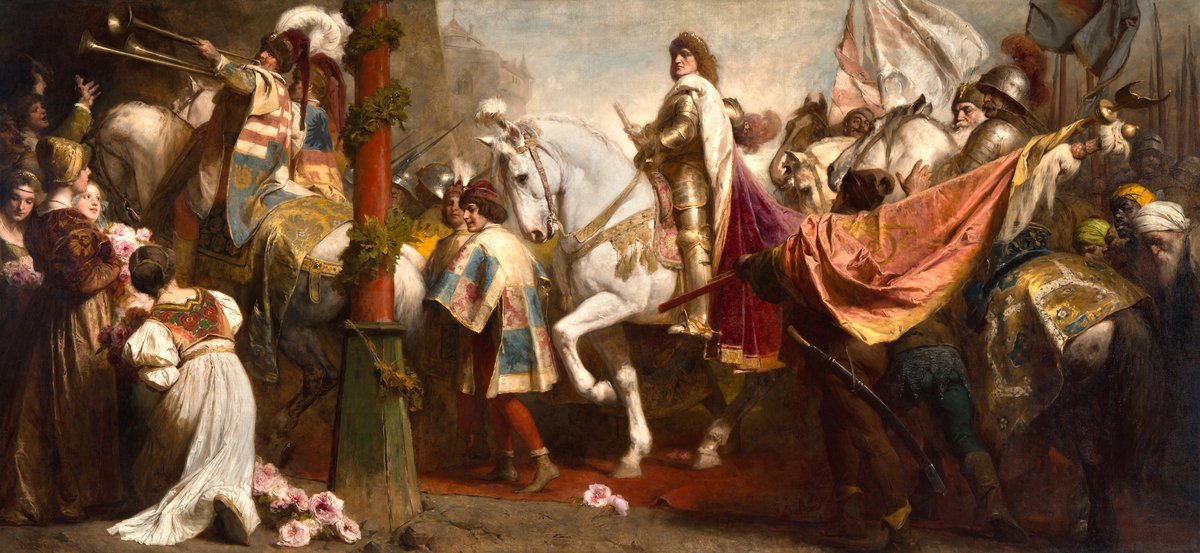
The Triumphant Matthias
Gyula Benczúr · 1919
A 1919 painting by Gyula Benczúr imagining Matthias Corvinus's triumphal entry into Buda.
A later romanticized painting imagining Matthias Corvinus's triumphal entry into Buda.
About this source
What it is
This is a painting by Gyula Benczúr titled The Triumphant Matthias, completed in 1919. It depicts an imagined scene of a mounted knight in armor on a white horse, greeted by trumpeters, a kneeling woman offering flowers, and cheering crowds, with soldiers and a banner pressing in from the side.
Why it matters
Painted centuries after Matthias's reign, this work is not a historical record but a romanticized vision of his triumph, created to celebrate his legacy as a great Hungarian king. It shows how later generations used art to build national pride and shape popular memory of historical rulers.
Look closer
- What details in the painting suggest celebration and triumph?
- Since this was painted centuries after Matthias's reign, what might the artist have imagined rather than known?
- Why might a nation want grand paintings of past kings, even if they aren't historically accurate?
This painting is part of the curated material that grounds the AI version of Matthias Corvinus on Humy.ai — when students ask about related events, the AI can quote it and cite it.
More Matthias Corvinus sources
Browse all 83 →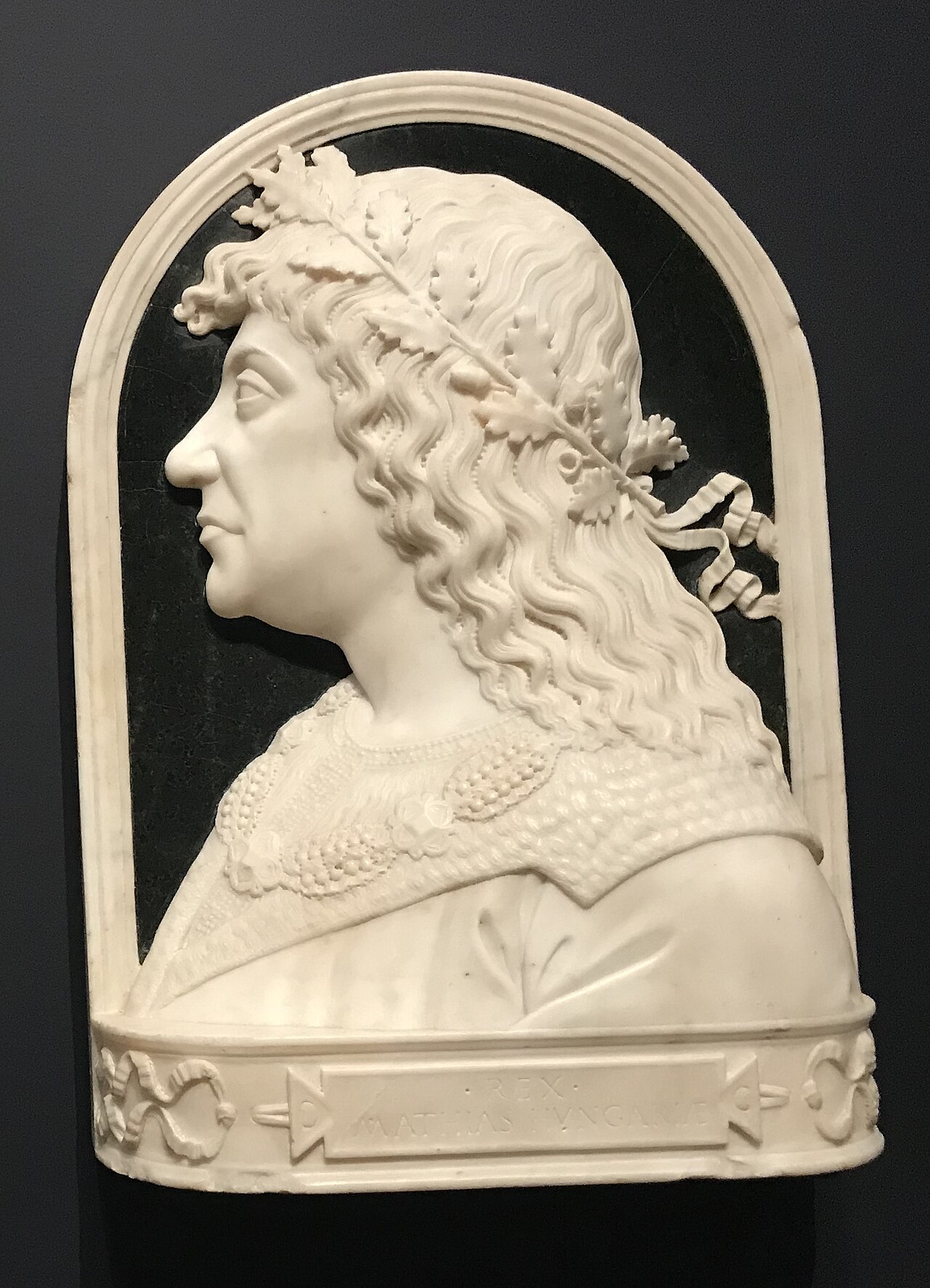 Sculpture
Primary source
Portrait of Matthias Corvinus, King of Hungary
Benedetto da Maiano · 1476
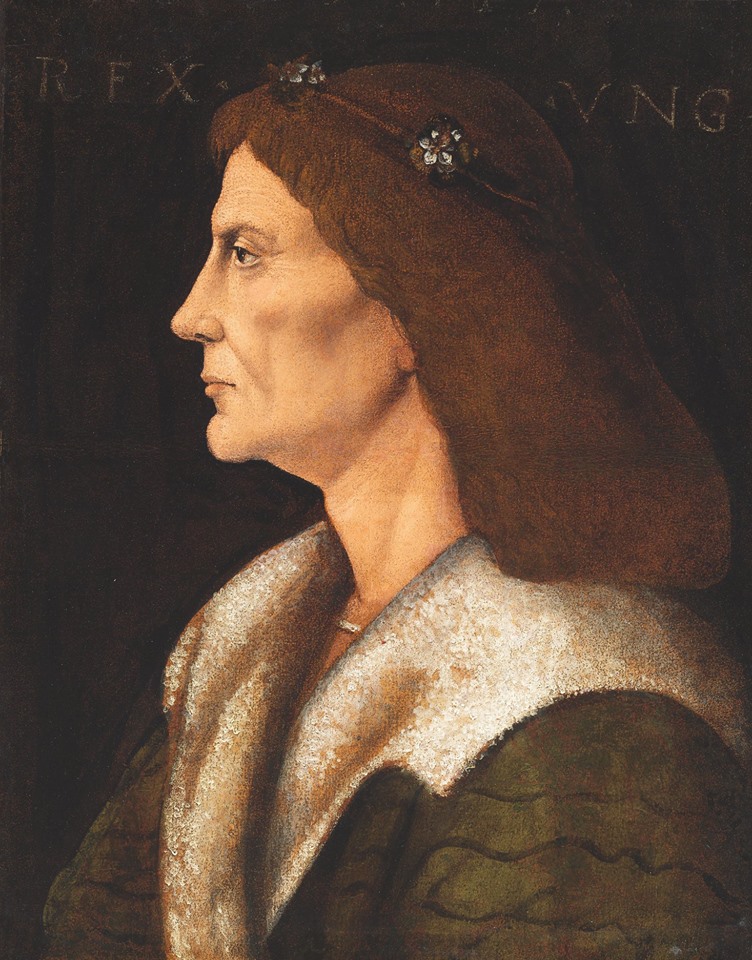 Painting
Secondary source
Portrait of Matthias Corvinus
Circle of Andrea Mantegna
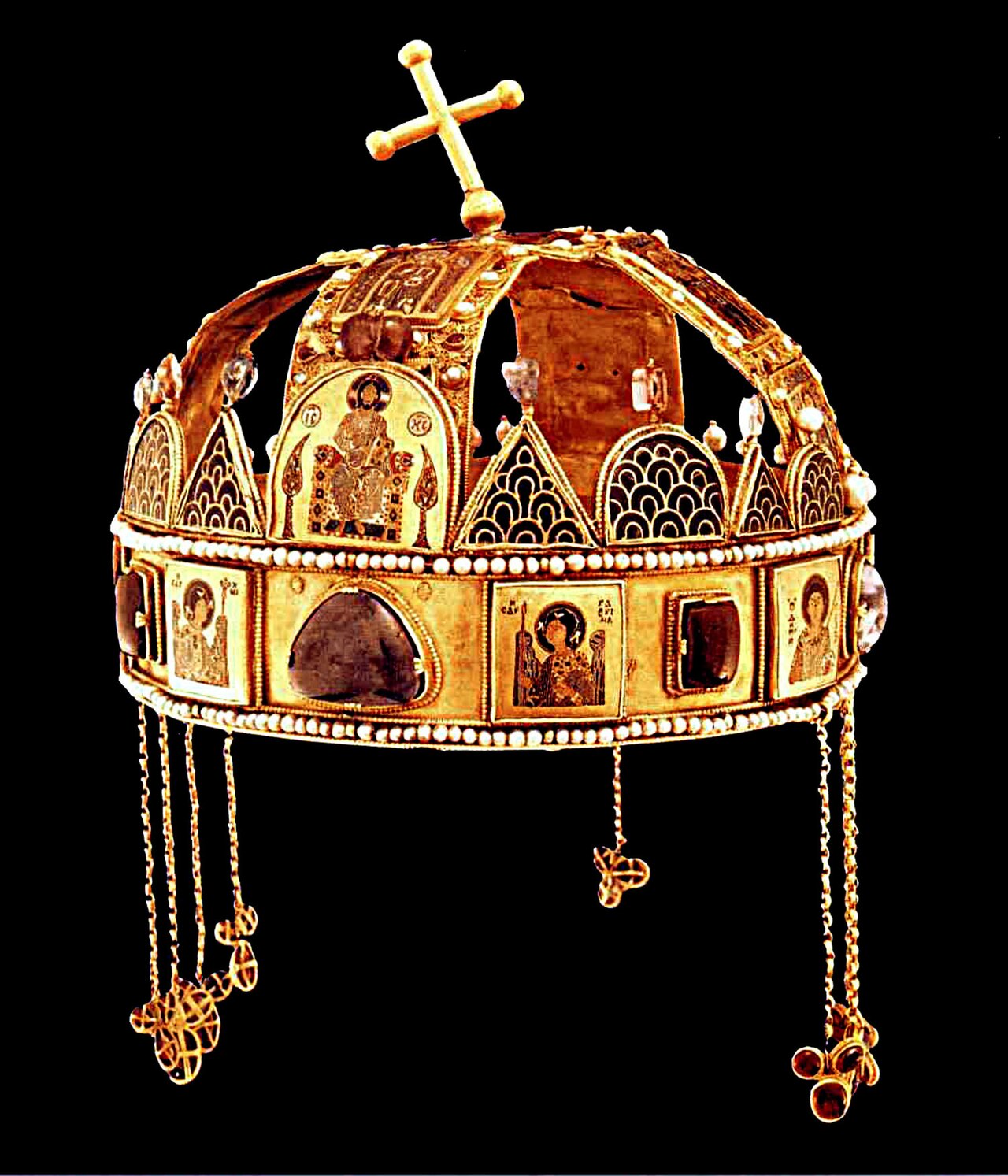 Artifact
Secondary source
Holy Crown of Hungary
1070s, present form c. late 12th century
SculpturePrimary source
Marble Portrait Reliefs of Matthias Corvinus and Beatrice of Aragon
Italian sculptor in Matthias's service (workshop attribution debated) · c. 1476-1490
Free account
Read every Matthias Corvinus source
Sign up free →
Ready when you are
Start chatting with Matthias Corvinus now.
20 messages free · No credit card · Available in 50+ languages.