


Primary sourcePainting1886
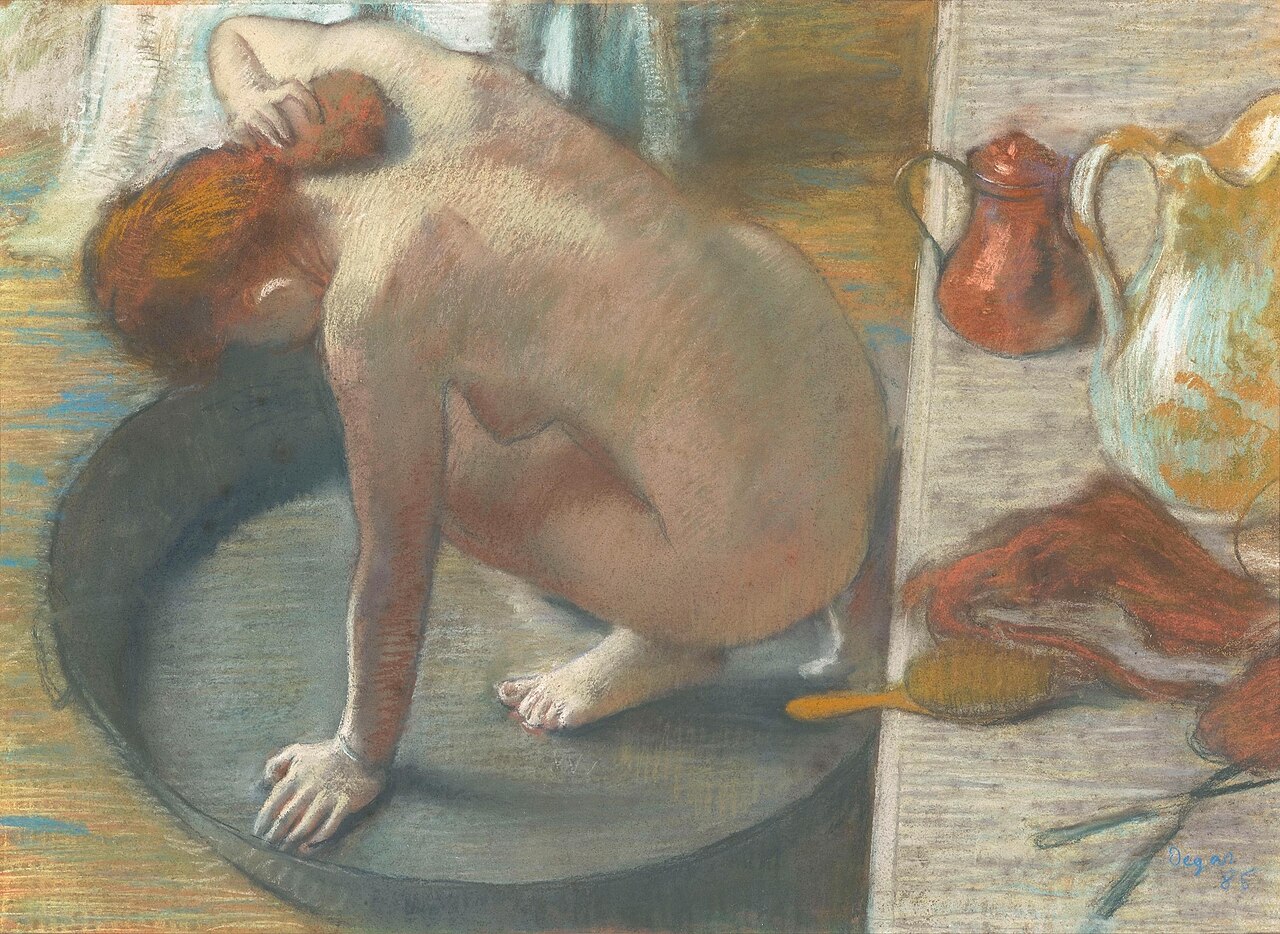
The Tub
Edgar Degas · 1886
An 1886 pastel by Degas showing a nude woman crouched and bathing, seen from above as if glimpsed by chance.
One of Degas's bather pastels, central to debates about his unconventional and controversial treatment of the female nude.
About this source
What it is
This pastel drawing on heavy paper was made by Edgar Degas in 1886. It shows a nude woman crouched in a shallow tub, bathing in early morning light. It is one of seven pastels Degas made in the mid-1880s showing women bathing or drying themselves, and was shown at the Eighth Impressionist Exhibition in 1886. It is now held at the Musée d'Orsay.
Why it matters
Degas broke from the tradition of showing the nude as an idealized mythological figure posed for an audience. Instead he painted ordinary women going about private, unposed activities, as if seen by chance through a doorway. This approach was praised by some critics for its realism, but others accused him of voyeurism. The work shows how Degas used pastel, by then his favourite medium, to build form through colour and texture rather than firm outlines.
Look closer
- Why might Degas have chosen an overhead, keyhole-like viewpoint instead of a frontal pose?
- How does this image differ from traditional paintings of the nude you may have seen?
- Why did some critics at the time feel uncomfortable with this kind of image?
This painting is part of the curated material that grounds the AI version of Edgar Degas on Humy.ai — when students ask about related events, the AI can quote it and cite it.
More Edgar Degas sources
Browse all 94 →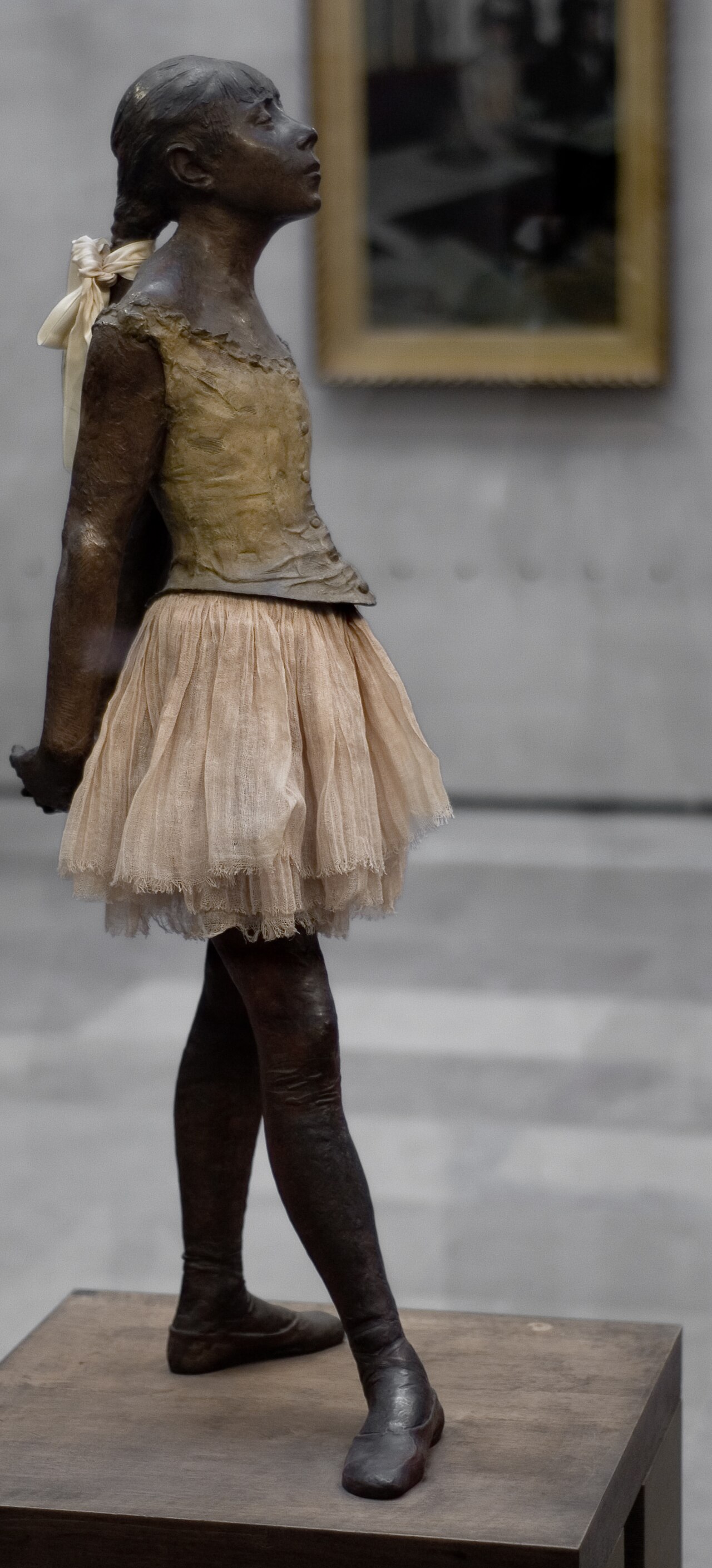 Sculpture
Primary source
Little Dancer of Fourteen Years
Edgar Degas · 1881
 Painting
Primary source
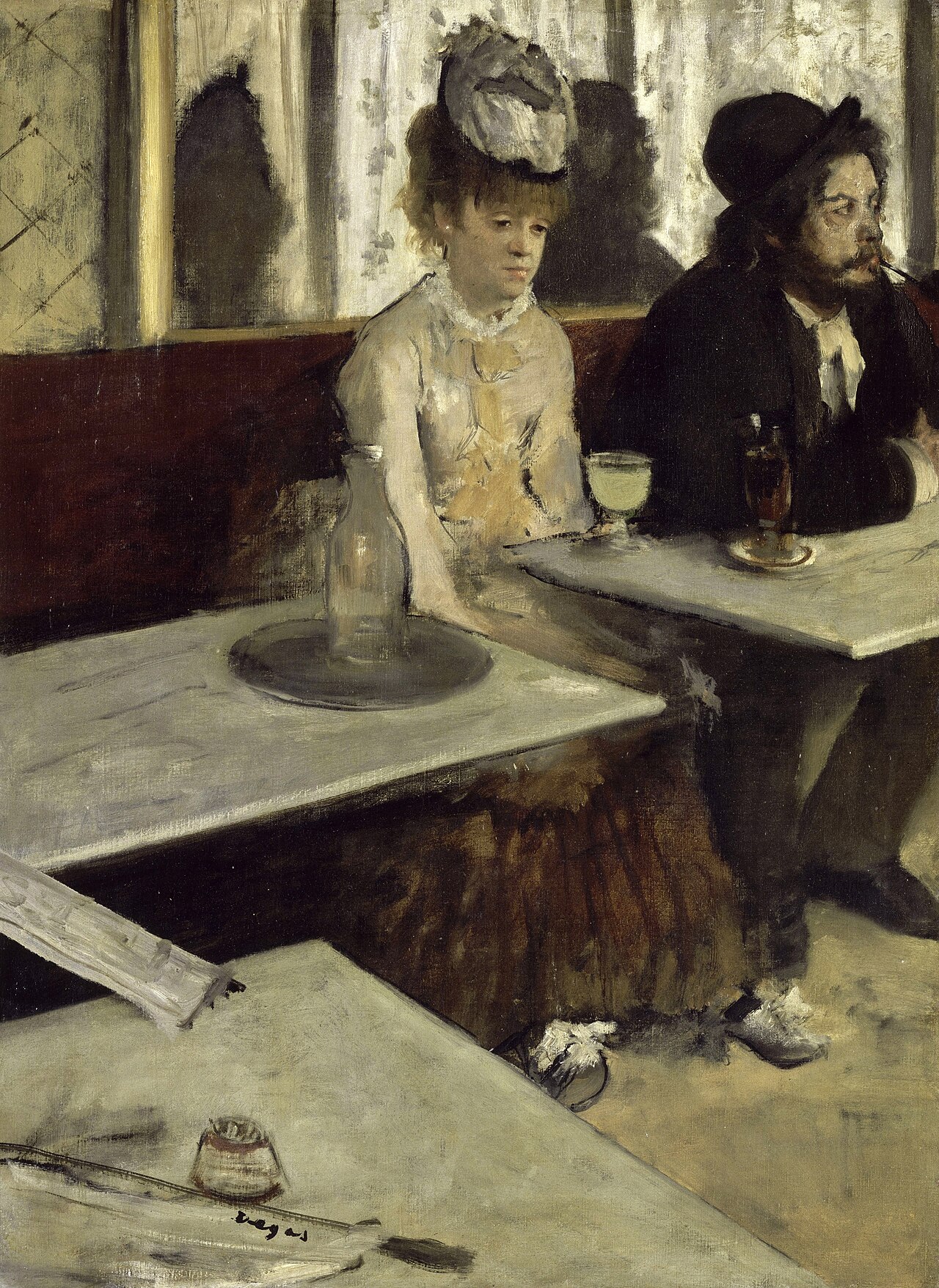
L'Absinthe
Edgar Degas · 1875-1876
 Painting
Primary source
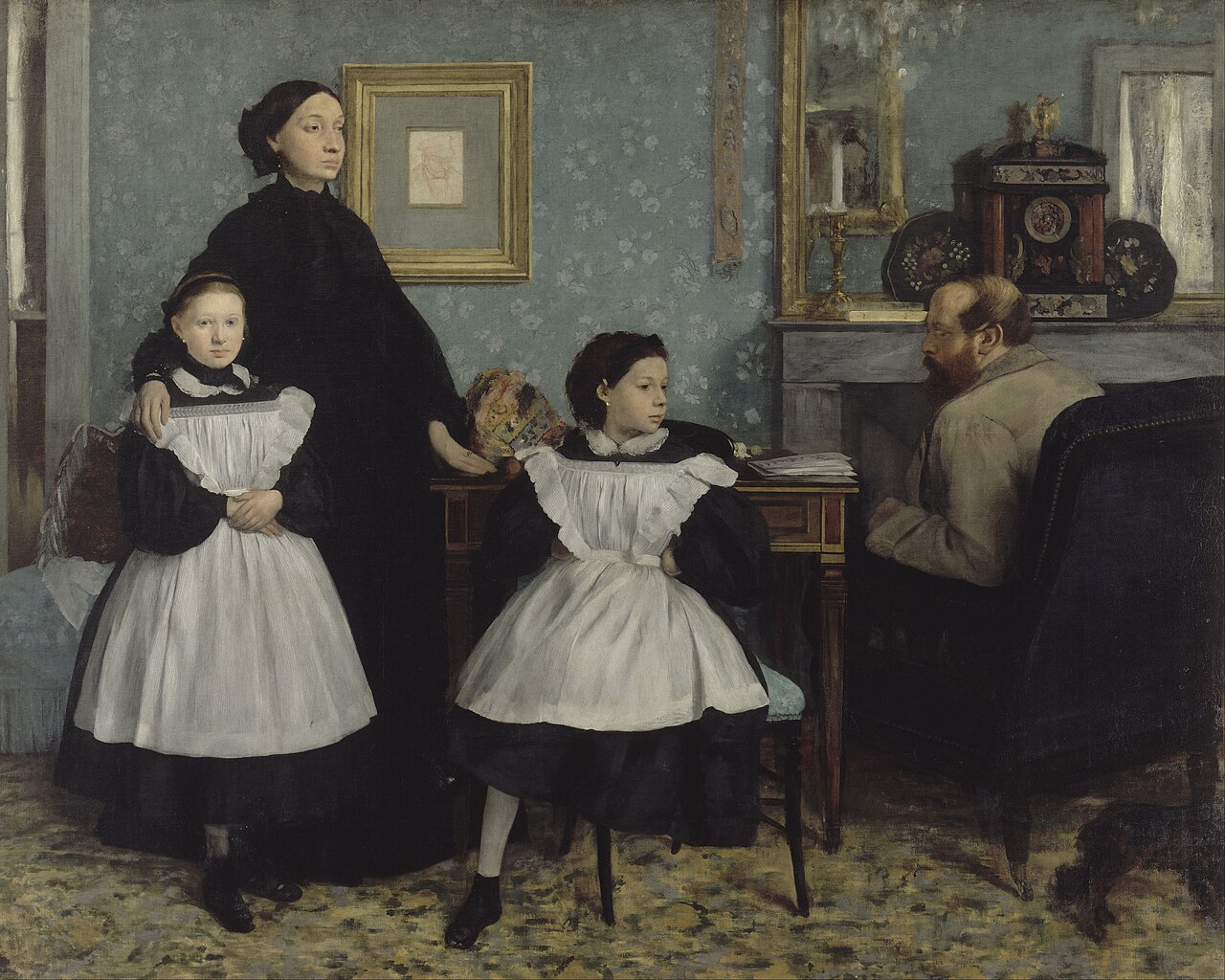
The Bellelli Family
Edgar Degas · c. 1858-1867
 Painting
Primary source
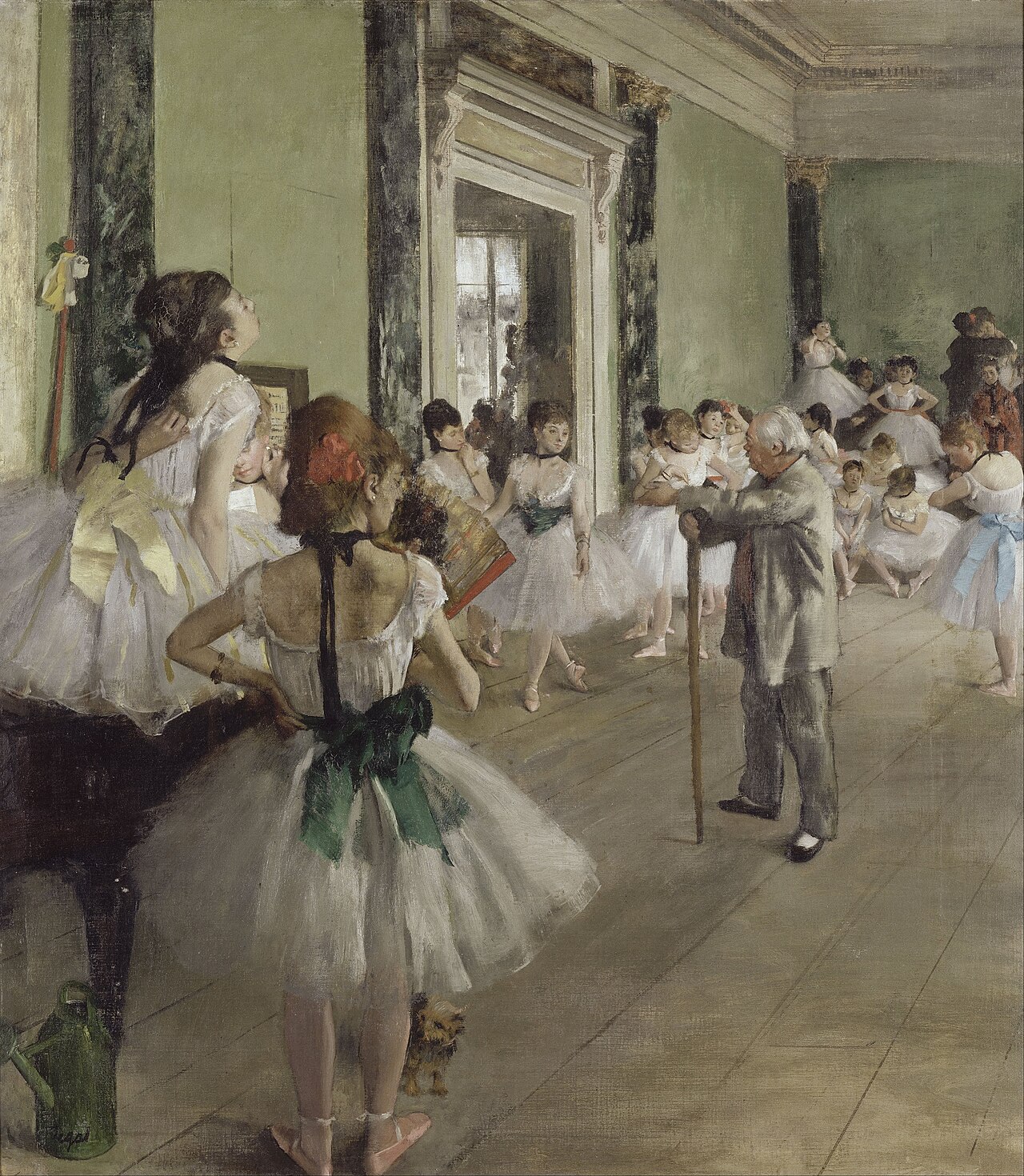
The Ballet Class
Edgar Degas · 1874-1876
Free account
Read every Edgar Degas source
Sign up free →
Ready when you are
Start chatting with Edgar Degas now.
20 messages free · No credit card · Available in 50+ languages.