


Primary sourceBook1871
The Walrus and the Carpenter
Lewis Carroll · 1871
A narrative poem by Lewis Carroll from Through the Looking-Glass, recited to Alice by Tweedledum and Tweedledee.
Carroll wrote this poem himself, showing his skill at mixing comic nonsense with darker, morally ambiguous storytelling.
About this source
What it is
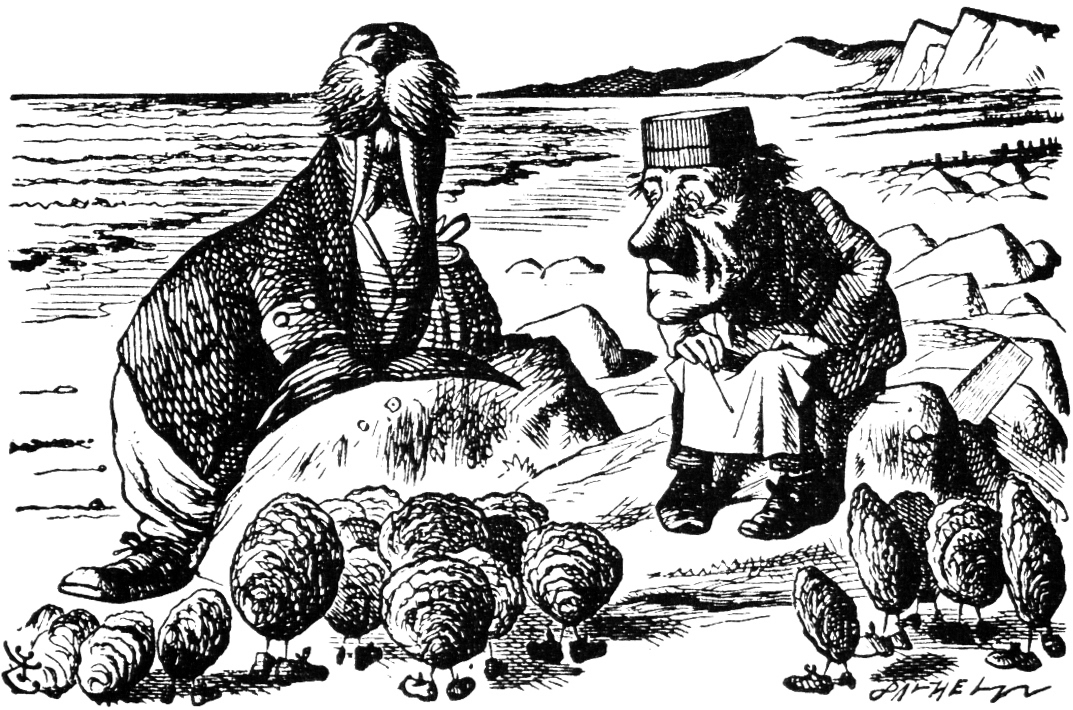
This is a narrative poem written by Lewis Carroll, appearing in his book Through the Looking-Glass, published in December 1871. Within the story, it is recited to Alice by the characters Tweedledum and Tweedledee. The poem tells of a walrus and a carpenter who persuade a group of oysters to join them for a walk, only to eat them all.
Why it matters
The poem shows Carroll's gift for blending playful nonsense with a darker undertone, something that has made it a lasting subject of literary interpretation. Writers and critics have found political and social meanings in the walrus and carpenter, and the poem's imagery, reportedly inspired by rock formations Carroll saw on holiday in Wales, has echoed through later popular culture, including song and film.
Look closer
- Why might Carroll have chosen oysters, usually harmless creatures, as victims in this story?
- What makes the poem funny and unsettling at the same time?
- How does the illustration help tell the story alongside the words?
This book is part of the curated material that grounds the AI version of Lewis Carroll on Humy.ai — when students ask about related events, the AI can quote it and cite it.
More Lewis Carroll sources
Meet the AI Lewis Carroll → Book
Primary source
Alice's Adventures in Wonderland
Lewis Carroll · 1865
Primary source
Alice's Adventures Under Ground
Lewis Carroll · 1864
 Book
Primary source
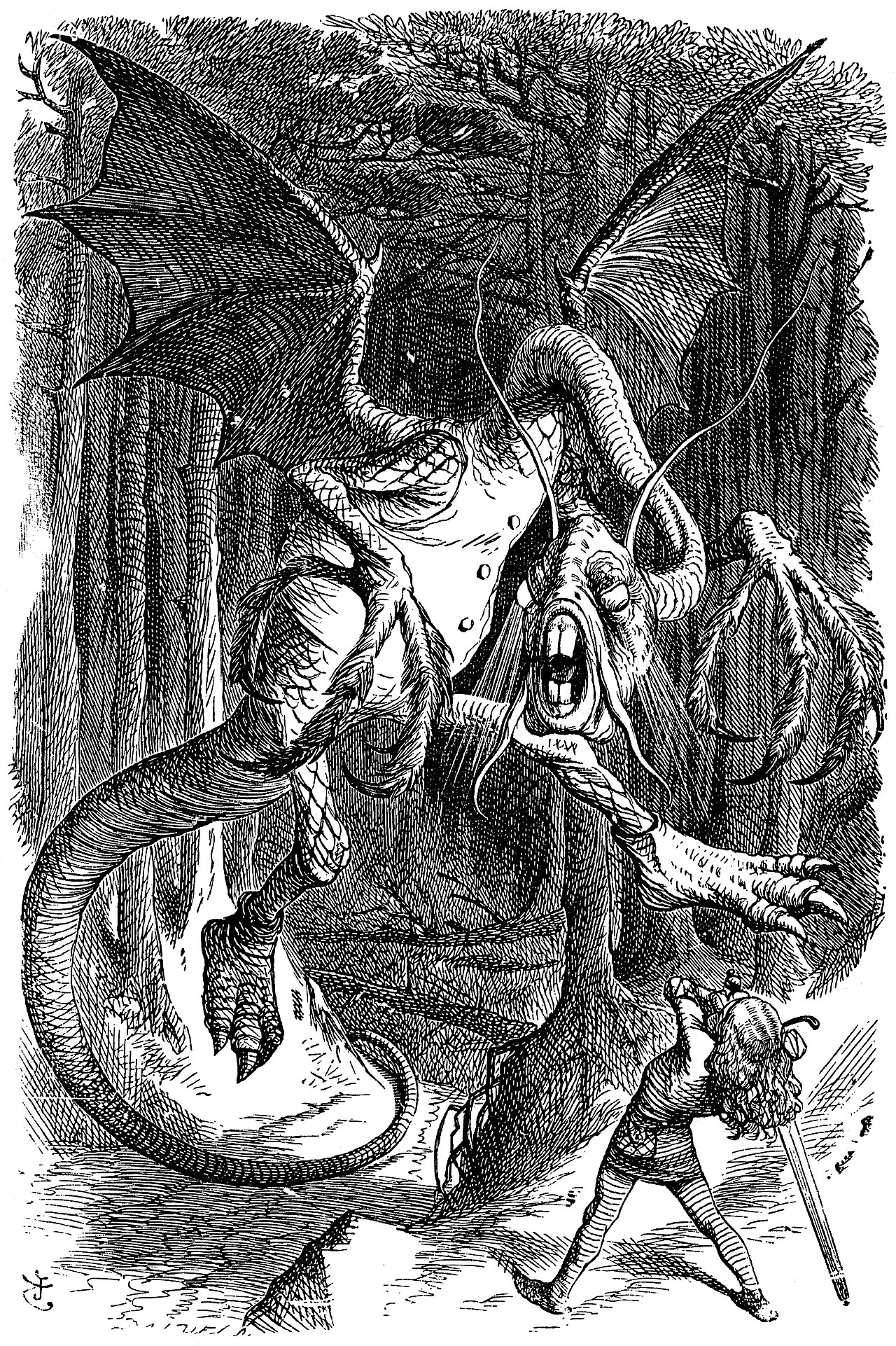
Jabberwocky
Lewis Carroll · 1871
 Book
Primary source
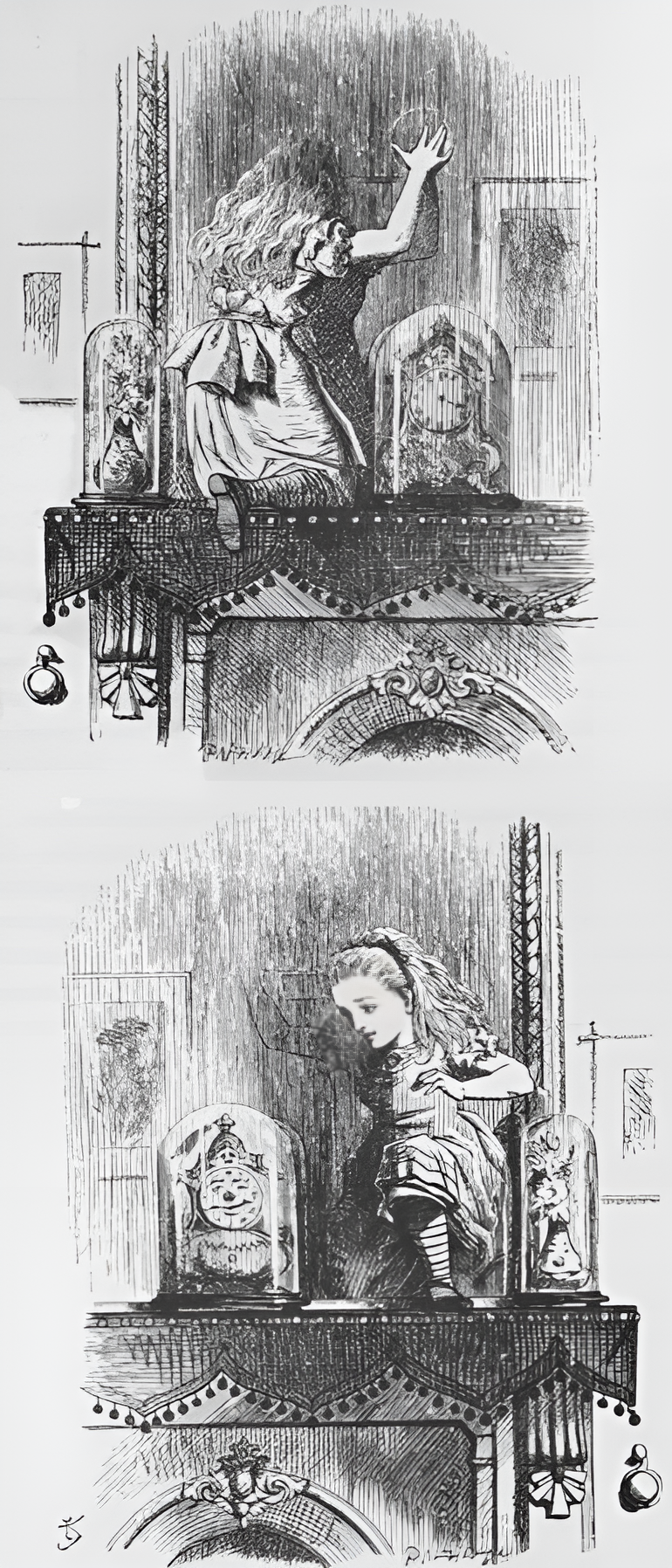
Through the Looking-Glass
Lewis Carroll · 1871
 Book
Primary source
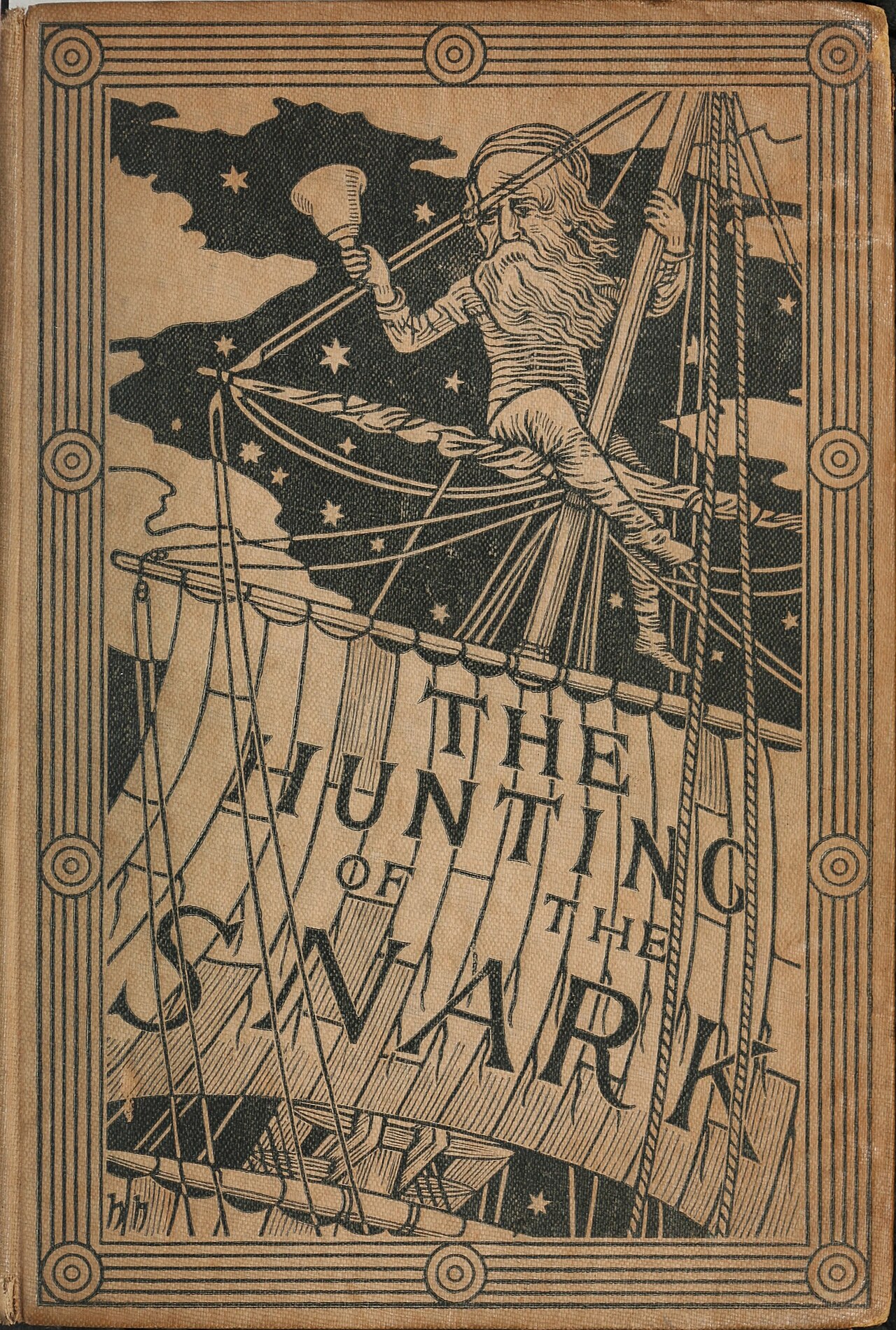
The Hunting of the Snark
Lewis Carroll · 1876
Ready when you are
Start chatting with Lewis Carroll now.
20 messages free · No credit card · Available in 50+ languages.