


Primary sourcePainting1869
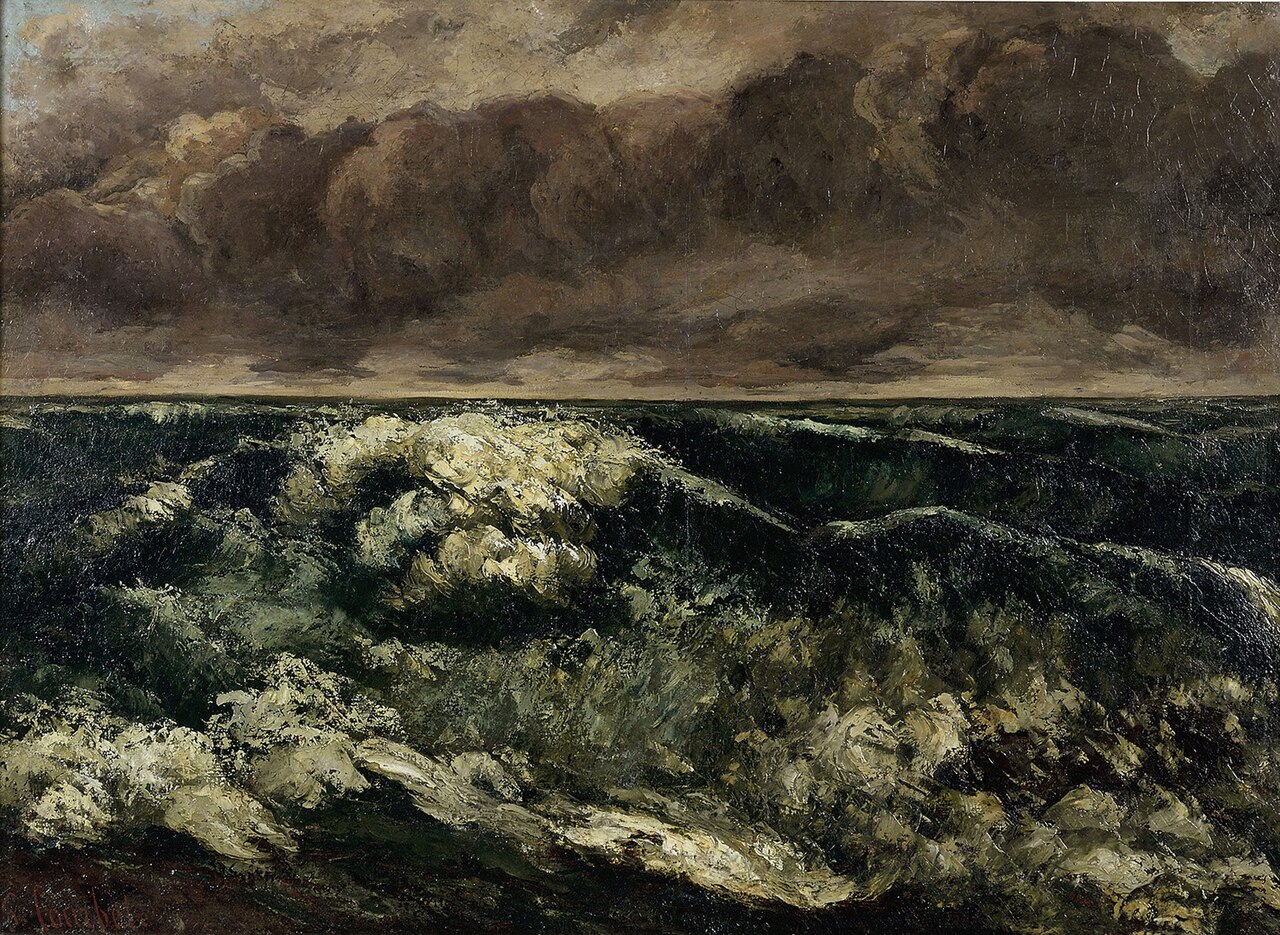
The Wave
Gustave Courbet · 1869
One of several seascapes Courbet painted in 1869–70 at Étretat, showing a stormy sea with crashing waves.
One of Courbet's Étretat seascapes, applying his Realist style to the force of nature.
About this source
What it is
This is one of a series of seascape paintings titled The Wave or The Waves, painted by Gustave Courbet between 1869 and 1870. This particular version is held at the National Museum of Western Art in Tokyo; other versions exist in museums across Europe and the United States.
Why it matters
These seascapes, painted at Étretat on the French coast, show Courbet applying his Realist approach to the raw power of nature rather than to people or social scenes. The thick, visible brushstrokes used to capture the churning water show his hands-on, physical way of painting, and his interest in depicting nature directly and honestly rather than idealizing it.
Look closer
- How does Courbet use brushwork to make the water feel powerful and moving?
- Why might Courbet have painted the same subject, a wave, several times?
- What does this painting leave out that other painters of dramatic nature scenes might have included, such as people or ships?
This painting is part of the curated material that grounds the AI version of Gustave Courbet on Humy.ai — when students ask about related events, the AI can quote it and cite it.
More Gustave Courbet sources
Browse all 96 →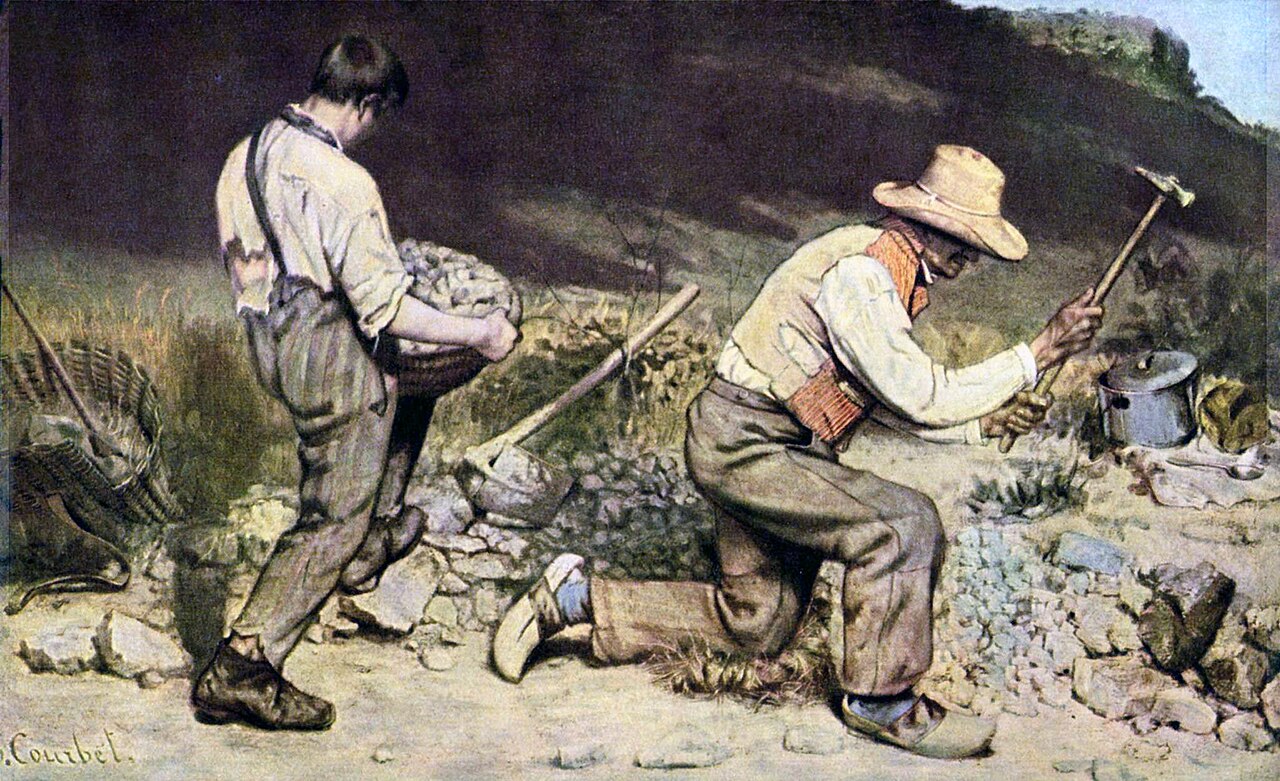 Painting
Primary source
The Stone Breakers
Gustave Courbet · 1849
 Painting
Primary source
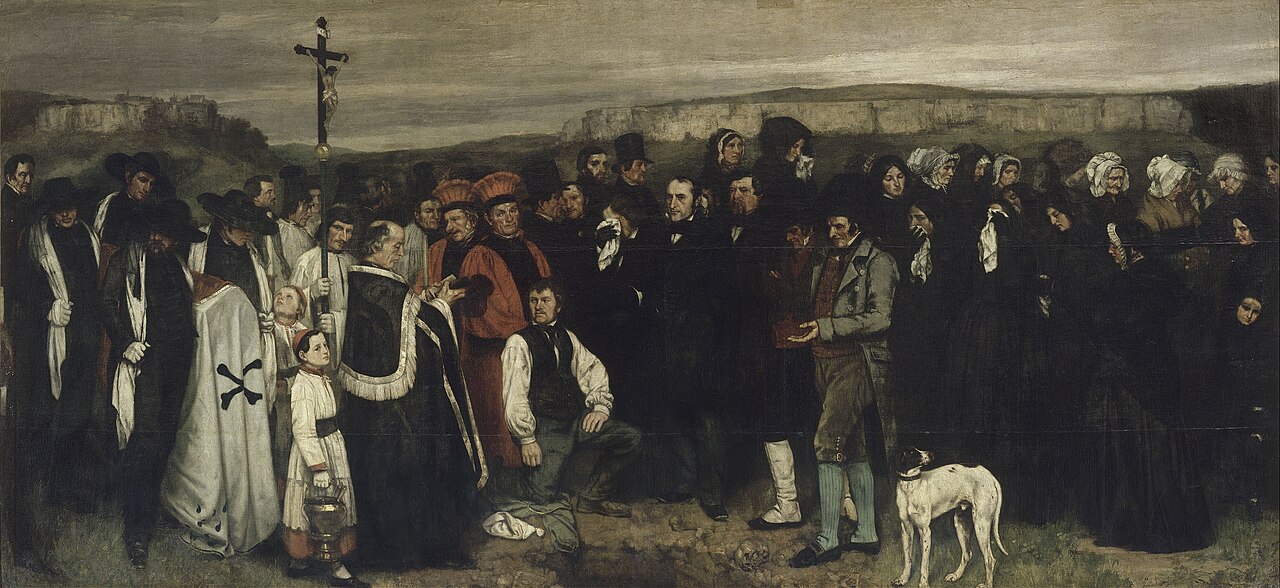
A Burial at Ornans
Gustave Courbet · 1849-1850
 Painting
Primary source
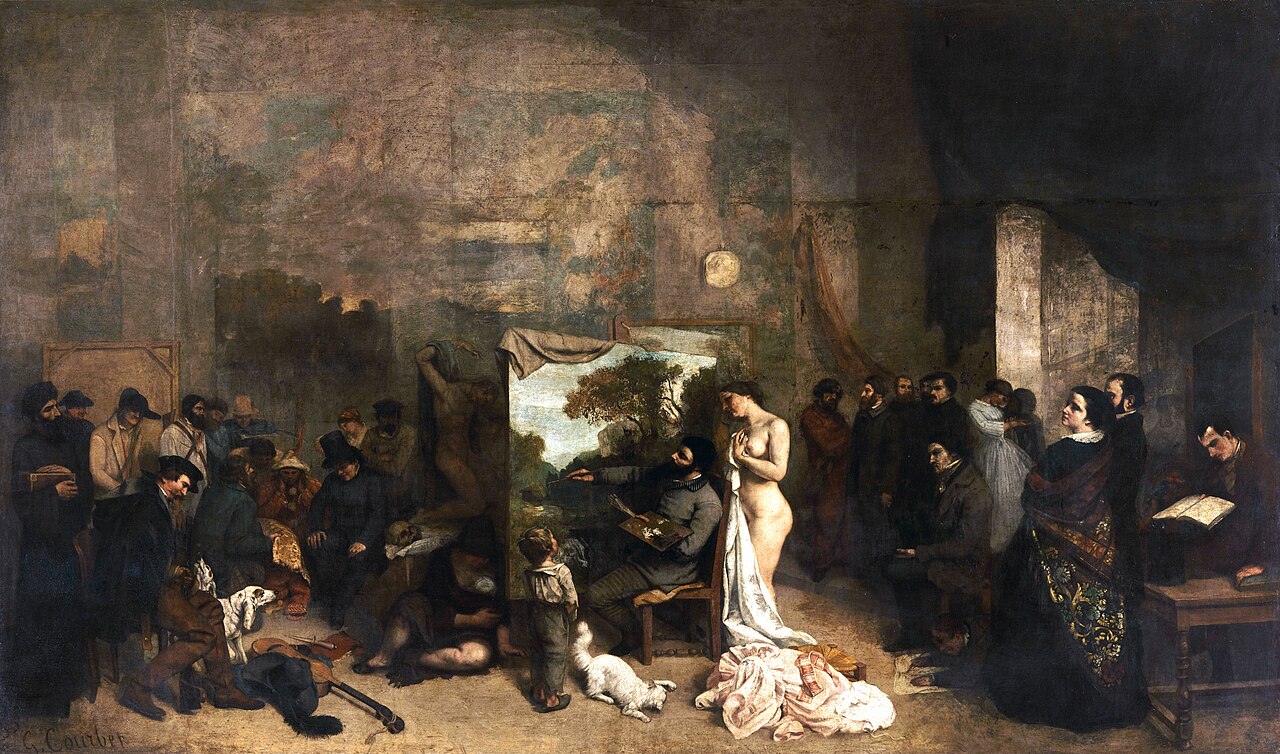
The Painter's Studio
Gustave Courbet · 1855
 Painting
Primary source
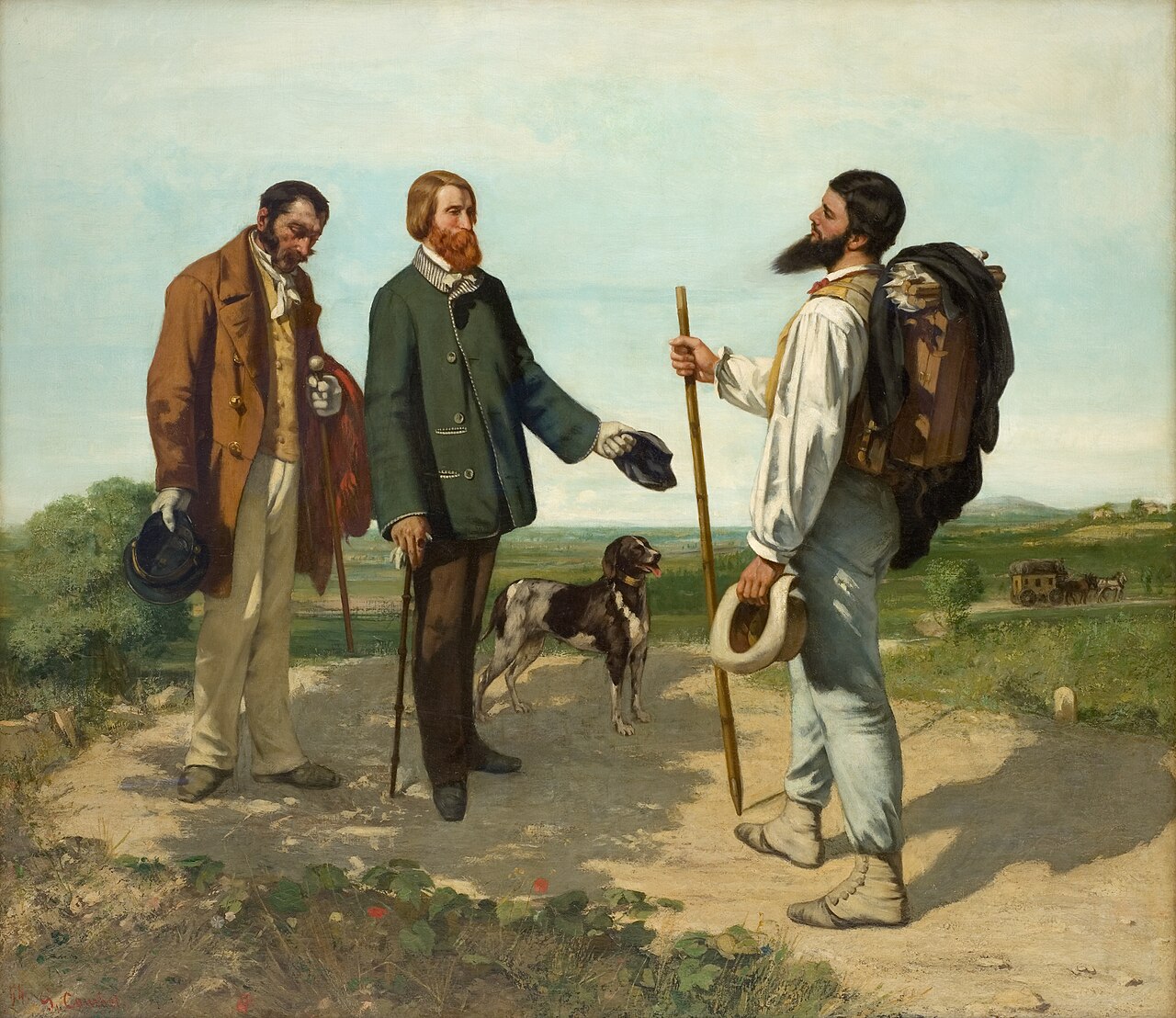
The Meeting, or Bonjour, Monsieur Courbet!
Gustave Courbet · 1854
Free account
Read every Gustave Courbet source
Sign up free →
Ready when you are
Start chatting with Gustave Courbet now.
20 messages free · No credit card · Available in 50+ languages.