


Secondary sourceSculpture2nd century BCE
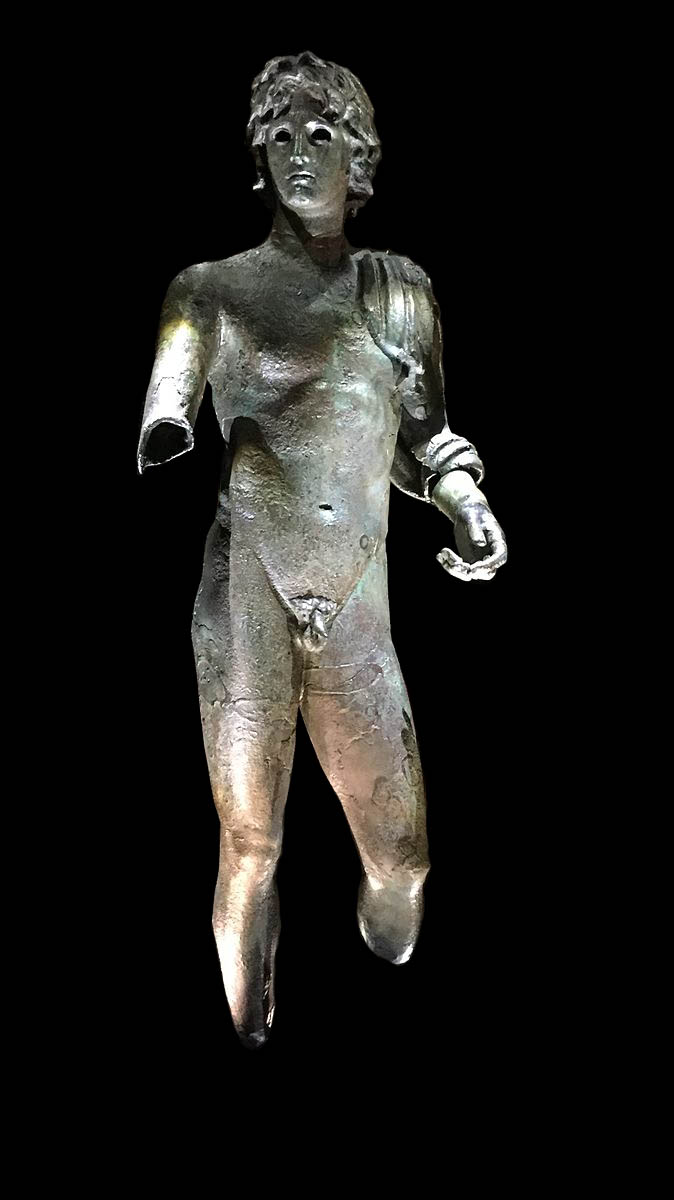
The Youth of Agde
2nd century BCE
A bronze statue of a young man recovered from a riverbed, often identified as a youthful Alexander the Great, though the identification is uncertain.
A disputed sculptural identification sometimes claimed to depict the young Alexander the Great.
About this source
What it is
This bronze statue of a nude young man was discovered in 1964 on the bed of the Herault river in France, probably from an ancient shipwreck. It stands 1.33 meters tall, dates to the 2nd century BCE, and is now displayed at the Musée de l'Éphèbe in Agde.
Why it matters
The statue's features resemble the famous Doryphoros by Lysippos, suggesting its maker trained in that tradition. It is often identified as a young Alexander, but this is disputed, making it a good example of how uncertain many ancient portrait identifications really are.
Look closer
- What evidence would you need to be sure this statue really represents Alexander?
- How does the statue's damaged, corroded surface affect what we can learn from it?
- Why do scholars compare its style to a known sculptor's work when trying to identify it?
This sculpture is part of the curated material that grounds the AI version of Alexander the Great on Humy.ai — when students ask about related events, the AI can quote it and cite it.
More Alexander the Great sources
Meet the AI Alexander the Great →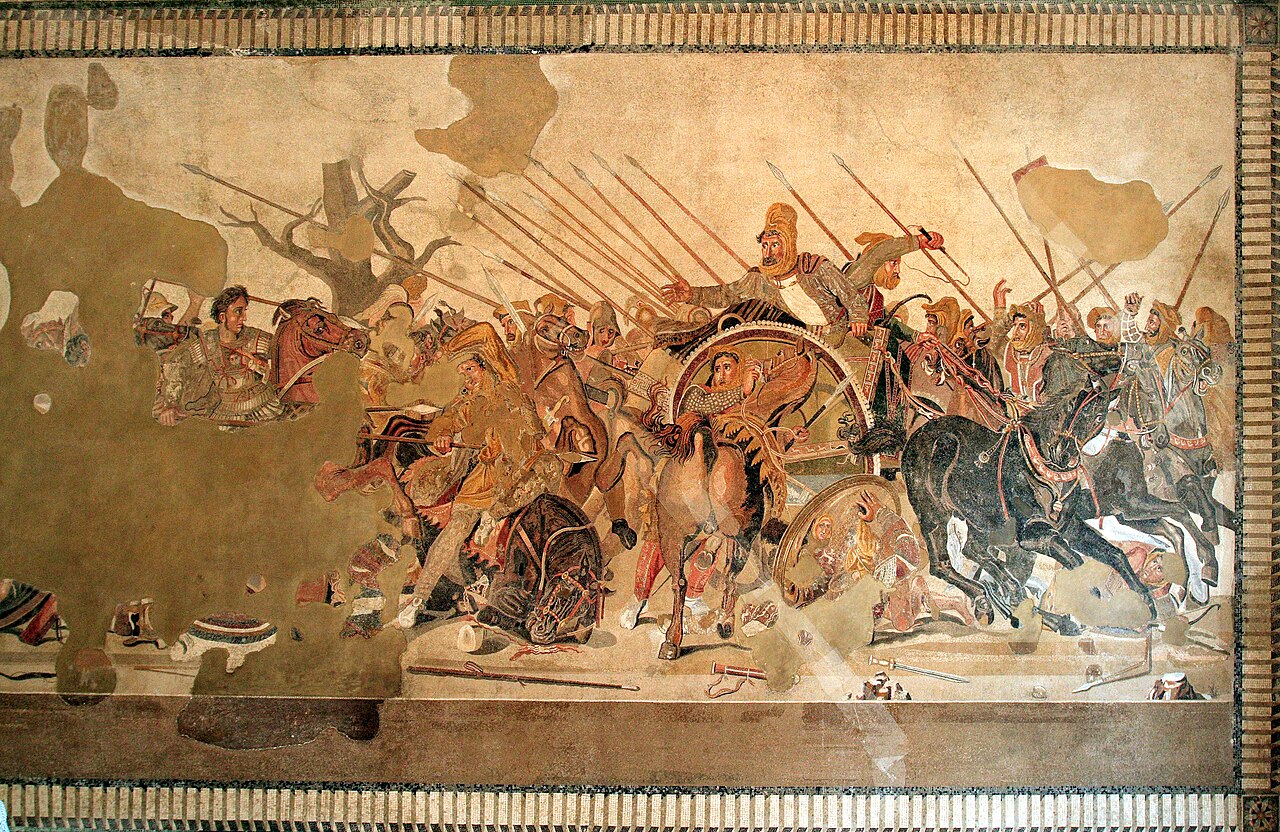 Artifact
Secondary source
Alexander Mosaic
Philoxenus of Eretria · c. 120-100 BCE (copy of an earlier Hellenistic painting)
 Painting
Secondary source
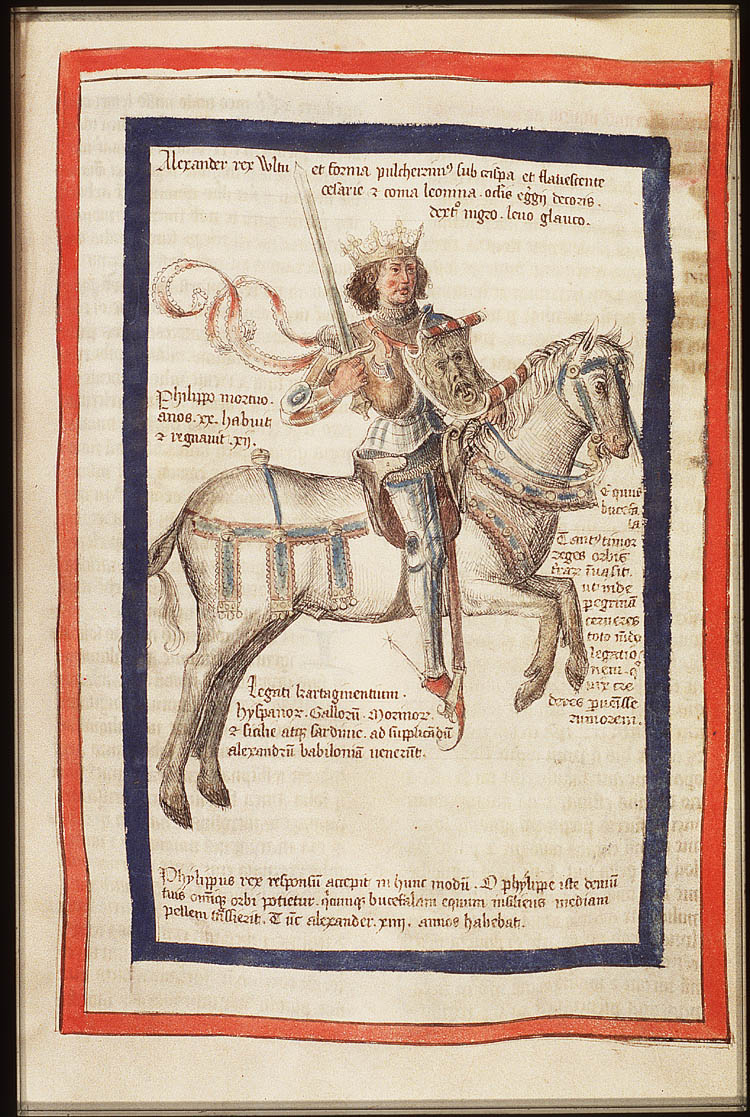
Alexander the Great riding Bucephalus
1460
 Artifact
Primary source
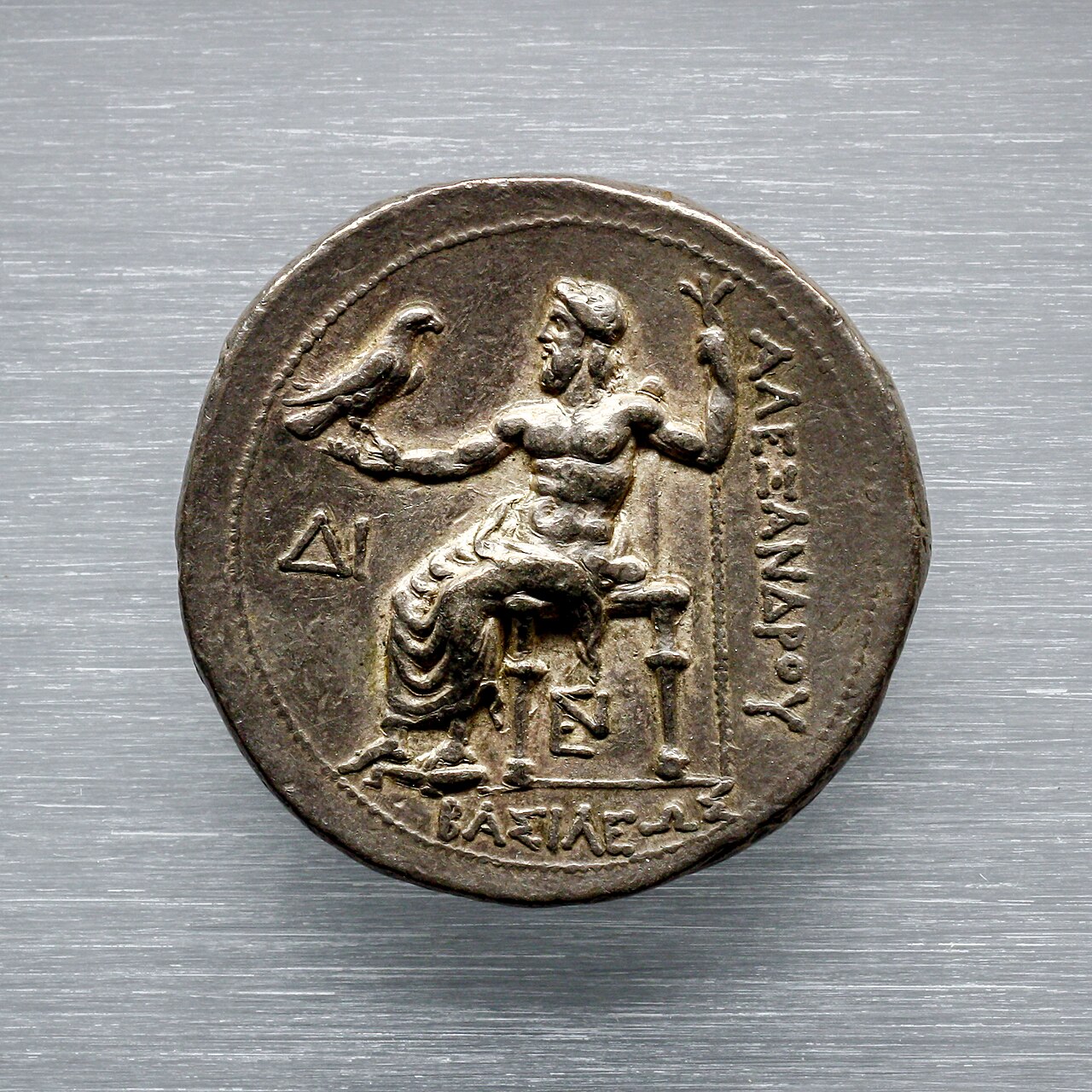
Silver Tetradrachm of Alexander the Great
Royal mints of Alexander III · c. 336-323 BCE
 Painting
Secondary source
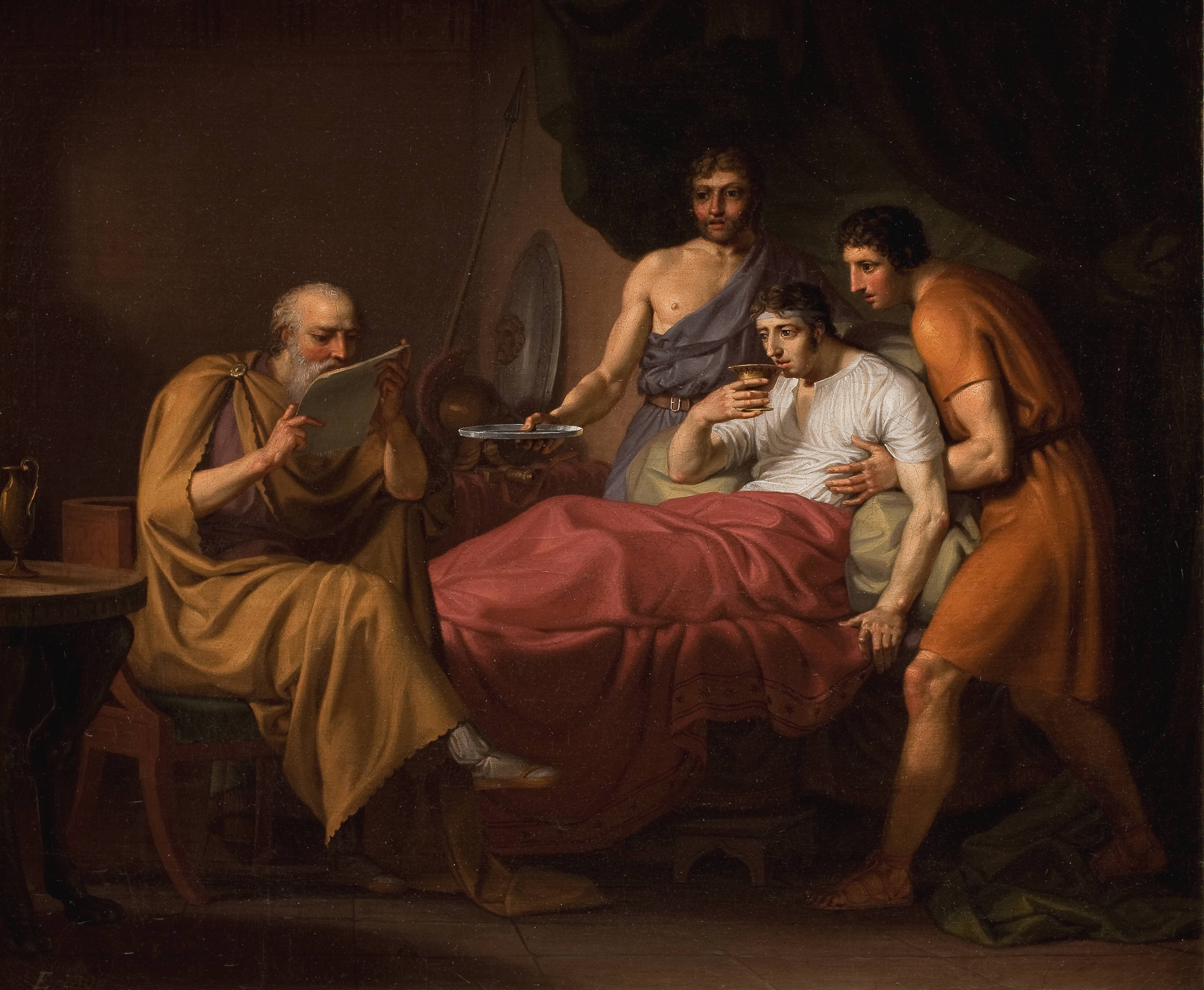
Alexander the Great on his Sickbed
1806
 Book
Secondary source
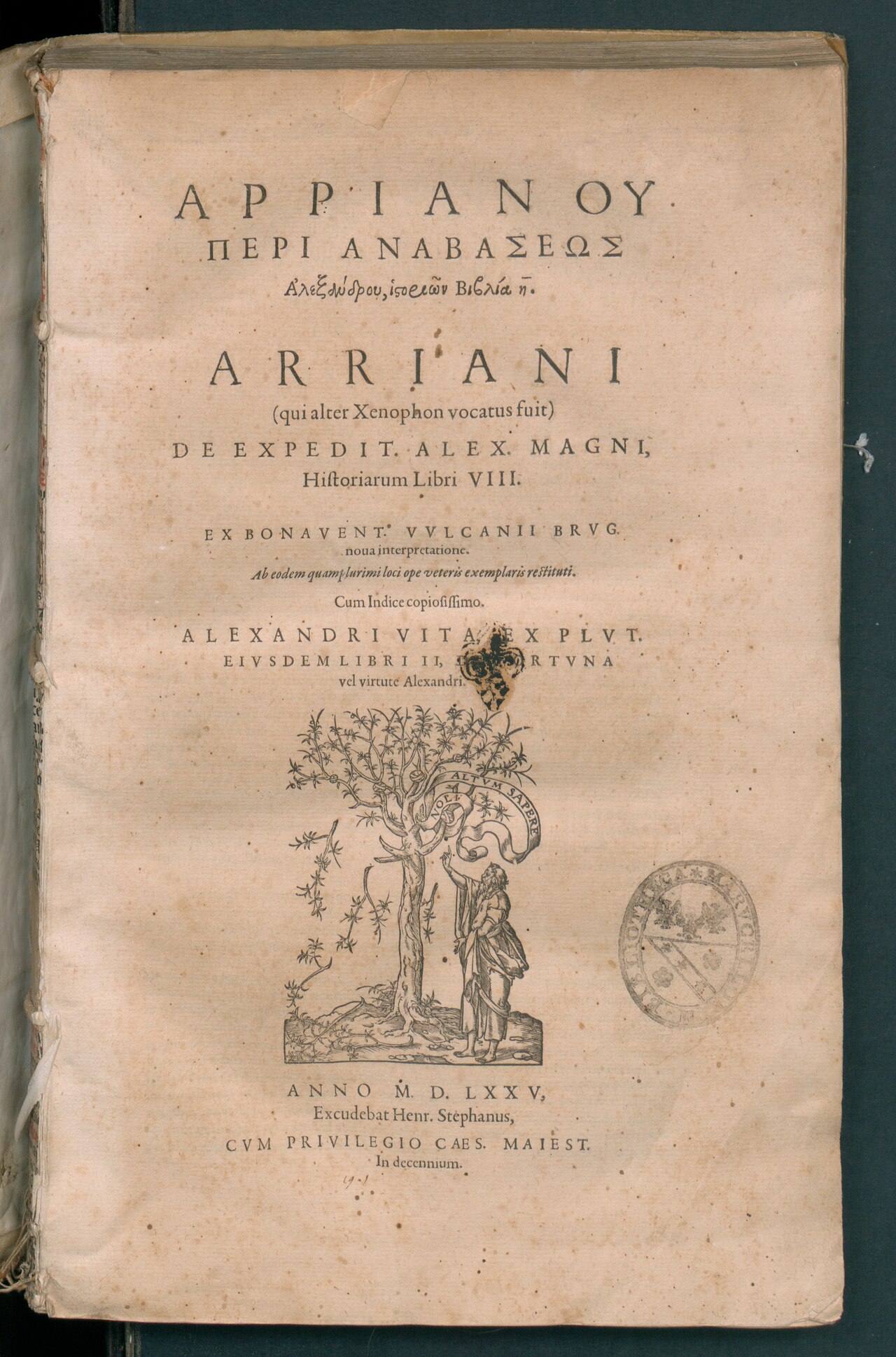
Anabasis of Alexander
Arrian · c. 150 AD
Ready when you are
Start chatting with Alexander the Great now.
20 messages free · No credit card · Available in 50+ languages.